Saurwein
- 01CityJohannesburg, South Africa
- Falstaff Winery - Listed · 2026
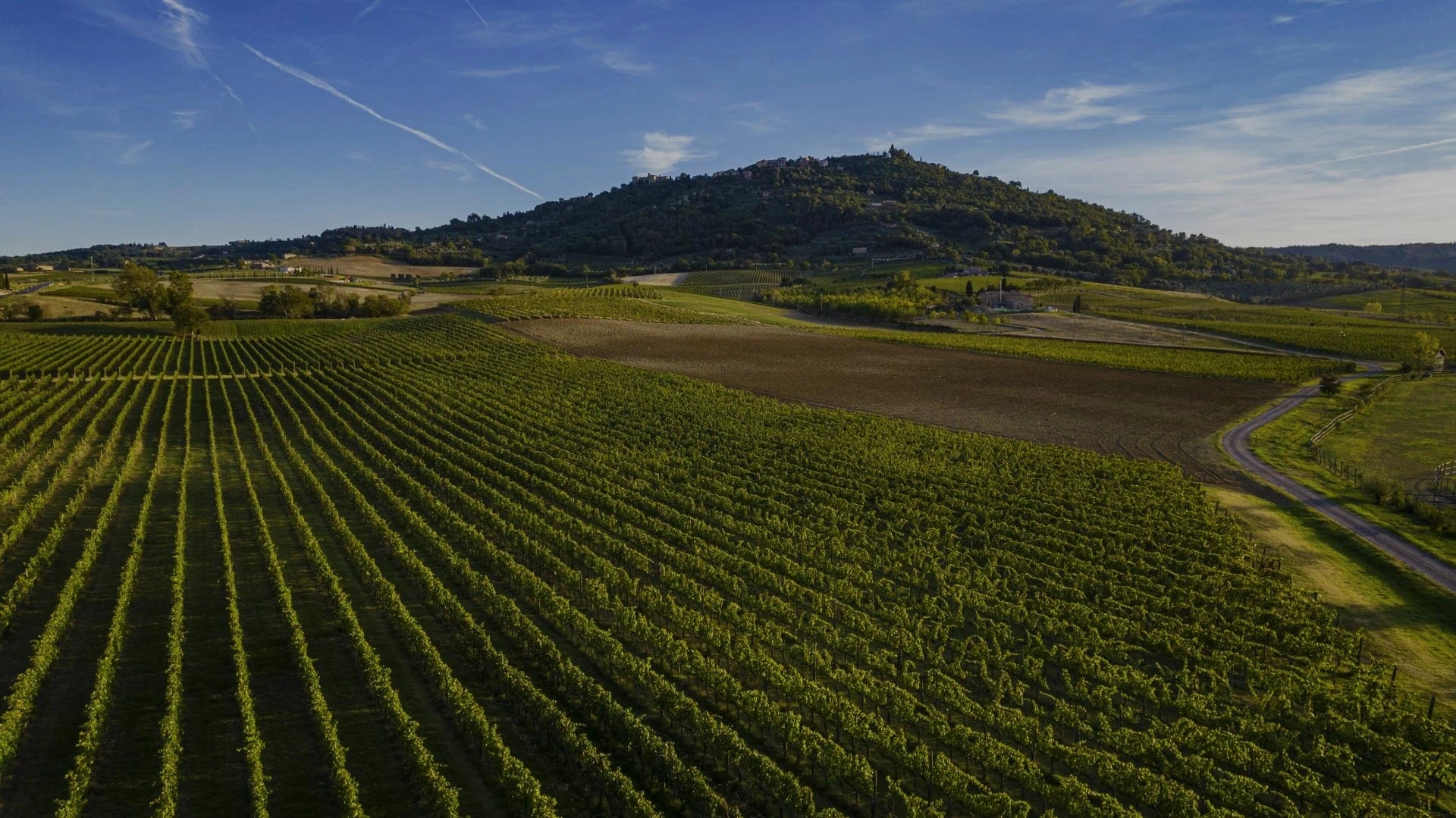
Approach Saurwein through the idea of temperature before anything else: cool air, coastal influence, altitude and soils doing the work that warmer regions often ask oak or extraction to perform. This is a small-production South African wine project with its base on Waterval Farm in Stanford Valley, but its real territory stretches across selected Cape South Coast sites. The atmosphere is quiet and farm-based rather than hospitality-heavy, and the wine logic is clear: Pinot Noir, Riesling and Nebbiolo handled with restraint, natural fermentation and a stated commitment to regenerative farming.
That matters in a country often read internationally through Chenin Blanc, Stellenbosch Cabernet and Swartland blends. Saurwein belongs to a narrower lane: cool-climate South African wine where acidity, site selection and cellar restraint carry the argument. Its four named wines, Nom Pinot Noir, Chi Riesling, Om Pinot Noir and Boom Nebbiolo, make the portfolio compact enough to read as a study in place rather than a broad commercial range.
Cool sites, natural fermentation and the Cape South Coast frame
The Cape South Coast gives Saurwein its editorial weight. Pinot Noir and Riesling need freshness more than force, and the vineyard references attached to the wines point to altitude, maritime influence and soil variation as the main tools. Nom Pinot Noir is associated with Kaaimansgat Vineyard in Elandskloof Valley, Villiersdorp, at 700 metres above sea level, with shale-origin soil, granite in the topsoil and clay through the profile. Om Pinot Noir comes from Hemel-en-Aarde Ridge in Walker Bay, Hermanus, at 300 metres above sea level, from a dryland vineyard 12 kilometres from the sea, with granite-origin soils and notable clay. Chi Riesling is tied to Elgin Valley, adding another cool-climate reference point to the range.
Those details make the producer more interesting than a simple varietal specialist. The wines are not presented as a single-estate expression in the narrow sense; they read as a set of site translations from cool South African vineyards. Nom and Om give two Pinot Noir lenses, one high-elevation and inland-leaning, the other shaped by maritime proximity and ridge conditions. Chi brings Riesling into the same conversation, a variety that rewards cool nights, acidity and aromatic precision. Boom Nebbiolo widens the frame with a grape known for structure, tannin and ageability, but it does not change the centre of gravity: this remains a producer built around restraint and site selection.
The cellar language is similarly disciplined. Saurwein describes its approach as hands-off, with natural fermentation and farming with nature. That phrase can be vague in lesser hands, but here it aligns with the sourcing: vineyards with climatic definition, grapes that do not need cosmetic winemaking to make a point, and a portfolio small enough for site identity to stay visible. Regenerative farming is part of the stated framework, focused on health, resilience and diversity rather than yield-led viticulture.
A compact portfolio in a market that often rewards scale
South African wine has become increasingly fluent in small-batch, site-led storytelling, but Saurwein’s discipline is in how little it tries to cover. Four wines give the range a clear spine. Nom and Om are the Pinot Noir anchors, Chi holds the Riesling position, and Boom Nebbiolo adds a more structural red without turning the brand into a scattershot varietal shelf. There are also farm-linked goods in the direct retail orbit, including Waterval Farm Honey and herb salt, which reinforces the agricultural setting without shifting attention away from the bottles.
Jessica Saurwein gives the project its credential base. She studied oenology and viticulture at Stellenbosch University, worked in vineyards locally and internationally, launched the label part-time in 2015 and became a full-time winemaker in 2017. That timeline matters less as biography than as context for the scale of the operation: gradual, focused, and tied to a tight set of wines rather than a large visitor complex or volume-led cellar. External trade commentary has singled out the small-production Pinot Noirs, giving the label a reputation signal beyond its own farming and cellar claims.
The hospitality read is correspondingly wine-led. Saurwein is not primarily framed as a large tasting-room estate with dining, tours and architectural theatre. It is better understood as a producer whose public face is bottles, releases, farm identity and a quiet winery setting. For travellers building a South African wine itinerary from Johannesburg search pages, that distinction matters: this is a cool-climate producer to understand through terroir and allocation-style focus, not through resort-style infrastructure.
How to place Saurwein in a South African wine itinerary
For planning purposes, treat Saurwein as a specialist stop in the broader South African wine map rather than a general-purpose crowd venue. The price signal sits in the accessible mid-tier, the visit style is casual and walk-in friendly, and the strongest use case is wine education: comparing how Pinot Noir and Riesling behave across cool South African sites, then seeing how Nebbiolo fits into the same restrained grammar. It suits solo exploration and special-occasion buying more than large-group hospitality.
Readers mapping the wider city context can use our full Johannesburg wineries guide alongside our full Johannesburg restaurants guide, our full Johannesburg hotels guide, our full Johannesburg bars guide and our full Johannesburg experiences guide. For a wider South African and international wine reading list, compare listing styles through Spioenkop Wines, 4G Wines in Kapstadt, A. A. Badenhorst Family Wines in Paardeberg, Aaldering Estate in Stellenbosch, Alheit Vineyards in Hermanus, Allée Bleue in Groot Drakenstein, Allesverloren in Riebeeck West, Anthonij Rupert in Franschhoek, »der Steiner« Hans Steiner in Podersdorf am See and & Handwein in Mannheim.
Questions
Frequently asked
How expensive is Saurwein?
Saurwein is listed at a price level of $$.
The field
How it compares
| Place | Notes | Awards |
|---|---|---|
| Saurwein | Stanford Valley, $$ | · |
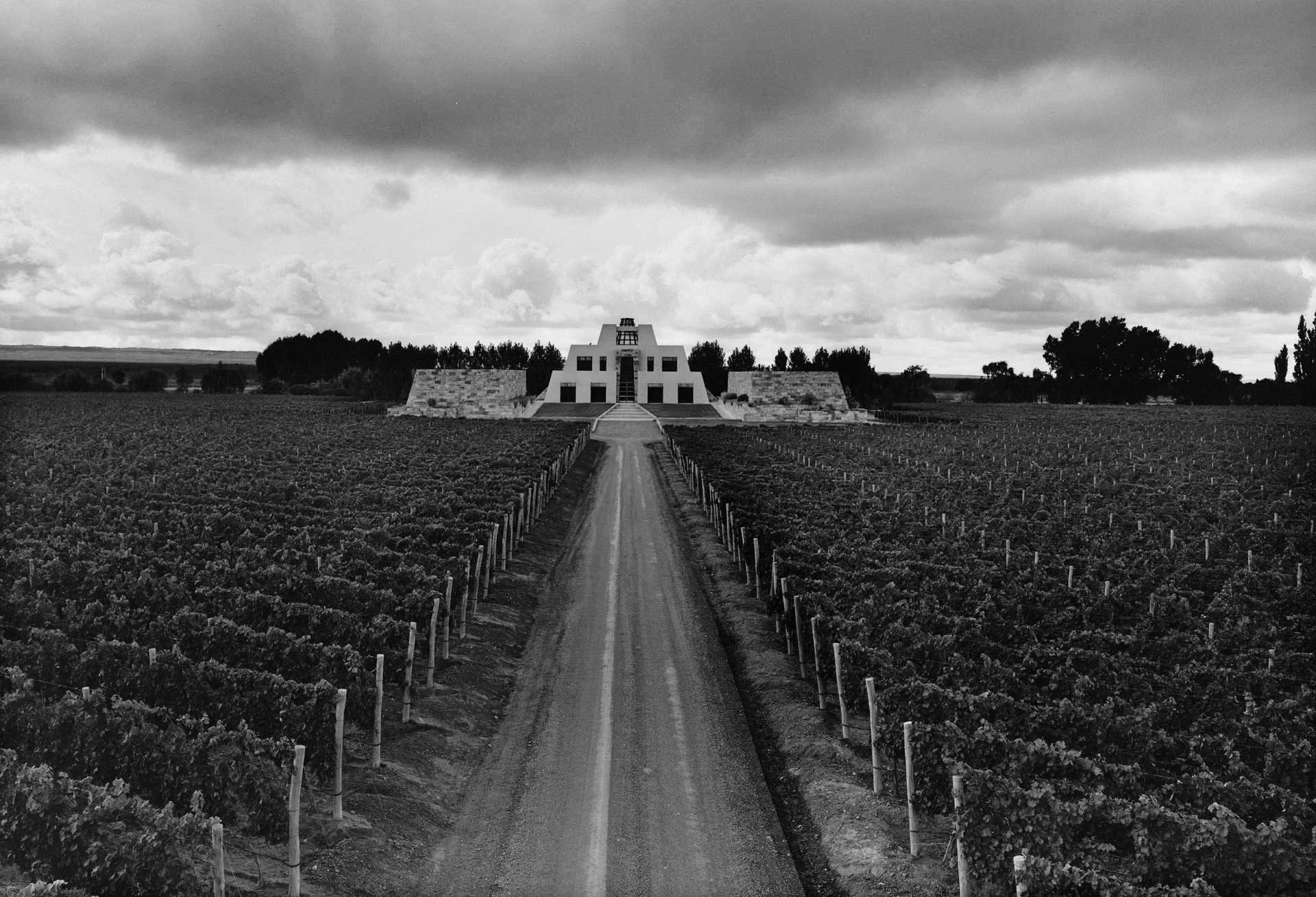
| Catena Zapata | Agrelo | World's 50 Best |
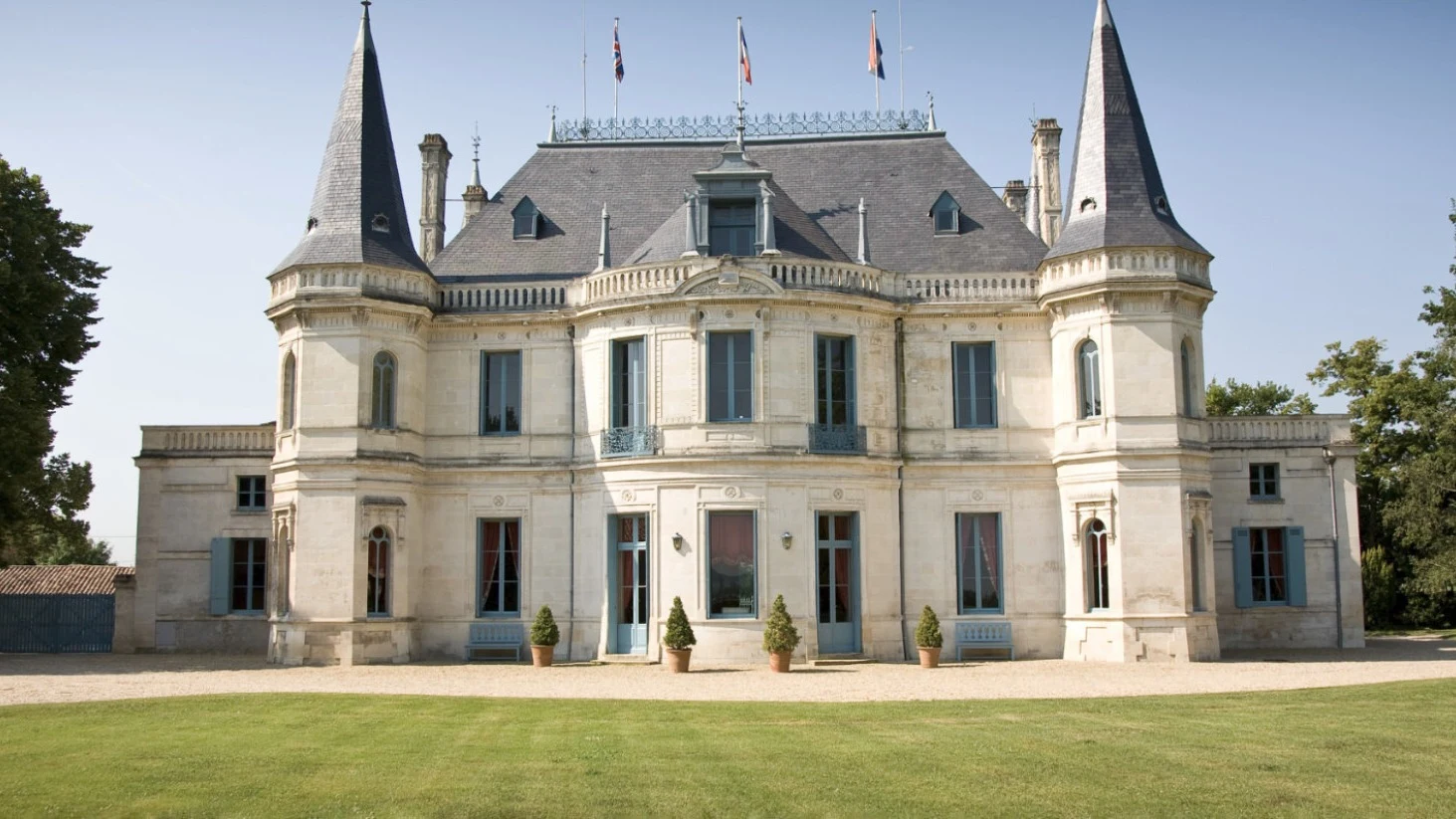
| Château Palmer | Margaux | · |
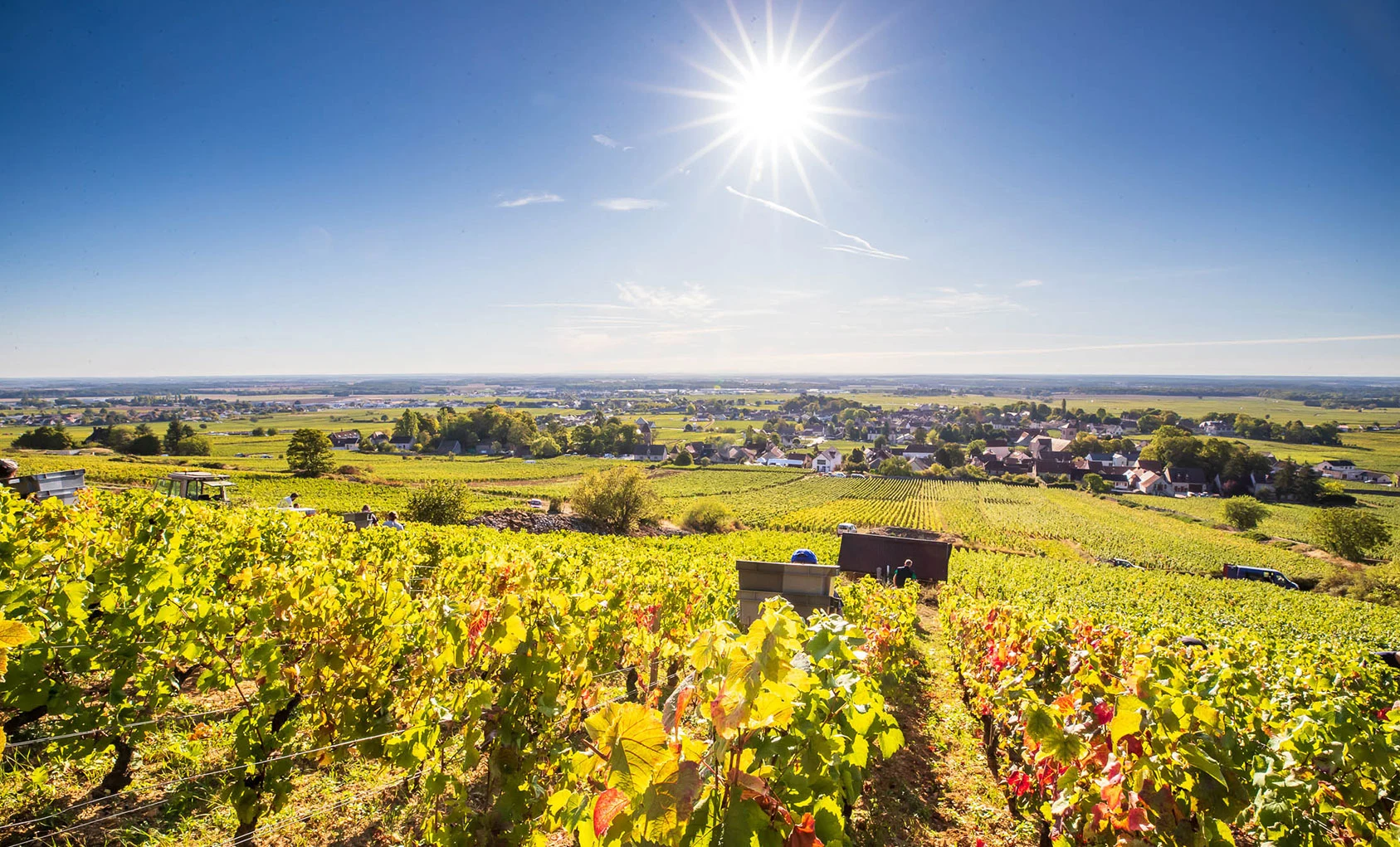
| Domaine Bruno Clair | Marsannay-la-Côte | · |
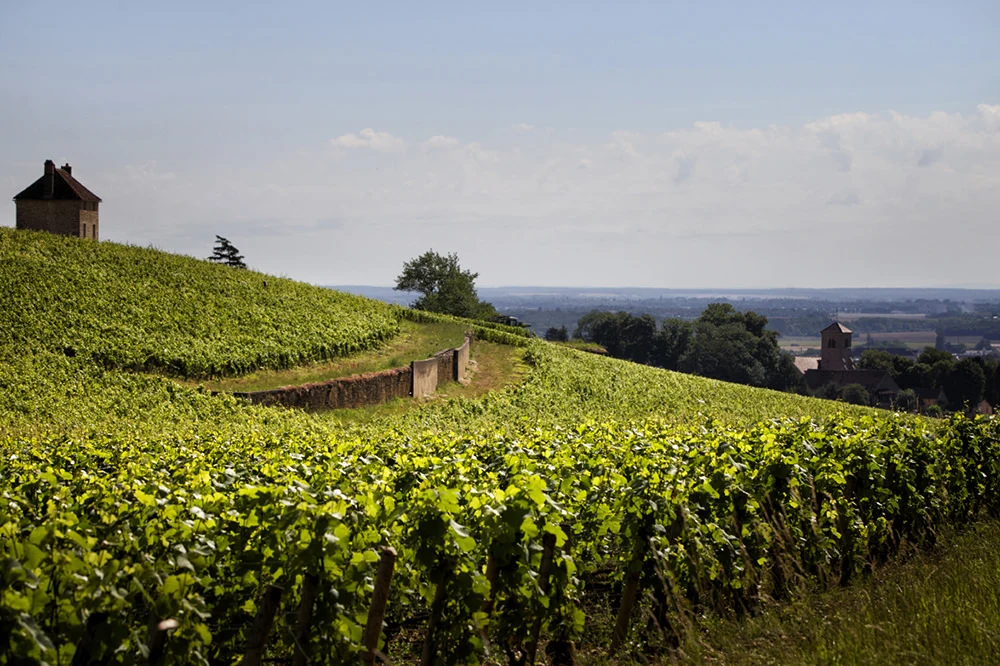
| Domaine Denis Mortet | Gevrey-Chambertin | · |
| Spioenkop Wines | Johannesburg | · |
| Valdicava | Montalcino | · |