Schandl's Weingut
- 01CityPottelsdorf, Austria
- Falstaff Winery - 2 Stars · 2026
Approaching a winery built around rosé changes the usual cellar-door expectation. The mood is not hushed or museum-like; it is modern, conversational, and deliberately social, with the House of Rosé identity doing more than decorative work. In Rosalia, rosé carries regional logic rather than resort-pool frivolity, and Schandl's Weingut uses that local association as the spine of the visit: fruit, freshness, and ease, but with enough structure and recognition to keep the conversation serious.
Austria's wine culture is often explained through Grüner Veltliner, Riesling, Blaufränkisch, and precise white-wine acidity. Rosalia adds a different register. Here, rosé can read as a regional expression, not a compromise between red and white. The estate's focus on sustainably produced organic rosés places it inside a narrower contemporary movement: wineries that use specialization to sharpen identity, rather than expanding portfolios until every grape variety has a shelf position.
Rosalia DAC gives the rosé focus a regional argument
The key point is not simply that the winery makes rosé; it is that the format is tied to Pöttelsdorf and the Rosalia wine region. The named Rosalia DAC Rosé Reserve 2024 gives the portfolio an appellation reference and a more serious tier within an otherwise easy-drinking category. That matters because rosé often suffers from lazy positioning: pale color, quick sale, little expectation of place. A reserve-level Rosalia DAC bottling pushes against that habit by giving the style a defined regional frame.
The stated house language favors wines that are fresh, fruit-led, and fine rather than heavy or extractive. The varieties associated with the estate include Blaufränkisch, Zweigelt, Cabernet Sauvignon, Merlot, and Chardonnay, a mix that makes sense in Burgenland's broader red-wine and rosé culture. The more useful reading for visitors is stylistic rather than technical: this is rosé as the main event, not a terrace wine added to a cellar list for summer traffic.
Recognition has arrived in a way that supports the specialization. Schandl's Weingut was named Austria's Rosé Producer of the Year 2024, and at Germany's 7th Rosé Cup of the Gourmetwelten it received Discovery of the Year. The Rosalia DAC Rosé Reserve 2024 was highlighted as a near winner in that tasting, while four rosé wines received strong ratings from Meininger. Those signals are not decorative badges; they help explain why a rosé-led winery in a small Burgenland village can justify attention beyond local tourism.
A cellar-door experience built for sociability, not ceremony
The hospitality style follows the wines. This is a casual, group-friendly address with guided, cellar, and group tasting formats, plus food pairing as part of the experience. The tone is relaxed rather than formal, with a conversational noise level and a family-business feel. That makes it better suited to a shared afternoon than to a collector's technical interrogation of barrel regime, vineyard exposition, and release history.
The estate has operated since 2009, which gives the House of Rosé concept enough time to feel intentional rather than opportunistic. Thomas Schandl is named as winemaker, but the more interesting story is not a personal biography; it is the way a family-run Burgenland winery has turned a single color category into a complete visitor proposition. The result is a cellar-door model with a clear editorial line: rosé as Rosalia identity, organic production as quality signal, and hospitality as social glue.
Practically, the format is walk-in friendly and casual, with street parking and payment by cash, card, debit card, and contactless methods. The venue is positioned for groups, celebrations, corporate events, and special occasions, while children and dogs are not part of the stated fit. Shipping is available, allocation is open, and the price level sits in the accessible middle tier rather than the luxury-release economy.
How to place it in a Pottelsdorf wine day
Pottelsdorf is not a city of grand culinary theatre, so the appeal here is sharper: a village-scale wine stop with a strong category identity. For travelers building a Burgenland itinerary, the estate works as a focused Rosalia counterpoint to broader Austrian wine touring. It is the kind of stop that clarifies a region by narrowing the lens, especially for drinkers who usually treat rosé as a minor style.
For wider planning, start with Our full Pottelsdorf wineries guide, then layer in dining, lodging, and evening options through Our full Pottelsdorf restaurants guide, Our full Pottelsdorf hotels guide, Our full Pottelsdorf bars guide, and Our full Pottelsdorf experiences guide. Readers extending the wine route across Austria and beyond can compare formats through »der Steiner« Hans Steiner in Podersdorf am See, ®walzer in Gneixendorf Bei Krems, 1516 Brewing Company Distillery in Vienna, A-Nobis Sektkellerei in Zurndorf, Abfindungsbrennerei Franz in Leithaprodersdorf, Achs-Wendelin Weine in Gols, Aeijst Distillery in Sankt Nikolai im Sausal, Alexander Koppitsch in Neusiedl am See, & Handwein in Mannheim, and 00 Wines in Carlton.
Questions
Frequently asked
How expensive is Schandl's Weingut?
Schandl's Weingut is listed at a price level of $$.
The field
How it compares
| Place | Notes | Awards |
|---|---|---|
| Schandl's Weingut | Pöttelsdorf, $$ | · |
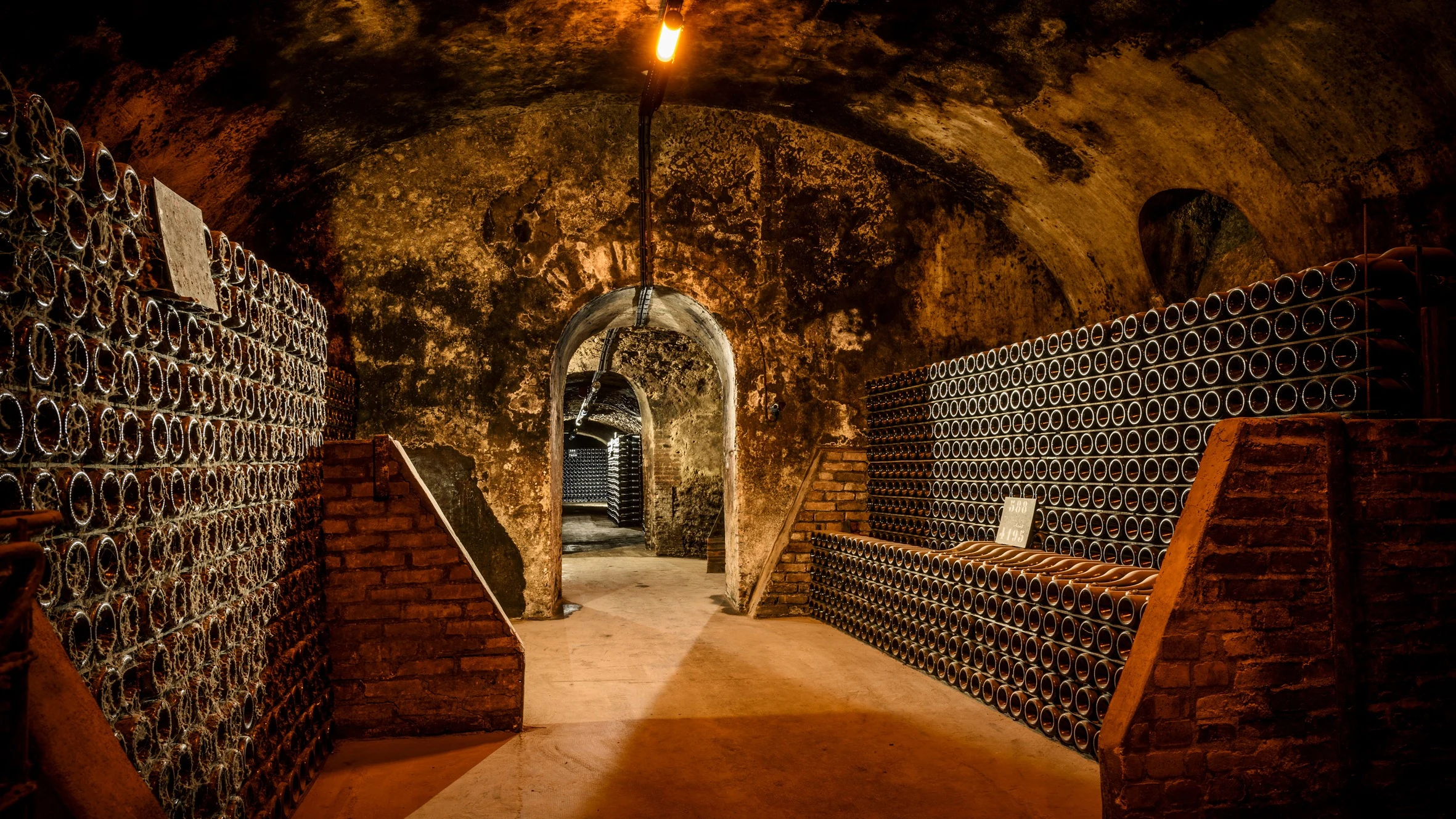
| Billecart-Salmon | Aÿ | World's 50 Best |
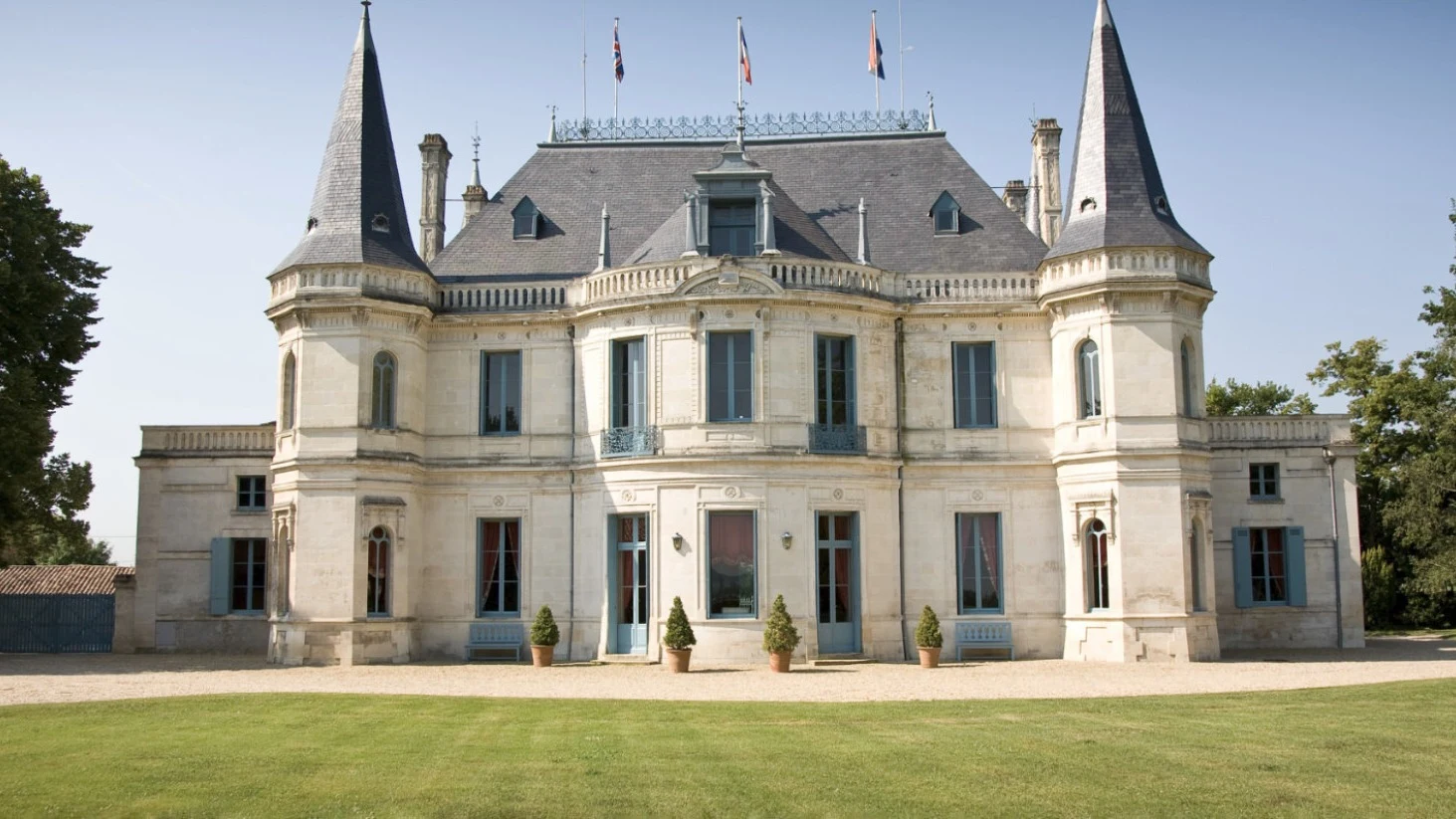
| Château Palmer | Margaux | · |
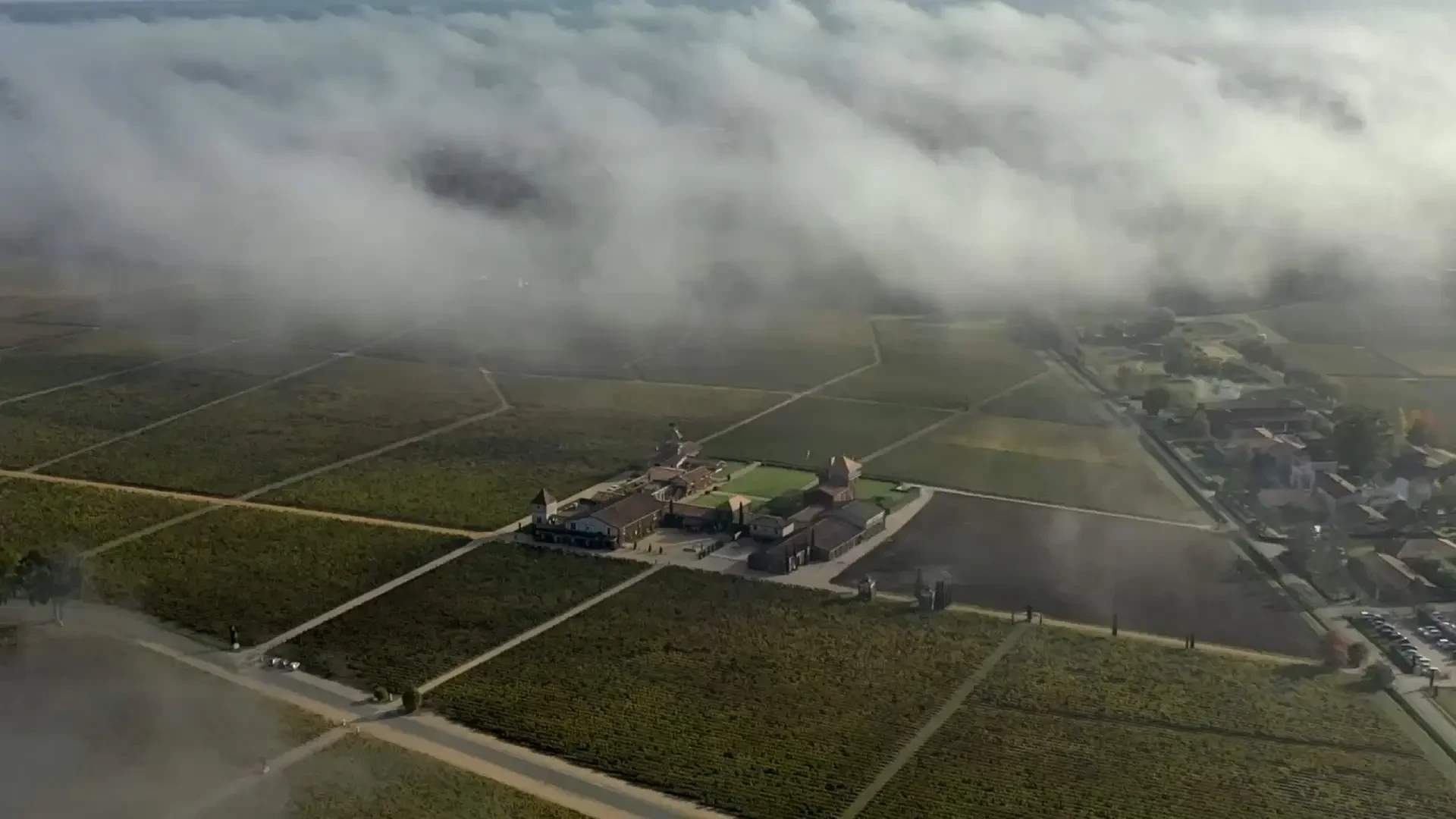
| Château Smith Haut Lafitte | Martillac | World's 50 Best |
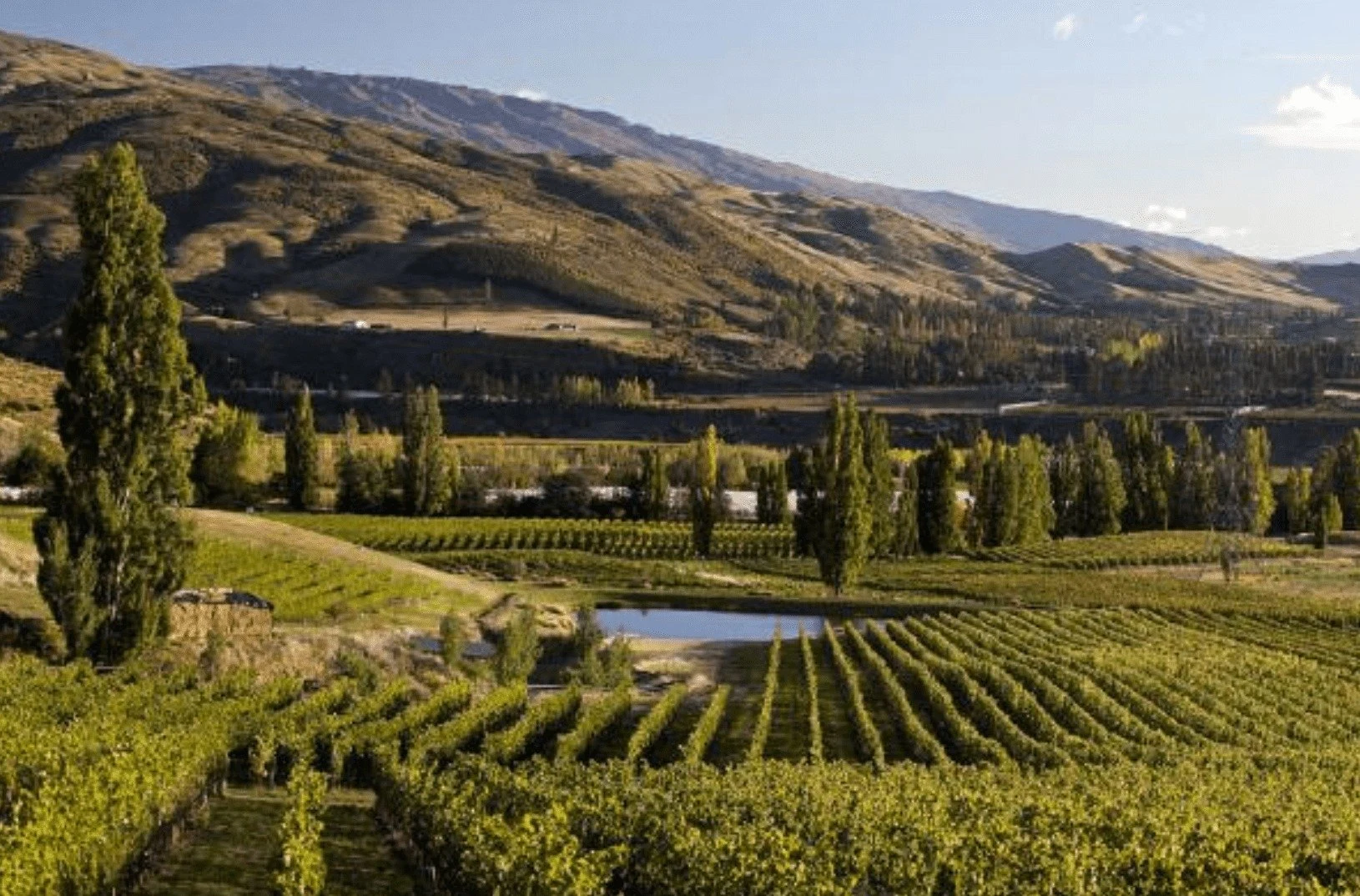
| Felton Road Wines | Bannockburn | World's 50 Best |
| Klein Constantia | Cape Town | World's 50 Best |
| Krug | Reims | · |