Schinterhof
- 01CityBarbian, Italy
- Falstaff Winery - 2 Stars · 2026
Schinterhof in Barbian belongs to a quieter South Tyrolean story: a historic farm estate with a revived winemaking tradition and a focus on expressing the microzones and style of Colma in the lower Eisack Valley. Rather than leaning on spectacle or broad claims, the picture is more restrained: rustic, quiet, and closely tied to place. Its interest comes from that restraint. The estate reads less like a conventional showpiece and more like a point on the local map where history, rural setting, and winegrowing identity are allowed to remain closely connected.
For travellers, the appeal is the setting and the local identity. Schinterhof is best understood as a hidden-gem farm estate in Barbian, where the emphasis is on South Tyrolean character, historic continuity, and the particular conditions of Colma rather than on an expansive hospitality narrative. That makes the tone important: this is not a venue to approach primarily through expectations of polish, programming, or spectacle, but through curiosity about a specific rural place and the way its revived winemaking tradition is being framed.
Colma's microzones shape the estate's identity more than spectacle
The most grounded way to read Schinterhof is through its stated focus on the microzones and style of Colma in the lower Eisack Valley. That gives the estate its editorial value: it is not presented here as a trophy stop or a venue defined by awards, but as a Barbian farm estate whose revived winemaking tradition is tied to a specific South Tyrolean place. The word “microzones” matters in this context because it keeps the focus narrow and local. Instead of treating the lower Eisack Valley as a broad backdrop, Schinterhof’s story points toward the more particular conditions around Colma and the style associated with them.
What can be said with confidence is that Schinterhof’s identity rests on history, quiet rural character, and the expression of Colma’s local wine style. That identity is modest but clear. It does not need to be enlarged with claims that are not present; its strength is the combination of historic farm-estate setting and a revived winemaking focus that stays close to the local terrain.
This makes the venue a better fit for travellers interested in place-led South Tyrolean wine culture than for those looking for a large, highly programmed visitor experience. The draw is subtle: a historic farm estate in Barbian with a revived winemaking tradition and a local rather than theatrical point of view. Travellers who respond to quieter wine destinations may find that this kind of specificity is exactly the appeal. The value is not in a long list of amenities, but in the sense that Schinterhof represents one small, grounded expression of Barbian and Colma within the lower Eisack Valley.
A historic farm-estate setting with a quiet register
The experience reads as rustic and restrained. Schinterhof is described as quiet, historic, and somewhat hidden, which places it closer to a low-key rural discovery than to a polished destination complex. That distinction is useful for setting expectations. Visitors should not assume extras such as food pairings, fixed tasting formats, children’s programming, outdoor seating, or other hospitality services without checking directly. In practical terms, the best approach is to treat Schinterhof first as a historic farm estate with a revived winegrowing identity, and only then to consider what kind of visit may be possible at a given time.
Schinterhof also matters because it reflects a more specific side of South Tyrol. Barbian is not reduced here to a generic Italian wine stop; the story points instead to a historic farm estate, a revived winegrowing identity, and attention to the microzones and style of Colma in the lower Eisack Valley. That specificity gives the venue its quiet editorial weight. It is rooted in a named place and a defined local context, which makes it more meaningful than a broadly described countryside stop.
For a wider Barbian itinerary, place Schinterhof alongside other dining, lodging, winery, and experience options in the area without assuming that they share the same format or focus. The useful comparison is local and practical: Schinterhof is the quiet, rustic, historic farm-estate option for travellers who want a grounded sense of Barbian’s South Tyrolean wine landscape. In that mix, it functions best as a place-led reference point rather than as an all-purpose hospitality anchor.
The editorial case for Schinterhof is therefore specific: a historic Barbian farm estate, a revived winemaking tradition, and a focus on Colma in the lower Eisack Valley. It is a strong fit for travellers who prefer understated regional character over a heavily staged hospitality experience. Its appeal lies in the steadiness of that identity: local, restrained, and shaped by the farm-estate context rather than by spectacle.
Questions
Frequently asked
How expensive is Schinterhof?
Schinterhof is listed at a price level of $$.
The field
How it compares
| Place | Notes | Awards |
|---|---|---|
| Schinterhof | Colma-Barbiano, $$ | · |
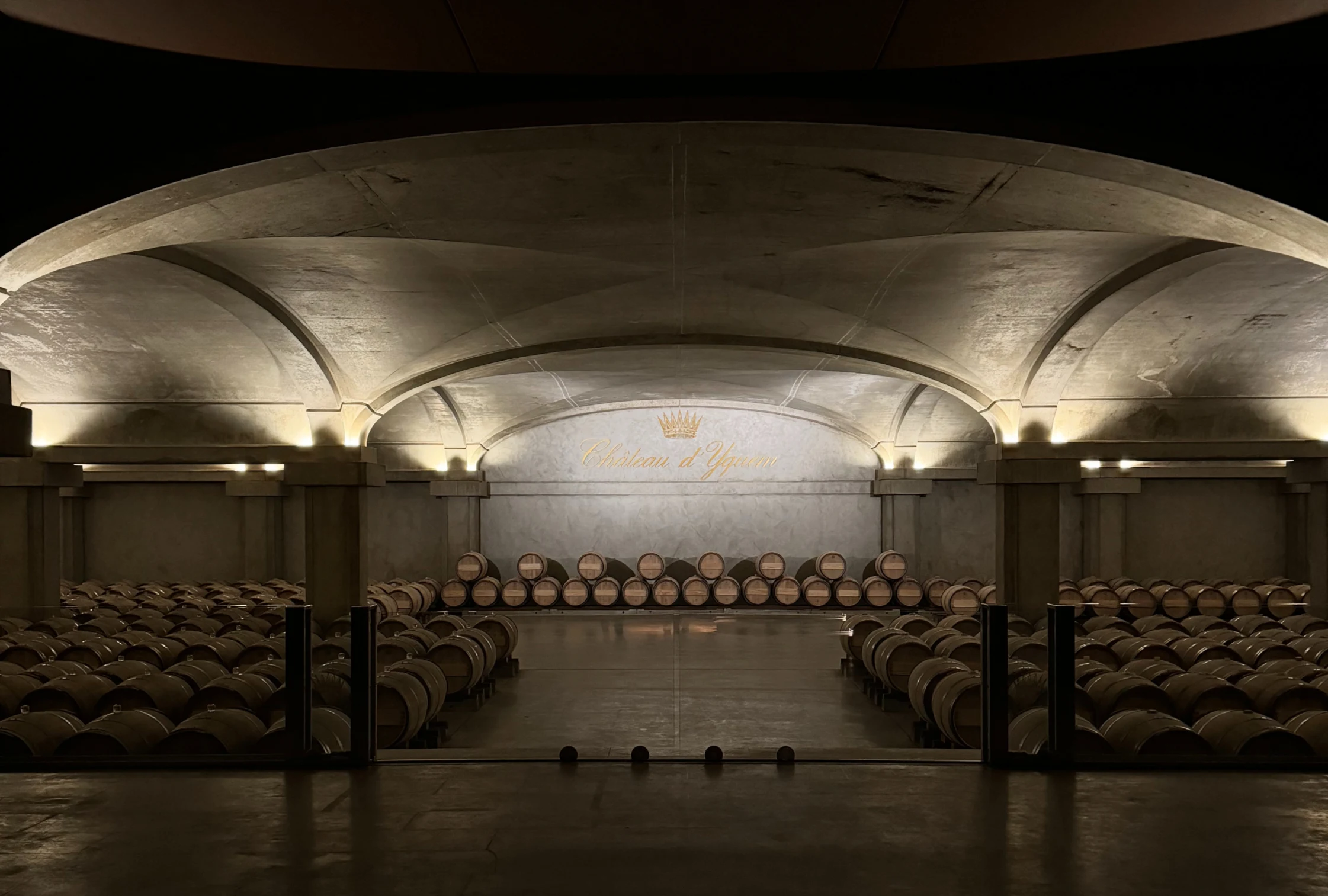
| Château d'Yquem | Sauternes | World's 50 Best |
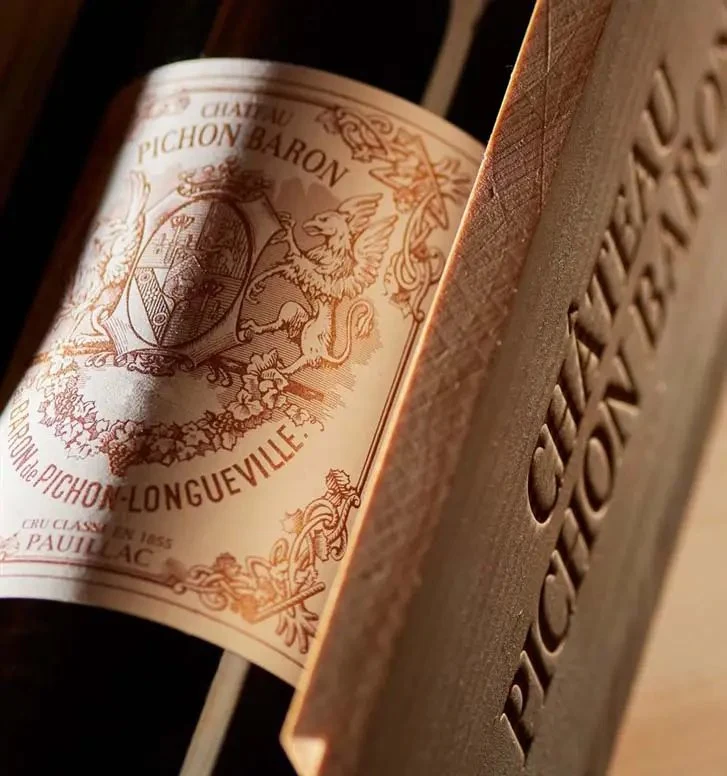
| Château Pichon Longueville Baron | Pauillac | World's 50 Best |
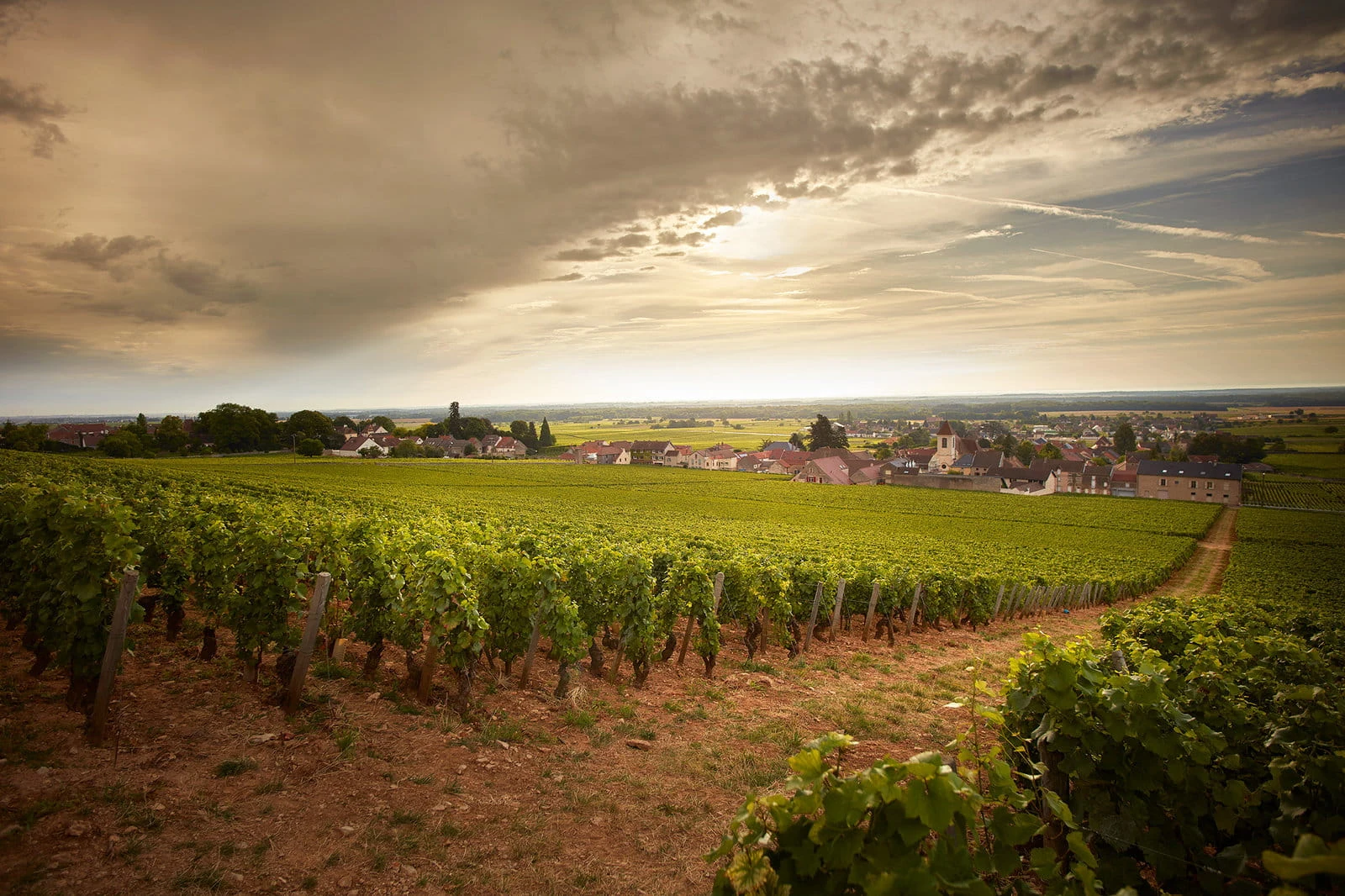
| Domaine du Clos de Tart | Morey-Saint-Denis | · |
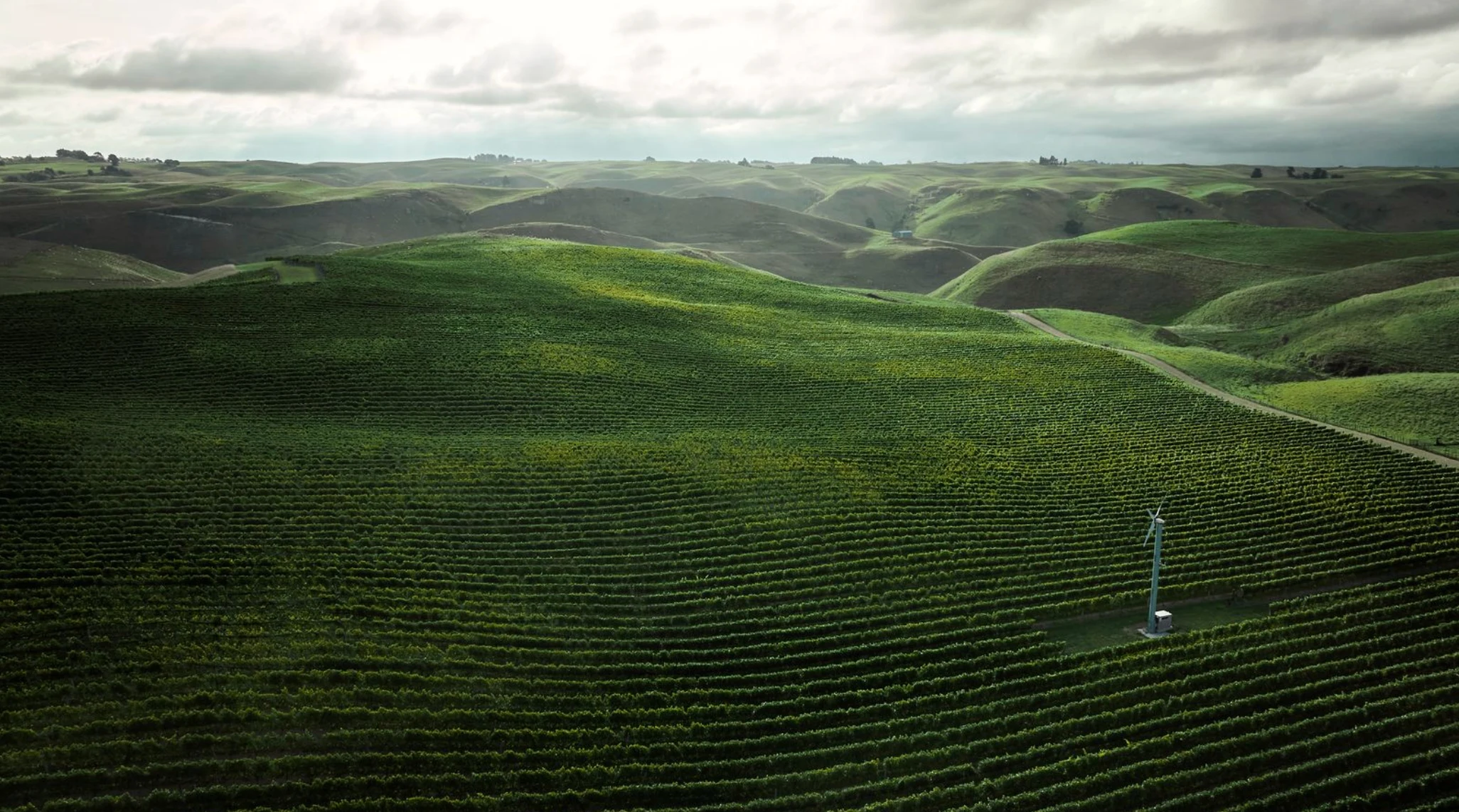
| Kumeu River Wines | Kumeu | World's 50 Best |
| La Rioja Alta | Haro | · |
| Viña VIK | San Vicente De Tagua Tagua | World's 50 Best |