Made ByRestaurant
Schlosskeller
In Residence
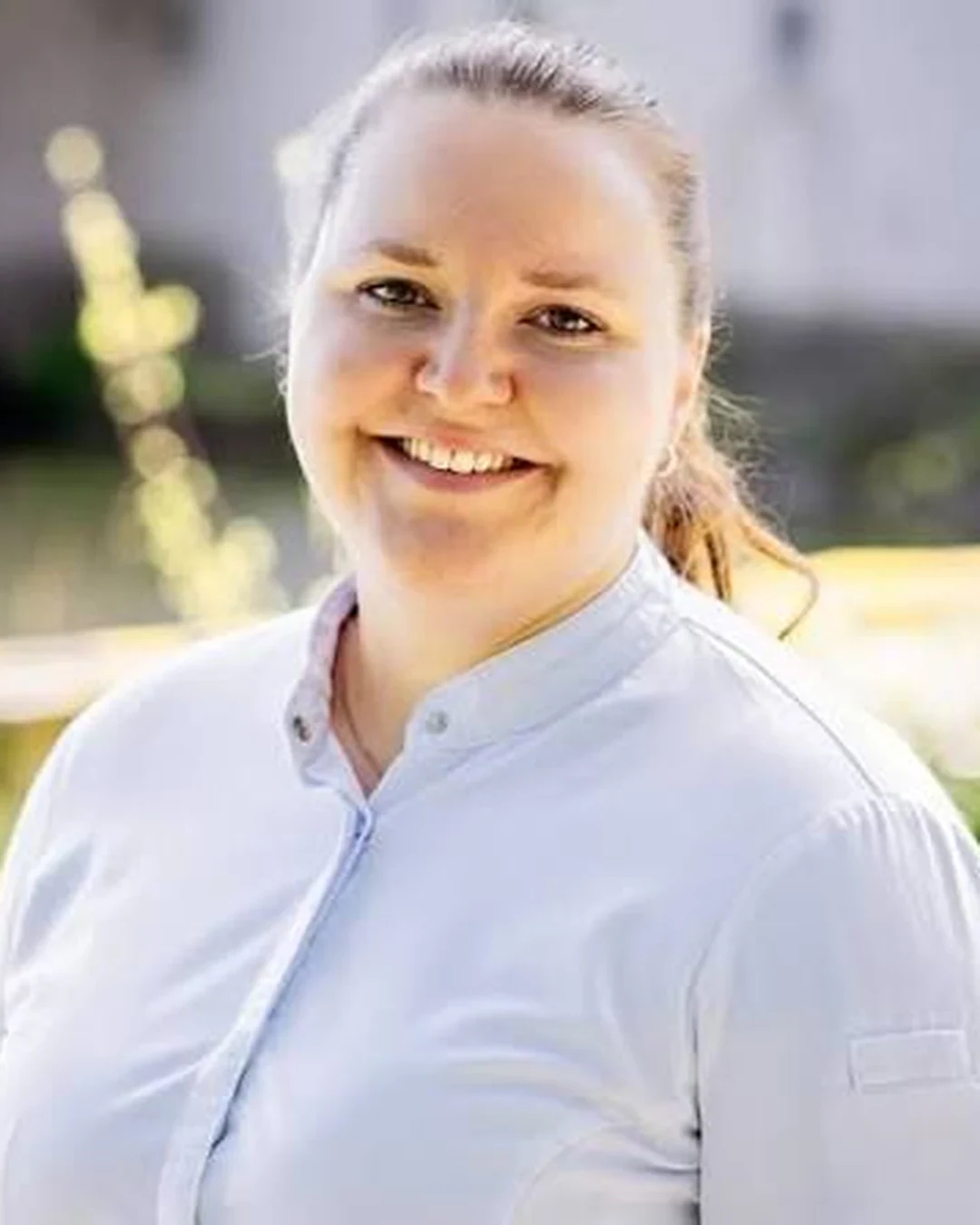
Anna Köpke
Chef
- 01CuisineGerman and International Farm-to-Table
- 02CityAerzen, Germany
- Michelin Plate · 2026
- Michelin Plate · 2025
- Michelin Plate · 2024
Beneath the storied walls of Schloss Aerzen, Schlosskeller Aerzen invites discerning diners into a vaulted, candlelit refuge where regional seasonality meets refined craft. Schlosskeller is a restaurant in Aerzen, Germany, at Schwöbber 9, serving seasonal dining in a vaulted cellar with terrace views of the castle pond. Classic technique, a sense of place, and an unhurried rhythm define the experience in Aerzen. The Story & Heritage
Housed within the castle’s historic undercroft, Schlosskeller honors Lower Saxony’s culinary heritage while embracing a modern, produce-first sensibility. The team champions seasonality and regional sourcing, drawing on local growers, foragers, and fishmongers to shape a menu that evolves with the countryside. While the restaurant’s roots are traditional, the kitchen’s perspective is contemporary and precise, Schlosskeller has become a dining address in Aerzen, balancing comfort with polished technique and a quiet ambiance. The Cuisine & Menu
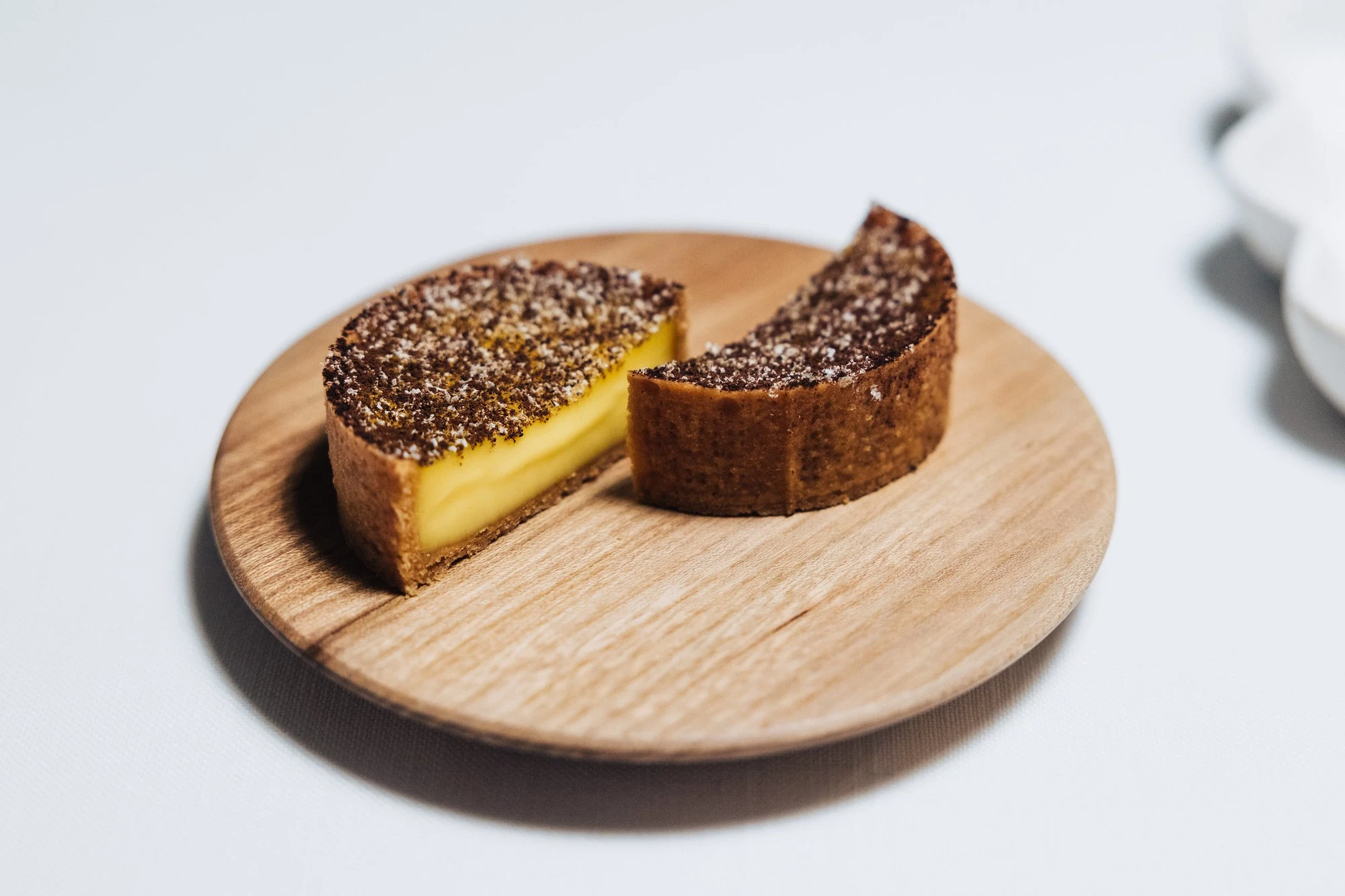
The cuisine reflects a refined regional vein: familiar dishes elevated by quality sourcing and exacting execution. Think a pristine Wiener Schnitzel, golden, delicate, and audibly crisp, paired with warm potato-cucumber salad, lingonberries, and lemon. Or roasted fillet of sea bass crowned with a fragrant rosehip foam, a nod to local hedgerows and forest edges. Expect seasonal specials, white asparagus with sauce mousseline in spring, venison with juniper and red cabbage in autumn, offered via an à la carte format alongside occasional prix fixe options. Vegetarians are well cared for, and dietary preferences are handled with grace when noted in advance. Positioning is fine dining, where clarity of flavor and craftsmanship lead. Experience & Atmosphere
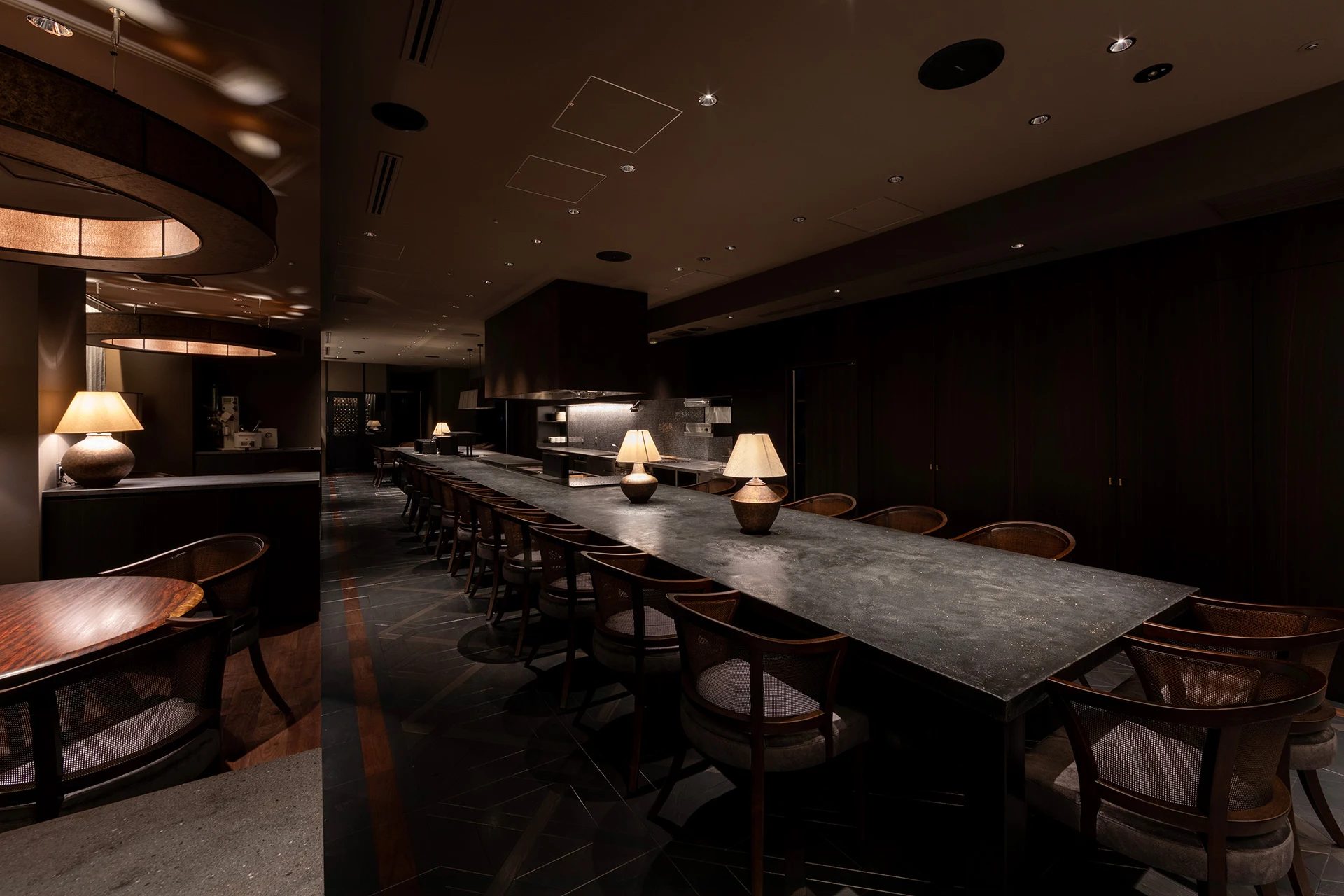
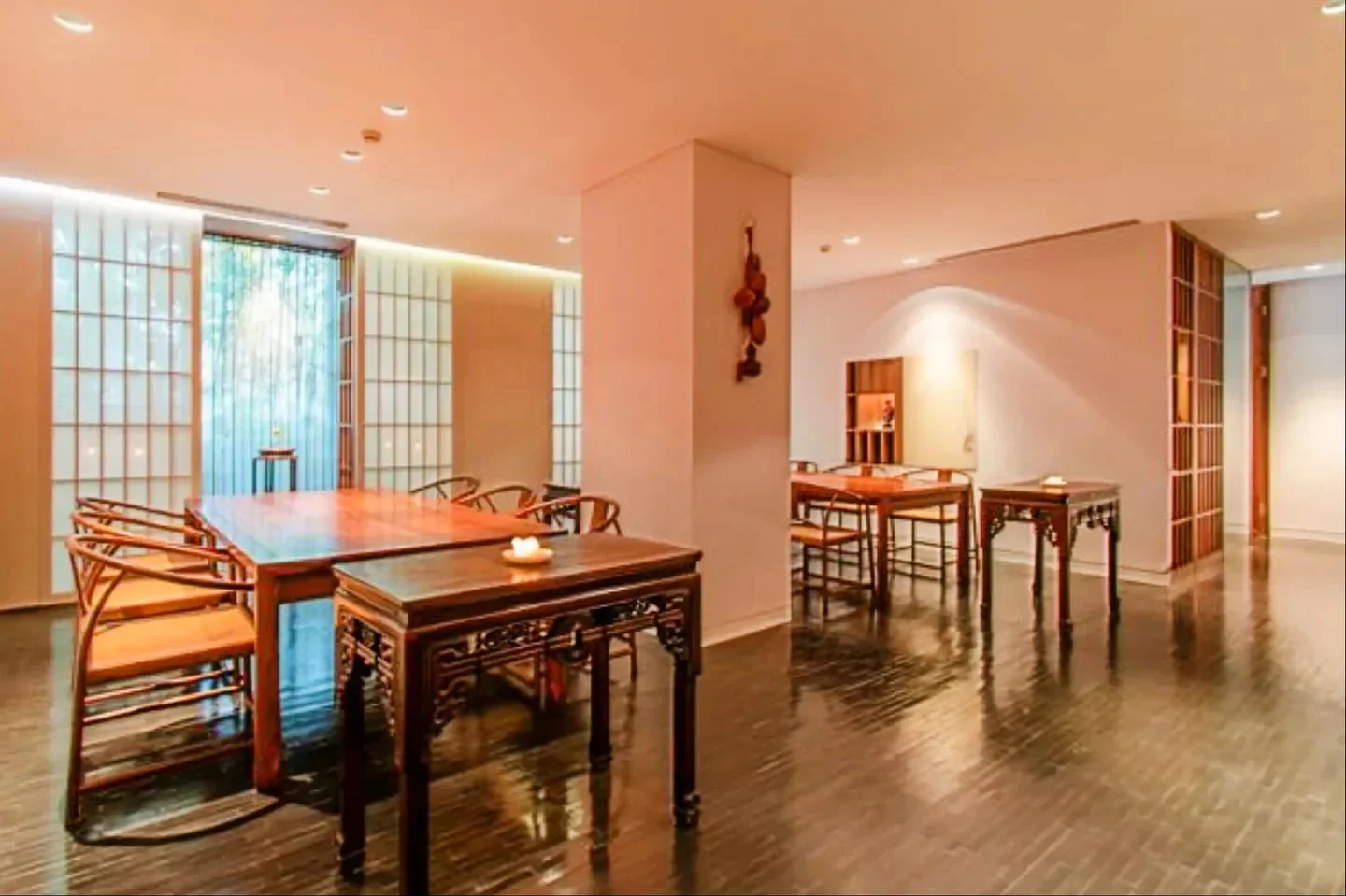
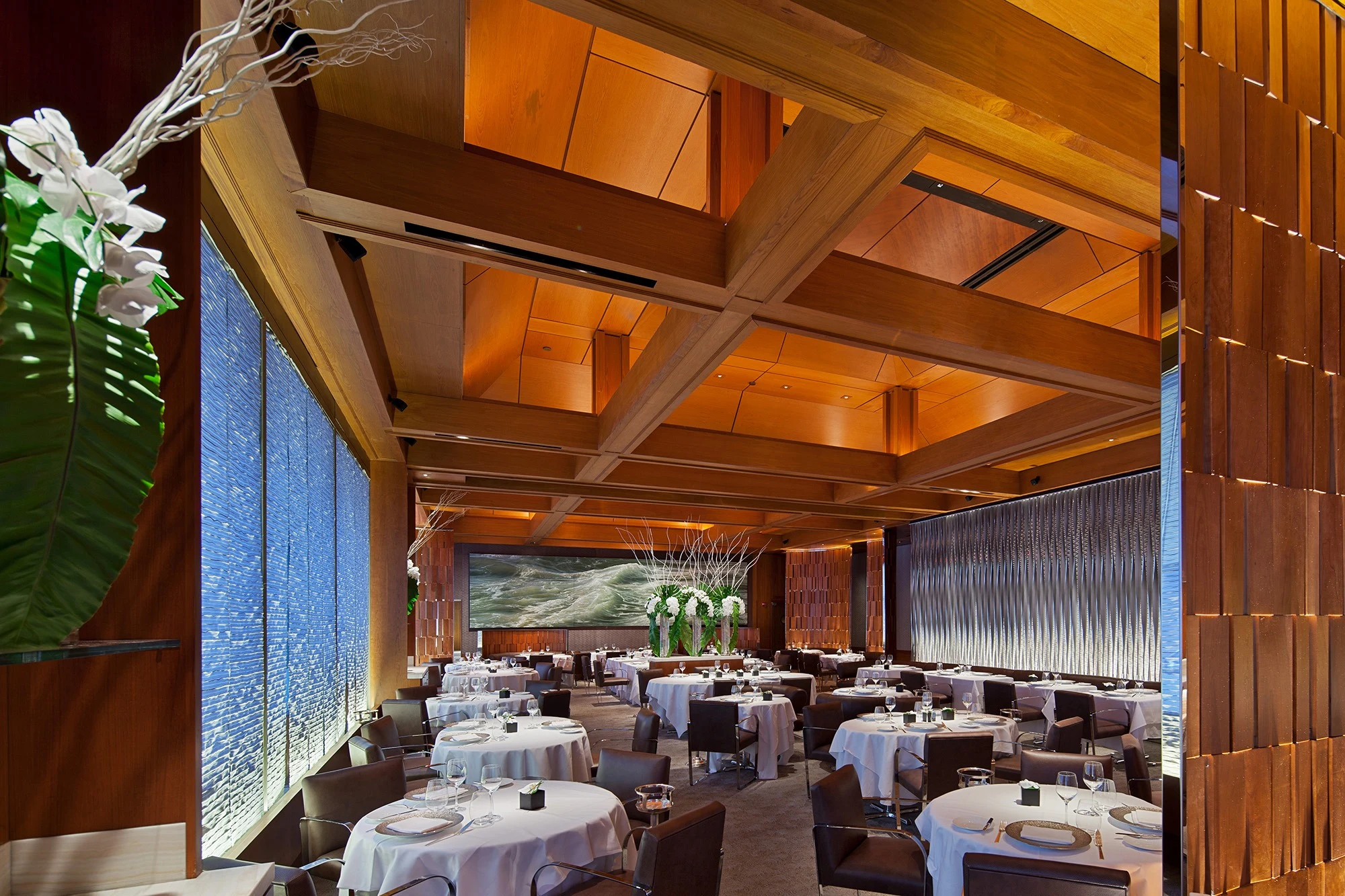
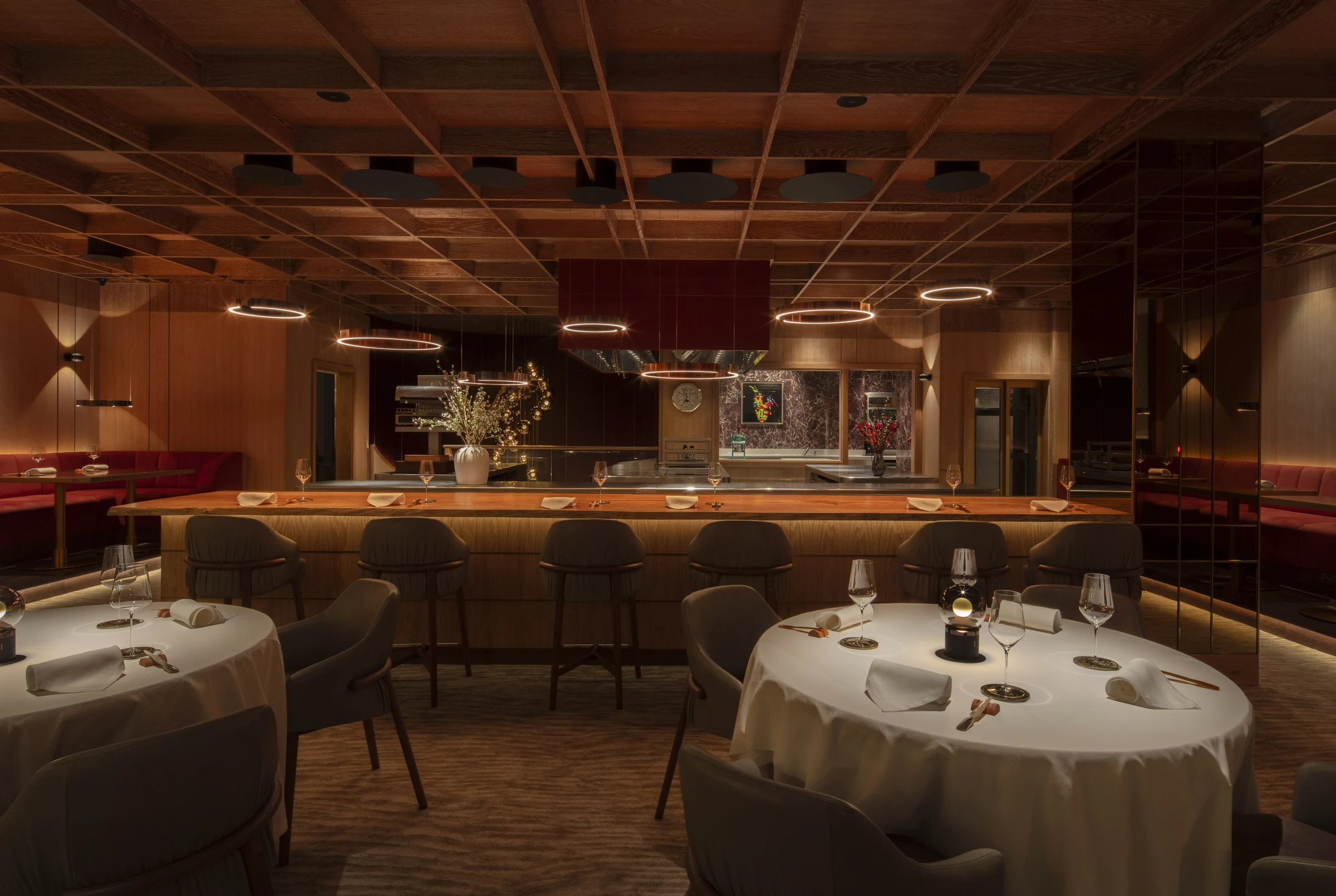
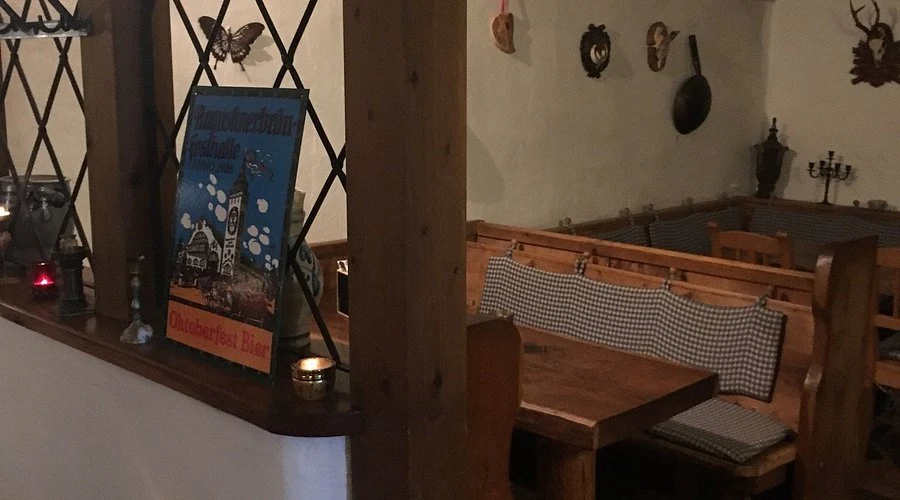
Inside, the vaulted cellar glows with soft lighting, natural stone, and thoughtful table settings; outside, the terrace frames the castle pond, ideal for aperitifs at golden hour. Service is poised and personable, knowledgeable without pretense, guided by a team that values timing, warmth, and detail. The wine list leans German and European, with a curated selection of Mosel Riesling, Burgundy, and structured reds, stewarded by an attentive sommelier and available as bespoke wine pairings. Limited private dining can be arranged, and a smart-casual dress code suits the setting. Reservations are recommended. Closing & Call-to-Action
For those seeking fine dining in Aerzen, rooted in place and rich in atmosphere, Schlosskeller is a reservation worth securing. Linger over a seasonal special with a sommelier pairing.
Questions
Frequently asked
Who works at Schlosskeller?
Made By profiles Anna Köpke (Chef) at Schlosskeller.
How expensive is Schlosskeller?
Schlosskeller is listed at a price level of $$.
Where is Schlosskeller and what does it serve?
Schlosskeller is in Schwöbber, Aerzen, serving German and International Farm-to-Table.
The field
How it compares
| Place | Cuisine | Notes | Awards |
|---|---|---|---|
| Schlosskeller | German and International Farm-to-Table | Schwöbber, $$ | · |
| Florilège | Modern French-Japanese Plant-Based Fine Dining | Tokyo | Michelin 2 Stars, World's 50 Best |
| Fu He Hui | Modern Seasonal Vegetarian Fine Dining | Shanghai | Michelin 2 Stars, World's 50 Best |
| Jordnær | Modern Nordic Seafood Fine Dining | Gentofte | Michelin 3 Stars, World's 50 Best |
| Le Bernardin | French Seafood Fine Dining | New York City | Michelin 3 Stars, World's 50 Best |
| Row on 5 | Modern British Fine Dining with Mediterranean & Asian Influences | London | Michelin 2 Stars |
| Sorn | Fine Southern Thai | Bangkok | Michelin 3 Stars, World's 50 Best |
In residence
Similar places
Modern French-Japanese Plant-Based Fine Dining
Florilège
Tokyo, Japan
★★ · 50 Best
Modern Seasonal Vegetarian Fine Dining
Fu He Hui
Shanghai, China
★★ · 50 Best
Modern Nordic Seafood Fine Dining
Jordnær
Gentofte, Denmark
★★★ · 50 Best
French Seafood Fine Dining
Le Bernardin
New York City, United States
★★★ · 50 Best
Modern British Fine Dining with Mediterranean & Asian Influences
Row on 5
London, United Kingdom
★★
Fine Southern Thai
Sorn
Bangkok, Thailand
★★★ · 50 Best