Schwarzwald.Wein.Gut. Andreas Männle
- 01CityDurbach, Germany
- Falstaff Winery - Listed · 2026
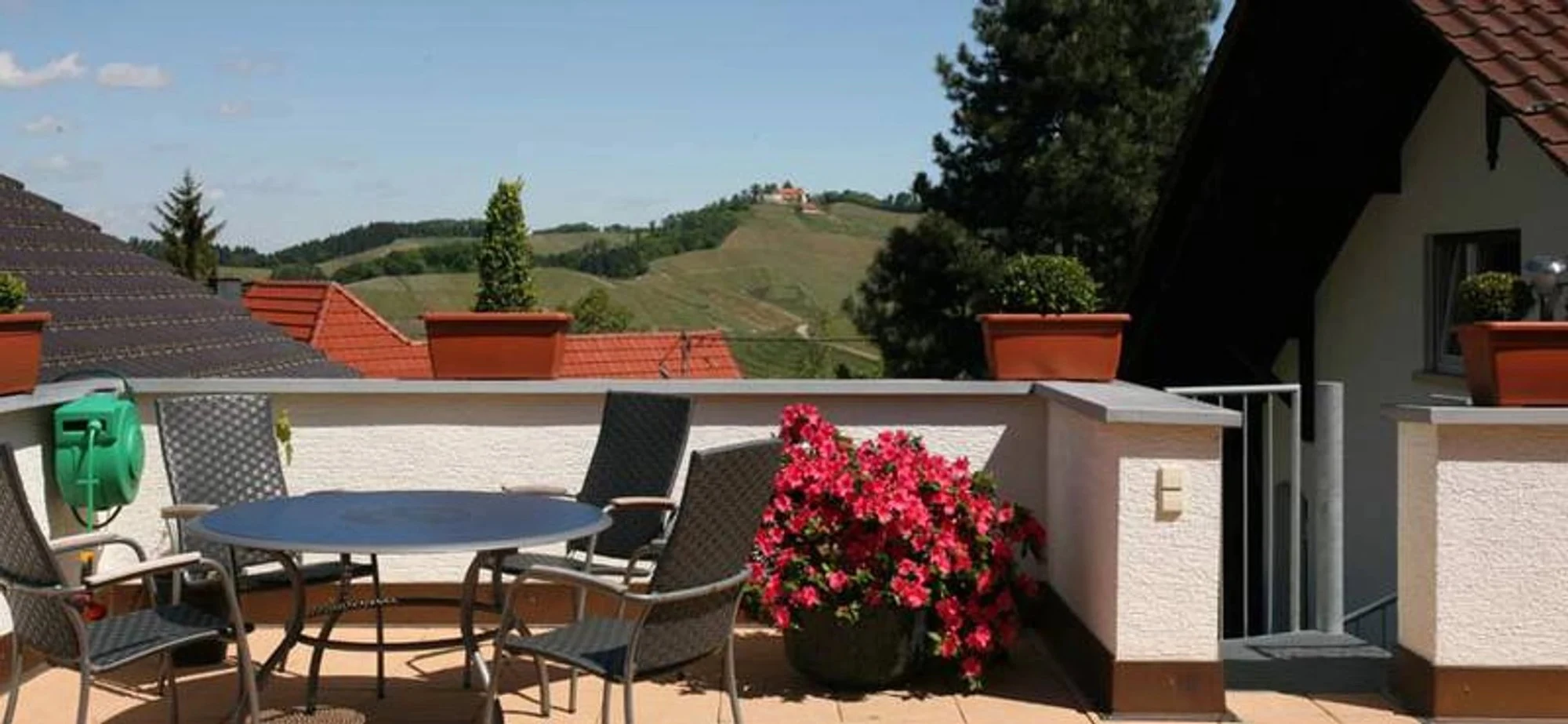
Approaching wine in Durbach means paying attention to place as much as to the label. Schwarzwald.Wein.Gut. Andreas Männle is best understood as a family-run vinothek and winery: rooted in a long-standing estate tradition, but presented with a modern touch that makes the visit feel considered rather than purely functional. In that sense, the appeal begins before any specific bottle is discussed, because the venue’s identity is tied to the way it receives visitors and frames the surrounding wine-country setting.
The room matters here because the strength of the venue is not a specific menu, grape list, tasting format or production statistic. It is the combination of winery setting, family continuity and a vinothek that has been described in the press as one of the most attractive in Germany. For travelers, that makes it a polished yet grounded Durbach wine stop rather than just a place to buy bottles. The emphasis is on a complete impression: the estate context, the hospitality space and the sense that the winery has found a contemporary way to present its tradition.
A Durbach winery framed by its vinothek
The most reliable way to describe Schwarzwald.Wein.Gut. Andreas Männle is as a family-run winery with a vinothek at the center of the visitor experience. The tone is classic, scenic, cozy and rustic, with enough sophistication to feel modern without losing the sense of estate tradition. That balance is important: the venue does not need to be treated as either purely old-world or sharply contemporary, because its character sits between those poles.
Grounded appeal is broader and simpler: a Durbach winery visit in a well-regarded, attractive vinothek setting. The point is not to overcomplicate the stop with expectations that are not stated, but to recognize what is clearly present: a family-run estate environment, a polished visitor-facing room and a setting that makes the experience feel more deliberate than transactional.
That restraint is useful for planning. Rather than arriving with expectations built around labels, scores or accolades, visitors can frame the stop around atmosphere, wine-country context and the character of a family-run estate. It is the kind of place to consider when the goal is to understand Durbach through a winery that puts its vinothek forward as part of the visit, not merely as a background detail.
A Durbach vinothek with a modern touch
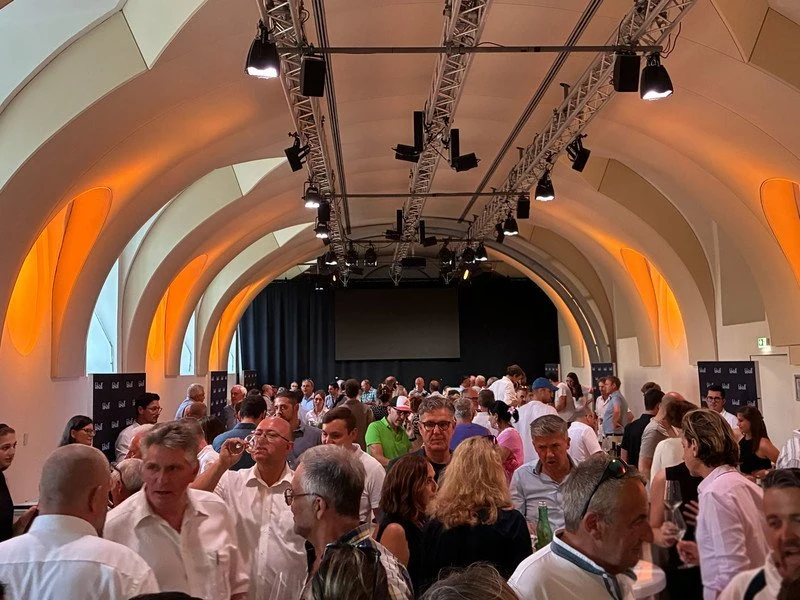
The strongest hospitality signal is the vinothek itself. Press has described it as one of Germany’s most attractive examples of the form, and that matters because it gives the estate a clear identity for visitors: not only a winery, but a place where the setting is part of the experience. A vinothek can be easy to reduce to a practical function, yet here it is better understood as the lens through which the winery presents itself.
The atmosphere is classic, scenic, cozy, rustic and sophisticated. That mix is the safest way to understand the venue’s style: traditional in its estate roots, but not old-fashioned in presentation. It suits travelers looking for a calm Durbach wine stop with a more polished frame than a plain sales counter. The modern touch does not erase the rustic and cozy qualities; instead, it gives them a cleaner and more considered hospitality shape.
For those practical details, visitors should check the venue directly before planning around a specific time or service. That is especially important because the most dependable description here is about character and setting, not a fixed menu, tasting structure or list of confirmed services. Planning with that distinction in mind helps keep expectations accurate.
For a Durbach itinerary, Schwarzwald.Wein.Gut. Andreas Männle is most compelling as a place-led winery and vinothek visit. The draw is the combination of family-run character, long estate tradition and a modern hospitality setting. It is strongest when treated as an atmospheric stop, where the room, the estate identity and the surrounding sense of Durbach all contribute to the experience.
How to place it in a Durbach wine day
The practical decision is less about chasing rarity than choosing the right rhythm. Schwarzwald.Wein.Gut. Andreas Männle works well as a scenic, family-run winery stop within a broader Durbach plan, especially for travelers who value atmosphere and a well-presented vinothek. It can fit naturally into a day that is paced around place and mood rather than a checklist of specific wines or tightly scheduled tastings.
For broader local context, consider other dining and wine options in Durbach generically, then use Schwarzwald.Wein.Gut. Andreas Männle as the anchor if you want a classic, cozy and sophisticated winery setting. Keep the plan flexible unless you have confirmed current hours, tasting availability and any visit requirements directly with the venue. With that practical caution in place, the venue’s role is clear: a polished but grounded Durbach stop where family continuity, estate atmosphere and a notably attractive vinothek define the visit.
Questions
Frequently asked
How expensive is Schwarzwald.Wein.Gut. Andreas Männle?
Schwarzwald.Wein.Gut. Andreas Männle is listed at a price level of $$.
The field
How it compares
| Place | Notes |
|---|---|
| Schwarzwald.Wein.Gut. Andreas Männle | Ortenau winegrowing district, $$ |
| Heinrich Männle | Durbach |
| Hofgut Wörner | Durbach |
| Weingut - Weinhaus Schwörer Inh. Josef Rohrer | Durbach |
| Weingut Andreas Laible | Durbach |
| Weingut Danner | Durbach |
| Winzerhof Alfred Huber | Durbach |