Seizan
In Residence
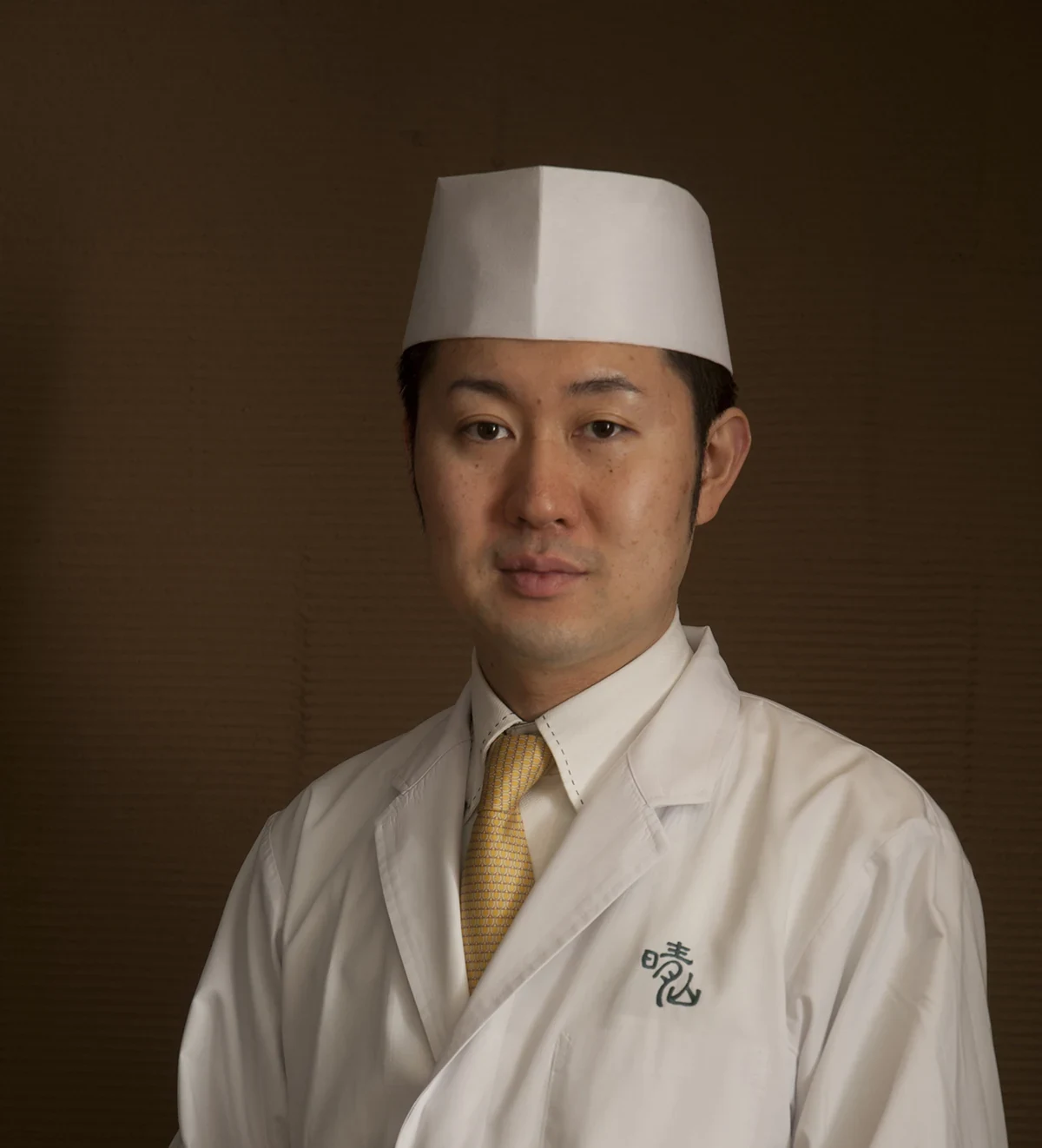
Haruhiko Yamamoto
Chef
- 01CuisineModern Kaiseki
- 02CityTokyo, Japan
- 03RecognitionTwo Michelin Stars
- 2 Michelin Stars · Michelin Guide
- Tabelog Silver #120: 4.5pts · 2026
- La Liste Top Restaurants: 94pts · 2026
- Opinionated About Dining Top Restaurants in Japan Ranked #85 · 2026
- Michelin 2 Stars · 2026
- Michelin 2 Stars · 2025
- Tabelog Gold · 2025
- Tabelog 100 #53: 4.5pts · 2025
- La Liste Top Restaurants: 94.5pts · 2025
- Opinionated About Dining Top Restaurants in Japan Ranked #95 · 2025
- Michelin 2 Stars · 2024
- Opinionated About Dining Top Restaurants in Japan Ranked #81 · 2024
- Opinionated About Dining Top Restaurants in Japan Ranked #79 · 2023
Kaiseki in Mita: Where the Ritual Carries More Weight Than the Room
Tokyo's kaiseki tier has consolidated around a relatively small number of counters where the full grammar of the form, seasonal produce, wansashi, the arc of a multi-course progression, is delivered with the consistency that repeated awards recognition demands. Since opening on 20 June 2011, Seizan in Mita, Minato-ku has accumulated one of the more durable award records in the city: Tabelog Silver from 2017 through 2022 and 2026, Tabelog Gold in 2023, 2024, and 2025, selection for the Tabelog Japanese Cuisine Tokyo Top 100 in 2021, 2023, and 2025, two Michelin stars in both 2024 and 2025, a La Liste score of 94 points in 2026 (94.5 in 2025), and placement in the Opinionated About Dining ranking of Japan's leading restaurants at positions 79, 81, and 95 across three consecutive years. That track record, sustained over more than a decade in one of the world's most competitive dining cities, is the primary reason the room commands JPY 40,000 to 49,999 per head.
The Architecture of a Kaiseki Meal
Kaiseki is among the most codified dining formats in the world. Its structure, sakizuke, hassun, yakimono, rice course and so on, was established in the tradition of Kyoto tea ceremony dining and has been interpreted, adapted, and debated by practitioners for generations. What separates the leading Tokyo kaiseki counters from one another is not usually the format itself but the chef's relationship to its internal tensions: when to defer entirely to classical sequence and when to introduce a dish that shifts the register. At Seizan, that tension is most visible in the treatment of wansashi, the pairing of sashimi and clear soup that many practitioners consider the technical and philosophical core of Japanese cuisine. Yamamoto's approach to this element is explicitly traditional: the broth is a measure of the kitchen's precision, the fish selection a statement of seasonal sourcing, and neither is where the evening's more contemporary impulses surface. Those impulses appear elsewhere in the progression, giving the meal a rhythm that alternates between grounding restraint and more unexpected moments, a structure that keeps a 26-seat room consistently booked without departing from the form's fundamentals.
The Sunday letter
Find new places through the people who run them.
Our Sunday email brings you the chefs, winemakers and hoteliers behind our newest stories. See a sample before you subscribe.
See a sample of the Sunday emailOne email a week. Unsubscribe from any issue.
Peer kaiseki counters in Tokyo operate at similar price points and comparable award levels. RyuGin represents the more technique-forward end of the spectrum, applying modern cooking methods to seasonal Japanese ingredients. Kanda and Kohaku sit in the same price bracket with their own readings of classical form. In Ginza, Ginza Kojyu and Ginza Shinohara operate as reference points for how the neighbourhood's premium Japanese dining addresses the same formal tradition. Seizan's particular position in this comparable set is a commitment to the classical sequence as load-bearing structure, with innovation contained within individual courses rather than applied to the overall architecture of the meal.
The Pacing and Etiquette of an Evening Here
The room seats 26 across counter, sofa, and semi-private configurations, operating Tuesday through Friday from 17:30 to 23:00, with an additional Saturday lunch service from 12:00 to 14:00. Last seating for dinner is at 20:30. These parameters are operationally significant: the format is course-driven, and arriving more than 30 minutes after the reserved time means the kitchen serves only from that point forward. Leaving before the course progression completes will result in courses being omitted. The venue states this clearly, and it reflects a broader convention among serious kaiseki practitioners that the meal's coherence depends on the table moving through it in sequence.
The cancellation policy is equally unambiguous: 100% of the meal cost is charged from two days before the reservation date. At JPY 40,000 to 49,999 per head before the 10% service charge, that represents a meaningful commitment. Dietary restrictions involving raw foods, fish, meat, or vegetables cannot be accommodated, a constraint that sits logically with a kaiseki format built on seasonal Japanese produce, but one that prospective diners should weigh before booking.
Reservations are accepted only by phone, Tuesday through Friday between 15:00 and 17:00, or through Pocket Concierge, which holds a formal contract with the restaurant. The venue has explicitly stated it does not accept bookings via Peccotter, Auto Reserve, Gourmet Reserve, or comparable agency services, and will cancel reservations discovered to have been made through those channels. For international travellers, Pocket Concierge is the more accessible path. Dress code is informal in direction: avoid excessively casual clothing, and note that strong perfume is grounds for refusal of entry, a house rule that reflects the attention given to the sensory environment of the meal itself.
The Room and the Drink List
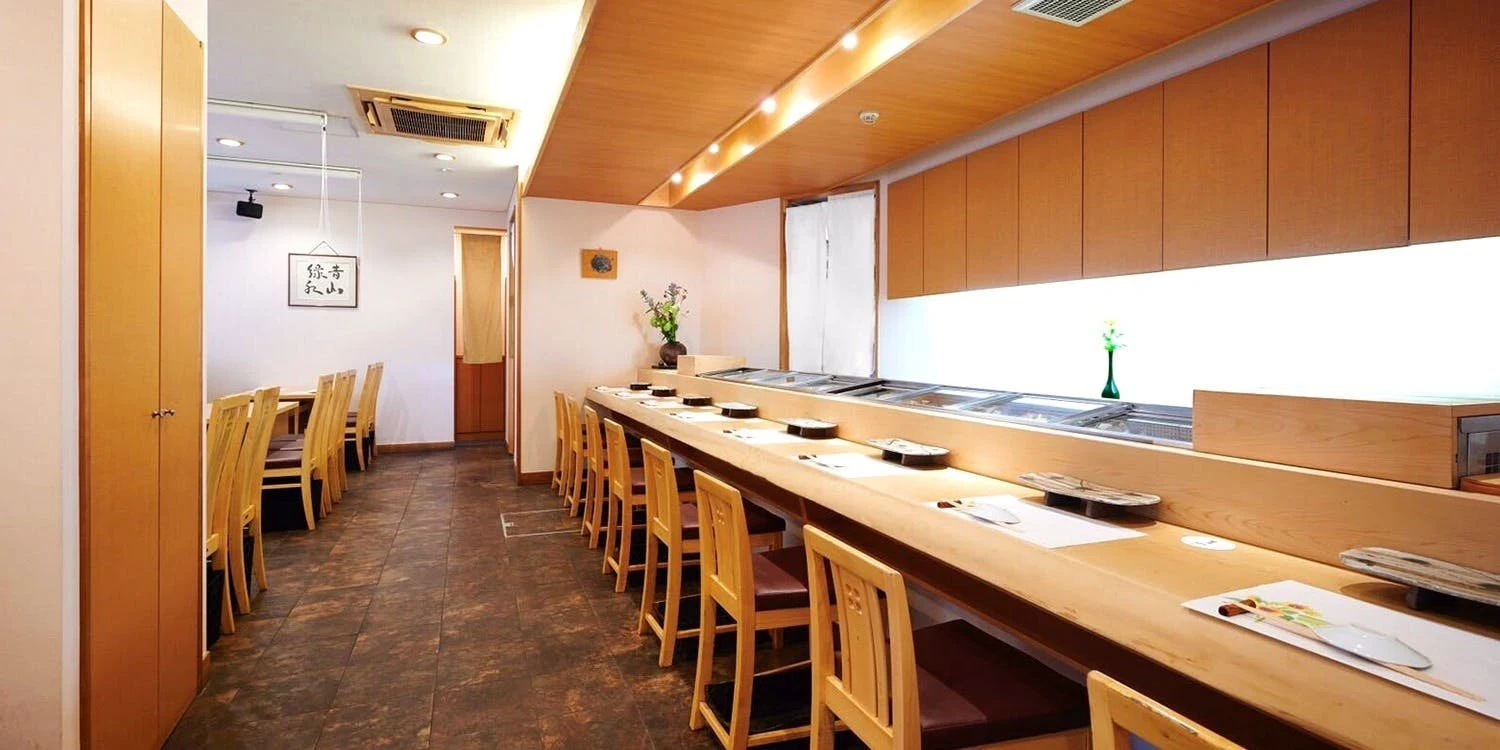
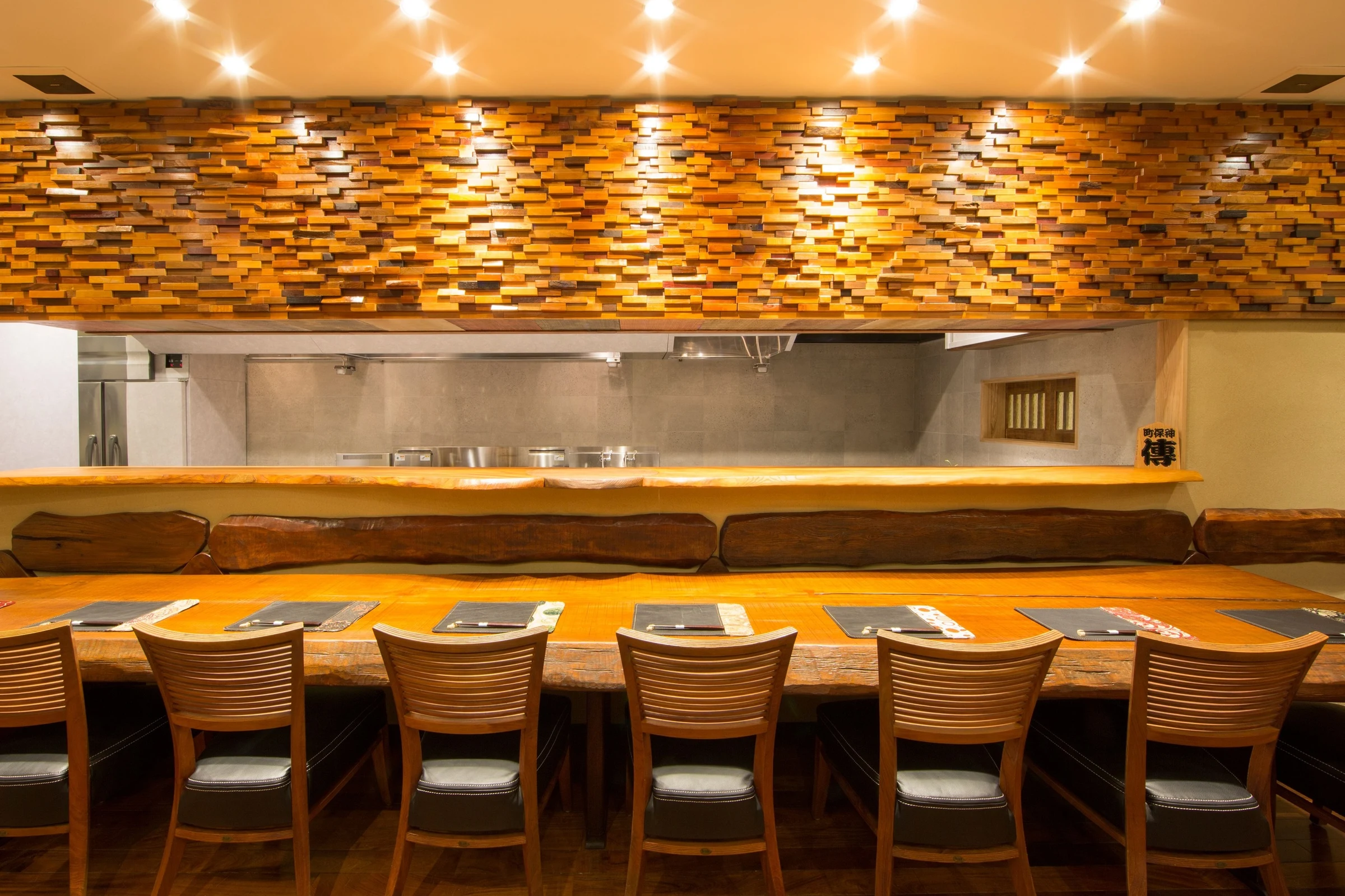
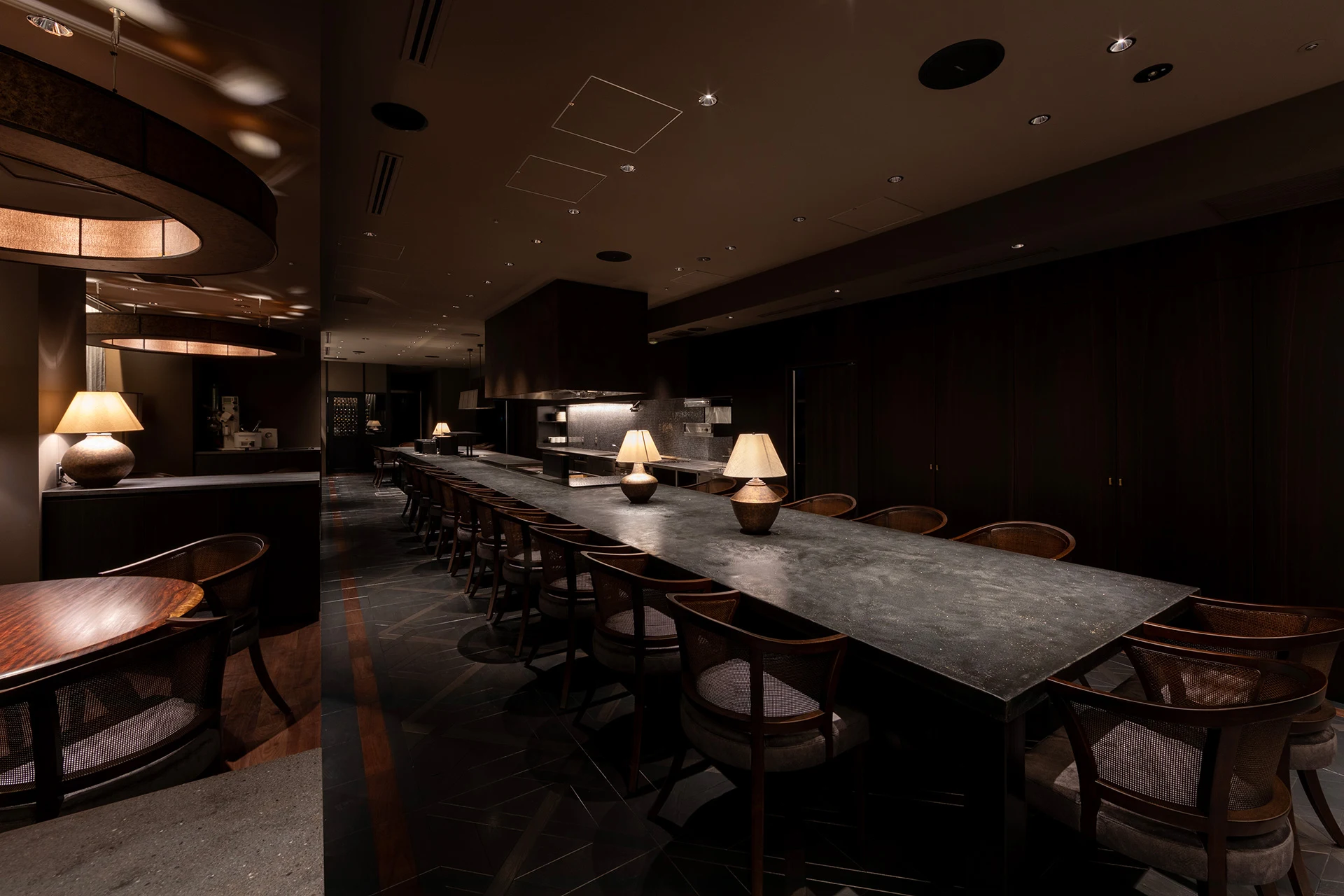
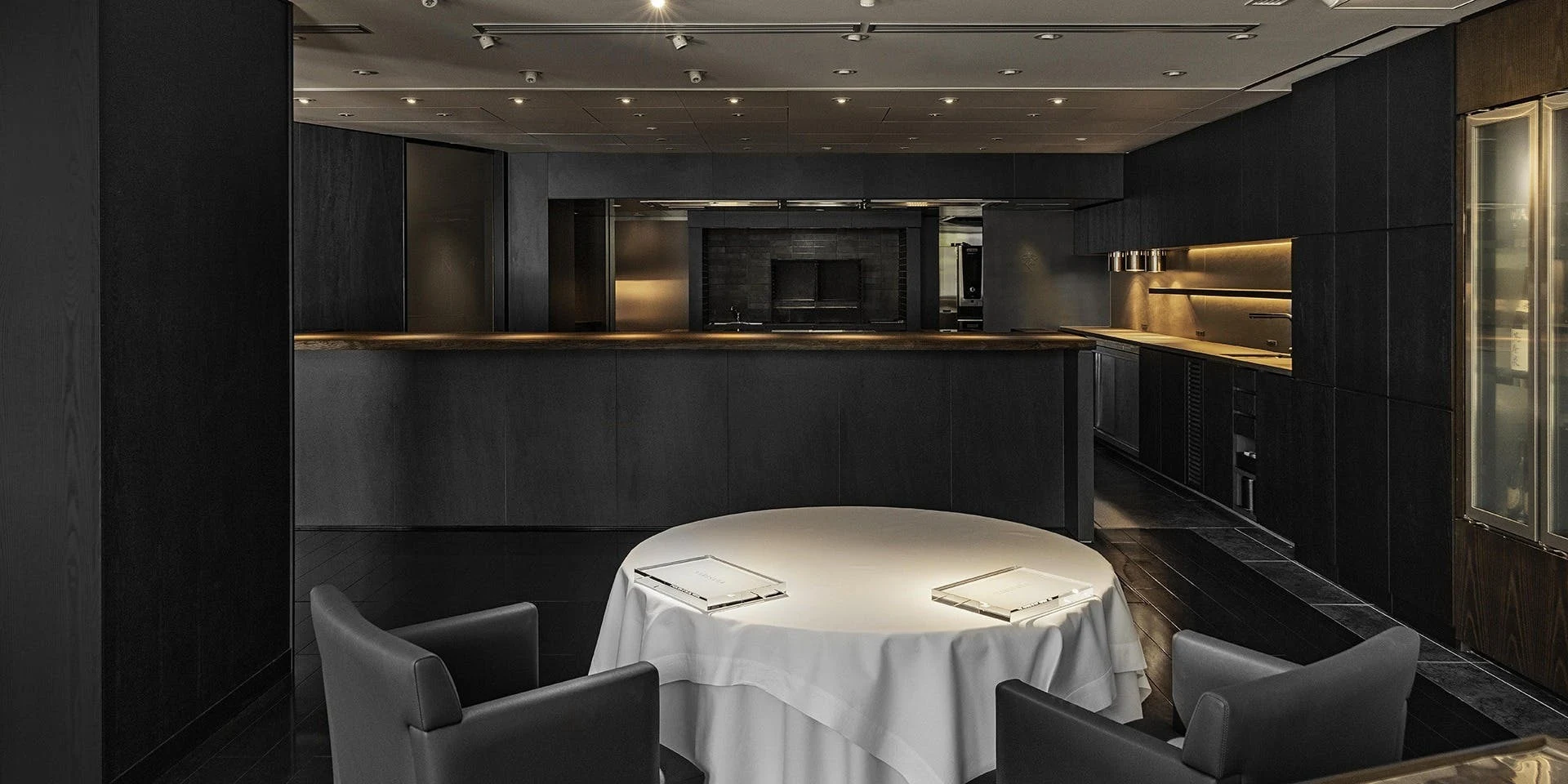
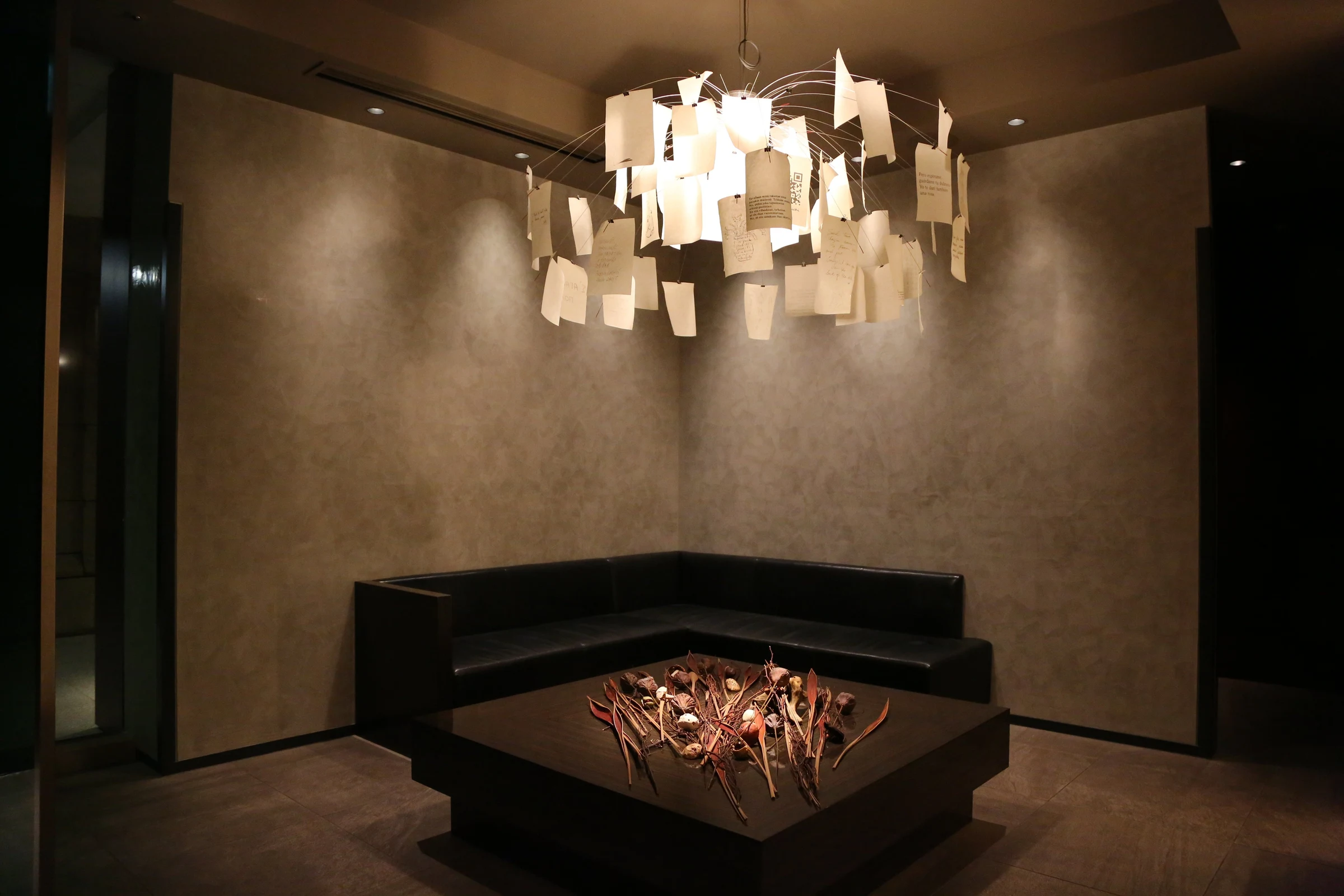
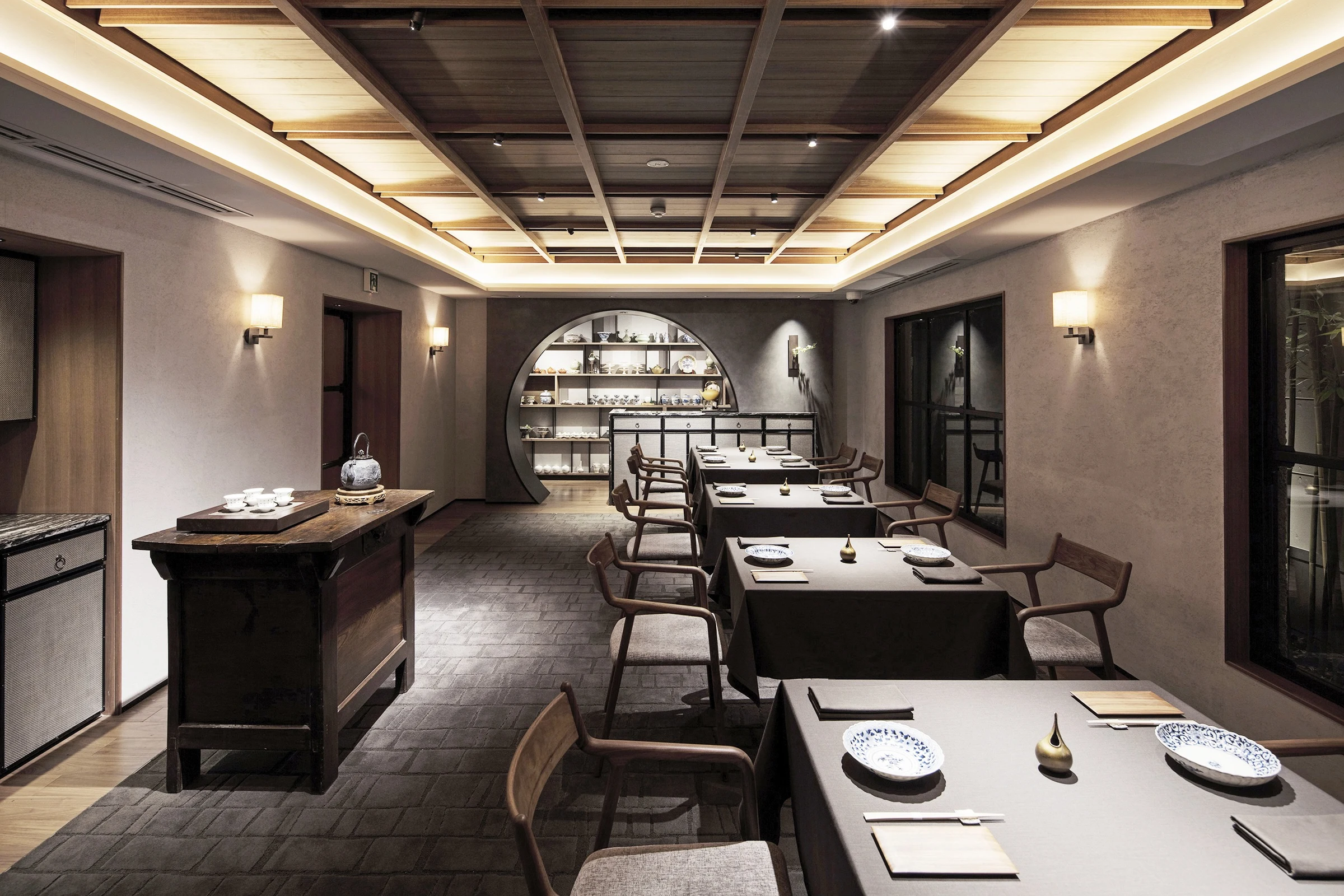
The basement location in the Grande Mita building in Minato-ku places Seizan roughly 10 minutes on foot from both JR Tamachi Station and Shirokane Takanawa Station, and about 12 minutes from Azabu-Juban Station Exit 2. The space is described as stylish and relaxed with counter and sofa seating; semi-private configurations are available, and the room can be taken for private use. The drink list runs to sake, shochu, and wine. BYO is permitted at a corkage fee of JPY 5,000 per bottle excluding tax, with whiskey and one-shaku sake bottles excluded from the BYO policy. Children aged 10 and over are welcome.
How Seizan Sits in the Broader Japanese Dining Map
The kaiseki tradition is, by definition, a conversation between Tokyo and Kyoto. The form's grammar was written in Kyoto, where Hyotei and Kikunoi Honten represent the custodial pole of the tradition. Tokyo kaiseki counters operate in a different commercial context: higher real estate costs, a more internationally diverse clientele, and a dining culture that tends to reward individual interpretation rather than institutional continuity. Seizan opened in 2011 into a period when Tokyo's kaiseki tier was being reshaped by a new generation of chefs trained outside the capital's established houses. Chef Haruhiko Yamamoto trained in Gifu, a formative geography that sits between Kyoto's classical influence and the modernising pressures of urban Japan, and the restaurant's name draws from the kanji characters of his own name, a personal signature embedded in the brand from the beginning.
Beyond Tokyo, Japan's kaiseki and high-end Japanese dining map continues to expand in range. Gion Sasaki in Kyoto occupies the tradition's spiritual home. HAJIME in Osaka applies rigorous technique to the format. Goh in Fukuoka, akordu in Nara, 1000 in Yokohama, and 6 in Okinawa each represent the regional diversity within Japan's premium dining category. Seizan's Tabelog score of 4.50 and its consistent Michelin two-star status position it clearly within the upper bracket of the Tokyo subset, rather than at the entry tier of the wider national conversation.
For those planning a Tokyo trip around dining, our full Tokyo restaurants guide maps the full range. If accommodation, nightlife, or broader cultural programming are part of the plan, see also our Tokyo hotels guide, our Tokyo bars guide, our Tokyo wineries guide, and our Tokyo experiences guide.
Planning Your Visit
| Detail | Seizan | RyuGin (peer reference) | Ginza Kojyu (peer reference) |
|---|---|---|---|
| Price per head | JPY 40,000 to 49,999 | ¥¥¥¥ | ¥¥¥¥ |
| Michelin stars (2025) | 2 | 3 | 1 |
| Seats | 26 | Not disclosed | Not disclosed |
| Booking method | Phone (Tue–Fri, 15:00 to 17:00) or Pocket Concierge | Venue direct or concierge | Venue direct or concierge |
| Cancellation policy | 100% from 2 days prior | Varies | Varies |
| Service charge | 10% | Varies | Varies |
| Dietary restrictions | Cannot accommodate raw food, fish, meat, or vegetable restrictions | Consult venue | Consult venue |
Questions
Frequently asked
What recognition does Seizan hold?
Seizan holds 2 Michelin stars.
Who works at Seizan?
Made By profiles Haruhiko Yamamoto (Chef) at Seizan.
How expensive is Seizan?
Seizan is listed at a price level of $$$$.
Where is Seizan and what does it serve?
Seizan is in Chūō, Tokyo, serving Modern Kaiseki.
The field
How it compares
| Place | Awards | Cuisine | Notes |
|---|---|---|---|
| Seizan | Michelin 2 Stars | Modern Kaiseki | Chūō, $$$$ |
| Den | Michelin 2 Stars, World's 50 Best | Modern Japanese Kaiseki | Tokyo |
| Florilège | Michelin 2 Stars, World's 50 Best | Modern French-Japanese Plant-Based Fine Dining | Tokyo |
| Narisawa | Michelin 2 Stars, World's 50 Best | Modern Japanese Satoyama Fine Dining | Tokyo |
| Quintessence | Michelin 3 Stars | Modern French Fine Dining | Tokyo |
| Sazenka | Michelin 3 Stars, World's 50 Best | Modern Chinese Fine Dining | Tokyo |
| Sézanne | Michelin 3 Stars, World's 50 Best | Modern French Fine Dining | Tokyo |
In residence
Similar places
Modern Japanese Kaiseki
Den
Tokyo, Japan
★★ · 50 Best
Modern French-Japanese Plant-Based Fine Dining
Florilège
Tokyo, Japan
★★ · 50 Best
Modern Japanese Satoyama Fine Dining
Narisawa
Tokyo, Japan
★★ · 50 Best
Modern French Fine Dining
Quintessence
Tokyo, Japan
★★★
Modern Chinese Fine Dining
Sazenka
Tokyo, Japan
★★★ · 50 Best
Modern French Fine Dining
Sézanne
Tokyo, Japan
★★★ · 50 Best
The Sunday letter
Get the next Made By story in your inbox.
We send one email every Sunday morning with the places and people we covered that week.
See a sample of the Sunday emailOne email a week. Unsubscribe from any issue.