Sella & Mosca
- 01CityAlghero, Italy
- Falstaff Winery - 3 Stars · 2026
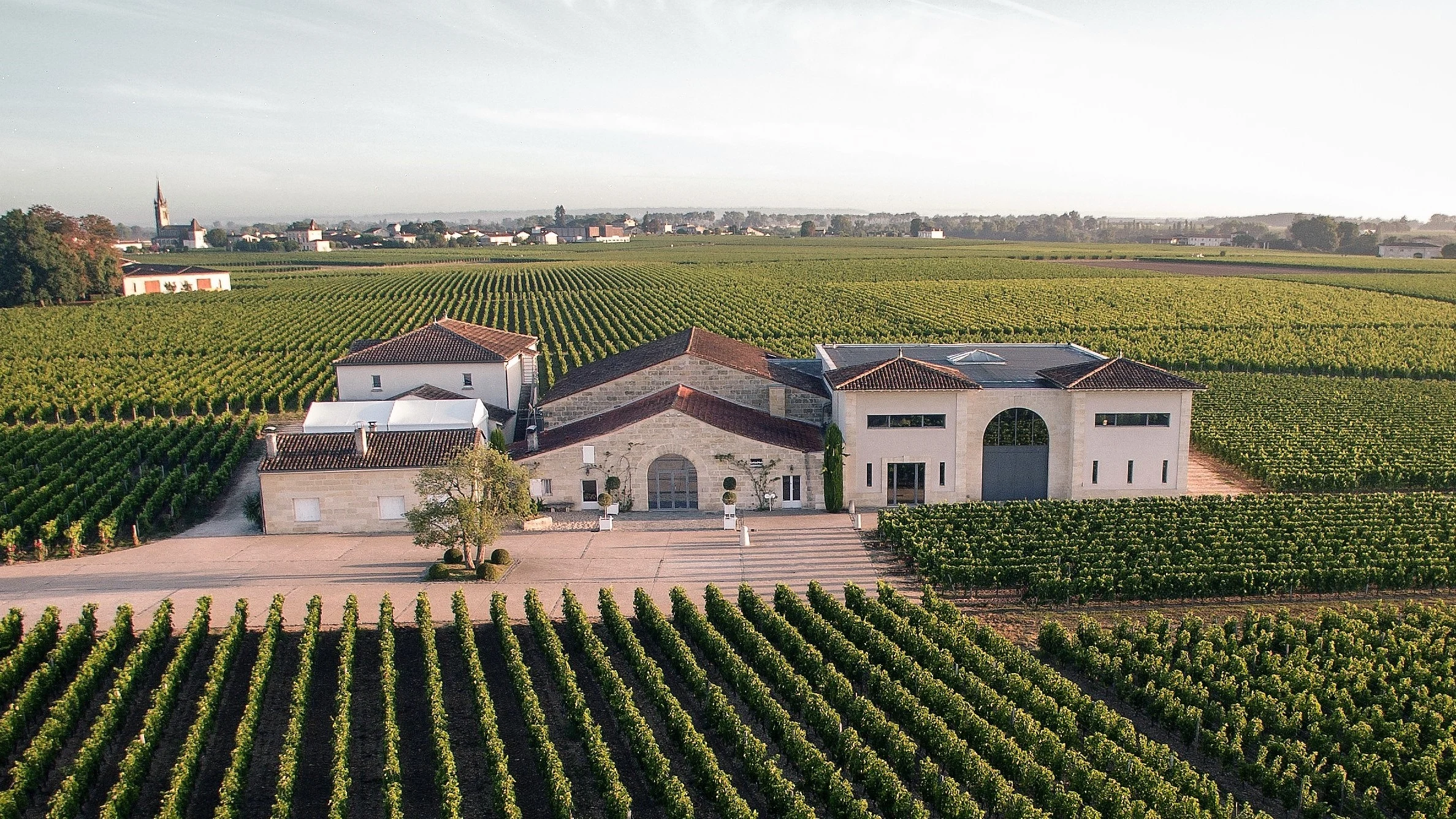
Approaching a large Sardinian wine estate changes the rhythm of a tasting before the first pour. The point is not just a counter, a flight, and a retail shelf; it is the sightline of vineyards, heritage buildings, and working agricultural infrastructure that makes wine feel tied to land use rather than lifestyle decoration. In Alghero, that distinction matters. The city’s wine identity is not built on grand châteaux or tiny garage cellars, but on Mediterranean farming, coastal light, limestone and granite conversations, and grape varieties that read as Sardinian before they read as international.
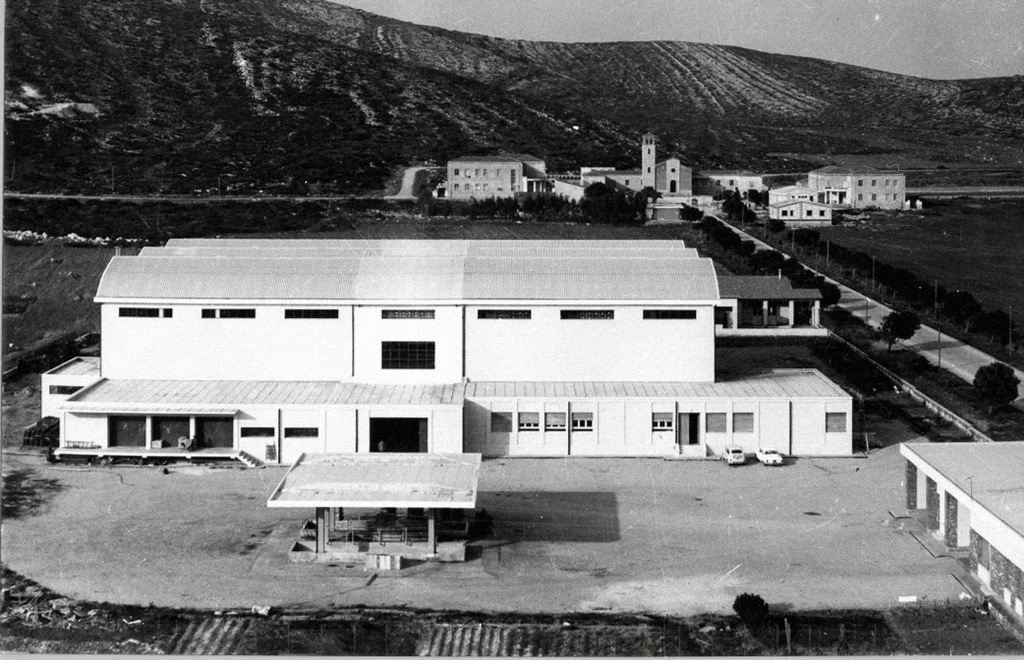
Sella & Mosca belongs to that broader story at institutional scale. Founded in 1899, the estate grew from a land-reclamation project into one of Europe’s largest wine properties, with vineyards, winery buildings, workers’ housing, an elementary school, and a chapel forming part of the estate fabric. That physical breadth gives the visit a different register from a boutique tasting room. It is a lesson in how Sardinian wine became organized, cultivated, and exported without losing its native grape vocabulary.
Alghero terroir told through native grapes, not a single flagship bottle
Sardinia rewards producers that resist flattening the island into one easy style. The compelling thread here is range: Vermentino, Cannonau, Torbato, and Carignano each carry a different part of the island’s argument. Vermentino connects naturally to coastal brightness and, in Gallura, to granite and Mediterranean scrub. Cannonau gives the red-wine side its Sardinian anchor. Carignano brings Sulcis into the frame, with sand-and-sea associations that place it apart from the island’s inland reds. Torbato, closely tied to Alghero, is the more local signal, especially when it appears across still and sparkling formats.
The portfolio moves across Alghero DOC, Sardinia DOC, Vermentino di Gallura DOCG, and Carignano del Sulcis DOC expressions, so the estate reads less like a single-vineyard thesis and more like a regional atlas. That is its editorial value for travelers: one stop can explain why Sardinian wine is not reducible to beach-house whites and holiday reds. The presence of reserve bottlings and sparkling Torbato adds hierarchy and stylistic spread, while the estate’s own rootstock grafting and forcing infrastructure points to a level of viticultural control unusual for a casual cellar-door visit.
That breadth also places the estate within the wider Alghero drinking map. Travelers looking at the area’s wine and food culture can pair this scale-led estate visit with nearby producers and agricultural addresses such as Accademia Olearia, Cantina Santa Maria La Palma Alghero, Podere Guardia Grande, Poderi Parpinello, and Vigne Rada. The comparison is not about ranking; it is about understanding how Alghero balances estate history, cooperative culture, smaller vineyard projects, and olive-oil agriculture within the same coastal economy.
A visit shaped by estate scale and land stewardship
The strongest reason to come is not a named trophy wine or chef-led dining format. It is the way the property turns viticulture into place education. Tours and tastings are part of the public-facing offer, and the experience is framed around estate grounds, historic buildings, vineyard context, and the long work of transforming uncultivated land into productive vineyard. That founding story is more than romance. In a Mediterranean island context, land recovery, vine adaptation, and biodiversity language speak directly to the pressures behind winegrowing: heat, exposure, soil management, and the need to protect agricultural continuity.
The estate’s sustainability position is expressed through environmental protection, biodiversity respect, research, and local knowledge rather than a checklist of certifications. That matters because Sardinian wine tourism can sometimes lean too heavily on scenery; here, the more useful lens is stewardship at scale. A producer working across Alghero, Gallura, and Sulcis has to explain terroir as a network of places. Granite, coastal sand, Mediterranean scrub, native grapes, and reclaimed vineyard land become the vocabulary of the visit.
Hospitality is structured for visitors who want a full estate reading rather than a quick tasting-room stop. The format includes tour-and-tasting experiences, guided tastings, estate tastings, vineyard elements, and historic-building context. The setting works for groups, families, solo exploration, wine education, and special-occasion itineraries, with a casual dress code and a conversational atmosphere. Outdoor seating, garden and vineyard views, on-site parking, step-free access, wheelchair accessibility, and Italian and English tour languages make it more accessible than many rural cellar visits. Food pairing is not the central proposition; the wine, land, and estate architecture carry the experience.
How to place it within an Alghero itinerary
Alghero’s appeal is strongest when wine is treated as part of the city’s daily geography rather than an isolated excursion. A tasting here can sit alongside seafood meals, aperitivo, beach time, and inland drives, but it deserves more time than a perfunctory stop. The listed tour duration is two to three hours, which is the right signal: this is a half-day wine experience, not a walk-in glass before lunch.
The estate works especially well as the anchor for travelers building a wine-first day around Alghero. For broader planning, use Our full Alghero wineries guide to map cellar visits, then cross-reference meals through Our full Alghero restaurants guide, stays through Our full Alghero hotels guide, drinks through Our full Alghero bars guide, and regional activities through Our full Alghero experiences guide. Travelers extending the wine route beyond Sardinia can also compare how scale, appellation, and hospitality differ at 3GP SRL in Treviso, 47 Anno Domini in Trebaseleghe, A Mano Wine in Noci, »der Steiner« Hans Steiner in Podersdorf am See, and & Handwein in Mannheim.
The critical takeaway is simple: Sella & Mosca is strongest as a terroir primer for Sardinia at scale. It gives Alghero a wine estate with historical weight, native-grape breadth, and a landscape-led tasting format. Travelers seeking tiny-cellar intimacy may prefer a smaller producer on another stop, but anyone trying to understand how Sardinian varieties, reclaimed land, and regional subzones connect will find the estate useful, structured, and unusually complete.
Questions
Frequently asked
How expensive is Sella & Mosca?
Sella & Mosca is listed at a price level of $$.
The field
How it compares
| Place | Notes |
|---|---|
| Sella & Mosca | I Piani, $$ |
| Accademia Olearia | Alghero |
| Cantina Santa Maria La Palma Alghero | Alghero |
| Château La Conseillante | Pomerol |
| Podere Guardia Grande | Alghero |
| Poderi Parpinello | Alghero |
| Vigne Rada | Alghero |