Shan Hai Nan Yan
- 01CuisineFujianese with Cantonese influences
- 02CityFuzhou, China
- Michelin Bib Gourmand · Michelin Guide
- Michelin Bib Gourmand · 2026
- Michelin Bib Gourmand · 2025
- Michelin Bib Gourmand · 2024
A Restored Quarter, a Particular Kitchen
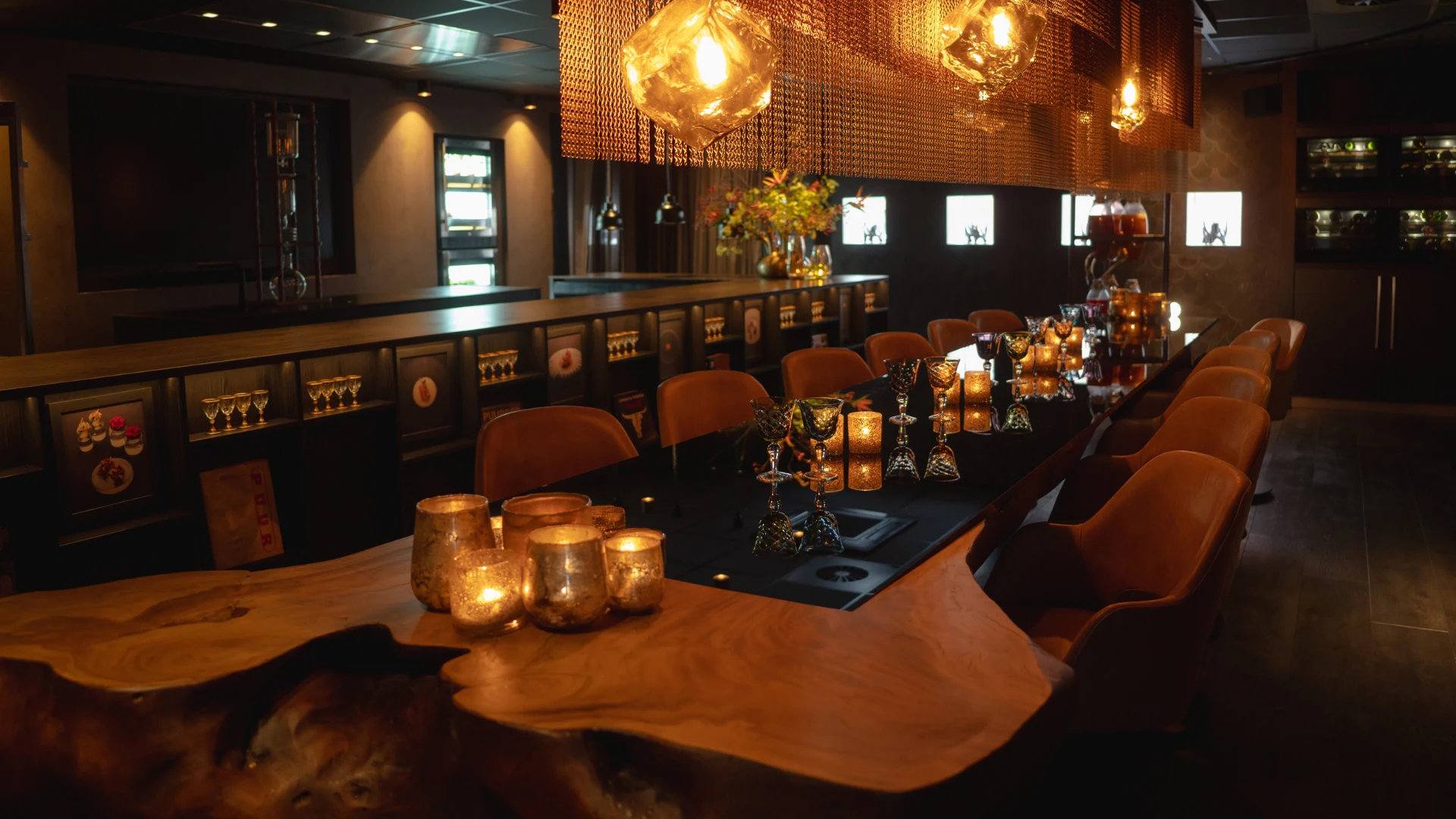
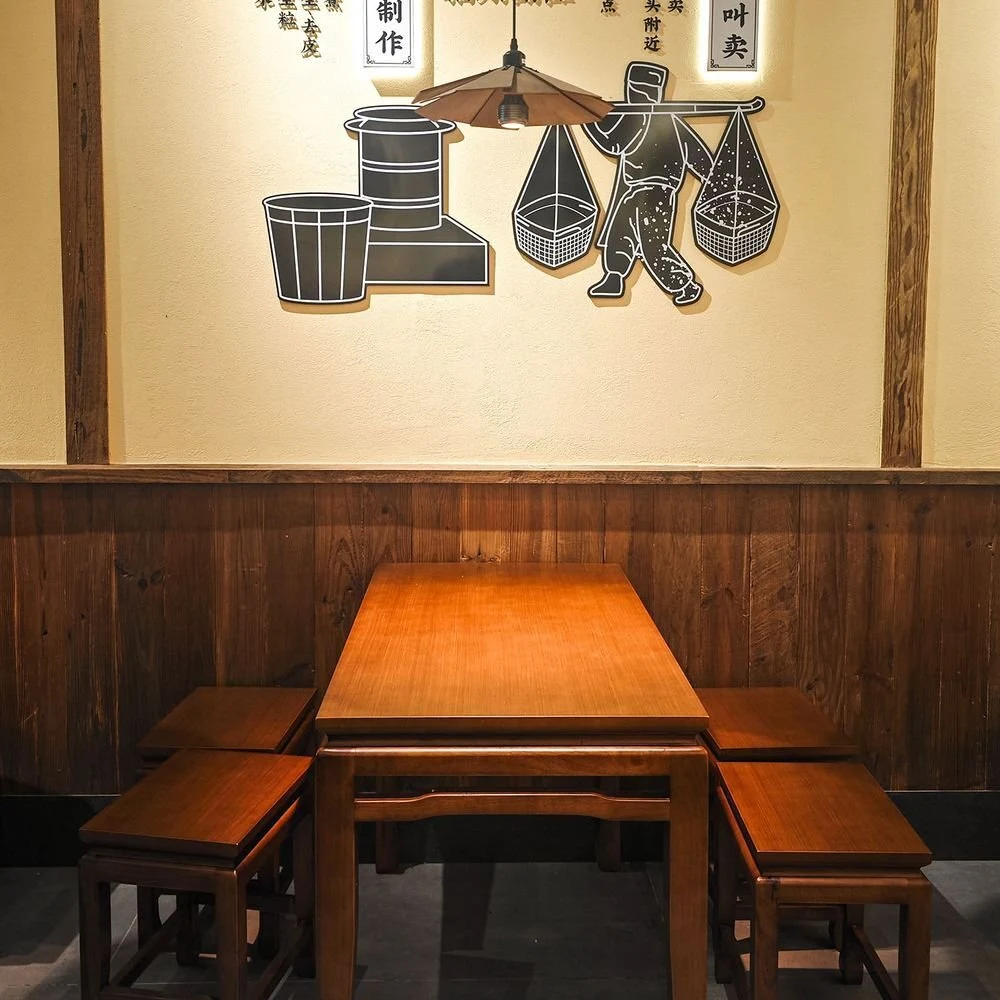
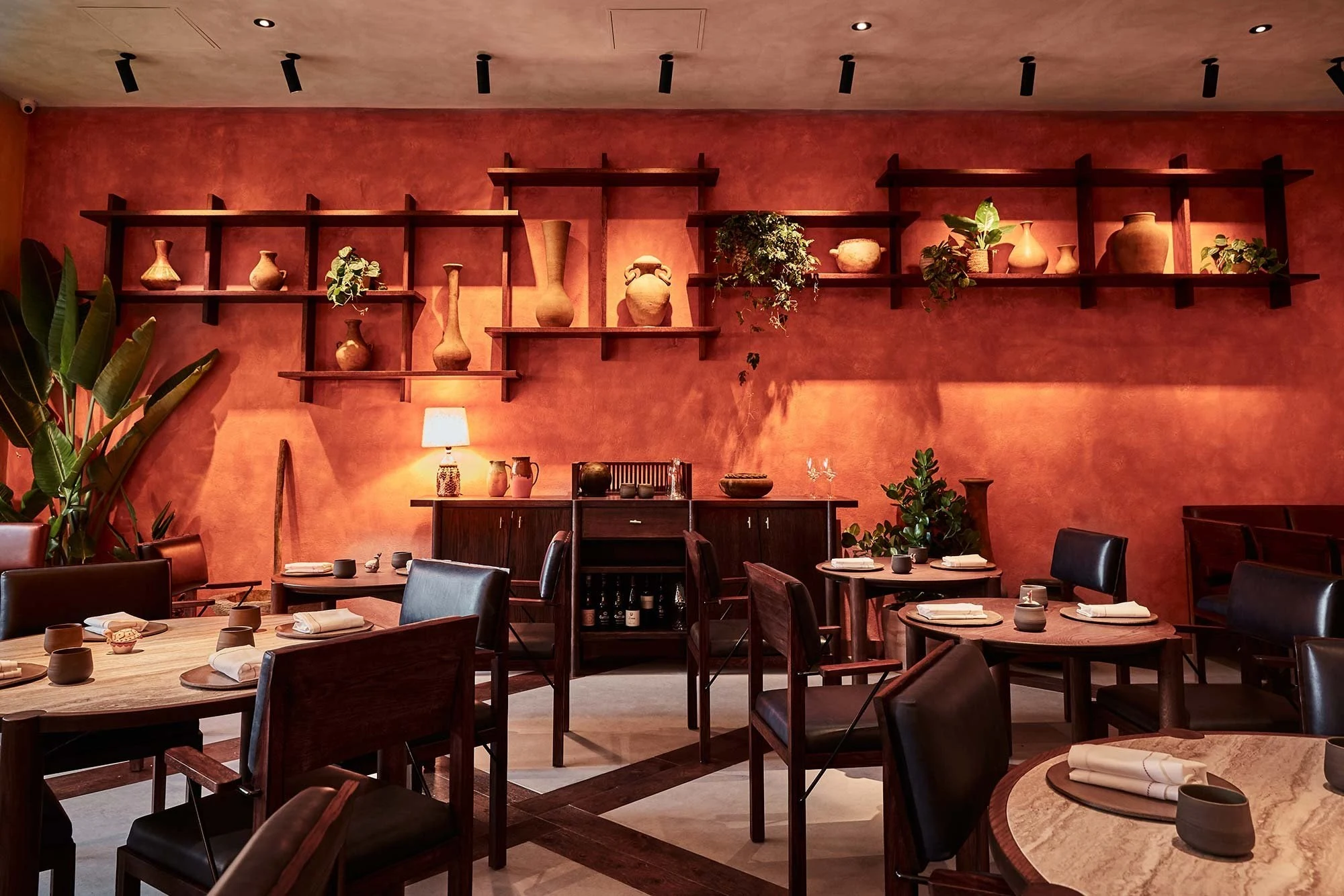
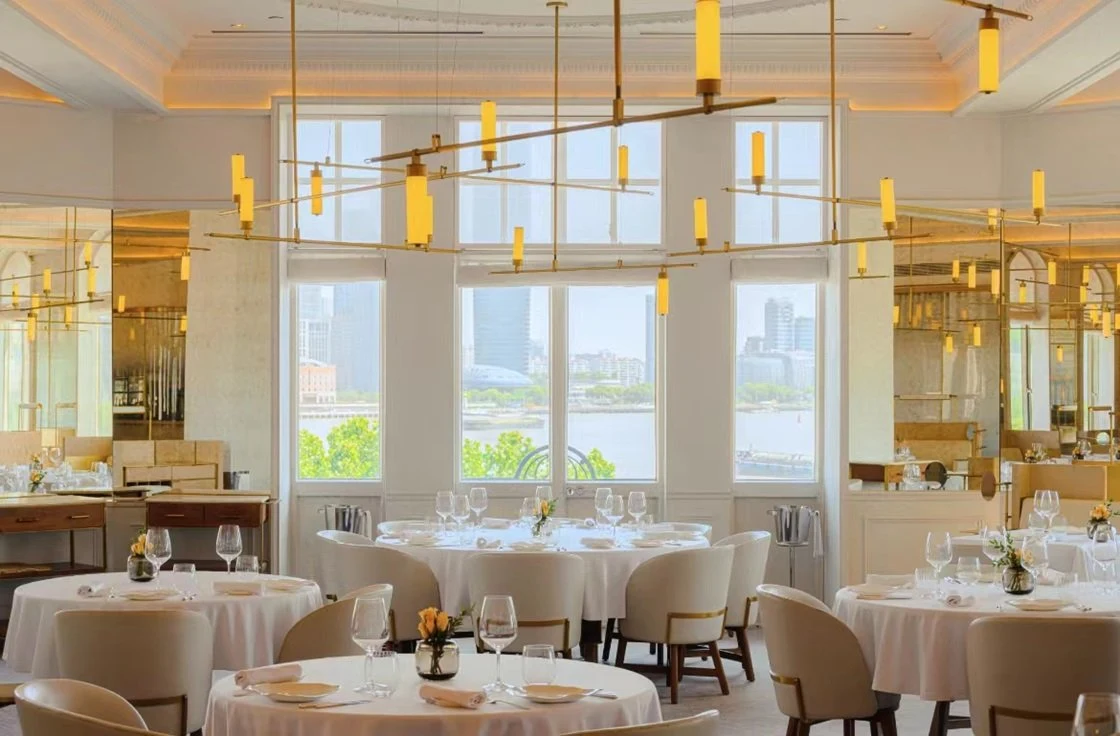
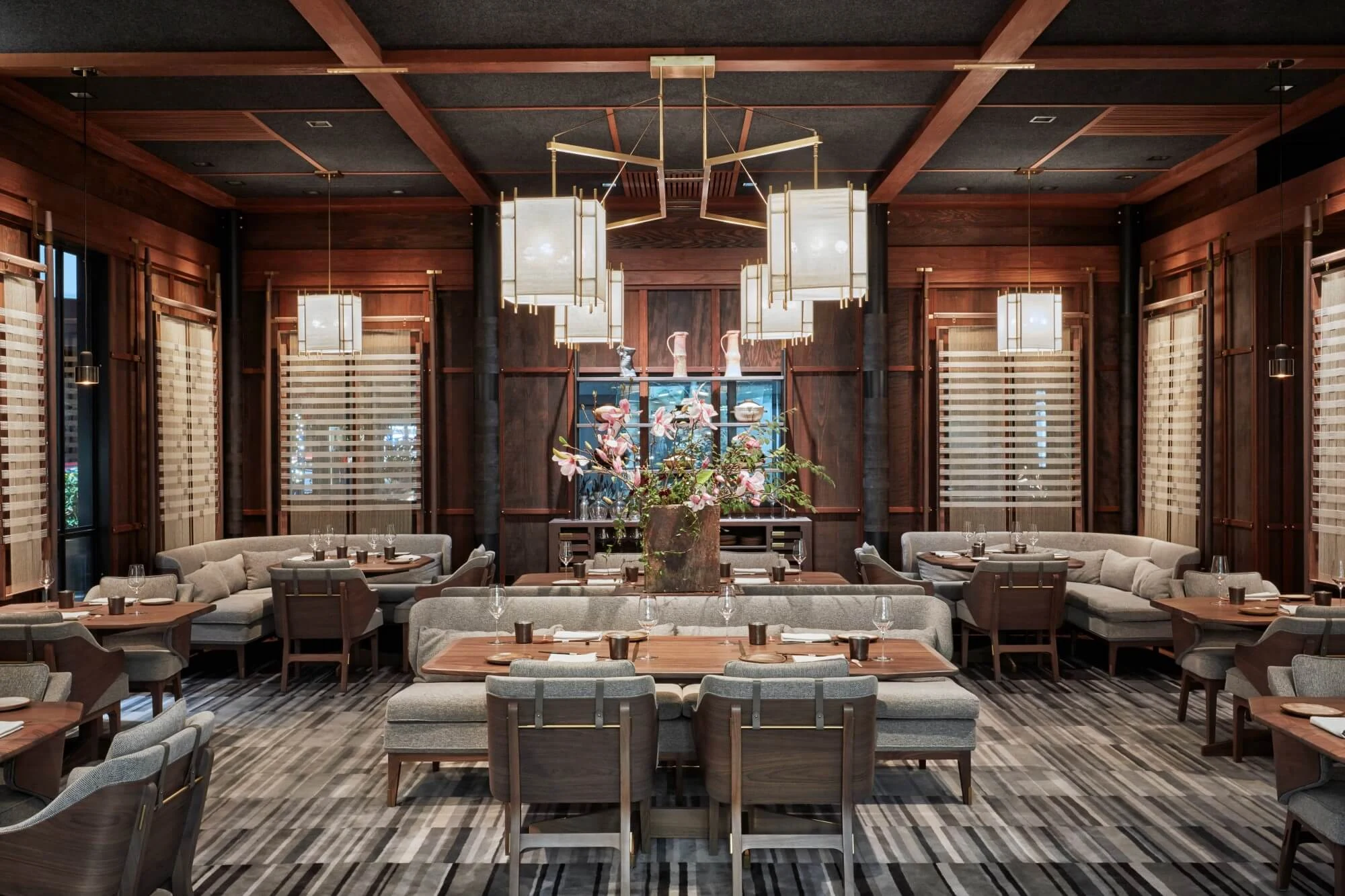
Fuzhou's Shangxiahang Historical District is one of those rare urban zones where heritage preservation and working commerce coexist without either side looking forced. The lanes around the Yongde Guild Hall hold late-Qing merchant architecture alongside tea houses and small restaurants, and it is into this fabric that Shan Hai Nan Yan fits. The restaurant occupies a group of restored buildings arranged around private rooms, a main dining room, and a tea parlour, a spatial logic that reflects how Fujianese hospitality has traditionally operated: the group meal, the shared pot, the long afternoon of tea after.
That physical setting matters to how the food reads. Fujian cooking is one of the more internally differentiated regional cuisines in China, spanning the light, stock-heavy dishes of Fuzhou itself, the sha cha spice culture of Xiamen, and the fermented and dried ingredient traditions of the interior. A restaurant that situates itself inside a historic district is implicitly making a claim about rootedness, and at Shan Hai Nan Yan the menu follows through: it is predominantly Fujianese, with a handful of Cantonese dishes and a category of original creations that sit alongside the regional canon rather than replacing it.
What the Michelin Recognition Actually Signals
Shan Hai Nan Yan has held the Michelin Bib Gourmand in both 2024 and 2025. The Bib Gourmand designation is worth parsing carefully: it is awarded to restaurants offering food of inspectors' standard at a price point considered accessible relative to the city's dining tier. In Fuzhou, that means the restaurant competes on quality with higher-priced peers while maintaining a ¥¥ price range, which for this city represents mid-market. The back-to-back recognition confirms consistency rather than a single strong year.
For context within Fuzhou's Fujian-cuisine segment, Jing Li sits at the same ¥¥ price tier and the same cuisine category, making the two the closest direct comparators in the market.
Fujian cuisine has been gaining traction across mainland China's major dining cities in recent years, partly through the Minnan diaspora and partly through renewed critical interest in regional cooking. Hokkien Cuisine in Chengdu and Hokklo in Xiamen represent how the same culinary tradition reads in different city contexts, the comparison is instructive for anyone trying to calibrate what Fuzhou-based Fujian cooking offers that its exported versions do not.
The Menu's Register
Two dishes from the kitchen are documented specifically in the Michelin record. The Yongchun white duck soup is described as impressive for its deep herbal aromas, Yongchun being an inland Fujian county with its own preserved ingredient and medicinal food traditions, so the duck soup carries regional specificity rather than generic Chinese herbal-soup character. The Xiamen Sha Cha seafood hot pot with abalone, squid, oysters, and prawns draws on the southern Fujian condiment tradition: sha cha sauce (sometimes compared loosely to satay, though the Minnan version is its own thing, built from dried shrimp, shallots, and brill fish) as the aromatic base for a pot of shellfish. Both dishes sit within recognisable Fujian categories while being tied to specific sub-regional traditions.
The presence of Cantonese options alongside the Fujian core is worth noting. Fuzhou has historically had strong commercial and cultural links with Guangdong, and hybrid menus that acknowledge both traditions are not unusual in the city's more established restaurants.
Planning Around This Restaurant
Shan Hai Nan Yan's address places it at 81 Liuhe Road, Gulou District, the Shangxiahang Historical District sits in central Fuzhou and is walkable from the main commercial areas north of the Min River. The Yongde Guild Hall, which the Michelin record describes as a short walk away, is a useful navigation landmark in a district where map apps sometimes struggle with the lane-level detail of restored heritage blocks.
Reservations are recommended and are usually handled directly with the venue or through local booking platforms. Given the Bib Gourmand status and the private-room format, advance booking is wise. Weekend lunch is likely to require advance planning. The ¥¥ price point means the restaurant draws both local regulars and visiting food travellers, both of whom tend to book ahead.
The multi-room format does create flexibility: the private rooms suit business or family dining, while the main dining room is accessible for smaller groups and individual travellers. The tea parlour adds a dimension that most restaurants in this tier do not offer as an integrated space, it allows the meal to extend naturally rather than ending at the table.
Where Shan Hai Nan Yan Sits in the Wider Scene
Fuzhou's dining scene has several distinct tiers. At the low end, places like Longkushan Eatery represent the everyday Fujianese eating culture, fast, affordable, deeply local. At the mid-tier where Shan Hai Nan Yan operates, the competition includes Wenru No.9 and Fuyuan, both of which address the same market of considered, ingredient-led Fujianese cooking in a setting that matches the food's ambition. Harmony Garden on Xierhuan North Road adds another reference point in the city's formal dining segment.
Across China, Fujian cooking's most prestigious expressions tend to concentrate in coastal cities with historic Minnan or Fuzhou merchant culture. Xin Rong Ji in Beijing and Xin Rong Ji in Chengdu show how the cuisine translates upmarket and northward; 102 House in Shanghai and Ru Yuan in Hangzhou represent how eastern China's high-end regional dining scene has absorbed and refined these traditions. Eating Fujian food in Fuzhou itself, in a restored historic district building with a tea parlour and a Bib Gourmand-recognised kitchen, has an argument for authenticity of context.
Questions
Frequently asked
What recognition does Shan Hai Nan Yan hold?
Shan Hai Nan Yan holds a Michelin Bib Gourmand.
How expensive is Shan Hai Nan Yan?
Shan Hai Nan Yan is listed at a price level of $$.
Where is Shan Hai Nan Yan and what does it serve?
Shan Hai Nan Yan is in Taijiang, Fuzhou, serving Fujianese with Cantonese influences.
The field
How it compares
| Place | Cuisine | Notes | Awards |
|---|---|---|---|
| Shan Hai Nan Yan | Fujianese with Cantonese influences | Taijiang, $$ | · |
| De Librije | Modern Dutch Fine Dining | Zwolle | Michelin 3 Stars, World's 50 Best |
| Jing Li | Modern Fujian Cuisine | Fuzhou | · |
| KOL | Modern Mexican Fine Dining | London | Michelin 1 Star, World's 50 Best |
| Longkushan Eatery | Fujian Home-Style Seafood | Fuzhou | · |
| MAZ | Innovative Peruvian-Japanese Fusion | Tokyo | Michelin 2 Stars, World's 50 Best |
| Single Thread Farm | Japanese-influenced Californian Kaiseki | Healdsburg | Michelin 3 Stars, World's 50 Best |
Similar places
Modern Dutch Fine Dining
De Librije
Zwolle, Netherlands
★★★ · 50 Best
Modern Fujian Cuisine
Jing Li
Fuzhou, China
Modern Mexican Fine Dining
KOL
London, United Kingdom
★ · 50 Best
Fujian Home-Style Seafood
Longkushan Eatery
Fuzhou, China
Innovative Peruvian-Japanese Fusion
MAZ
Tokyo, Japan
★★ · 50 Best
Japanese-influenced Californian Kaiseki
Single Thread Farm
Healdsburg, United States
★★★ · 50 Best