Shannon Vineyards
- 01CityElgin, South Africa

- Falstaff Winery - Listed · 2026
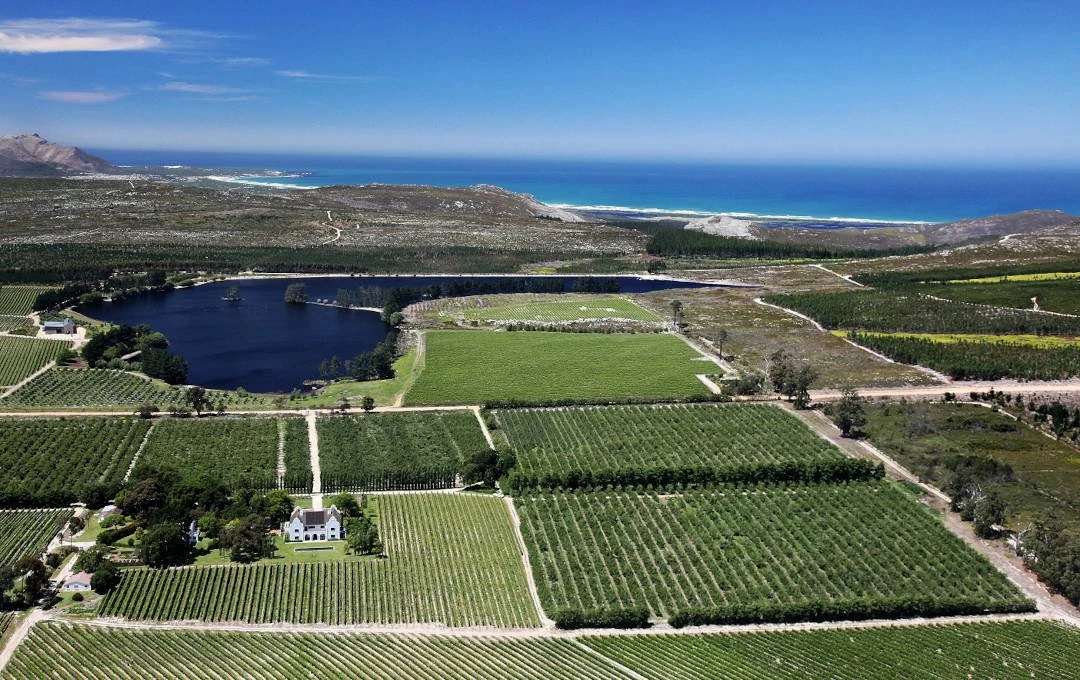
Morning mist is not decorative in Elgin; it is agricultural logic. In the valley’s cooler pockets, night air drains from the mountains, settles over the vines, and slows ripening. Shannon Vineyards builds its identity around that pattern. The Palmiet River forms the estate’s eastern boundary, the vineyards sit above the Peninsula Dam, and mist carries through to the Sauvignon Blanc and Pinot Noir labels. This is terroir without theatrical excess: climate first, cellar second.
Elgin has become one of South Africa’s more persuasive answers for drinkers seeking freshness, line, and restraint from the Cape rather than sheer ripeness. Shannon Vineyards sits firmly in that conversation, with 10 hectares under vine and an estate model that values site specificity over scale. Its varietal frame includes Merlot, Pinot Noir, Chardonnay, Sauvignon Blanc, and Semillon, but the clearest public signal is the cool-climate pairing of Sauvignon Blanc and Pinot Noir. These wines are most closely tied to the estate’s mist narrative and explain why this address matters in Elgin’s broader wine identity.
Mist, river air, and the Elgin argument for restraint
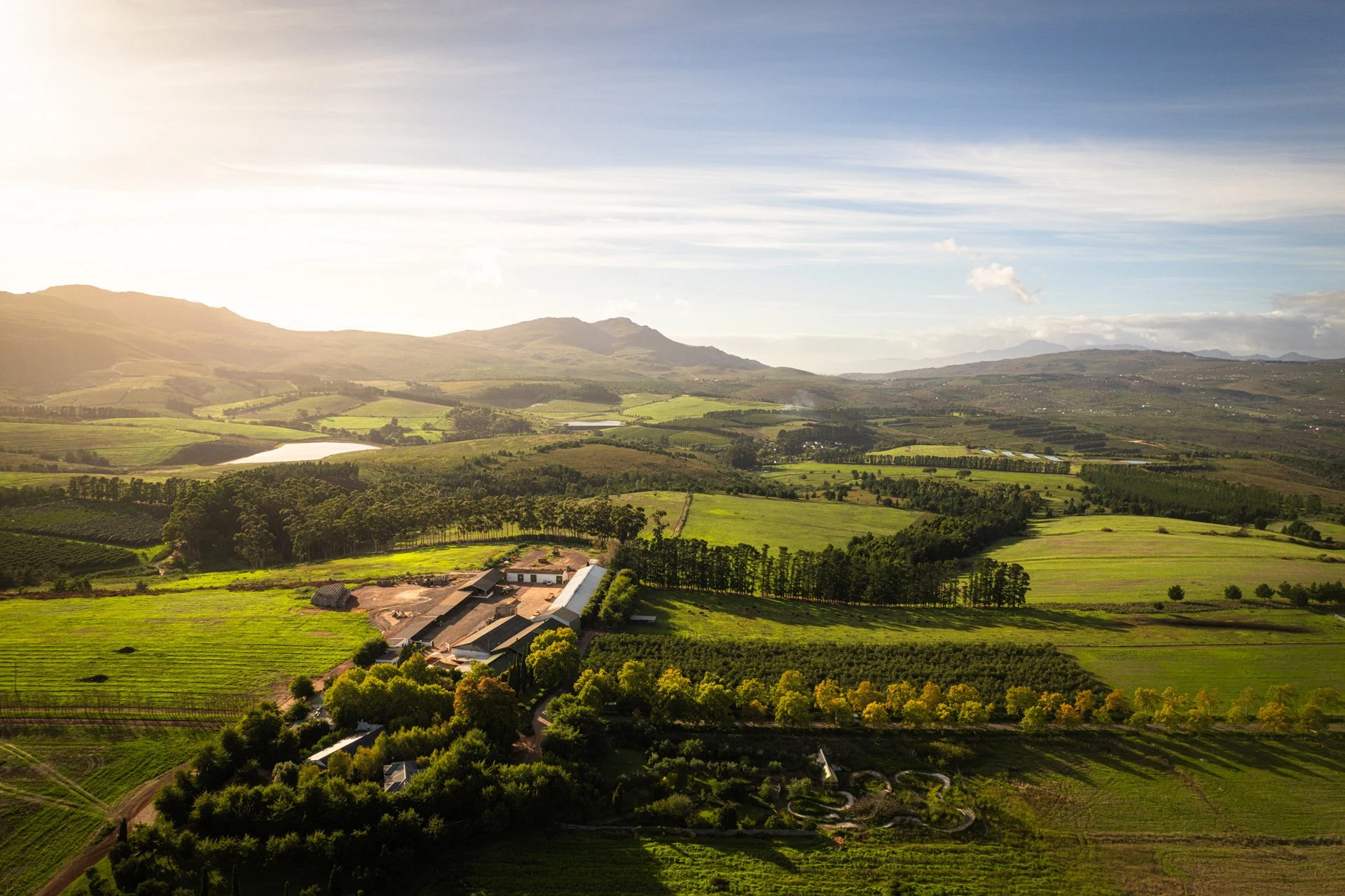
Cool-climate wine regions are often misunderstood by travelers expecting drama in the glass. The point is not volume; it is tension. In Elgin, mountain exposure, dam proximity, and fog shape ripening in ways that favour aromatic precision and structural lift. Shannon’s setting along the Palmiet River gives the estate a readable microclimate story, unusually easy to connect to the wines because the label language and vineyard description point to the same physical forces.
The small footprint matters. Ten hectares under vine leave little room for anonymous production. It encourages a vineyard-by-vineyard reading of the property and suits a portfolio of still red and still white wines rather than broad commercial spread. In a South African context often dominated internationally by Stellenbosch Cabernet, Swartland blends, and coastal Sauvignon Blanc, Elgin’s cooler register gives travelers another Cape lens: less power, more contour.
The winemaking team adds practical credibility without turning the story into biography. Gordon Newton Johnson and Nadia Newton Johnson are named in connection with the cellar, while the estate’s stated philosophy leans toward minimal intervention and sustainable farming. The combination suggests a producer letting vineyard conditions carry the argument, rather than making oak, extraction, or cellar technique the headline. For visitors building a regional itinerary, Shannon belongs beside the broader Elgin wine conversation mapped in Our full Elgin wineries guide, with nearby planning context in Our full Elgin restaurants guide, Our full Elgin hotels guide, Our full Elgin bars guide, and Our full Elgin experiences guide.
A compact portfolio built around site rather than spectacle
A useful way to read Shannon is as a focused estate, not a large cellar with an encyclopaedic range. Sauvignon Blanc and Pinot Noir carry much of the public identity, helped by their direct connection to the mist imagery on the labels. Chardonnay, Semillon, Merlot, and Pinot Noir broaden the cool-climate frame, but the editorial interest remains the same: how much freshness, structure, and restraint Elgin can deliver when farming stays close to place.
That makes the estate better suited to drinkers who care about regional difference than to those chasing trophy signals. No formal awards are listed for Shannon Vineyards, shifting assessment toward format, farming, and terroir rather than medals. The trust signal is objective and agricultural: a compact 10-hectare estate, Elgin WO identity, named winemakers, sustainable production philosophy, and a clear relationship between river boundary, mountain air, mist, and grape style.
South Africa’s premium wine conversation is increasingly plural. A Cape itinerary can move from highly allocated producers to family farms, coastal whites to structured reds, and polished tasting rooms to quieter estate visits. For a wider national frame, travelers often look beyond Elgin to addresses such as 4G Wines in Kapstadt, A. A. Badenhorst Family Wines in Paardeberg, and Aaldering Estate in Stellenbosch. Those links are useful not as direct peers, but because they show how varied the country’s premium wine map has become.
How Shannon fits a serious Elgin wine day
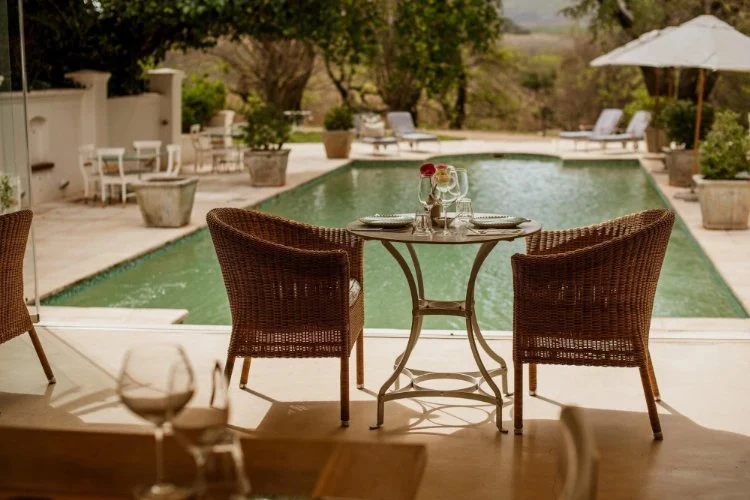
The estate experience is quiet by design. The listed format includes tasting room, vineyard tour, private tasting, estate grounds, mountain views, and vineyard views, with small capacity and a quiet noise level. That points toward wine education, solo exploration, and special-occasion tasting rather than high-volume cellar-door traffic. Casual dress fits the setting, and the estate is suitable for children, though the core appeal is for guests who want to understand climate, slope, and farming through the wines.
Elgin rewards visitors who build a route around contrasts within the same valley. Cap Classique specialists, Chardonnay-focused projects, and cool-climate red producers all tell different versions of the region’s story. For additional stops, consider Charles Fox Cap Classique Wines Estate, Damascene, Elgin Vinters, Iona Vineyard, and Julien Schaal. Read together, they make the valley feel less like a detour from the Cape winelands and more like its own cool-climate chapter.
The reason to prioritise Shannon is not breadth or spectacle. It is the clarity of the terroir proposition. A river boundary, mountain hillside vineyards, morning mist, sustainable farming, and 10-hectare scale give the estate a coherent point of view. For first-timers to Elgin, that clarity teaches the valley quickly. For repeat visitors, it offers the more rewarding exercise of tasting how a small farm turns climate into structure over time.
International readers building wider wine travel lists can also use Shannon as a counterpoint to European and urban wine references, from »der Steiner« Hans Steiner in Podersdorf am See to & Handwein in Mannheim. The comparison is not stylistic; it is editorial. Serious wine travel increasingly depends on understanding place at a granular level, and Shannon’s appeal lies precisely there: a small Elgin estate where mist, river, mountain air, and farming discipline are the main story.
Questions
Frequently asked
How expensive is Shannon Vineyards?
Shannon Vineyards is listed at a price level of $$$.
The field
How it compares
| Place | Notes |
|---|---|
| Shannon Vineyards | Elgin Valley, $$$ |
| Charles Fox Cap Classique Wines Estate | Elgin |
| Damascene | Elgin |
| Elgin Vinters | Elgin |
| Iona Vineyard | Elgin |
| Oak Valley Estate | Elgin |
| Paul Cluver Wines | Elgin |