- Opinionated About Dining Top Restaurants in Japan Highly Recommended · 2026
- Tabelog 100 #16: 3.7pts · 2025
- Opinionated About Dining Top Restaurants in Japan Ranked #201 · 2025
- Opinionated About Dining Top Restaurants in Japan Ranked #176 · 2024
- Opinionated About Dining Top Restaurants in Japan Highly Recommended · 2023
The Nihonbashi Approach to Beef
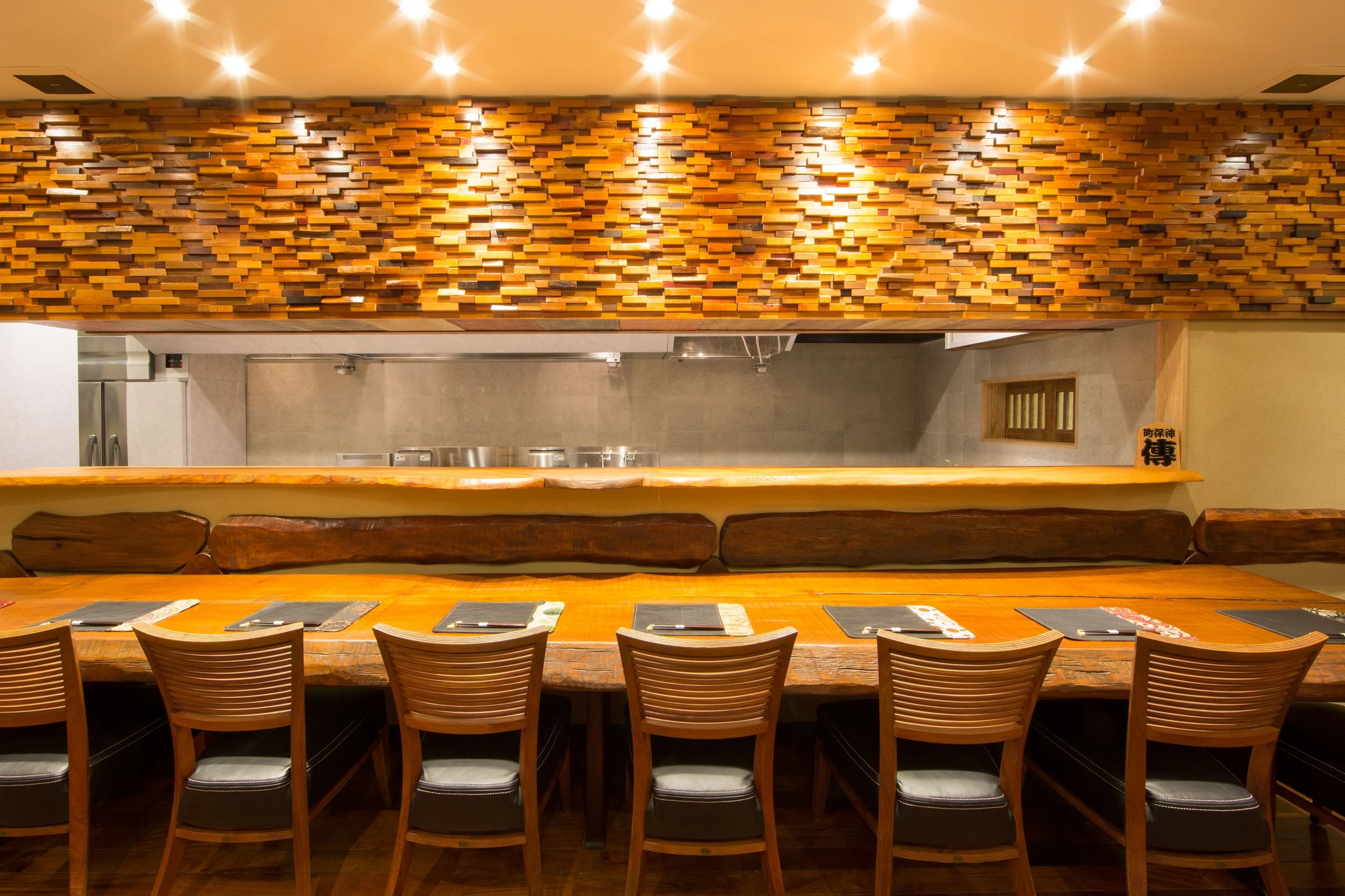
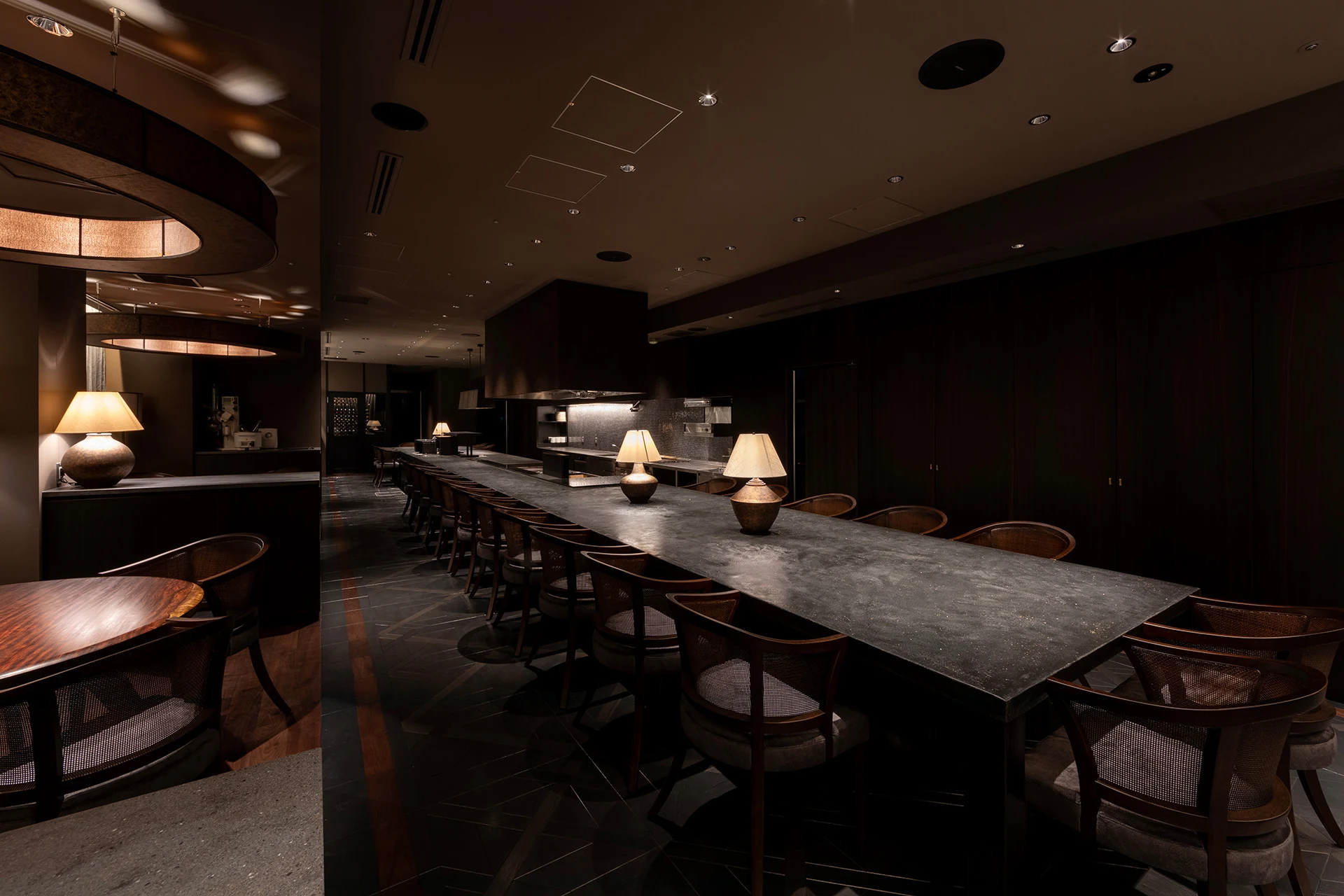
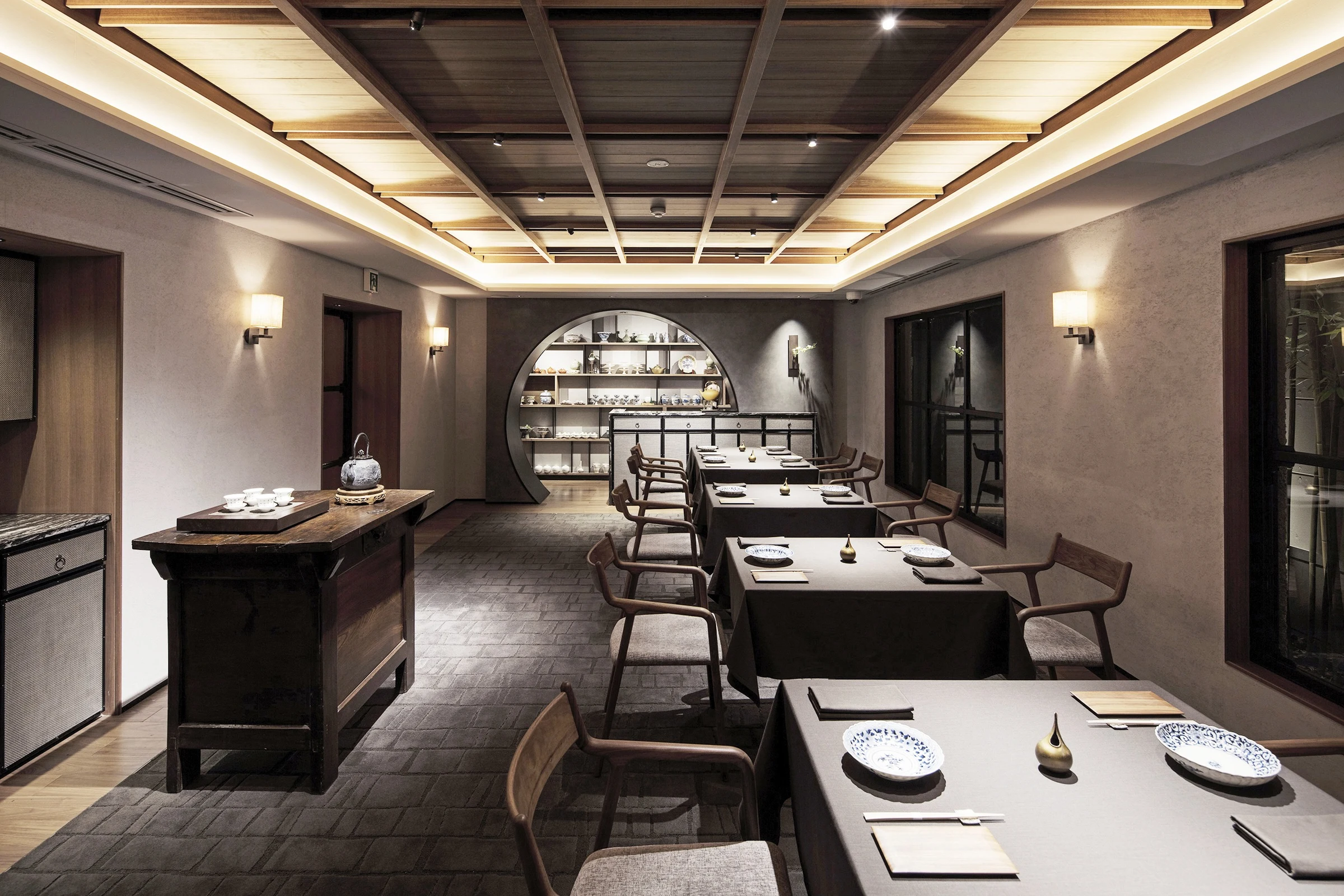
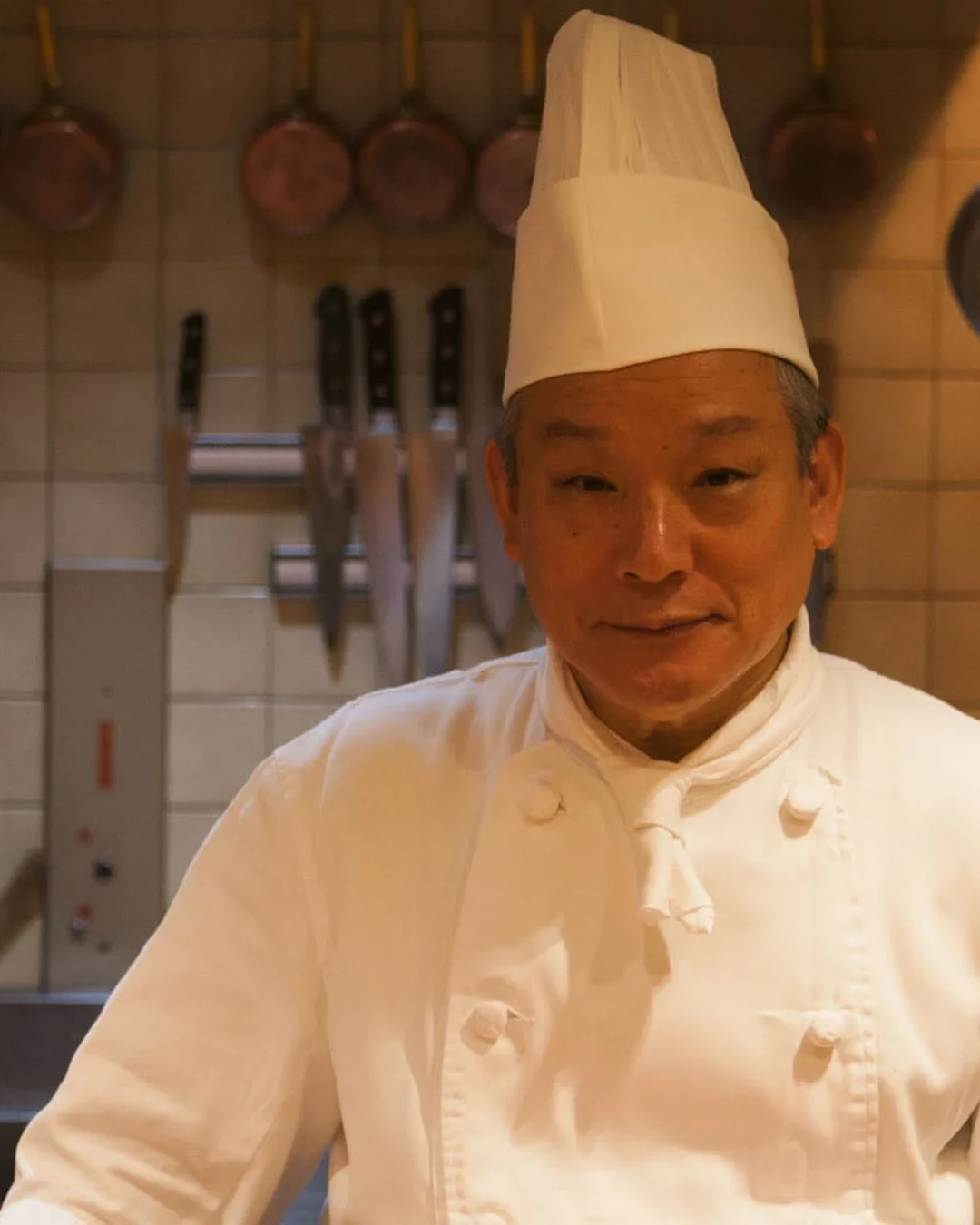
Shima is a Japanese Wagyu Steakhouse in Tokyo's Nihonbashi district, with a $150 price point and chef Manabu Ohshima at the counter. On one side sit the imported-format steakhouses, teppanyaki theatrics, Wagyu showmanship, or American transplants like Peter Luger Steak House Tokyo carrying a New York identity into a Japanese context. On the other side is a quieter, harder-to-categorise tradition: intimate basement counters where Japanese beef is treated with the same sourcing rigour and anti-waste discipline you'd associate with the country's highest kaiseki kitchens. Shima sits firmly in that second camp, operating from a B1 address in the Heiwa Fudosan Nihonbashi Building in Chuo City, a location that signals nothing from street level and everything once you understand the neighbourhood's culinary density.
Nihonbashi is not where visitors usually look for serious cooking. The area's identity is commercial and financial, with deep Edo-period roots in trade and distribution. That history, however, also gave it a proximity to ingredients at the source level, the kind of working relationship with producers that undergirds the most conscientious kitchens in Japan. The steak traditions that developed in Tokyo's merchant quarters were never about abundance for its own sake. They were about understanding the whole animal, using it completely, and matching cooking precision to the quality of the raw material. Shima operates within that ethic.
Ethical Sourcing and the Whole-Animal Principle
The sustainability story in Japanese beef cooking is not told primarily through carbon footprints or recycled packaging. It runs through a deeper commitment: whole-animal respect. Premium Wagyu is expensive enough that waste is practically incompatible with the economics of a small counter operation. Skilled steak kitchens at this level work through every cut with purpose, matching preparation method to muscle group rather than defaulting to a single prestige cut. This approach requires a level of butchery knowledge and producer relationship that separates the serious operations from those simply purchasing well-marbled loins and charging accordingly.
Chef Manabu Ohshima's program at Shima reflects that discipline. The dinner-only format, running Monday through Saturday with service ending at 9 pm, concentrates the kitchen's attention rather than diluting it across lunch and dinner services. A focused service window is itself a statement about quality over volume, and it tracks with the trajectory of Shima's Opinionated About Dining recognition, which moved from Highly Recommended in 2023 to a ranked position at #176 in 2024 and #201 in 2025.
For context on what that OAD positioning implies: the list's Japan rankings draw heavily on the assessments of food professionals and serious diners with detailed local knowledge. Holding a ranked position across three consecutive cycles, even with some movement between years, signals a kitchen that performs consistently rather than one generating short-lived attention. Compare that trajectory to the high-heat openings that dominate social media and quickly drop out of consideration, Shima's approach is legible as a long-game operation.
A Basement Counter in a City of Specialists
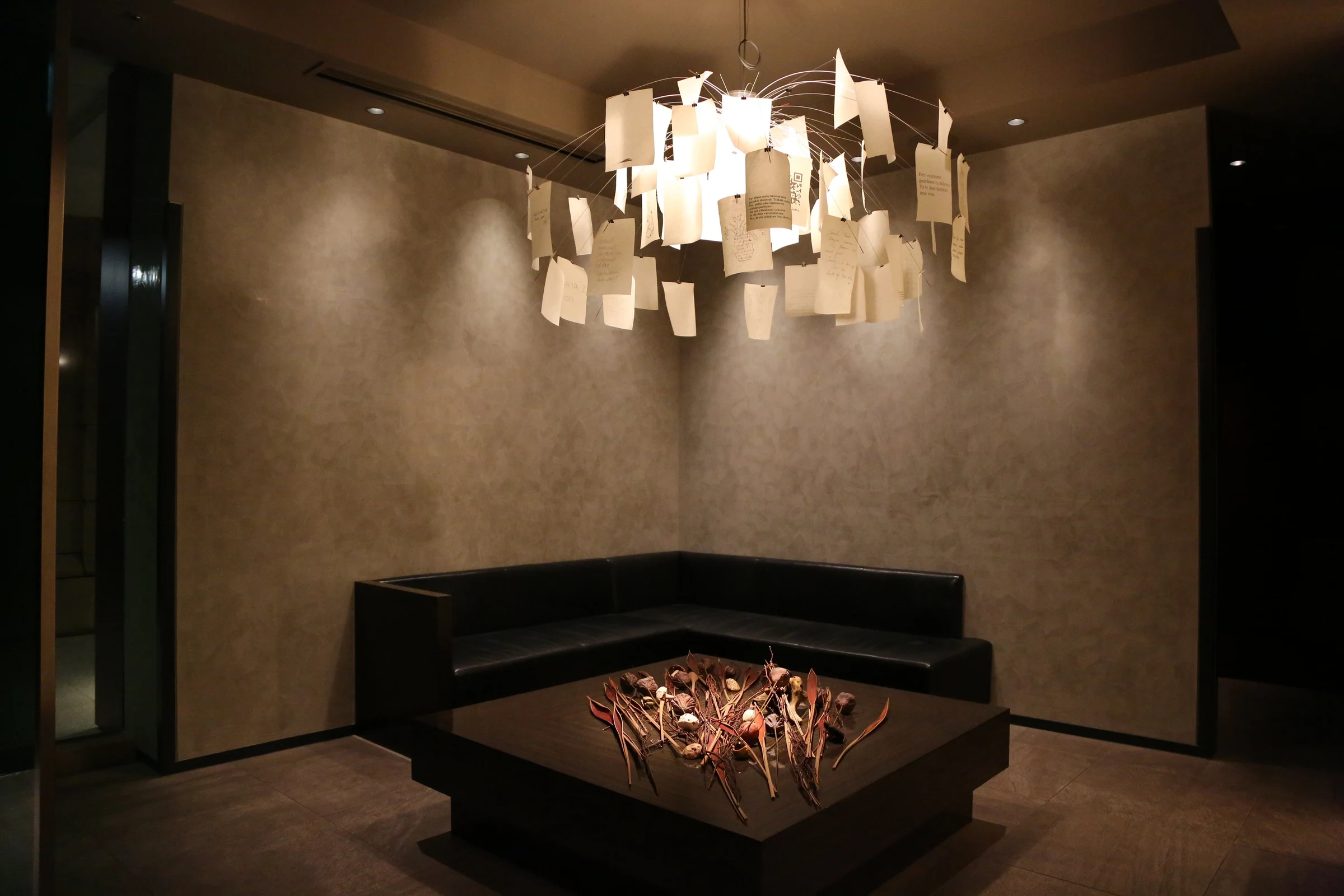
Tokyo's most focused cooking operations frequently occupy basement or upper-floor spaces that remove them from the visual economy of street-level foot traffic. They rely instead on reputation, referral, and documented recognition. The format is self-selecting: diners who find their way to a basement counter in Nihonbashi on a weeknight are not there by accident. They've done the research, or they've been sent by someone who has.
That dynamic shapes the experience in practical terms. Google review data, 4.6 across 509 ratings, suggests consistent satisfaction among a relatively focused diner base rather than a high-volume crowd. For a dinner-only counter operating six nights per week, 480 reviews points toward a small-scale operation where individual service interactions carry significant weight. Compare this to the high-review-count averages you'd see at accessible tourist-facing steakhouses, and the comparable set becomes clearer: Shima reads closer to a specialist counter than a broad-audience restaurant.
Within Tokyo's steak category, the competitive context is instructive. Operations like Gorio and Hirayama represent the counter-format discipline that defines this tier, places where the format strips away ambient distraction and places the quality of cooking at the center. Idea Ginza operates a different register entirely, with a location and format that make it more visible but not necessarily more rigorous. Shima's Nihonbashi address puts it slightly outside the Ginza-Marunouchi dining corridor, which keeps its profile lower but leaves its focus intact.
Placing Shima in Tokyo's Broader Dining Ecology
Tokyo's premium dining scene works across multiple registers simultaneously. The kaiseki counters that anchor international reputation, the kind you encounter in a guide like our full Tokyo restaurants guide, share a philosophical foundation with the leading steak kitchens: sourcing transparency, seasonal discipline, minimal waste, maximum technical control. Shima operates within that broader culture even as it focuses on a single protein category. Diners who move between, say, Harutaka in the sushi world and Shima in the beef world are following a consistent logic: small counter, serious sourcing, no theatrical production, cooking that justifies the booking.
That logic extends across Japan's major dining cities. The whole-animal, sourcing-first approach that characterises Shima's positioning connects to similar commitments at places like HAJIME in Osaka and Gion Sasaki in Kyoto, even though those kitchens operate in entirely different cuisine categories. The thread is the same: a cooking culture that treats waste as a failure of technique rather than a logistical inevitability. Outside Japan, the comparison set for ethical sourcing-led steak programs might include operations like Arthur J. in Los Angeles or B&B Butchers and Restaurant in Houston, though the Japanese counter format remains structurally distinct from either of those.
Planning Your Visit
| Detail | Shima | Peter Luger Steak House Tokyo | Gorio |
|---|---|---|---|
| Format | Counter / Dinner only | Full-service restaurant | Counter / Dinner focused |
| Service days | Mon–Sat (Sun closed) | Check directly | Check directly |
| Service hours | 5:30 to 9 pm | Check directly | Check directly |
| Location | Nihonbashi, Chuo City (B1) | Ebisu area | Tokyo central |
| OAD recognition | Ranked #176 (2024), #201 (2025) | N/A | OAD listed |
| Google rating | 4.6 (480 reviews) | Check directly | Check directly |
Address: 3 Chome-5-12 Nihonbashi, Chuo City, Tokyo, B1 floor (Heiwa Fudosan Nihonbashi Building). Hours run Monday through Saturday, 5:30 pm to 9 pm. Sundays are closed.
Frequently Asked Questions
What's the leading thing to order at Shima?
What the record does confirm is that Shima's OAD recognition across 2023, 2024, and 2025, including a ranked position among Japan's leading restaurants, reflects consistent kitchen performance in a focused beef format under Chef Manabu Ohshima. At a dinner-only counter of this type, the strongest approach is usually to follow the chef's direction rather than arrive with a fixed agenda. The counter format exists precisely because the kitchen's decisions, made in response to the day's sourcing, tend to outperform any predetermined order. If you are looking for a reference point among cuisine categories, the Harutaka model in sushi offers a parallel logic: trust the chef's selection, prioritise the counter, and let the awards record speak to what awaits.
Questions
Frequently asked
Who works at Shima?
Made By profiles Manabu Ohshima (Chef) at Shima.
How expensive is Shima?
Shima is listed at a price level of $$$$.
Where is Shima and what does it serve?
Shima is in Chūō, Tokyo, serving Japanese Wagyu Steakhouse.
The field
How it compares
| Place | Cuisine | Notes | Awards |
|---|---|---|---|
| Shima | Japanese Wagyu Steakhouse | Chūō, $$$$ | · |
| Den | Modern Japanese Kaiseki | Tokyo | Michelin 2 Stars, World's 50 Best |
| Florilège | Modern French-Japanese Plant-Based Fine Dining | Tokyo | Michelin 2 Stars, World's 50 Best |
| Narisawa | Modern Japanese Satoyama Fine Dining | Tokyo | Michelin 2 Stars, World's 50 Best |
| Quintessence | Modern French Fine Dining | Tokyo | Michelin 3 Stars |
| Sazenka | Modern Chinese Fine Dining | Tokyo | Michelin 3 Stars, World's 50 Best |
| Sézanne | Modern French Fine Dining | Tokyo | Michelin 3 Stars, World's 50 Best |
In residence
Featured in

Similar places
Modern Japanese Kaiseki
Den
Tokyo, Japan
★★ · 50 Best
Modern French-Japanese Plant-Based Fine Dining
Florilège
Tokyo, Japan
★★ · 50 Best
Modern Japanese Satoyama Fine Dining
Narisawa
Tokyo, Japan
★★ · 50 Best
Modern French Fine Dining
Quintessence
Tokyo, Japan
★★★
Modern Chinese Fine Dining
Sazenka
Tokyo, Japan
★★★ · 50 Best
Modern French Fine Dining
Sézanne
Tokyo, Japan
★★★ · 50 Best