Shunji
In Residence
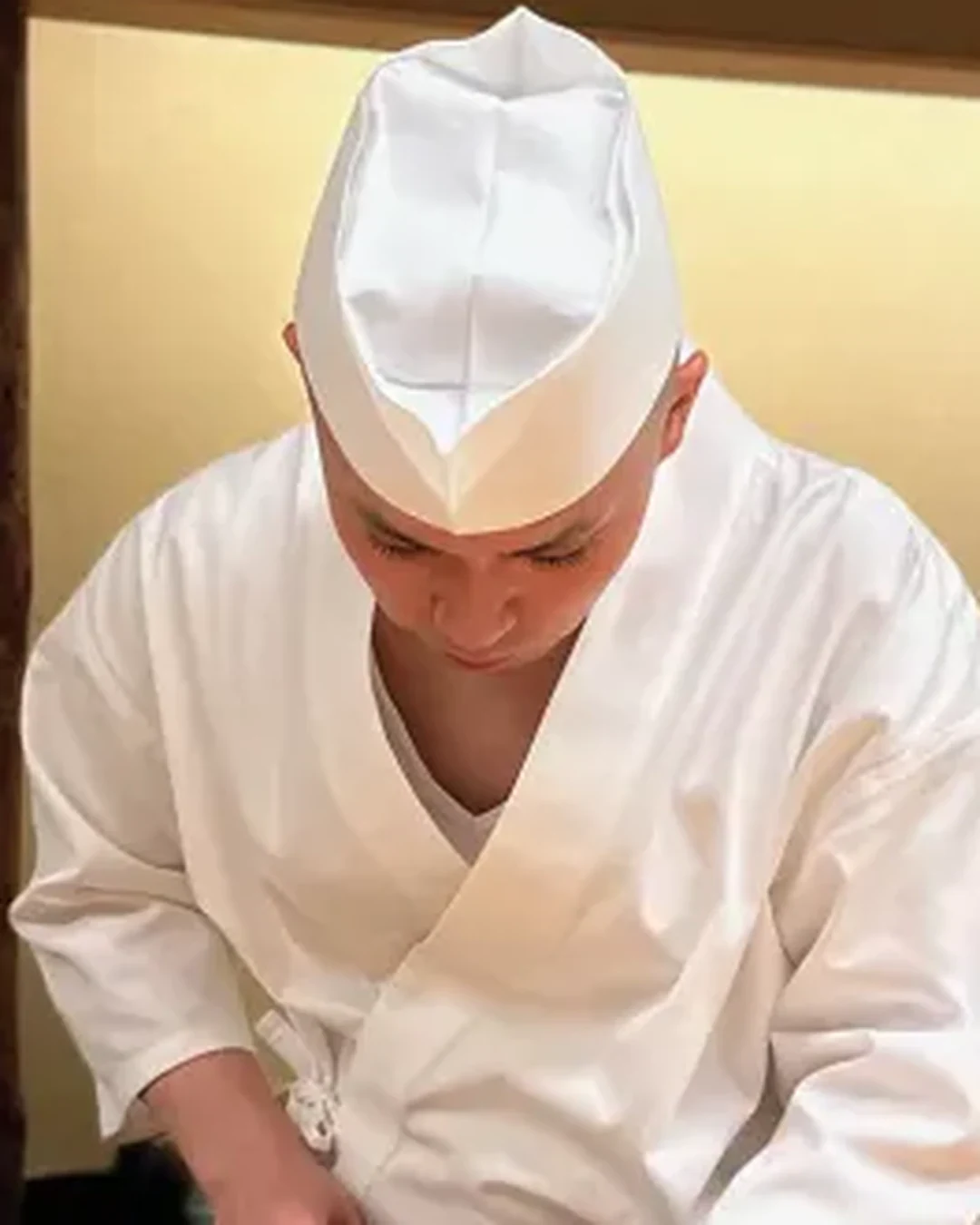
Shunji Hashiba
Chef
- 01CuisineModern Edomae Sushi Omakase
- 02CityTokyo, Japan
- 03RecognitionWorld's 50 Best — No. 63
- World's 50 Best · #63 · World's 50 Best Restaurants
- Tabelog Silver #124: 4.4pts · 2026
- World's 50 Best Asia's Best Restaurants #63 · 2026
- Opinionated About Dining Top Restaurants in Japan Ranked #58 · 2026
- Opinionated About Dining Top Restaurants in Japan Ranked #49 · 2025
- Tatler Listed in Best Restaurants Asia-Pacific · 2025
- Tabelog Bronze · 2025
- Tabelog 100 #3: 4.4pts · 2025
- Opinionated About Dining Top Restaurants in Japan Ranked #147 · 2024
- Opinionated About Dining Top Restaurants in Japan Recommended · 2023
Ten Seats, One Counter, No Margin for Error
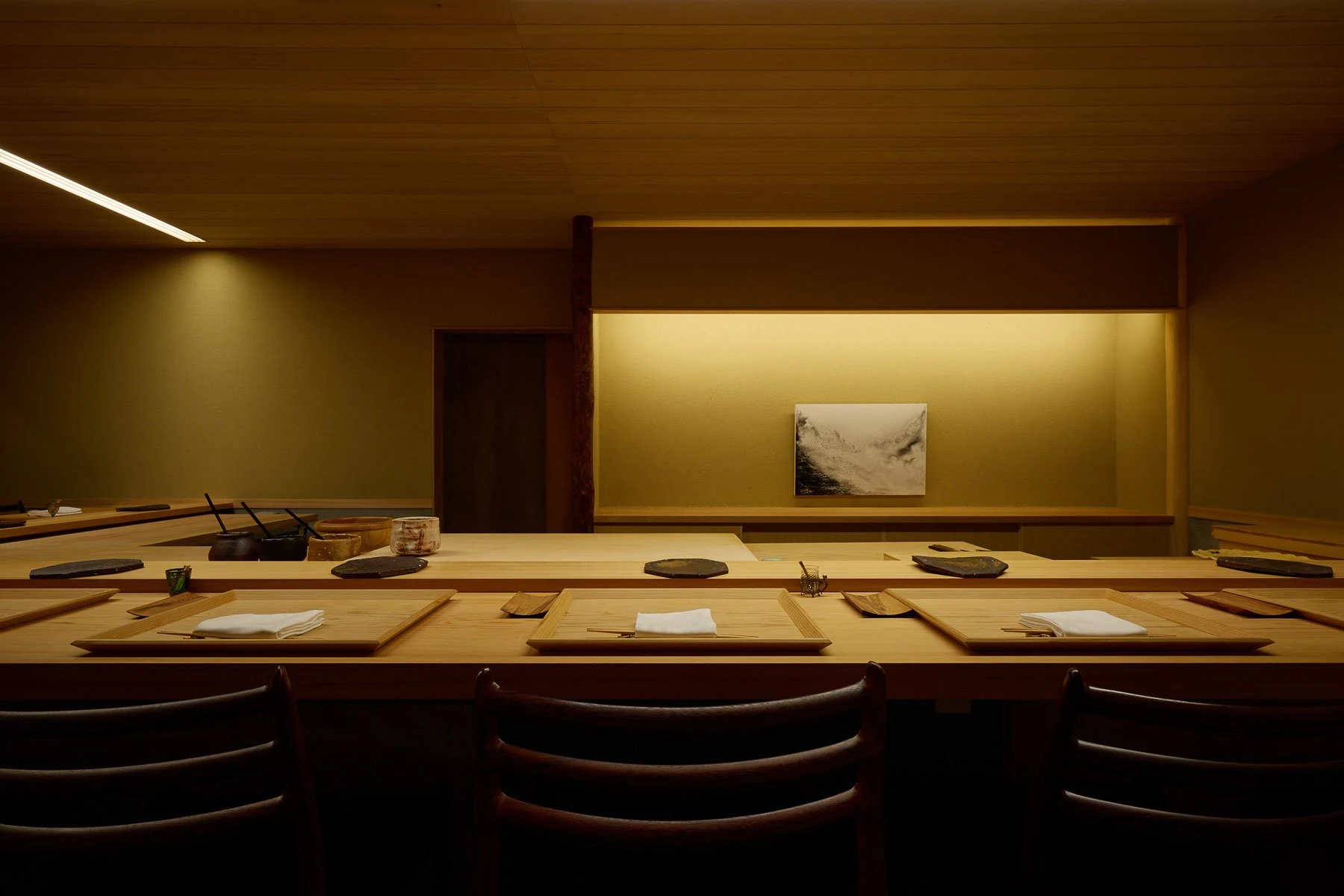
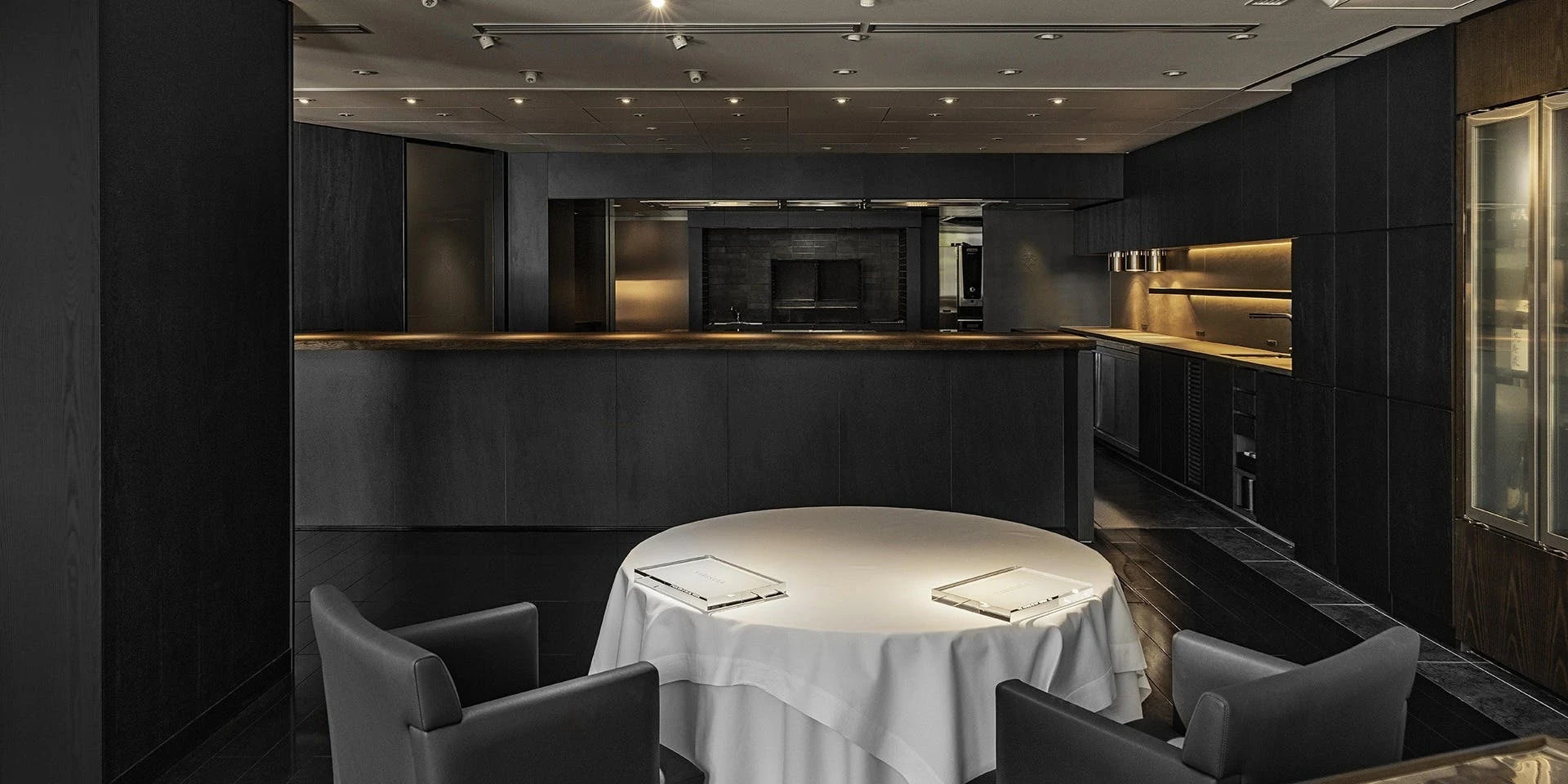
Tokyo's premium Edomae sushi scene has long sorted itself into tiers defined not by geography but by seat count and booking friction. Shunji is a Tokyo restaurant serving Modern Edomae Sushi Omakase in Motoazabu, with a price of about JPY 50,000 per person. At the narrow apex sit counters of eight to twelve seats, where demand structurally outpaces supply and reservation systems have shifted from telephone-only to hybrid lottery formats. Sushi Shunji, operating a ten-seat counter in Motoazabu's Minato ward, sits squarely in that bracket. Its Tabelog score of 4.42 and a 2026 Silver Award place it in the city's documented upper tier, while the lottery-based access model through the OMAKASE platform signals a counter that has moved beyond conventional booking queues. At counters of this scale, every design decision, from seat width to the rhythm of service, concentrates attention on the food in a way that larger rooms cannot replicate.
How the Menu Architecture Reads
Edomae sushi, at its most considered, is not simply a sequence of nigiri. It is a structured argument about ingredients, technique, and timing, with each piece functioning as both an individual statement and a contribution to a longer arc. The Tabelog description for Shunji frames the approach as one that weaves tradition and innovation within what it calls a "new era of Edomae sushi," with gratitude toward ingredients as the animating principle. That framing, however abstractly worded in promotional language, maps onto a recognizable structural logic at this price tier: the menu moves from lighter preparations toward richer, more sustained flavors, with the kitchen's interventions designed to clarify rather than complicate what the fish is doing.
At JPY 50,000 to 59,999 for dinner, Shunji prices against peer counters rather than mid-range omakase. A ten-percent service charge applies, and the drink list covers sake, shochu, and wine. Dinner service runs from 17:00 and from 20:00, indicating two seatings.
Motoazabu and the Quiet Counter Tradition
The Motoazabu address positions Shunji within a cluster of serious dining rooms that have accumulated in Minato ward over the past decade. The neighborhood sits within a concentration of counter-format restaurants that operate at high price points without the foot traffic or tourist visibility of more central districts. Azabu-Juban Station sits roughly 665 meters away; Roppongi Station on the Tokyo Metro Hibiya Line is approximately a ten-minute walk. Neither approach involves the kind of landmark navigation that characterizes a Ginza dinner. The counter is in a residential-commercial building, a setting that reinforces the format's concentration on what happens at the wood rather than on the arrival experience.
This geographic positioning is consistent with a broader pattern in Tokyo's high-end sushi scene, where counters increasingly locate in quieter pockets of established neighborhoods rather than in premium commercial real estate. Overhead reduction at the venue level allows budget to concentrate in sourcing. The counter's dress code, which asks guests to avoid strong fragrances, reflects the same logic applied to the sensory environment: everything that might interfere with the aromas of fish and rice is removed before service begins.
Recognition and comparable set
Sushi Shunji's award trajectory is specific enough to be worth reading carefully. The Tabelog Bronze Award in 2025 was followed by a Silver in 2026, with a current score of 4.42. Separately, the Opinionated About Dining guide ranked it 49th among Japan's leading restaurants in 2025, up from 147th in 2024 and a Recommended listing in 2023. That movement over three consecutive years suggests a counter that has consolidated its position rapidly rather than coasting on an established reputation.
Peer counters operating at comparable scores and price points in Tokyo include Harutaka, which operates in the same premium sushi tier. For reference points outside the sushi category at similar price levels, RyuGin anchors the kaiseki tier in Tokyo, while L'Effervescence, Sézanne, and Crony represent the French-influenced end of the city's high-spend dining map. These are not direct competitors to a sushi counter, but they occupy the same evening budget and decision set for visitors planning a limited number of serious meals.
For context across Japan's dining geography, comparable precision-led counters operate in other cities: HAJIME in Osaka, Gion Sasaki in Kyoto, akordu in Nara, Goh in Fukuoka, 1000 in Yokohama, and 6 in Okinawa. Internationally, fish-focused precision counters like Le Bernardin in New York City and technically demanding tasting-menu formats such as Atomix occupy a different structural model but draw from the same pool of international diners willing to plan meals months in advance.
Booking, Access, and What to Know Before You Go
Access works on two tracks: telephone reservations are accepted between 12:00 and 15:00 on business days, and the OMAKASE lottery runs on a separate registration basis where availability is distributed by draw rather than by speed-to-dial. The lottery model, which Shunji's Tabelog record describes as designed to give "as many people as possible a fair chance," has become more common at sought-after Tokyo counters as a mechanism for managing demand that phone lines alone cannot absorb.
Reservations: Reservation only; telephone 12:00 to 15:00 on business days, or via OMAKASE lottery (register as a favorite to receive availability notifications). Budget: JPY 50,000 to 59,999 per person for dinner before drinks; review data suggests some visits reach JPY 60,000 to 79,999 all-in. A 10% service charge applies. Hours: From 17:00 and from 20:00; closed primarily Sundays and Wednesdays (schedule not fixed). Payments: Credit cards accepted (VISA, Mastercard, JCB, AMEX, Diners), QUICPay accepted; QR code payments not accepted. Dress: No strong fragrances. Seating: Ten counter seats only; private rooms unavailable, though full private hire is available. Getting there: Ten minutes on foot from Roppongi Station (Hibiya Line) or Azabu-Juban Station; no on-site parking.
, , , , and our full Tokyo experiences guide.
The Sunday letter
Get new places like Shunji every Sunday.
One email a week with the restaurants, bars and hotels we have just written up, and the people who run them.
One email a week. Unsubscribe from any issue.
Questions
Frequently asked
What recognition does Shunji hold?
Shunji holds a place on the World's 50 Best list at number 63.
Who works at Shunji?
Made By profiles Shunji Hashiba (Chef) at Shunji.
How expensive is Shunji?
Shunji is listed at a price level of $$$$.
Where is Shunji and what does it serve?
Shunji is in Minato, Tokyo, serving Modern Edomae Sushi Omakase.
The field
How it compares
| Place | Awards | Cuisine | Notes |
|---|---|---|---|
| Shunji | World's 50 Best #63 | Modern Edomae Sushi Omakase | Minato, $$$$ |
| Den | Michelin 2 Stars, World's 50 Best | Modern Japanese Kaiseki | Tokyo |
| Florilège | Michelin 2 Stars, World's 50 Best | Modern French-Japanese Plant-Based Fine Dining | Tokyo |
| Narisawa | Michelin 2 Stars, World's 50 Best | Modern Japanese Satoyama Fine Dining | Tokyo |
| Quintessence | Michelin 3 Stars | Modern French Fine Dining | Tokyo |
| Sazenka | Michelin 3 Stars, World's 50 Best | Modern Chinese Fine Dining | Tokyo |
| Sézanne | Michelin 3 Stars, World's 50 Best | Modern French Fine Dining | Tokyo |
In residence
Similar places
Modern Japanese Kaiseki
Den
Tokyo, Japan
★★ · 50 Best
Modern French-Japanese Plant-Based Fine Dining
Florilège
Tokyo, Japan
★★ · 50 Best
Modern Japanese Satoyama Fine Dining
Narisawa
Tokyo, Japan
★★ · 50 Best
Modern French Fine Dining
Quintessence
Tokyo, Japan
★★★
Modern Chinese Fine Dining
Sazenka
Tokyo, Japan
★★★ · 50 Best
Modern French Fine Dining
Sézanne
Tokyo, Japan
★★★ · 50 Best
The Sunday letter
Get the next Made By story in your inbox.
We send one email every Sunday morning with the places and people we covered that week.
One email a week. Unsubscribe from any issue.