Shunsai Kubo
In Residence
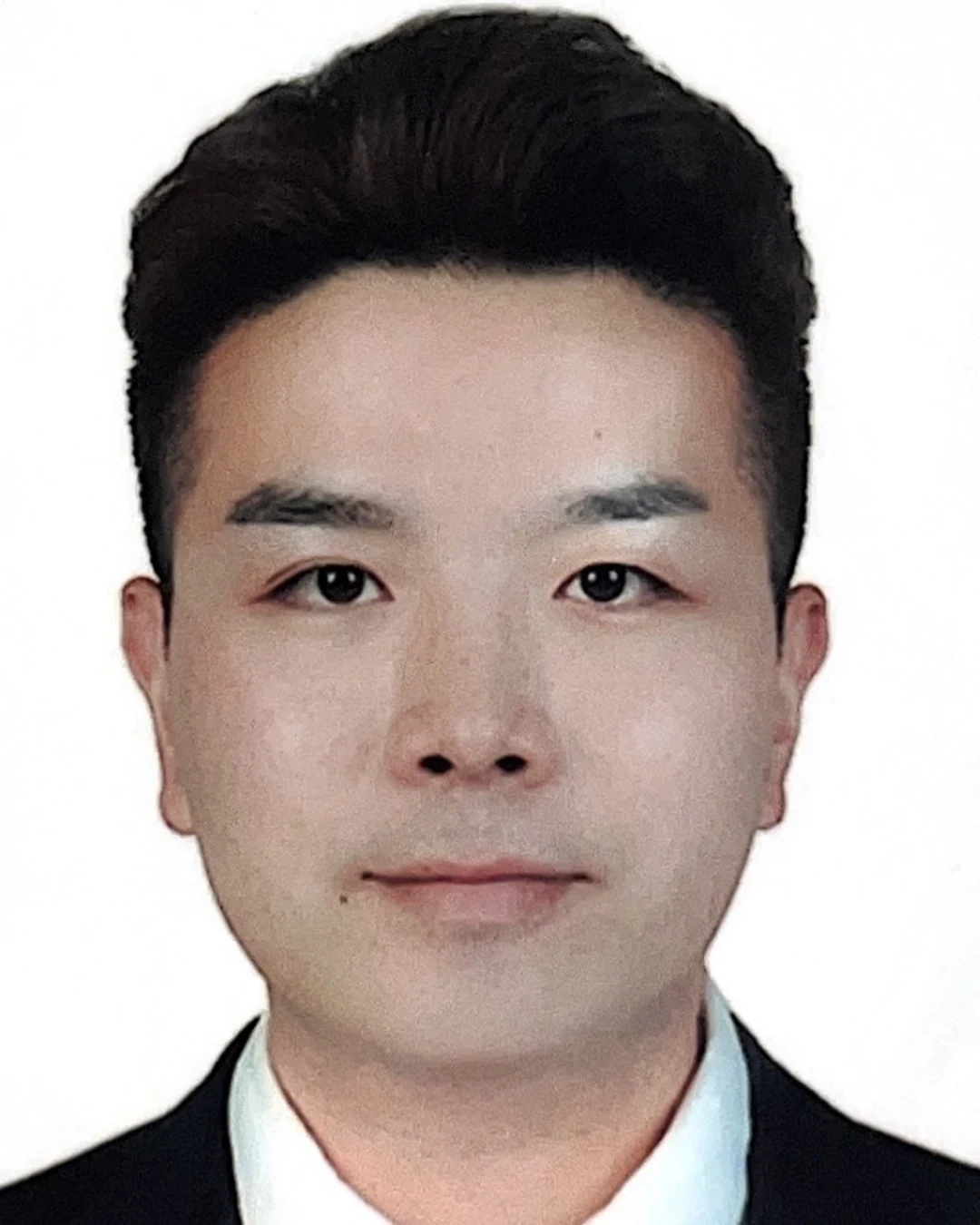
Lee Jae-wook
Chef
- 01CuisineJapanese Unagi Hitsumabushi
- 02CityBusan, South Korea
- Michelin Bib Gourmand · Michelin Guide
- Michelin Bib Gourmand · 2026
- Michelin Bib Gourmand · 2025
- Michelin Bib Gourmand · 2024
Unagi in Korea: A Discipline That Doesn't Travel Much
Freshwater eel restaurants occupy an unusual position in South Korea's dining culture. Unagi, as a dedicated culinary discipline rather than a side item on a broader Japanese-style menu, rarely sustains a standalone specialist format outside of Japan. In Tokyo, counters like Nodaiwa Azabu Iikura Honten, Ginza Yondaime TAKAHASHIYA, and Hatsuogawa sit inside a deep tradition of eel preparation, kabayaki grilled over charcoal, the tare built up over generations, the rice timed to the fish, and are understood by their regulars as the product of decades of accumulated technique. In Korea, that same dedication is far less common. The restaurants that do commit fully to eel tend to cluster around the peninsula's southern coasts, where freshwater supply chains and proximity to Japanese culinary influence have historically made the ingredient more available and the craft more viable.
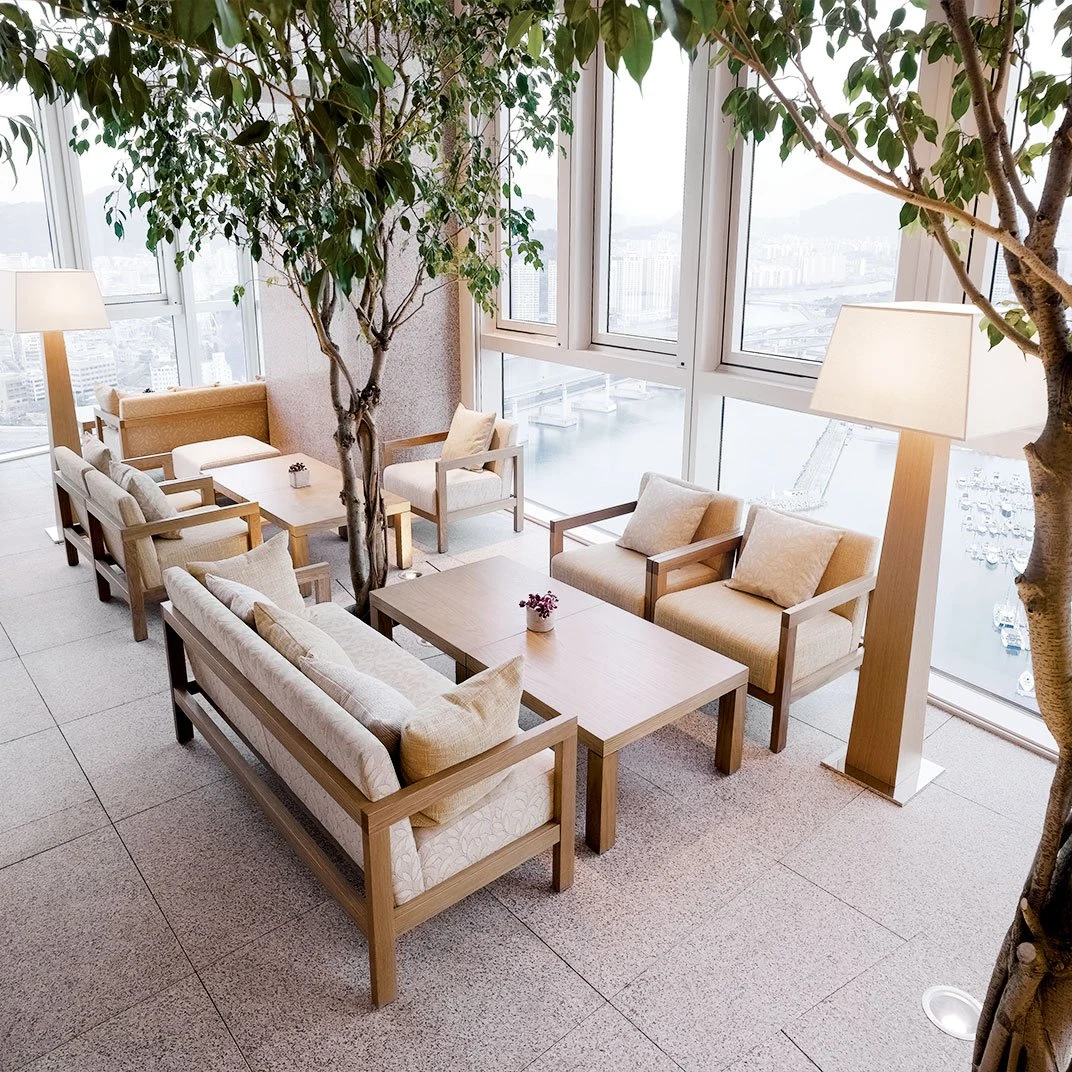
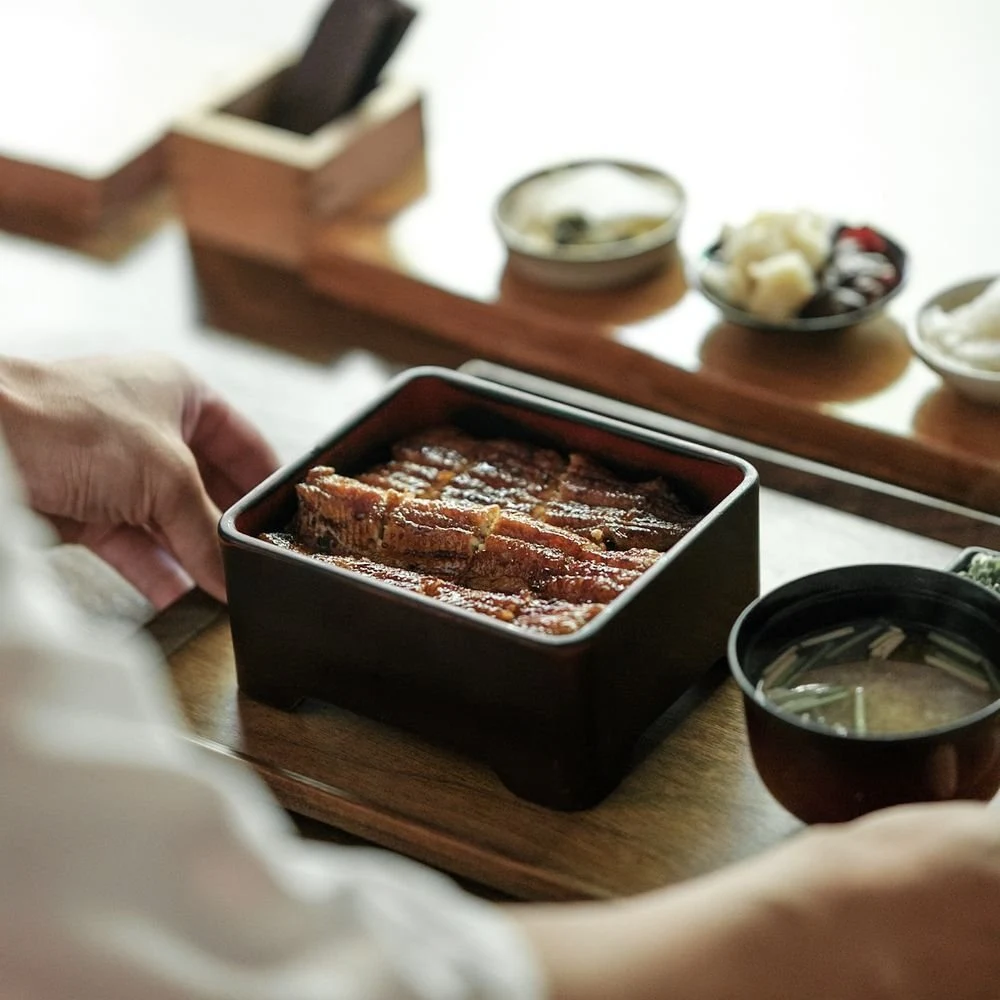
Shunsai Kubo is a Japanese Unagi Hitsumabushi restaurant in Busan's Buk-gu district, addressed at 17 Yangdal-ro 4 beon-gil, and led by chef Lee Jae-wook. Buk-gu is not Busan's dining showpiece in the way that Haeundae or Gwangalli are, it's a quieter, more residential part of the city, which is precisely what makes a Michelin-recognised address here worth noting. Recognition arrived consecutively, with Bib Gourmand distinctions in both 2024 and 2025 from the Michelin Guide.
What Bib Gourmand Means Here
The Bib Gourmand designation is often misread as a consolation prize for restaurants that fall short of starred status. In practice, it flags something different: good cooking at a price that doesn't require a special occasion. Shunsai Kubo carries a single ₩ price rating, which places it among Busan's most accessible Michelin-recognised tables. For context, that positions it distinctly below the ₩₩ bracket of Palate or the ₩₩₩ tier where Mori operates, and a significant distance from the ₩₩₩₩ end of the spectrum occupied by Born and Bred. The fact that two consecutive Bib Gourmand awards sit at the single ₩ tier signals something about the kitchen's priorities: the food is the point, and the format has been kept tight enough to hold that price without compromising what arrives on the plate.
That sample size is modest compared to high-traffic tourist restaurants, but the rating itself is consistent with a place that draws repeat local visitors rather than one-time tourists passing through. Restaurants that build their audience on a single, technically demanding ingredient tend to produce this kind of review profile, fewer reviewers overall, but ones who return and are specific in what they're assessing.
The Ingredient and Its Demands
The discipline of cooking unagi well is harder to shortcut than most Western diners assume. The eel must be live until preparation, the butchering technique determines how cleanly the fat renders, and the grilling process, whether kanto-style (steamed then grilled) or kansai-style (grilled directly without steaming), produces categorically different textures and fat profiles. The tare, the basting sauce applied during grilling, is traditionally a living thing: a base maintained and refreshed over time, accumulating depth from each successive batch of eel drippings. The kitchen's approach is consistent enough to have earned Michelin recognition across two guide cycles.
Chef Lee Jae-wook leads the kitchen. What the awards data does confirm is that the kitchen produces results consistently enough to retain Michelin attention year over year, which, in a category as technically specific as unagi, is the credential that matters most.
Buk-gu and the Logic of This Location
Busan's dining scene is often discussed through the lens of its seafront neighbourhoods, Haeundae's hotels and high-end tables, Gwangalli's bar scene, Jagalchi's raw fish markets. Buk-gu sits to the north and inland, and specialist restaurants in this part of the city typically build their clientele through neighbourhood loyalty and word of mouth rather than tourist foot traffic. That pattern is consistent with the review profile Shunsai Kubo shows: a 4.7 average across a concentrated review base rather than volume driven by location. For visitors approaching from Busan's central areas, the address requires deliberate travel rather than a casual walk-in.
Busan's broader restaurant culture at the single ₩ tier is anchored in dishes like dwaeji-gukbap and naengmyeon, category specialists like 100.1.Pyeongnaeng represent that tradition well. A Japanese-origin eel specialist at the same price tier occupies a different position: it imports a demanding culinary discipline into a market where that discipline is rare, and sustains it at an accessible price point. That combination is what Michelin's Bib Gourmand is specifically designed to recognise.
Busan's Wider Table
For visitors building a broader Busan itinerary, Shunsai Kubo fits into a category of deliberate, single-focus restaurants that reward the effort of finding them. The city's dining range extends well beyond eel, Korean-Japanese crossover cooking at Tokyo Babsang, the contemporary format at Palate, and the high-end Korean dining documented at Seoul addresses like Mingles, Gaon, and Kwon Sook Soo in Gangnam all indicate the breadth of what Korean fine and semi-fine dining covers. For context on specialist temple cuisine, Baegyangsa Temple in Jangseong-gun represents another form of ingredient-led restraint. Shunsai Kubo operates in that same register of discipline, just applied to a Japanese culinary tradition embedded in a Korean city.
Further planning resources for Busan: our full Busan restaurants guide, our full Busan hotels guide, our full Busan bars guide, our full Busan wineries guide, and our full Busan experiences guide. For dining beyond Busan, The Flying Hog in Seogwipo is worth noting for Jeju visitors.
Planning Your Visit
Shunsai Kubo is located at 17 Yangdal-ro 4 beon-gil, Buk-gu, Busan. The Buk-gu address means this is not a drop-in from central Busan, plan the journey in advance rather than appending it to a day in Haeundae. Reservations are recommended. The single ₩ price tier means the cost of a meal here is low relative to what the Michelin recognition implies, which also means the restaurant may fill quickly on weekends. Arriving early or, if local booking channels allow, reserving ahead is the pragmatic approach.
Questions
Frequently asked
What recognition does Shunsai Kubo hold?
Shunsai Kubo holds a Michelin Bib Gourmand.
Who works at Shunsai Kubo?
Made By profiles Lee Jae-wook (Chef) at Shunsai Kubo.
How expensive is Shunsai Kubo?
Shunsai Kubo is listed at a price level of $$.
Where is Shunsai Kubo and what does it serve?
Shunsai Kubo is in Hwamyeong2-dong, Busan, serving Japanese Unagi Hitsumabushi.
The field
How it compares
| Place | Cuisine | Notes | Awards |
|---|---|---|---|
| Shunsai Kubo | Japanese Unagi Hitsumabushi | Hwamyeong2-dong, $$ | · |
| Bao Haus | Taiwanese-inspired Bib Gourmand | Busan | · |
| Born and Bred | Modern Hanwoo Beef Omakase Steakhouse | Busan | World's 50 Best |
| Fiotto | Farm-to-Table Italian Tasting Menu | Busan | Michelin 1 Star, World's 50 Best |
| Hapcheon Gukbapjip | Busan Dwaeji Gukbap | Busan | · |
| Palate | Contemporary French with Korean Fusion | Busan | Michelin 1 Star |
| Tokyo Babsang | Japanese Unagi Specialist | Busan | · |
In residence
Similar places
Taiwanese-inspired Bib Gourmand
Bao Haus
Busan, South Korea
Modern Hanwoo Beef Omakase Steakhouse
Born and Bred
Busan, South Korea
50 Best
Farm-to-Table Italian Tasting Menu
Fiotto
Busan, South Korea
★ · 50 Best
Busan Dwaeji Gukbap
Hapcheon Gukbapjip
Busan, South Korea
Contemporary French with Korean Fusion
Palate
Busan, South Korea
★
Japanese Unagi Specialist
Tokyo Babsang
Busan, South Korea