Skip to Content
    Made ByWinery

    Sieur d’Arques

    1. 01CityLimoux, France
    Sieur d’Arques

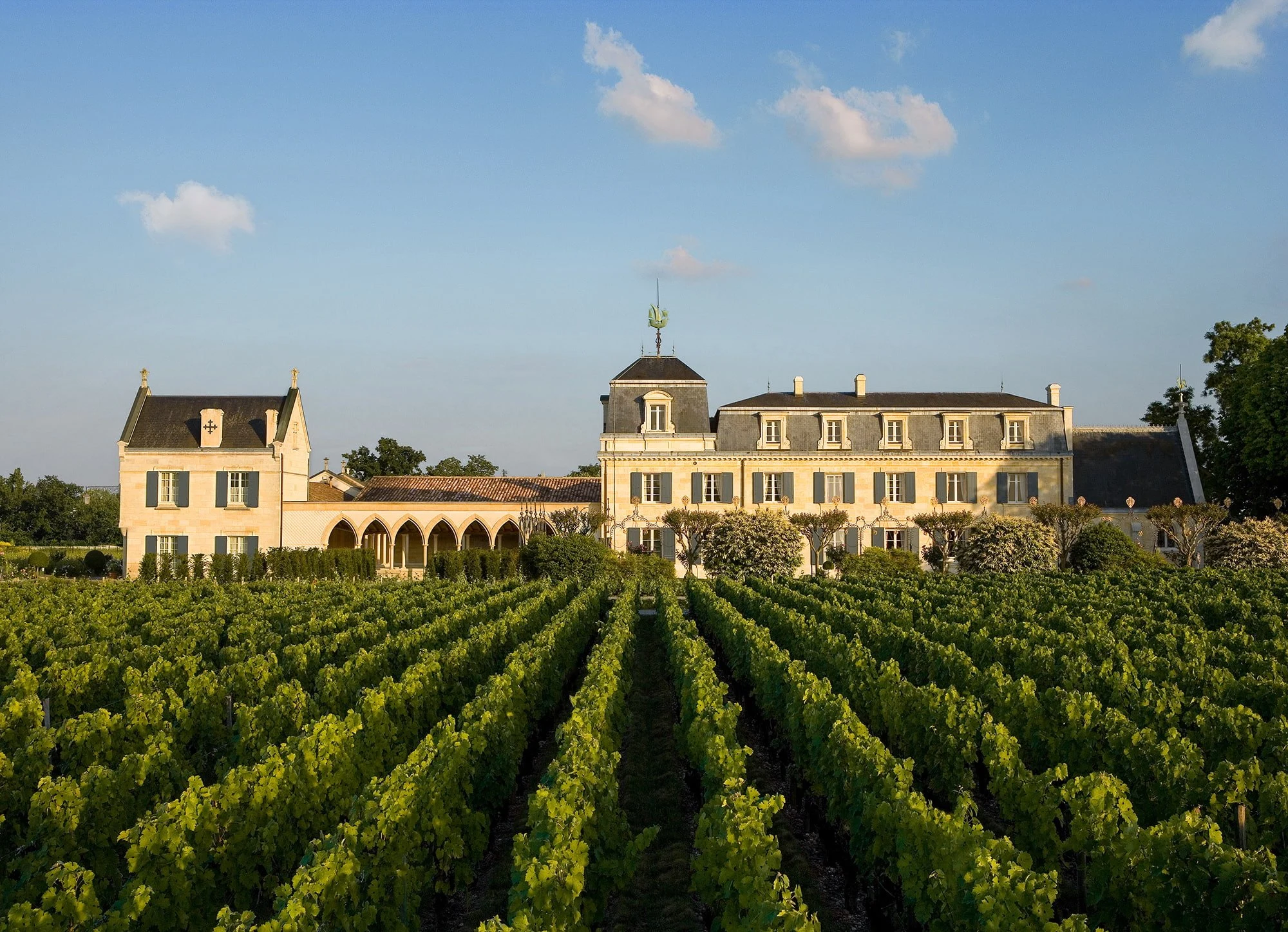
    Sieur d’Arques gives Limoux’s sparkling-wine history a cooperative frame: Chardonnay, Mauzac, Chenin, Blanquette and Crémant seen through a large grower base rather than a single-estate lens. The tone is practical and educational, with the cellar, museum and galleries reinforcing why this corner of Occitanie matters to French fizz.

    Sieur d’Arques in Limoux is best understood as a heritage-driven cooperative winery rather than a restaurant-style stop. The visitor context centers on the cellar, museum, and galleries, with a practical, educational feel and a traditional yet modern winemaking identity. For EP Club readers, that distinction matters: this is the kind of venue to approach for orientation, atmosphere, and a clearer sense of place, not as a dining-led address or a polished hospitality experience built around restaurant service.

    Limoux wine heritage, read through a cooperative lens

    For EP Club planning purposes, the grounded way to frame Sieur d’Arques is as an iconic Limoux cooperative winery with a classic and rustic atmosphere. Specific claims about founding dates, vineyard scale, grape varieties, appellation history, production methods, awards, or individual wines are not confirmed in the available venue data, so the emphasis here stays on the visitor experience. That makes the page more useful as a planning note than as a technical wine profile: the confirmed value lies in the setting, the cooperative character, and the way the venue helps visitors read Limoux through a heritage context.

    The strongest reason to include Sieur d’Arques in a Limoux plan is its educational setting. The cellar, museum, and galleries give the visit a heritage-led structure, while the cooperative identity keeps the experience practical rather than luxury-driven. Instead of presenting wine culture only as a premium lifestyle object, the venue’s available description points toward a more grounded encounter with the systems, spaces, and local memory surrounding Limoux wine.

    Expect the tone to feel traditional without being frozen in the past. The venue’s identity is described as both traditional and modern in its winemaking outlook, which makes it suitable for travelers who want context, atmosphere, and a clearer sense of Limoux wine culture. That balance is important: the visit can carry a classic, rustic feel while still belonging to a working wine world that is not presented as merely nostalgic.

    What the visit teaches about heritage and style

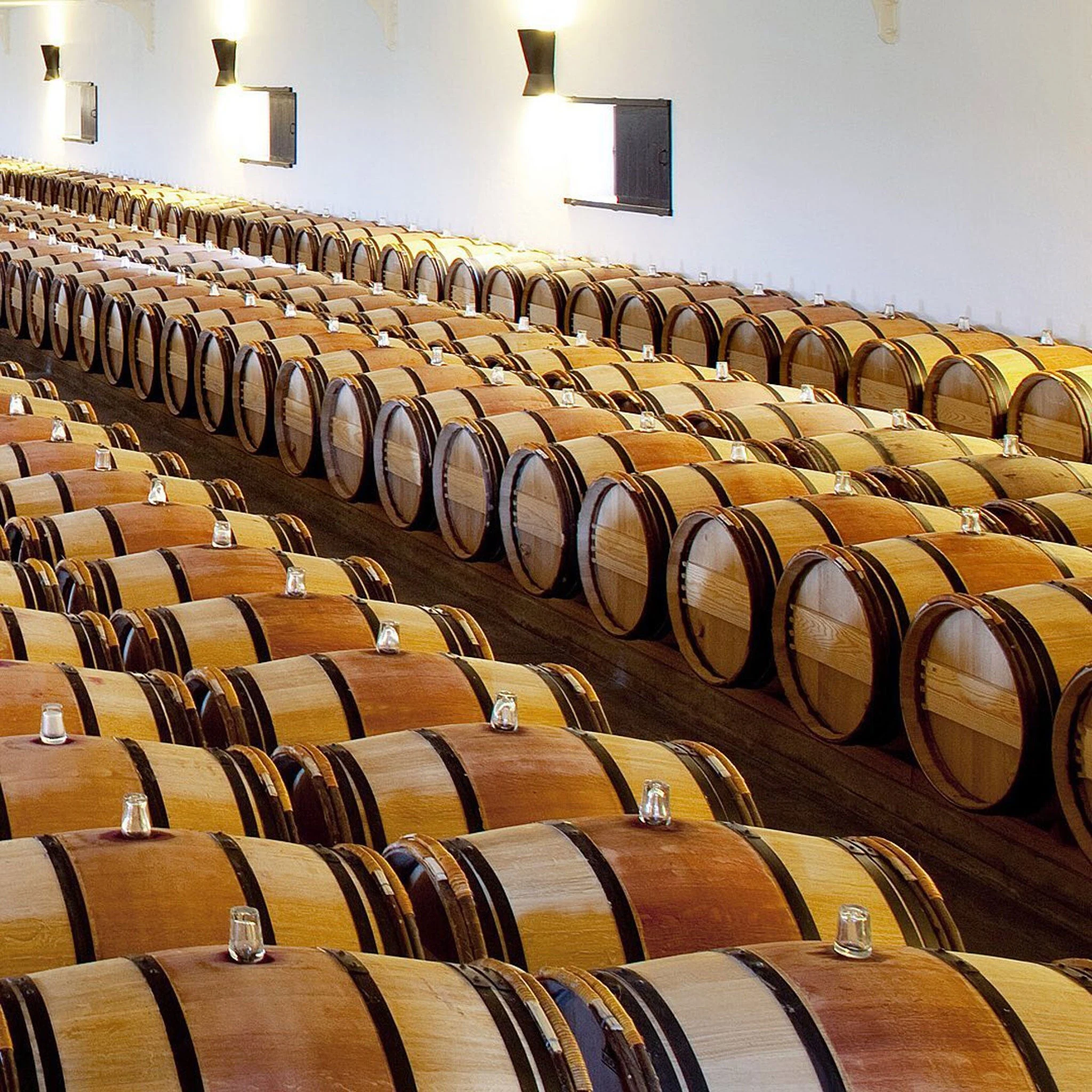
    The experience is built around learning rather than spectacle. Sieur d’Arques is described as classic, rustic, educational, and iconic, with the cellar, museum, and galleries forming the core of the visit. Those elements suggest a venue where the physical setting does much of the storytelling. The cellar gives the experience a working-winery frame, while the museum and gallery components place that frame into a broader heritage narrative.

    Because the available data does not confirm a restaurant service, tasting duration, tour languages, booking rules, sustainability claims, festival links, or production statistics, those details should be checked directly with the venue before planning around them. This is especially relevant for travelers building a timed itinerary, arranging a group visit, or trying to decide whether the stop should function as the main wine experience of the day or as one part of a broader Limoux plan.

    What can be said confidently is that Sieur d’Arques offers a cooperative winery atmosphere in Limoux with a practical, heritage-driven character. It is a useful choice for visitors who prefer educational wine context over a purely decorative stop. The appeal is not based on confirmed extras, elaborate service claims, or a restaurant-style promise; it rests on the direct value of being able to engage with Limoux wine culture through a recognized cooperative setting.

    How to place it within a Limoux wine itinerary

    Sieur d’Arques works well as a Limoux wine-culture stop focused on cellar, museum, and gallery context. Its price level is listed as $, making it a direct option to consider when planning a simple, educational visit. The practical positioning is part of its usefulness: it can be slotted into an itinerary as a clear heritage stop without needing to frame it as a luxury tasting room, destination restaurant, or all-day experience.

    For a wider city plan, pair the visit with other Limoux dining, hotel, bar, winery, and experience research as needed. Within this page, Sieur d’Arques is the only named venue comparison, so other local options are best treated generically unless separately verified. Used this way, the venue functions as an anchor for understanding Limoux wine heritage: a classic, rustic, cooperative address where the cellar, museum, and galleries give the visit shape, and where the overall mood remains educational, practical, and rooted in place.

    Questions

    Frequently asked

    How would you describe the overall feel of Sieur d’Arques?

    Sieur d’Arques feels heritage-driven, classic, rustic, and educational, with the visitor experience centered on the cellar, museum, and galleries in Limoux.

    What does it typically cost at Sieur d’Arques?

    Pricing at Sieur d’Arques is listed as $.

    Where can I find Sieur d’Arques?

    Sieur d’Arques is in Limoux.

    What's the defining thing about Sieur d’Arques?

    Its defining feature is a practical cooperative winery atmosphere shaped by heritage, education, and a traditional yet modern winemaking identity.

    The field

    How it compares

    PlaceNotesAwards
    Sieur d’ArquesLimoux, $·
    Anne de JoyeuseLimoux·
    Château Cheval BlancSaint-Émilion·
    NyetimberHorshamWorld's 50 Best
    ScarecrowNapa·
    Domaine Hubert LignierMorey-Saint-Denis·
    MasiSant'Ambrogio di Valpolicella·

    Similar places

    ← Browse all places