Sikwa
In Residence
Pablo Bonilla
Chef
- 01CuisineCosta Rican Indigenous Cuisine
- 02CitySan José, Costa Rica
- 03RecognitionWorld's 50 Best — No. 43
- World's 50 Best · #43 · World's 50 Best Restaurants
- The Best Chef One Knife · 2025
- World's 50 Best Latin America's Best Restaurants #43 · 2025
Where the Ingredients Come From, and Why That Question Matters
Most restaurants in Central America's capital treat local ingredients as a backdrop. Sikwa, on Calle 41 in Los Yoses, treats them as the argument. The restaurant operates alongside a research program that documents Indigenous culinary traditions across Costa Rica's diverse ethnic communities, and the sourcing decisions that follow from that work are not decorative. They are the menu's structural logic. Corn varieties, root vegetables, and plant-based preparations that have been absent from San José's dining rooms for generations appear here as primary material, not garnish.
That framing places Sikwa in a different competitive set than most of what you'll find in our full San José restaurants guide. Peer restaurants across Costa Rica, from Nayara Springs in San Carlos to El Silencio Lodge & Spa in Bajos del Toro, engage with Costa Rican produce through the lens of resort hospitality or natural landscape. Sikwa's axis is ethnographic and culinary-historical, which changes what the kitchen is trying to prove.
The Physical Approach: Los Yoses and What It Signals
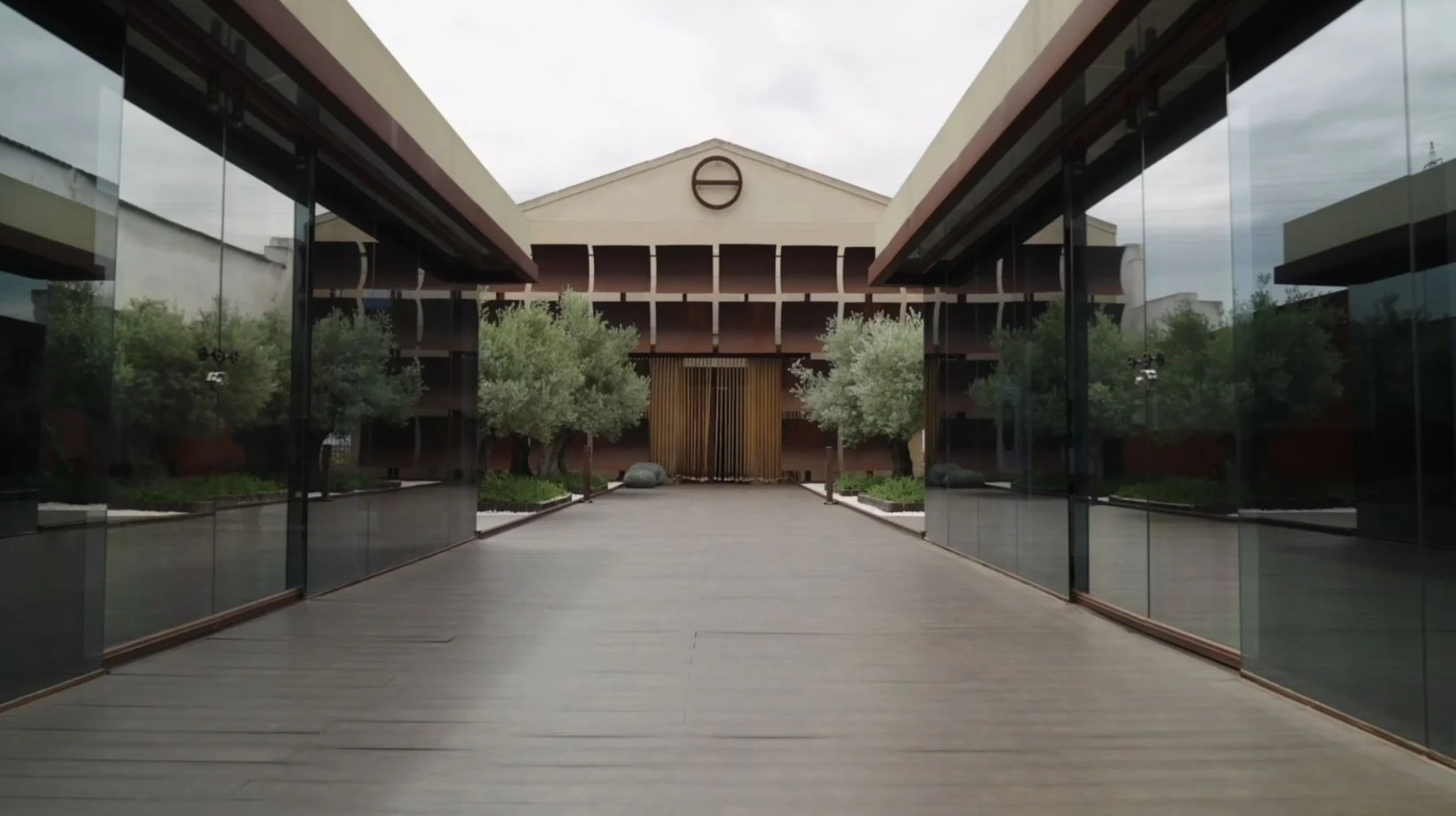
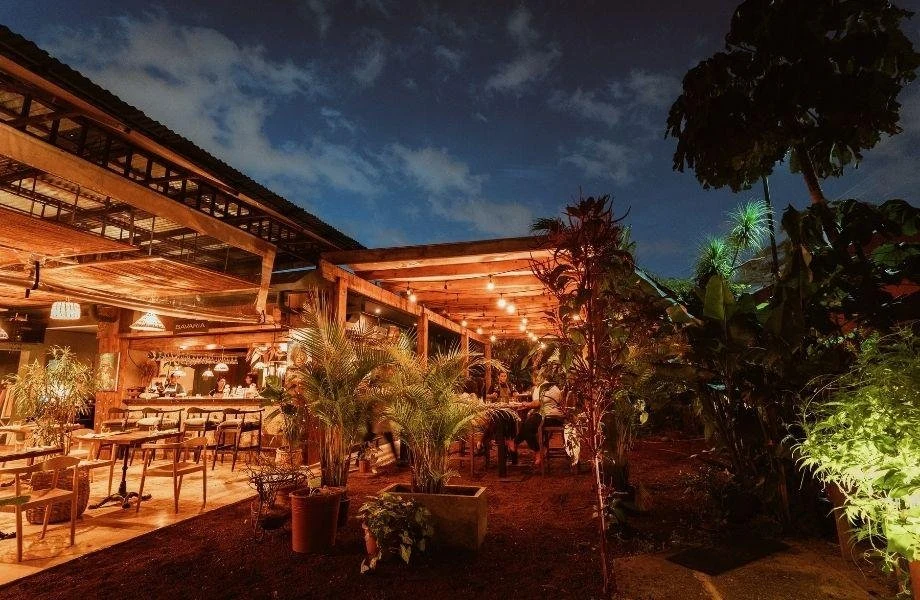
Los Yoses is one of San José's older residential neighborhoods, east of the city center and a short distance from the university district. The area has accumulated a quiet density of independent restaurants and cultural institutions over decades, without the self-conscious development of newer dining corridors. Arriving on foot or by taxi, the neighborhood reads as lived-in rather than curated, and Sikwa's address on Calle 41 fits that grain. The space does not announce itself with the visual language of premium positioning. That restraint is consistent with the kitchen's priorities.
Ancestral Technique as Kitchen Practice
The broader trend in Latin American fine dining over the past decade has been a turn toward pre-colonial ingredient systems and preparation methods. Restaurants like Atomix in New York City have demonstrated that deep cultural research and ambitious technique can coexist at the highest level. In Central America, that movement has moved more slowly, partly because the documentation work required to ground it is genuinely difficult. Sikwa is one of the few restaurants in the region that has taken on both sides of that equation: the archival and the culinary.
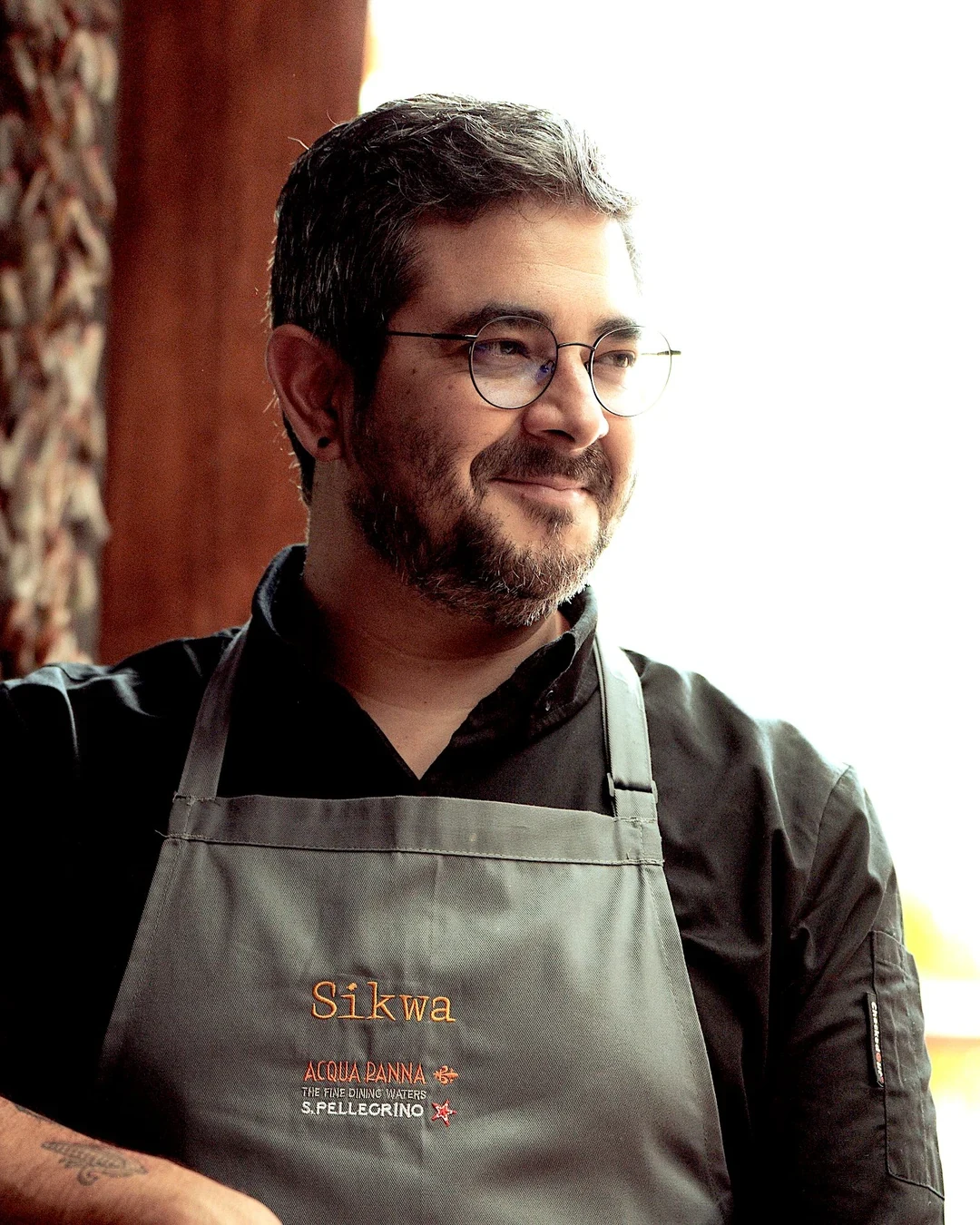
Chef Pablo Bonilla's kitchen does not simply use native ingredients as a trend signal. The research center function means that the sourcing of ingredients is tied to relationships with specific Indigenous communities and agricultural systems. Fermentation methods, cooking over live fire, and preparations using native cacao, palm hearts, and endemic corn varieties reflect documented techniques rather than speculative reconstructions. This is a meaningful distinction. In a category where many restaurants claim ancestral inspiration without the scholarly infrastructure to support it, Sikwa's dual structure as restaurant and research center establishes a different level of accountability.
Internationally, parallels exist at restaurants where cultural research underpins the sourcing model. Lazy Bear in San Francisco and Emeril's in New Orleans both engage with regional food histories, but through different methodological lenses. What Sikwa shares with the more research-intensive end of that spectrum is a kitchen where the sourcing documentation is treated as part of the dining proposition, not background material.
What Costa Rica's Indigenous Food Traditions Actually Represent
Costa Rica has eight recognized Indigenous territories, home to communities including the Bribri, Cabécar, Boruca, and Ngäbe, among others. Their culinary traditions draw on ecosystems that range from the Caribbean coast to the Pacific lowlands to the high-altitude Talamanca range. That geographic spread produces significant variation in ingredient systems: starchy tubers from humid lowlands, dried and smoked preparations suited to highland climates, fermented beverages derived from local cacao and corn. These are not a single cuisine but a set of distinct regional traditions that share certain structural logics.
San José's restaurant scene has historically reflected Spanish colonial and later European influence far more than Indigenous practice. The gap between what the country's food culture actually contains and what its capital's restaurants have served is substantial. Sikwa's existence as a named venue doing documented work on that gap is a structural contribution to Costa Rican food culture, independent of any single evening's menu. That context matters when placing it relative to other Costa Rican restaurants in the premium segment, such as Sentido Norte in Las Catalinas or Casa Chameleon at Las Catalinas in Potrero, both of which engage with Costa Rican ingredients within more conventional hospitality frameworks.
Placing Sikwa in the Wider San José Dining Scene
San José does not yet sit on the international fine-dining circuit in the way that Lima, Mexico City, or Buenos Aires does. The city's premium restaurant tier is smaller, and international recognition for individual venues remains limited. Within that context, Sikwa has attracted attention from food journalists and culinary researchers rather than the awards infrastructure that tracks tasting-menu restaurants in larger markets. Its positioning is closer to Copenhagen's Noma in methodological ambition, though operating at a very different scale, than to the luxury-hotel dining model represented by Alain Ducasse at Louis XV in Monte Carlo or Alléno Paris au Pavillon Ledoyen.
For travelers building a broader picture of Costa Rican dining, Conservatorium in San José offers a different entry point into the city's restaurant culture, and Conservatorium in Ciudad Colón extends that picture into the Central Valley. Beyond restaurants, map the city's wider offerings for visitors with time to explore.
Comparable high-concept research-driven restaurants elsewhere, including 8½ Otto e Mezzo Bombana in Hong Kong and Le Bernardin in New York City, have built sustained international recognition through consistent critical engagement over many years. Sikwa's trajectory points in a similar direction, though its subject matter is specific to Central America and its comparable set is defined more by cultural mission than by fine-dining category.
Planning Your Visit
Sikwa is located at Calle 41 in Los Yoses, San José. Reservations are recommended. The address in Los Yoses puts it within reach of San José's main accommodation zones and close to the neighborhood's own cluster of independent restaurants and cafés, making it a practical anchor for an evening in that part of the city rather than a detour requiring significant planning.
Frequently Asked Questions
Is Sikwa child-friendly?Sikwa is a research-led restaurant in San José focused on Indigenous culinary heritage; the environment and format are suited to adults with a serious interest in food culture rather than families with young children.
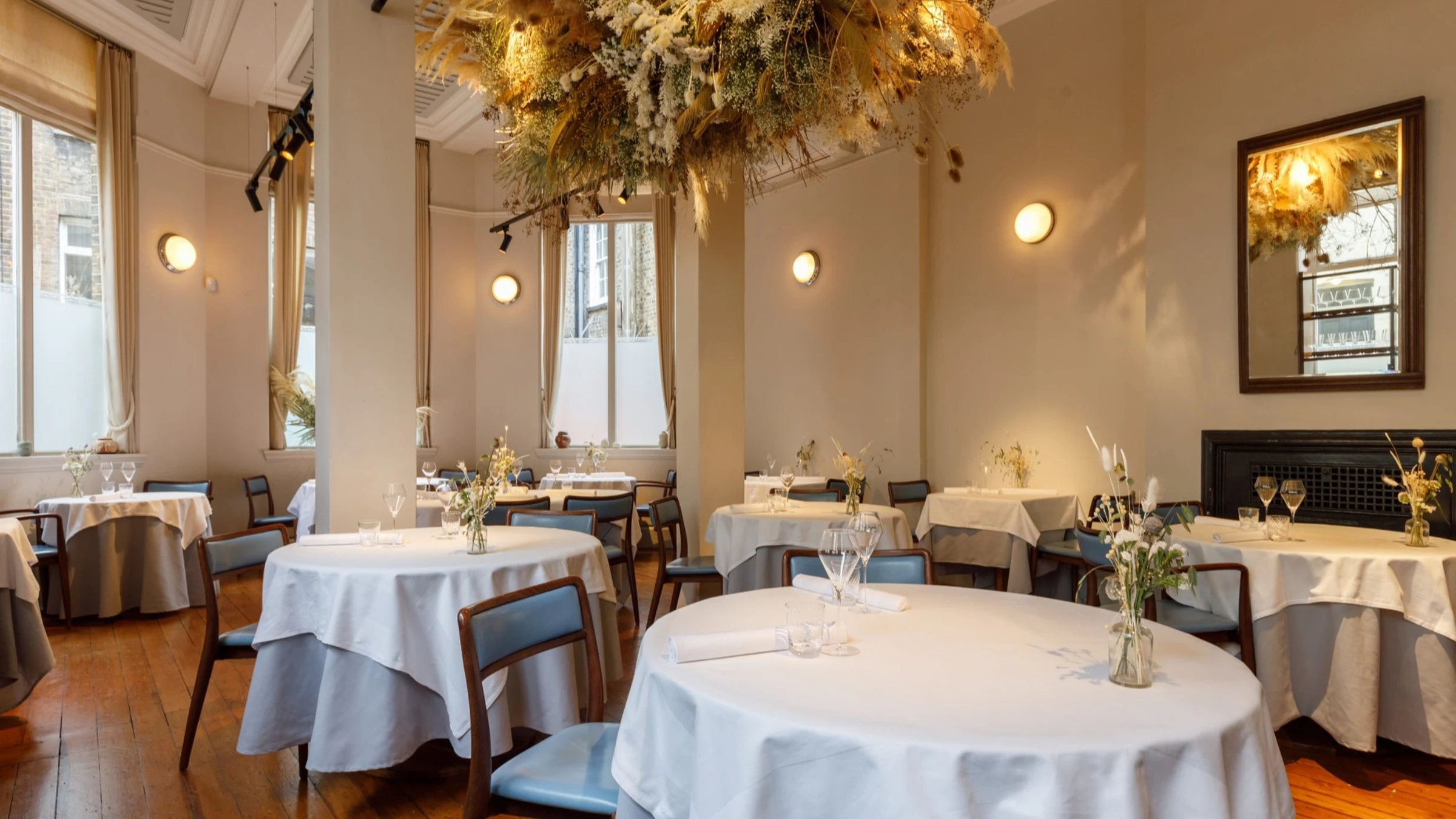
What is the atmosphere like at Sikwa?In a San José dining scene where hotel restaurants and contemporary European-influenced formats dominate the premium tier, Sikwa occupies a quieter, more studious register. The Los Yoses setting, the research-center structure, and Chef Pablo Bonilla's sourcing-first approach produce a room where the conversation tends to stay on the food. It is not a place designed around spectacle or occasion-dining theatre.
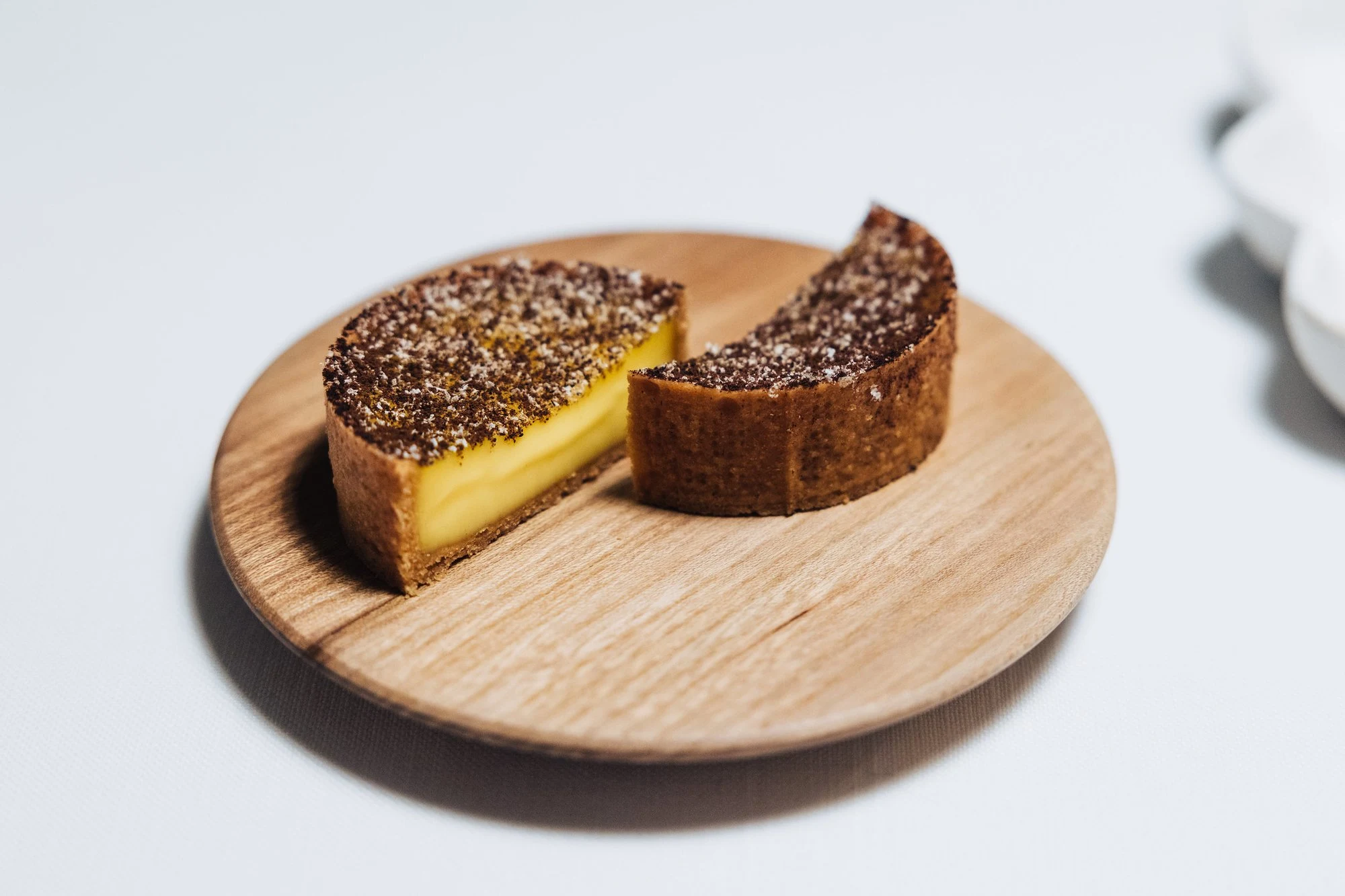
What should I eat at Sikwa?Order with the research program as your guide: the dishes built around Indigenous-sourced ingredients and ancestral techniques are the reason Chef Pablo Bonilla's kitchen operates differently from other Costa Rican restaurants. Preparations using native cacao, endemic corn varieties, and documented fermentation methods reflect the restaurant's core work, and those are the plates that distinguish a meal here from anything else available in the city.
Questions
Frequently asked
What recognition does Sikwa hold?
Sikwa holds a place on the World's 50 Best list at number 43.
Who works at Sikwa?
Made By profiles Pablo Bonilla (Chef) at Sikwa.
How expensive is Sikwa?
Sikwa is listed at a price level of $$$.
Where is Sikwa and what does it serve?
Sikwa is in Los Yoses, San José, serving Costa Rican Indigenous Cuisine.
The field
How it compares
| Place | Awards | Cuisine | Notes |
|---|---|---|---|
| Sikwa | World's 50 Best #43 | Costa Rican Indigenous Cuisine | Los Yoses, $$$ |
| Aponiente | Michelin 3 Stars, World's 50 Best | Avant-Garde Marine Seafood | El Puerto de Santa María |
| Casa Marcial | Michelin 3 Stars | Modern Asturian Fine Dining | Arriondas |
| Gaggan Anand | Michelin 1 Star, World's 50 Best | Progressive Indian | Bangkok |
| Jordnær | Michelin 3 Stars, World's 50 Best | Modern Nordic Seafood Fine Dining | Gentofte |
| Quintonil | Michelin 2 Stars, World's 50 Best | Modern Mexican Fine Dining | Mexico City |
| The Clove Club | Michelin 2 Stars, World's 50 Best | Modern British Fine Dining | London |
In residence
Similar places
Avant-Garde Marine Seafood
Aponiente
El Puerto de Santa María, Spain
★★★ · 50 Best
Modern Asturian Fine Dining
Casa Marcial
Arriondas, Spain
★★★
Progressive Indian
Gaggan Anand
Bangkok, Thailand
★ · 50 Best
Modern Nordic Seafood Fine Dining
Jordnær
Gentofte, Denmark
★★★ · 50 Best
Modern Mexican Fine Dining
Quintonil
Mexico City, Mexico
★★ · 50 Best
Modern British Fine Dining
The Clove Club
London, United Kingdom
★★ · 50 Best