Skip to Content
    Made ByWinery

    Simon Wine

    1. 01CityKitzingen, Germany
    Simon Wine

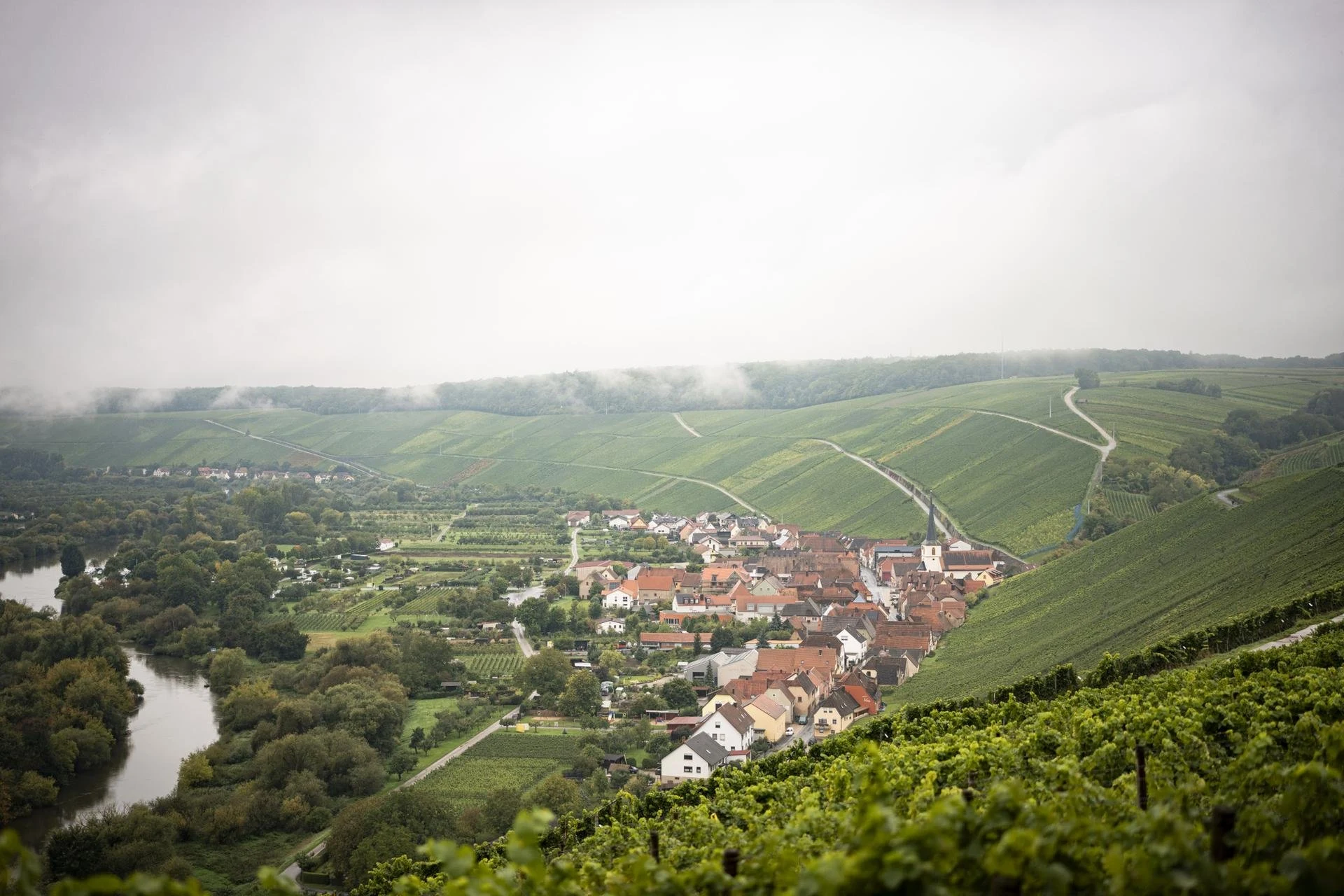
    Simon Wine puts Franconian natural wine into a modest Kitzingen frame: organic and regenerative farming, zero-intervention cellar work, and a Friday tasting culture built around conversation rather than ceremony. The point is not estate grandeur, but a direct reading of Silvaner, Pinot Blanc, Chardonnay, Pinot Noir, Domina and Savagnin through a young, small-scale producer with a strong sense of place.

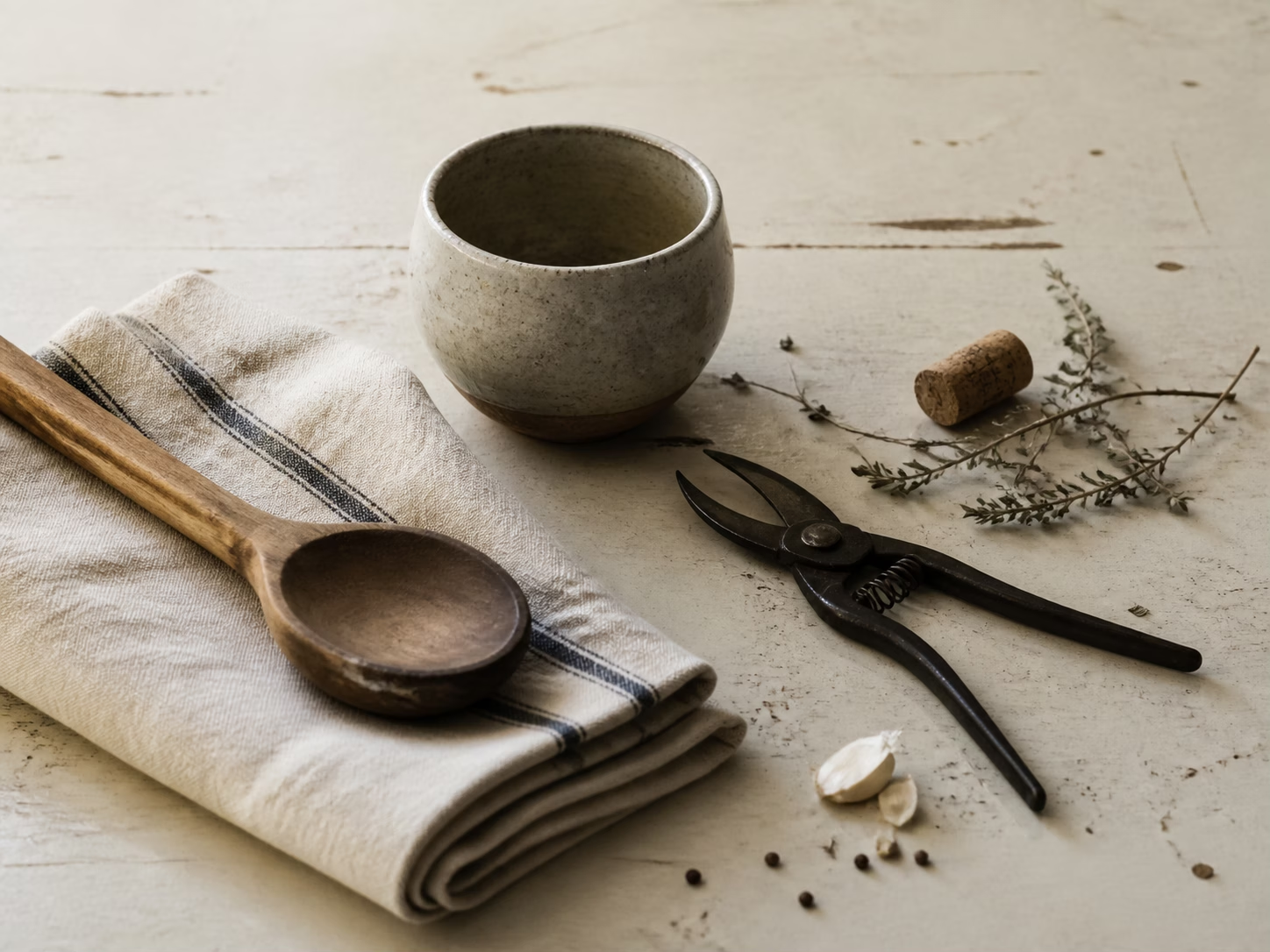
    Approach Simon Wine as a Kitzingen venue with a quiet, pared-back identity. The profile is minimalist, nature-forward and rustic, with a cozy, hidden-gem feel. Rather than relying on a highly polished presentation, the setting is best understood as one that keeps the focus on the wine and the story of the vineyard. That makes it a venue to read through mood and restraint rather than through a long list of confirmed details. Its appeal, as presented here, comes from simplicity: a place where the atmosphere does not appear to compete with the glass, and where the rustic character gives the experience a grounded, unforced quality.

    Because only limited details are available, it is better not to overstate the format, menu, service schedule or production specifics. What can be said clearly is that Simon Wine sits in Kitzingen, is listed at the $ price level, and presents itself with a simple, rustic atmosphere built around wine rather than spectacle. For planning purposes, that distinction matters. This is not a profile that supports assumptions about a full dining program, a structured tasting format, or a particular visitor routine. It is more accurate to describe Simon Wine as an accessible, understated wine-focused stop whose confirmed strengths are place, price category and overall style.

    A nature-forward wine focus

    Simon Wine’s description points to a nature-forward mood and a focus on wine and vineyard story. Specific claims about grape varieties, farming certification, production methods, named cuvées, vintages or cellar practices are not confirmed here, so they should not be treated as established facts. The nature-forward language is therefore best understood as part of the venue’s identity and atmosphere, not as a technical statement about viticulture or winemaking. It suggests a tone that is closer to the land and the vineyard than to a glossy, high-concept presentation, while still leaving the precise details deliberately open.

    For visitors, the useful takeaway is atmospheric rather than technical: expect a minimalist, quietly rustic impression, with the wine itself positioned as the center of attention. That can be enough to shape expectations in a practical way. The setting should be approached as low-key and wine-led, with the surrounding story of the vineyard giving the visit its frame. The absence of confirmed technical detail does not weaken that impression; it simply means the venue should not be described beyond what is actually supported. In EP Club terms, Simon Wine reads as a place where the draw is the feel of the encounter as much as any itemized offering.

    There is not enough information to present a detailed biography, founding timeline or production history. The safest way to frame Simon Wine is as a Kitzingen wine venue with a restrained, nature-led identity and an accessible $ price level. That framing keeps the emphasis where the available information places it: on a modest, rustic, wine-centered experience. It also avoids turning a spare profile into something more definitive than it is. Readers should understand Simon Wine through its confirmed outline, not through assumptions about backstory, scale, method or range.

    What is before you go

    Travelers should therefore avoid assuming a particular schedule or format in advance. Anyone considering a visit should treat those practical details as unless confirmed separately. This is especially important for a low-key wine venue, where the experience may be shaped by circumstances that are not captured in a short listing.

    What is is the overall style: minimalist, rustic, cozy and understated. Simon Wine is best framed as a low-key Kitzingen stop where the setting is designed to let wine and vineyard story remain central. The hidden-gem feel is part of that appeal: not showy, not overbuilt, and not described as a place of spectacle. Instead, the atmosphere points toward quietness and focus. Visitors who appreciate simple environments and a sense of closeness to the wine context are the ones most likely to understand why this kind of venue belongs in a Kitzingen plan.

    The confirmed price category is $, which places the venue in an accessible bracket within this guide’s format. That should be read only as a broad guide-level signal, not as a promise about individual costs or offerings. Within the limits of the listing, the $ category reinforces the idea of Simon Wine as approachable rather than grand. Combined with the rustic, minimalist identity, it helps position the venue as a direct wine stop rather than a heavily staged destination.

    How to place Simon Wine in a Kitzingen itinerary

    For a wine-focused visit to Kitzingen, Simon Wine works as a simple, atmosphere-led stop to consider. Its appeal is the combination of a minimalist rustic setting, a cozy hidden-gem feel and an emphasis on wine rather than elaborate presentation. In an itinerary, that means it can serve as a quieter counterpoint to more defined dining or drinking plans, provided visitors keep the limited information in mind. The venue is best approached with flexible expectations and an interest in the basic character of the place: wine-centered, restrained and rooted in a vineyard story.

    Travelers building a wider plan can compare Simon Wine with other dining and drinking options in Kitzingen generically, while keeping expectations grounded: the information supports the venue’s city, price level and overall style, but not specific claims about hours, tastings, production details or services. That grounded approach is the most useful one here. Simon Wine should not be inflated into a fully documented destination, but neither should its simplicity be overlooked. On the evidence available, it belongs in consideration as an accessible Kitzingen wine venue for visitors drawn to quiet atmosphere, rustic minimalism and a setting where the wine remains the main point.

    Questions

    Frequently asked

    Is Simon Wine more formal or casual?

    Casual. Simon Wine is described as minimalist, rustic, cozy and quietly understated, with a focus on the wine and the story of the vineyard. It is listed at the $ price level.

    What does it typically cost at Simon Wine?

    Pricing at Simon Wine is listed as $.

    Where can I find Simon Wine?

    Simon Wine is located in Kitzingen.

    What's Simon Wine best at?

    Simon Wine is best framed as a low-key Kitzingen wine venue with a minimalist, nature-forward and rustic atmosphere. The focus is on letting the wine and vineyard story take center stage.

    The field

    How it compares

    PlaceNotesAwards
    Simon WineKitzingen, $·
    Bodegas MugaHaroWorld's 50 Best
    Chateau Lafite RothschildPauillac·
    Chateau RayasChâteauneuf-du-Pape·
    Chateau AusoneSaint-Émilion·
    Domaine La BarrocheChâteauneuf-du-Pape·
    Hamilton Russell VineyardsHermanusWorld's 50 Best

    Similar places

    ← Browse all places