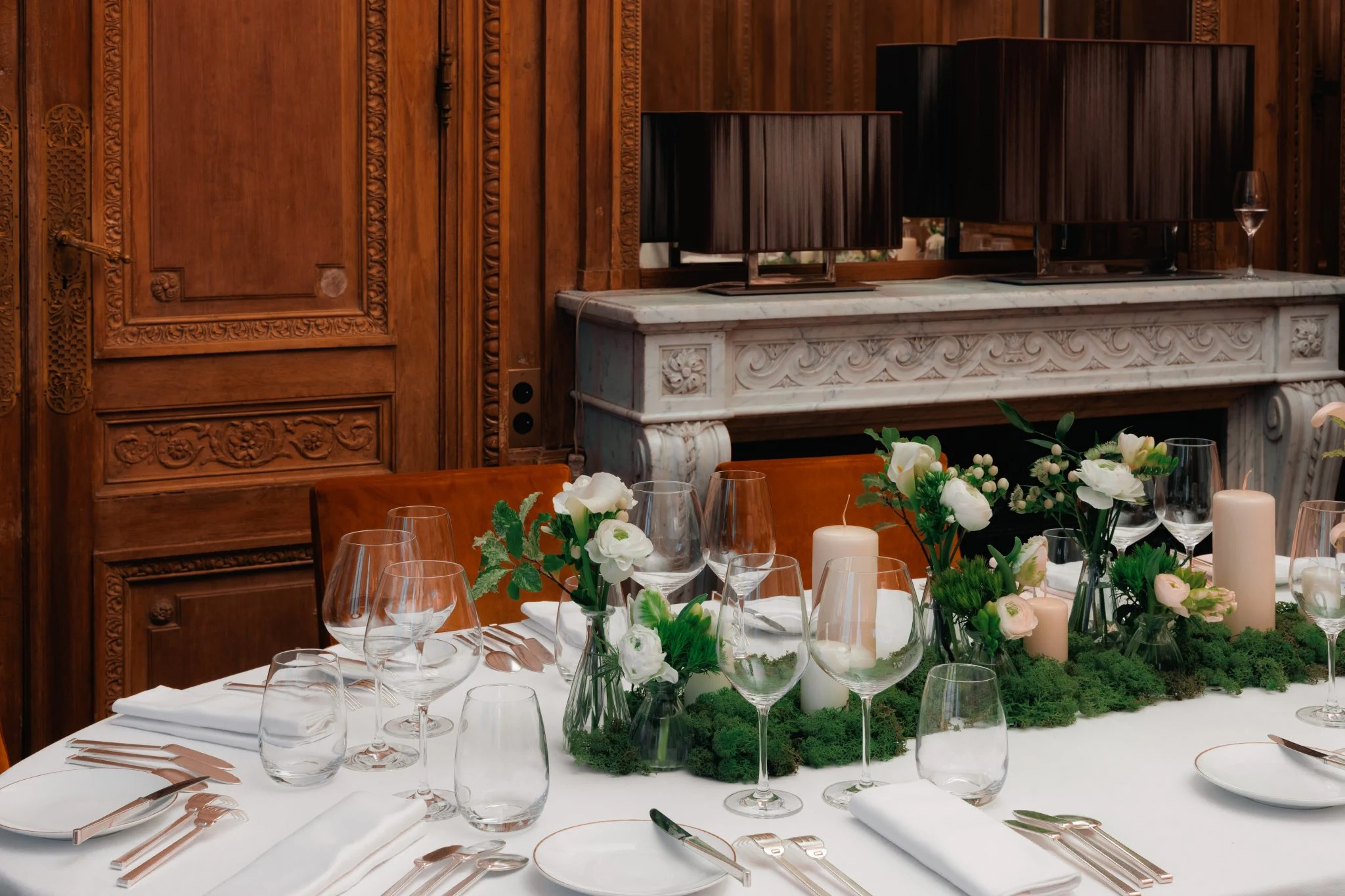
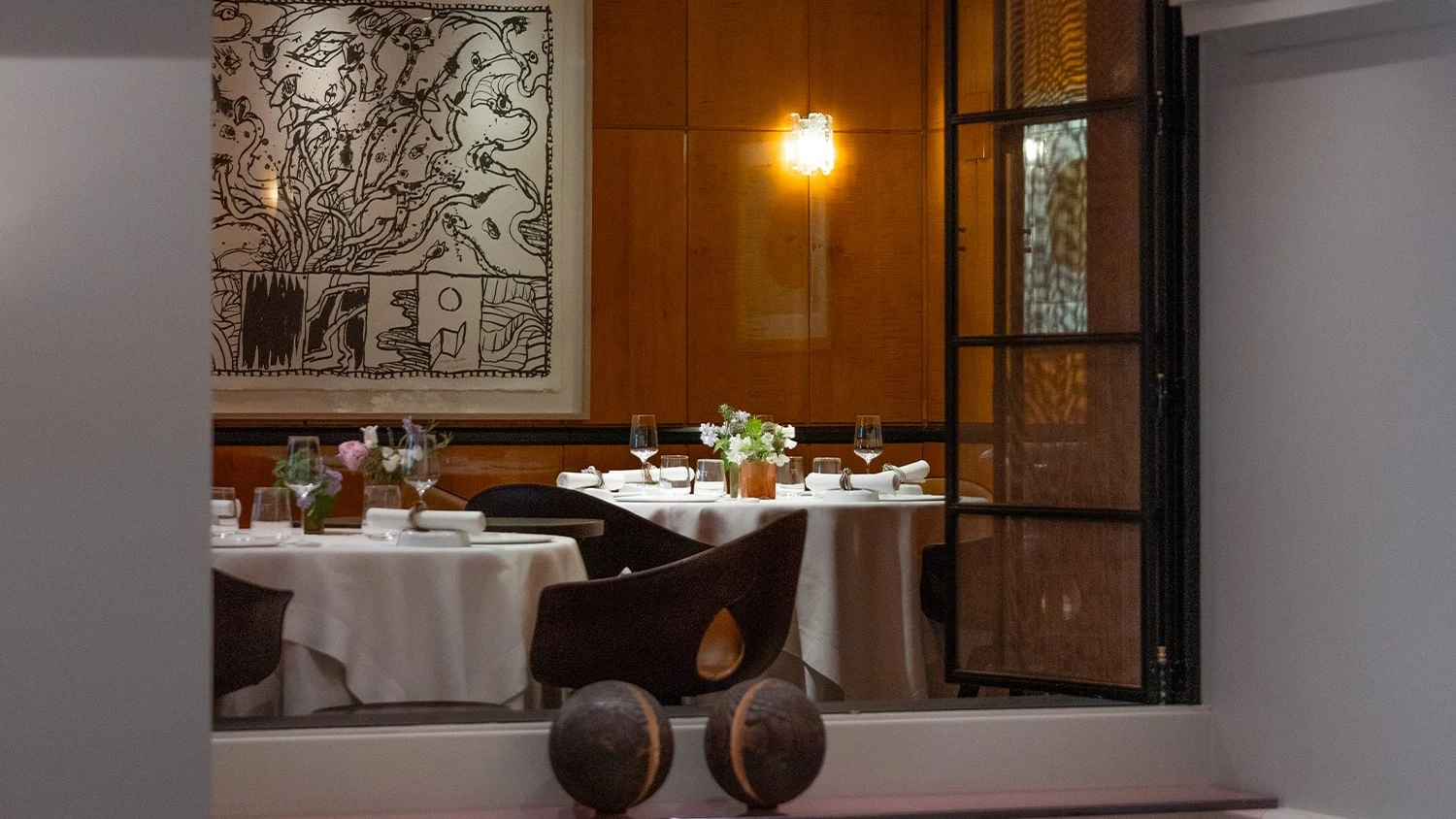
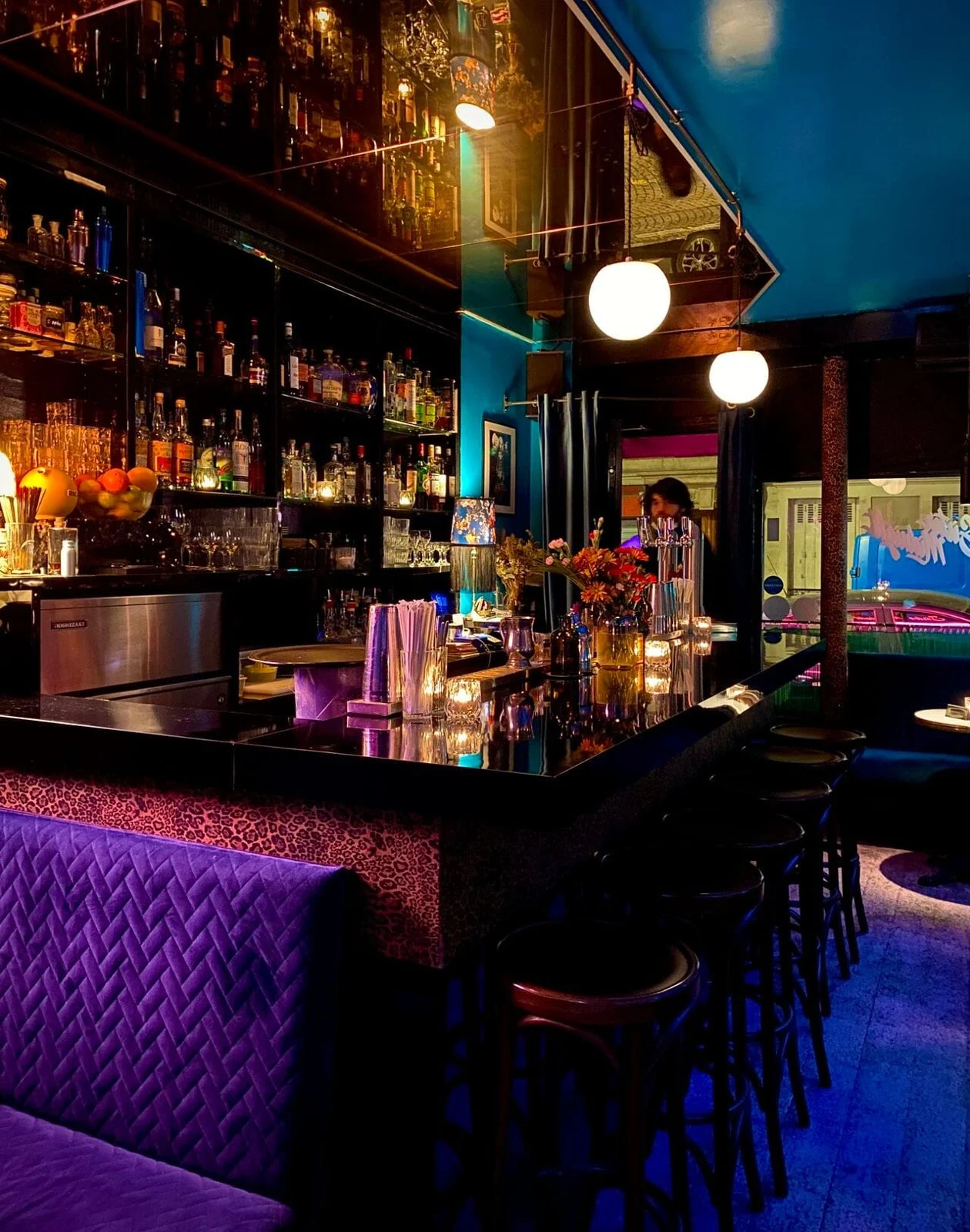
Sister Midnight
- 01CuisineCocktail Bar
- 02CityParis, France
From the people index
Recommended by
One trusted voice points here.

The 9th Arrondissement and the Question of Where Food Comes From
Paris has never had a single dining culture. The city operates in layers: the grand institutions along the Champs-Élysées corridor, where Le Cinq at the Four Seasons George V and Alléno Paris au Pavillon Ledoyen set a particular register of formality and ambition; the classic Left Bank houses like L'Ambroisie and Arpège, where ingredient sourcing has long been part of the critical conversation; and then a more diffuse tier of independent addresses scattered across arrondissements that rarely appear in the same breath as Michelin announcements. The 9th sits somewhere between those worlds. It is residential enough to sustain neighbourhood regulars, central enough to draw visitors who have already covered the established ground.
Sister Midnight is a cocktail bar at 4 Rue Viollet-le-Duc, 75009 Paris, France. The address alone positions it outside the heavily trafficked restaurant corridors of Saint-Germain or the 8th, and that distance from the institutional centre matters when thinking about how ingredient sourcing functions at this level of the market. Without the purchasing power of a three-Michelin-star kitchen or the visibility that brings preferential supplier relationships, independent restaurants in this part of the city have to work differently to establish provenance credibility.
Ingredient Sourcing as a Structural Question, Not a Marketing Claim
The broader shift in how Parisian restaurants communicate about sourcing has been running for roughly fifteen years. What began as a differentiator, first at places like Arpège under Alain Passard, who converted his estate to biodynamic production and made the kitchen's supply chain a central part of the restaurant's identity, has since filtered down through the independent sector. The vocabulary of terroir, small producers, and direct sourcing is now standard across price points, which creates a more demanding environment for restaurants using it seriously.
France's regional restaurant scene has long been the reference for supply chain depth. Addresses like Bras in Laguiole, Mirazur in Menton, and Flocons de Sel in Megève have the geographic advantage of proximity to specific producers, seasonal ingredients, and regional traditions that Paris-based kitchens have to work harder to access. The question for any Paris restaurant making sourcing central to its identity is what the supply chain actually looks like when you are operating from the 9th arrondissement rather than from a hillside in Laguiole or a coastline in Menton.
Independent restaurants in this arrondissement have responded to that structural challenge in different ways. Some work through specialist importers. Others cultivate relationships with the Île-de-France market gardeners who supply Rungis. A smaller number maintain direct contact with producers in Normandy, Brittany, or the Loire, making the sourcing relationship part of how the menu is built rather than how it is described. The address and its position in the 9th places it within this broader independent-restaurant conversation about supply chain versus the institutional kitchens that dominate coverage.
Where Sister Midnight Sits in the Paris Independent Scene
The Paris restaurant market divides more cleanly than it used to. At the upper end, addresses with Michelin recognition operate inside a self-reinforcing ecosystem of awards, international press, and high-value bookings. Kei, with its contemporary French-Japanese synthesis, sits at that €€€€ tier alongside the grands classiques. Further afield, France's regional institutions, from Troisgros in Ouches to Auberge de l'Ill in Illhaeusern and Paul Bocuse at Collonges-au-Mont-d'Or, represent a different kind of credibility rooted in decades of continuity.
The independent mid-tier in Paris, the neighbourhood restaurants without starred recognition but with a defined point of view, operates under different pressures. Visibility is harder to sustain. The competitive set includes not just other restaurants but also the entire informal economy of bistrots, wine bars, and natural wine addresses that have proliferated across the 9th and 10th over the past decade. In that environment, a restaurant's ability to articulate what it is doing with ingredients, and why, becomes a key part of how it builds a returning audience rather than a one-time tourist trade.
For comparison, the same dynamic plays out internationally at restaurants like AM par Alexandre Mazzia in Marseille and Assiette Champenoise in Reims, both of which have built regional followings partly through a defined sourcing identity. The difference is scale and geography: regional addresses can anchor their sourcing narrative in place, while Paris addresses have to construct those relationships from a more complex, urban supply chain.
The Rue Viollet-le-Duc Address
The street itself is in the northern reach of the 9th, closer to the Pigalle boundary than to the Opéra. This part of the arrondissement has seen a concentration of independent restaurants over the past several years, partly because rents sit below those of the more central districts and partly because the neighbourhood has a resident population that actually eats locally rather than treating the area as a destination. That demographic tends to produce a more demanding regular clientele than the tourist-heavy corridors, and restaurants that survive in these streets tend to do so because the cooking holds up across repeated visits rather than because a first impression carries the room.
The international points of comparison are useful here. Cities like New York have watched a similar dynamic at addresses like Atomix, where an independent, sourcing-conscious kitchen built a following through consistent execution before award recognition followed. The sequence matters: in neighbourhoods without inherited prestige, restaurants earn their audience through the plate rather than through the address. Whether Sister Midnight operates on that logic is something the room itself will answer more clearly than any external description.
Planning Your Visit
Sister Midnight is located at 4 Rue Viollet-le-Duc, 75009 Paris. The nearest Métro stops are Pigalle (lines 2 and 12) and Saint-Georges (line 12), both within a short walk. Reservations: Walk-ins are welcome. Dress: Casual. Budget: About $15 per person. For a broader map of where Sister Midnight sits within the city's dining geography, see our full Paris restaurants guide.
Questions
Frequently asked
How expensive is Sister Midnight?
Sister Midnight is listed at a price level of $$$.
Where is Sister Midnight and what does it serve?
Sister Midnight is in Pigalle, Paris, serving Cocktail Bar.
The field
How it compares
| Place | Cuisine | Notes | Awards |
|---|---|---|---|
| Sister Midnight | Cocktail Bar | Pigalle, $$$ | · |
| Arpège | Vegetable-Focused French Fine Dining | Paris | Michelin 3 Stars, World's 50 Best |
| Epicure | Contemporary French Fine Dining | Paris | Michelin 3 Stars |
| Guy Savoy | Classic French Fine Dining | Paris | Michelin 2 Stars, World's 50 Best |
| Le Cinq | Modern French Fine Dining | Paris | Michelin 3 Stars, World's 50 Best |
| Le Taillevent | Classic and Modern French Fine Dining | Paris | Michelin 2 Stars, World's 50 Best |
| Pierre Gagnaire | Avant-Garde French Fine Dining | Paris | Michelin 3 Stars, World's 50 Best |
Similar places
Vegetable-Focused French Fine Dining
Arpège
Paris, France
★★★ · 50 Best
Contemporary French Fine Dining
Epicure
Paris, France
★★★
Classic French Fine Dining
Guy Savoy
Paris, France
★★ · 50 Best
Modern French Fine Dining
Le Cinq
Paris, France
★★★ · 50 Best
Classic and Modern French Fine Dining
Le Taillevent
Paris, France
★★ · 50 Best
Avant-Garde French Fine Dining
Pierre Gagnaire
Paris, France
★★★ · 50 Best