Made ByRestaurant
SPAGO Las Vegas

Chef in Residence
Byron Lazaroff-Puck
Managing Director
- 01CuisineCalifornia-Inspired Fine Dining
- 02CityLas Vegas, United States
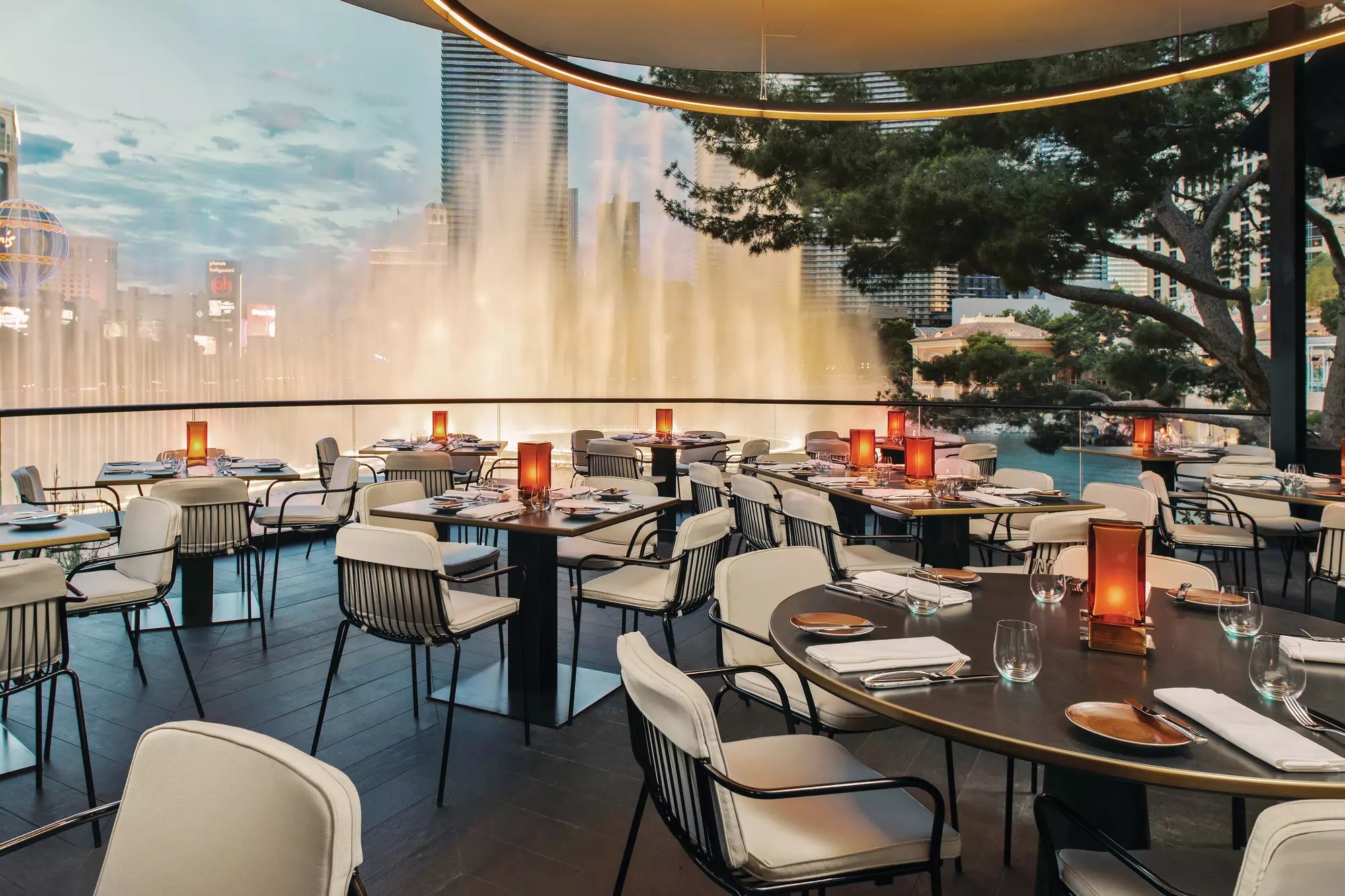
Wolfgang Puck's Las Vegas flagship carries the cultural weight of a restaurant that helped define what celebrity dining on the Strip could look like. The menu reads as a document of California-European ambition translated for a city that rewards confidence and scale. For Las Vegas fine dining, it remains a useful reference point against which newer arrivals are still measured.
At a glance
- Cuisine
- California-Inspired Fine Dining
- Price
- $$$$
- Neighborhood
- The Strip
<h2>What the Room Tells You Before You Order</h2><p>There is a particular kind of restaurant in Las Vegas where the physical environment functions as argument. The room at SPAGO Las Vegas, inside The Forum Shops at Caesars Palace, makes its case immediately: polished surfaces, an open energy, a dining floor that seats a crowd without feeling like a cafeteria. The architecture of the space signals something specific about the food that follows: this is not a room built for hushed reverence, and the menu never pretends otherwise. Where some Strip restaurants adopt the gravity of a European tasting room, SPAGO operates in a register closer to confident Californian ease, which has historically been both its appeal and its point of difference in a city that has imported fine dining from every direction.</p><p>That position matters in Las Vegas. The Strip's dining tier has expanded dramatically over the past two decades, with outposts from <a href="https://www.enprimeurclub.com/restaurants/le-bernardin">Le Bernardin in New York City</a> and the influence of chefs trained in traditions as different as those behind <a href="https://www.enprimeurclub.com/restaurants/alinea">Alinea in Chicago</a> all coexisting within a few miles. Against that crowd, SPAGO occupies a specific lane: approachable enough to handle a celebratory dinner for guests who are not necessarily deep restaurant obsessives, and serious enough to hold a conversation with the city's more technically demanding kitchens.</p><h2>Menu Architecture: California Logic in a Las Vegas Room</h2><p>The structure of the menu at SPAGO Las Vegas follows the logic of the California-European tradition that Wolfgang Puck codified across his restaurants in the 1980s and 1990s. That tradition privileges composed dishes that read clearly, protein, vegetable, sauce, over the more academic deconstruction favoured by some of its contemporaries. What you find at SPAGO is a menu that moves laterally through influences rather than drilling vertically into a single culinary system. Wood-fired preparations appear alongside refined European saucing, and Asian-inflected flavours surface in a way that feels generative rather than grafted on.</p><p>That breadth is itself an editorial choice. A restaurant that commits to a single cuisine or a strict tasting-only format makes a different kind of statement: it tells the reader exactly what kind of dinner to expect. SPAGO's menu, by contrast, functions more like a California wine list, organized around a philosophy of pleasure and variety rather than doctrinal purity. For a segment of Las Vegas diners who want somewhere that can accommodate a table with different appetites and different levels of culinary interest, this architecture serves a real purpose. Compare that approach to the more focused programmes at venues like <a href="https://www.enprimeurclub.com/restaurants/aqua-seafood-caviar-restaurant-by-shaun-hergatt-las-vegas-restaurant">Aqua Seafood & Caviar Restaurant by Shaun Hergatt</a>, where the menu is built around a tighter product identity, or <a href="https://www.enprimeurclub.com/restaurants/aburiya-raku-las-vegas-restaurant">Aburiya Raku</a>, which anchors itself firmly in Japanese robatayaki tradition.</p><p>The Wolfgang Puck brand has always understood that a menu is also a hospitality document. Dishes need to be readable, satisfying, and defensible across a wide range of guests, not just the committed food traveller who cross-references Michelin guides, but the anniversary couple and the post-show crowd who wandered into The Forum Shops on a recommendation. That dual obligation shapes every section of the menu, from the lighter starters built around seasonal California produce to the heavier European-inflected mains that anchor the centre of the card.</p><h2>Where SPAGO Sits in Las Vegas Fine Dining</h2><p>Las Vegas fine dining has historically split into two categories: the imported flagship, where a chef with an established name opens a Strip outpost to capture tourist spend, and the locally embedded restaurant, which builds its reputation through repeat Las Vegas diners and off-Strip credibility. SPAGO began as the former and has gradually developed properties of the latter. It opened on the Strip at a moment when that was still a novel category, which gives it a longevity that newer entrants cannot manufacture. The restaurants it competes with today, including the steakhouse tier represented by <a href="https://www.enprimeurclub.com/restaurants/craftsteak-las-vegas-restaurant">Craftsteak</a> and European-inflected rooms like Bardot Brasserie, operate in a far more crowded market than the one SPAGO entered.</p><p>That longevity is worth taking seriously as a trust signal. A Las Vegas restaurant that has maintained relevance across multiple cycles of Strip development, through the Wynn-era expansion, through the explosion of celebrity-chef outposts in the 2000s, and through the more recent emphasis on off-Strip independents, has done something that is not purely a function of marketing. It has continued to deliver an experience that keeps a proportion of its guest base returning. For context, consider how different the competitive environment looks today when set against internationally recognised properties like <a href="https://www.enprimeurclub.com/restaurants/the-french-laundry">The French Laundry in Napa</a> or the farm-driven ambition of <a href="https://www.enprimeurclub.com/restaurants/single-thread">Single Thread Farm in Healdsburg</a>, restaurants that have defined their era through tighter editorial control. SPAGO's durability in Las Vegas reflects a different kind of discipline: knowing what kind of restaurant the room needs to be, and executing that consistently.</p><p></p><h2>Practical Planning</h2><p>SPAGO Las Vegas sits inside The Forum Shops at Caesars Palace, which makes it accessible on foot from several major Strip hotels. The location inside a shopping complex can surprise first-time visitors expecting a standalone address, but the dining room itself operates with the separation from retail that a room of this calibre requires. Reservations are essential, particularly on weekends and during peak Las Vegas event periods including major boxing weekends, Formula One, and the conference season centred on the Las Vegas Convention Center. Walk-in availability at the bar tends to be more reliable than at the main dining room, and the bar menu represents a lower-commitment entry point for guests who want to assess the kitchen before committing to a full dinner.</p><p>Restaurants at a similar positioning in the California-European tradition, such as Emeril's in New Orleans or the more format-driven <a href="https://www.enprimeurclub.com/restaurants/lazy-bear">Lazy Bear in San Francisco</a>, offer useful comparative reference points for understanding what SPAGO is and, equally, what it is not. It is not a tasting-menu-only room and not a single-cuisine specialist. It is a full-service California-European restaurant operating at the upper end of the Las Vegas market, in a city where that category has genuine demand.</p><p>Diners with specific dietary requirements, including vegetarian preferences, are generally accommodated within the California-European format, which has always drawn on vegetable-forward cooking as a structural element rather than an afterthought. Guests with particular requirements should contact the restaurant directly to confirm current menu options ahead of visit. For further off-Strip dining options worth considering alongside a SPAGO booking, <a href="https://www.enprimeurclub.com/restaurants/ada-s-food-wine-las-vegas-restaurant">Ada's Food + Wine</a> and <a href="https://www.enprimeurclub.com/restaurants/amata-modern-thai-las-vegas-restaurant">Amata Modern Thai</a> both represent distinct alternatives in different price and cuisine registers.</p>
Know before you go
- Dress code
- smart_casual
- Reservations
- essential
- Parking
- valet
- Payment
- credit_card
- Outdoor seating
- Yes
- Groups
- Welcomed
Frequently asked
How does SPAGO Las Vegas differ from other Wolfgang Puck restaurant locations?
The Las Vegas location operates inside The Forum Shops at Caesars Palace, placing it within a retail and casino environment that shapes both the clientele and the room's dynamic in ways that distinguish it from freestanding Puck properties. Where flagship locations in Los Angeles are destination restaurants in their own right, SPAGO Las Vegas sits at the intersection of Strip hotel convenience and established fine dining credentials, drawing both hotel guests and local diners familiar with Puck's California-European approach.
What do regulars order at SPAGO Las Vegas?
SPAGO Las Vegas is built around the California-European tradition Wolfgang Puck established across his broader restaurant group, which means regulars tend to anchor on wood-fired preparations and composed seasonal plates rather than steakhouse-style entrées. The menu architecture rewards repeat visitors who move through multiple courses rather than ordering à la carte in isolation. Because the kitchen operates within a California logic, proteins and vegetables share equal structural weight on the menu.
Is SPAGO Las Vegas reservation-only?
SPAGO Las Vegas sits inside The Forum Shops at Caesars Palace, a high-traffic retail corridor attached to one of the Strip's largest hotel properties. That location means walk-in availability can vary sharply depending on the night and season. For a confirmed table, particularly on weekends or during convention periods when Las Vegas hotel occupancy spikes, booking ahead is the practical approach.
What has SPAGO Las Vegas built its reputation on?
SPAGO Las Vegas carries the credential of being one of the earliest celebrity-chef outposts on the Strip, arriving before the current wave of imported flagships normalized the format. Its reputation rests on the California-European framework Wolfgang Puck codified, which prioritizes produce-forward cooking and composed plates over the heavy steakhouse tradition that long defined Las Vegas fine dining. That positioning has given it a durable identity in a market where restaurants cycle in and out at high frequency.
Can SPAGO Las Vegas handle vegetarian requests?
The California-European tradition that defines SPAGO's menu architecture treats vegetables as structural elements rather than substitutions, which means the kitchen is better positioned than most Las Vegas fine dining rooms to accommodate vegetarian diners without defaulting to a single token dish. That said, specific current menu accommodations should be confirmed directly with the restaurant when booking, as seasonal composition shifts.
How it compares
- Cuisine
- California-Inspired Fine Dining
- Awards
- —
- Notes
- The Strip, $$$$
- Cuisine
- California-Inspired Fine Dining
- Awards
- —
- Notes
- South Las Vegas, $$$$
- Cuisine
- Rooftop Cocktails & Small Plates
- Awards
- —
- Notes
- Downtown North District, $$$$
- Cuisine
- Contemporary American Kosher (New Yiddish Cuisine)
- Awards
- —
- Notes
- Las Verdes Heights, $$$
- Cuisine
- Modern American Fine Dining
- Awards
- 3 recognitions
- Notes
- South Las Vegas, $$$$
- Cuisine
- Contemporary American Fine Dining
- Awards
- 3 recognitions
- Notes
- The Strip, $$$$
In residence

Similar places
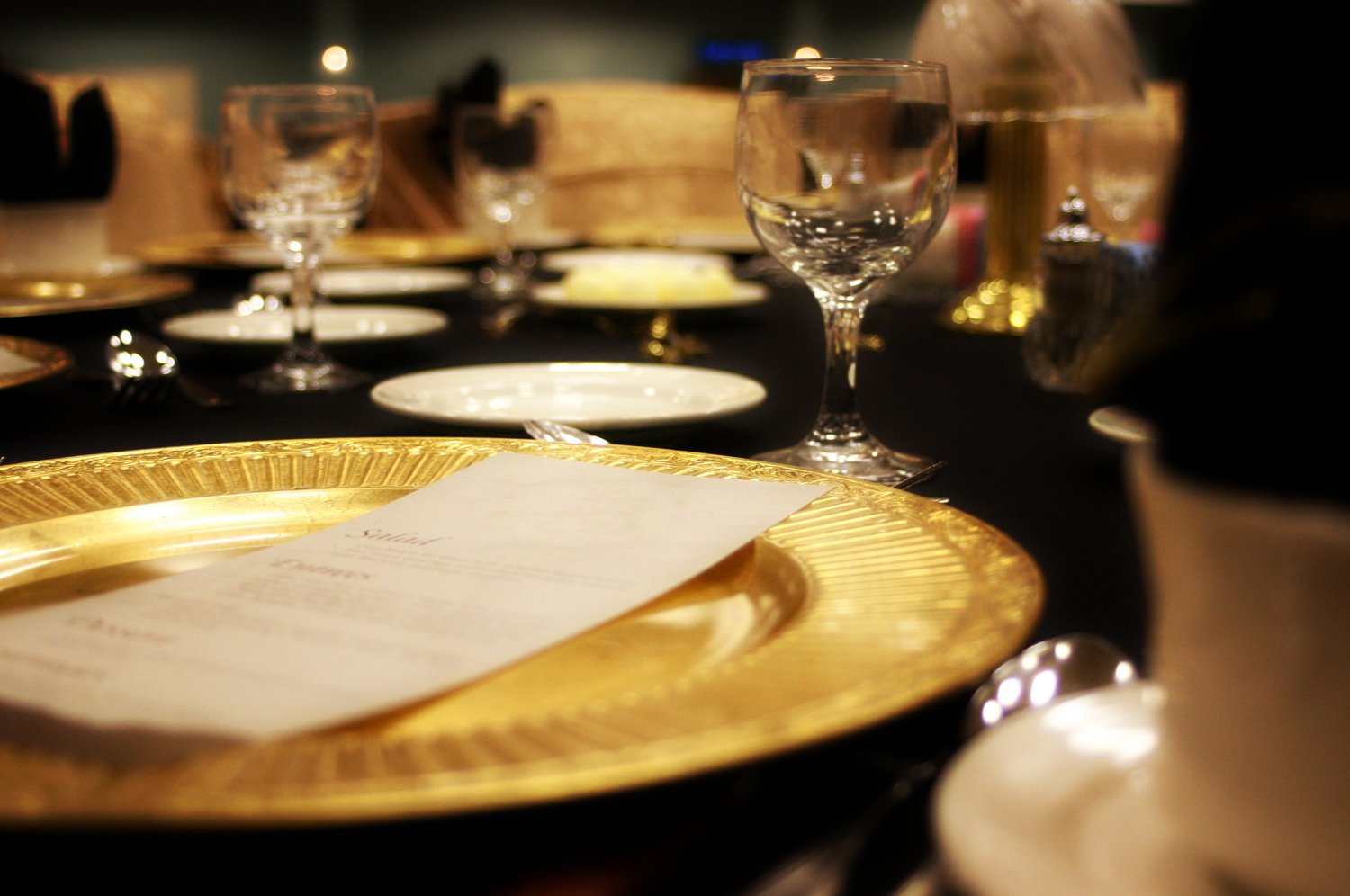
Three Michelin-Star French Fine Dining
Joel Robuchon at The Mansion
Las Vegas, United States
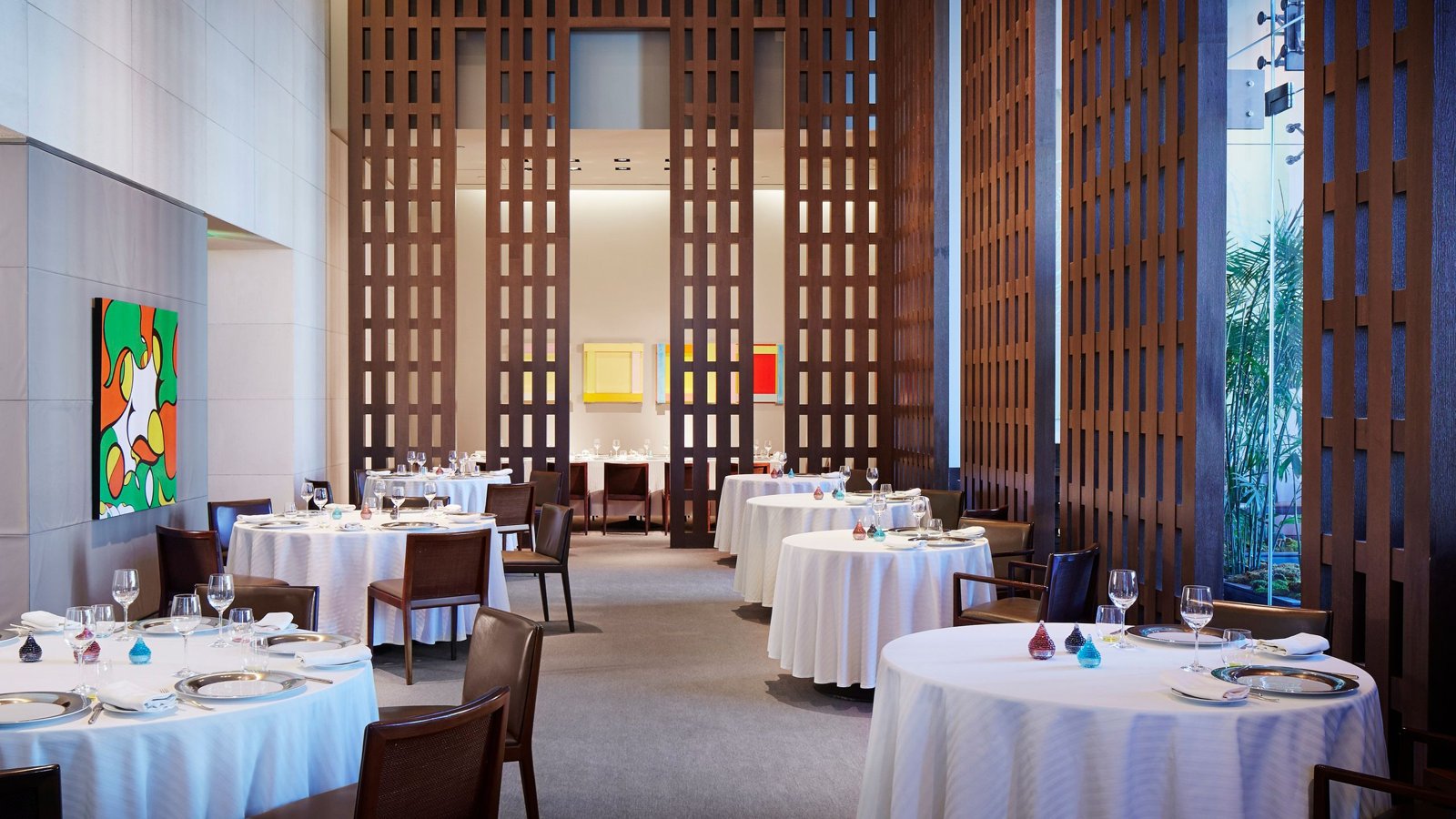
Contemporary French Fine Dining
Guy Savoy
Las Vegas, United States
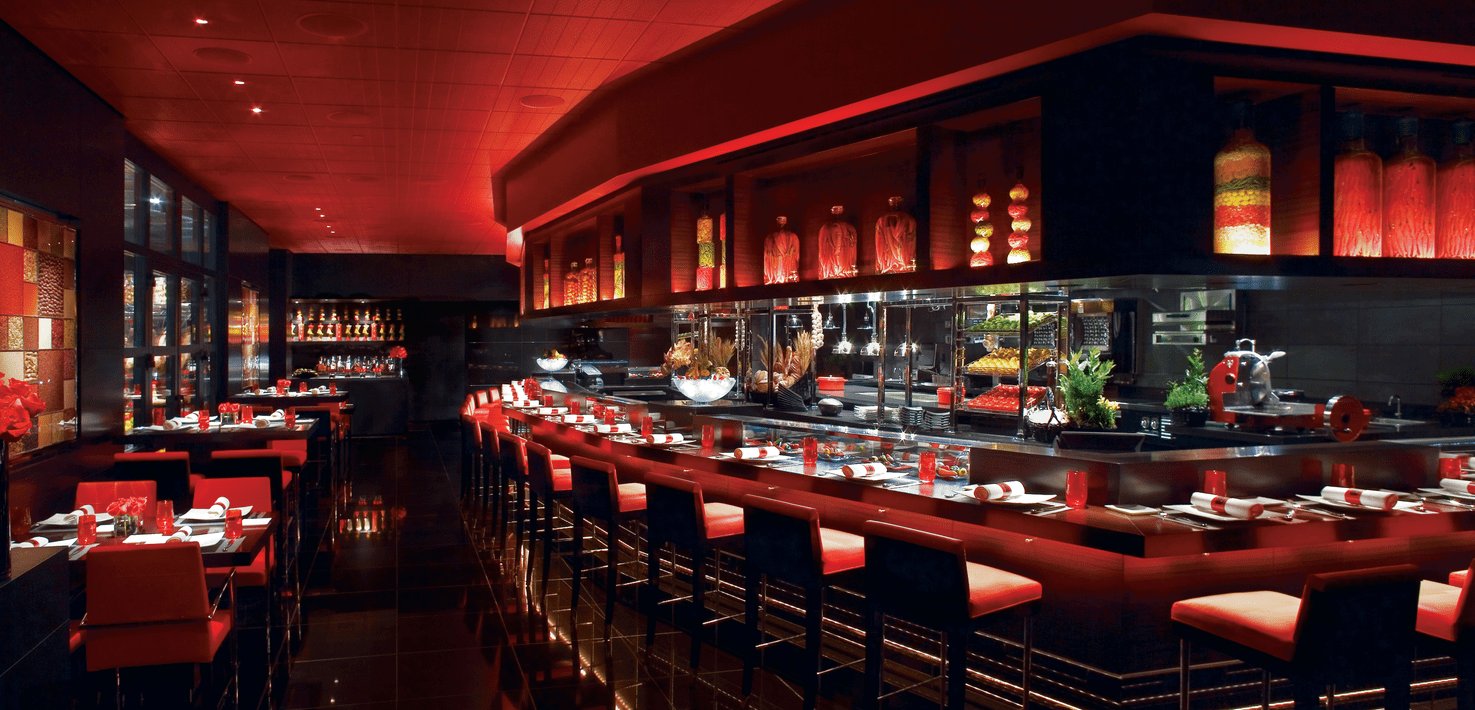
Modern French Fine Dining
L'Atelier de Joël Robuchon (USA)
Las Vegas, United States
French
Le Cirque Las Vegas
Las Vegas, United States
Modern Meat-Centric Fine Dining
Bazaar Meat by Jose Andres
Las Vegas, United States
Cantonese, Shanghai & Szechuan Fine Dining
Wing Lei at Wynn Las Vegas
Las Vegas, United States