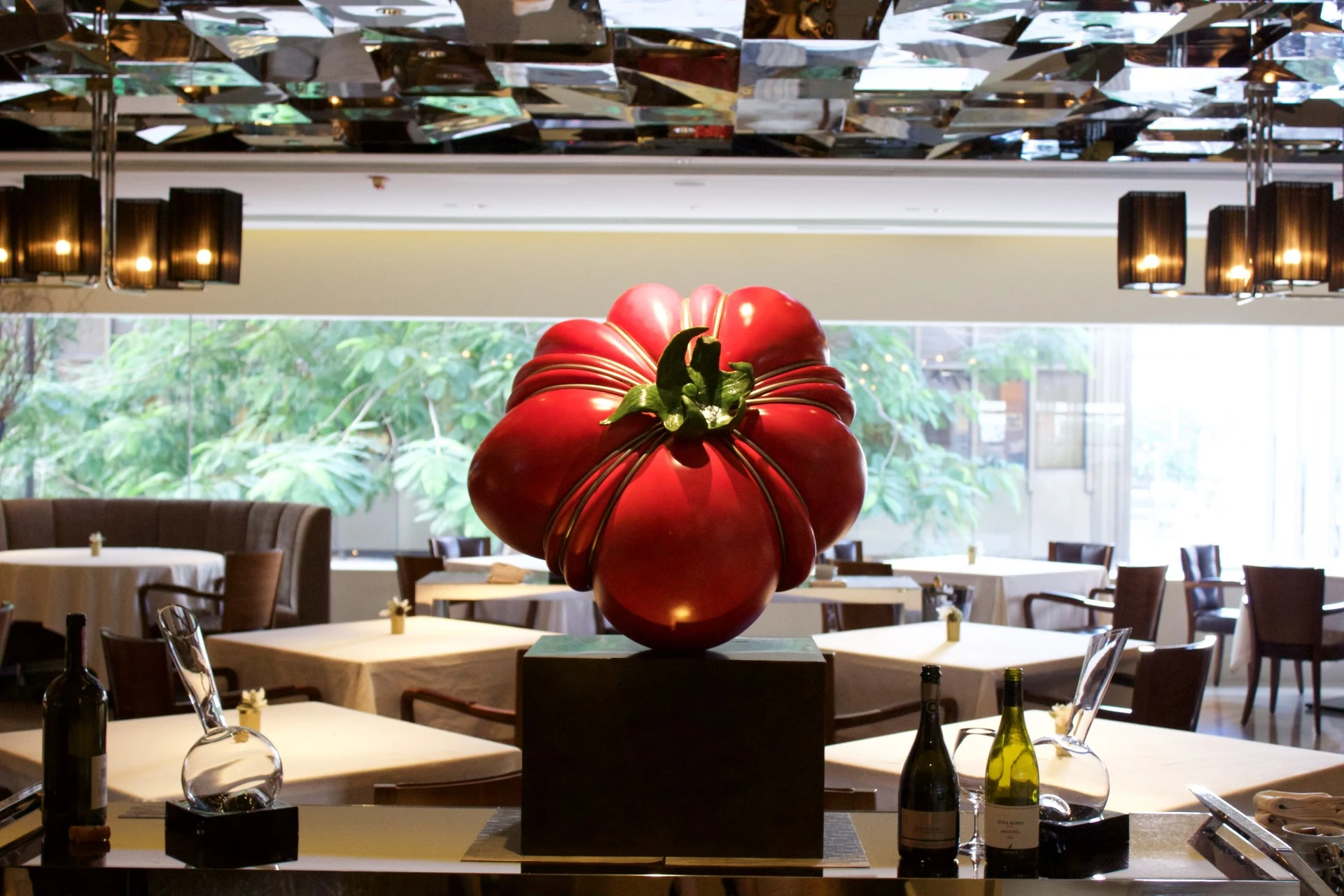
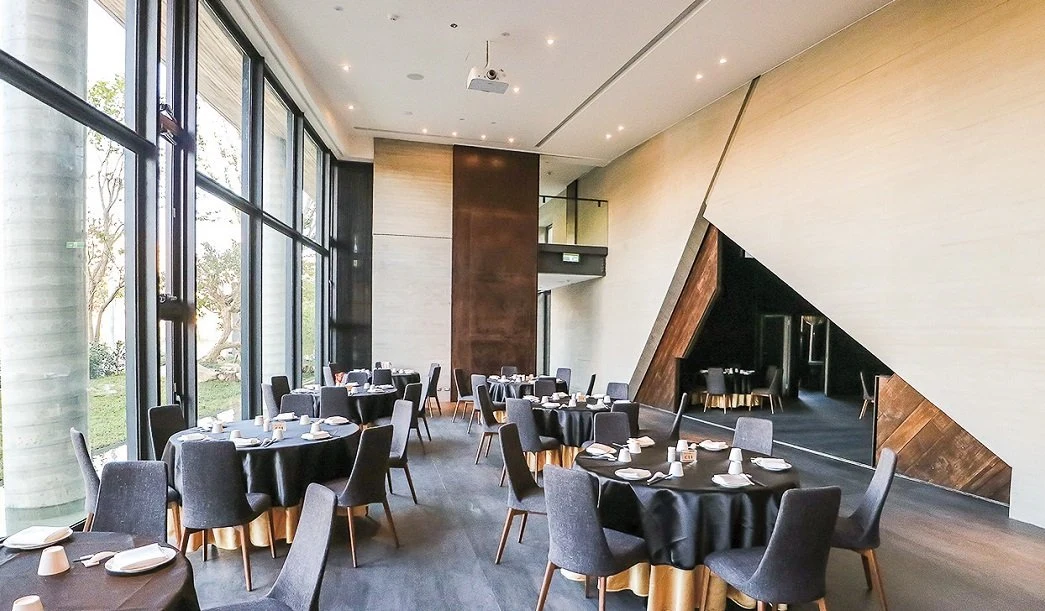
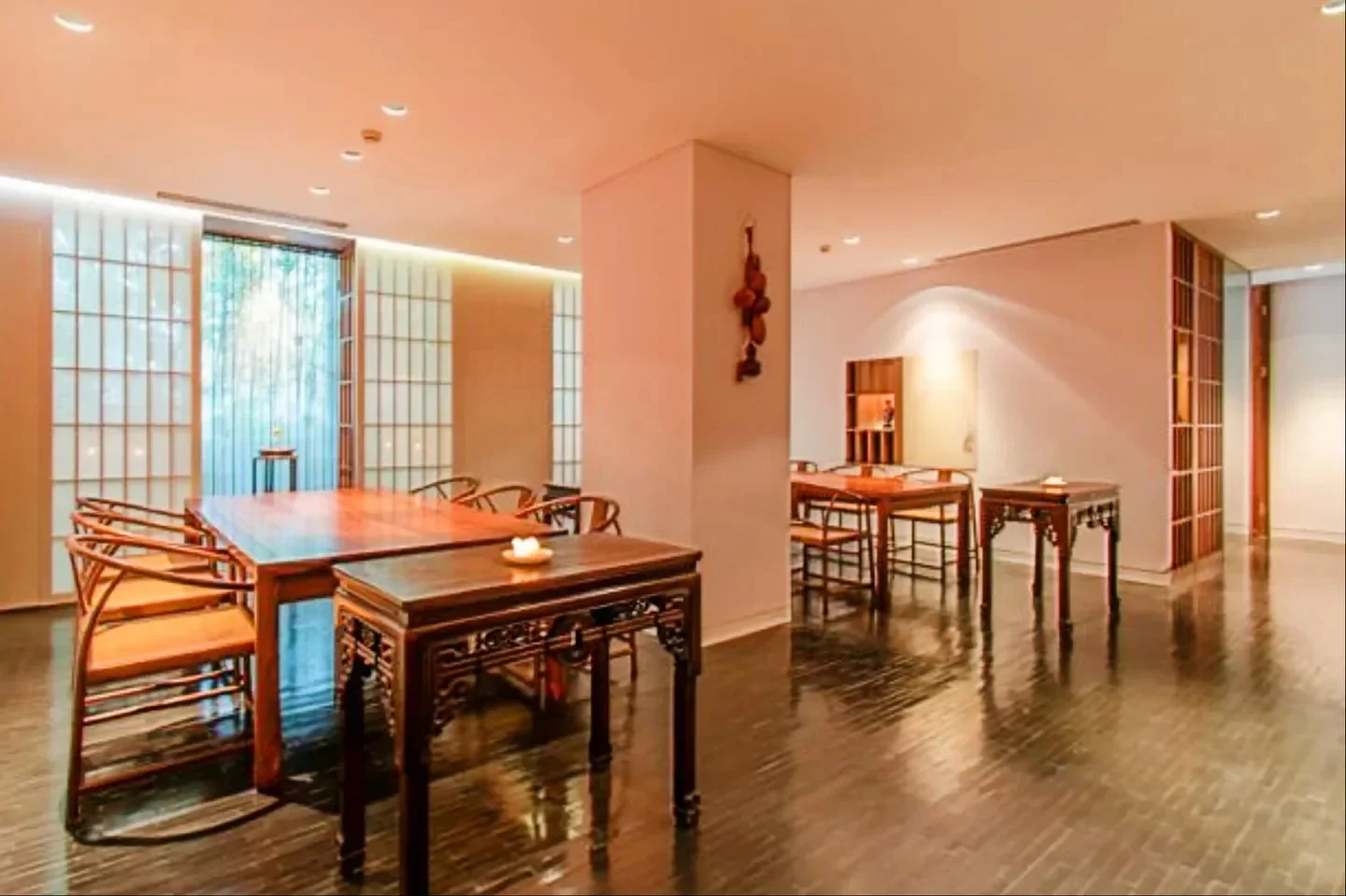
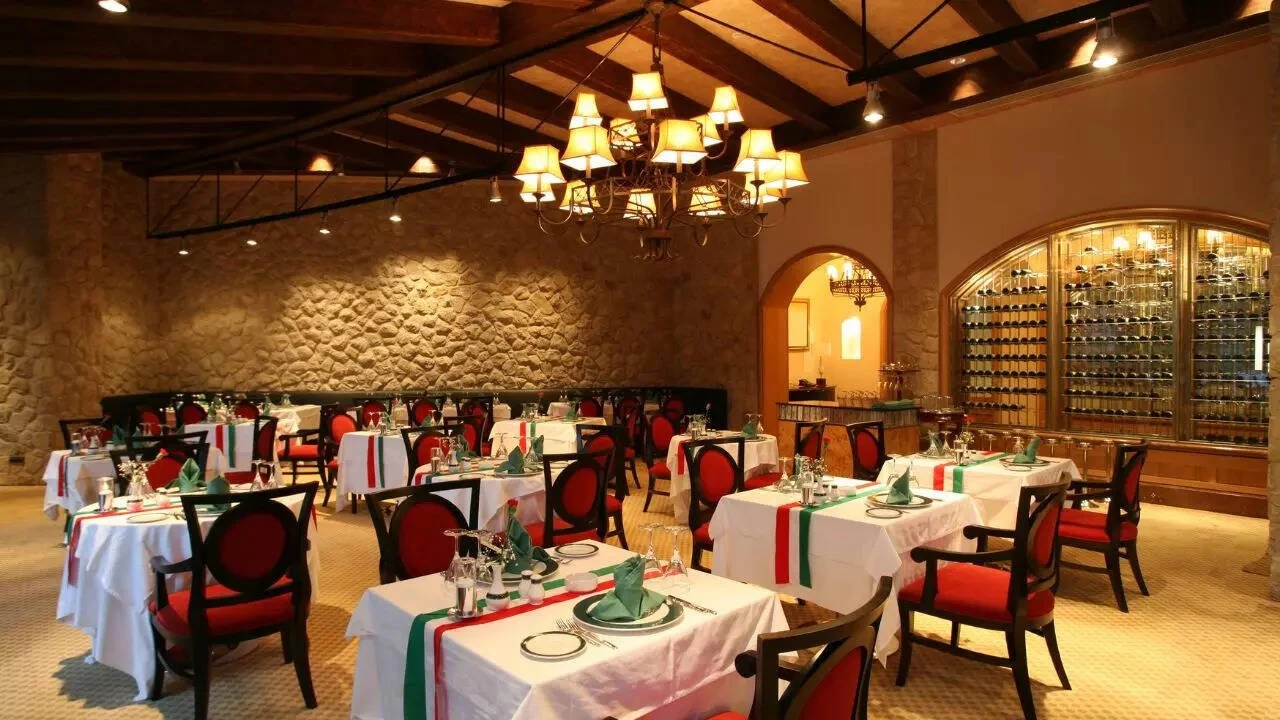
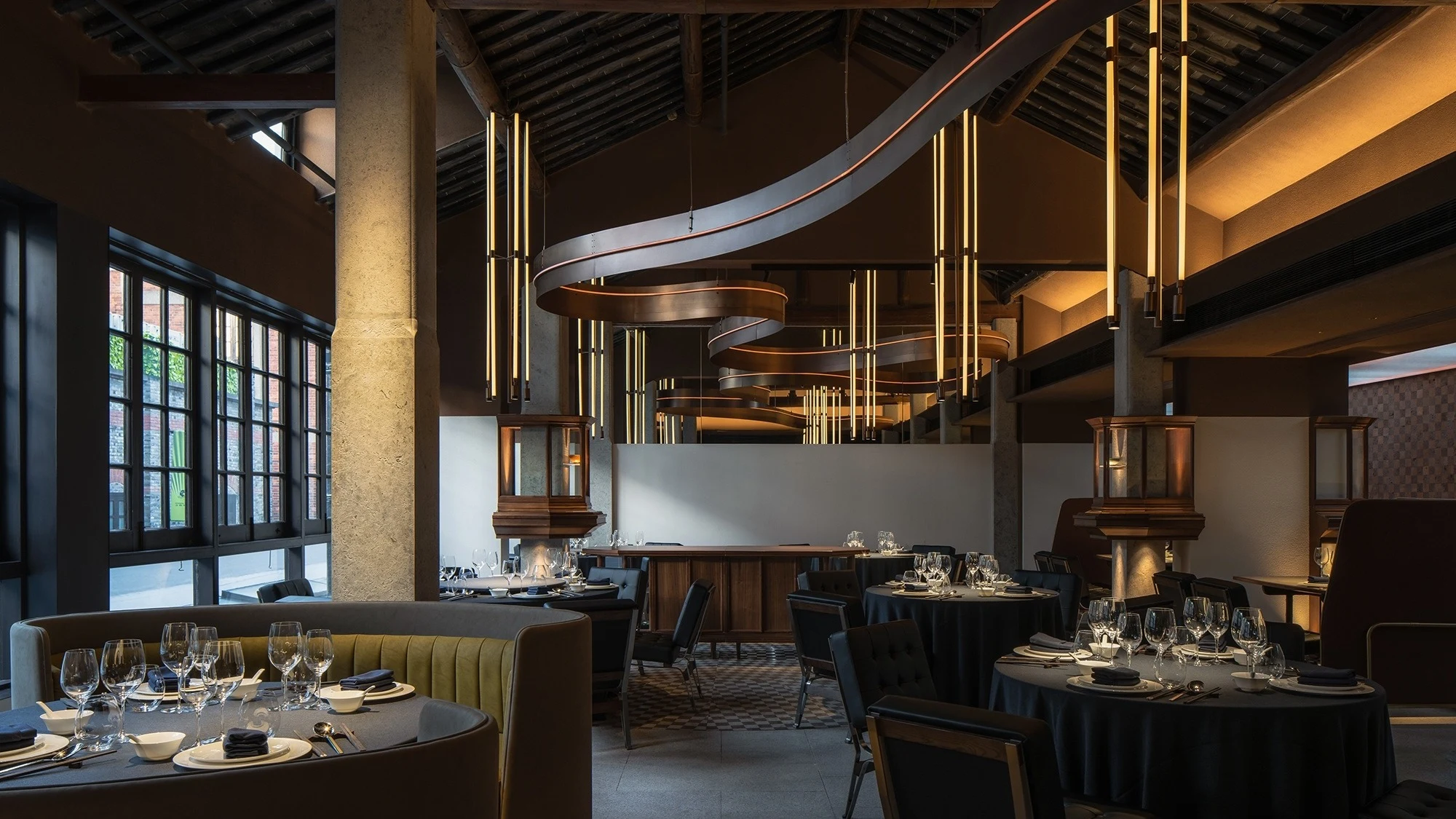
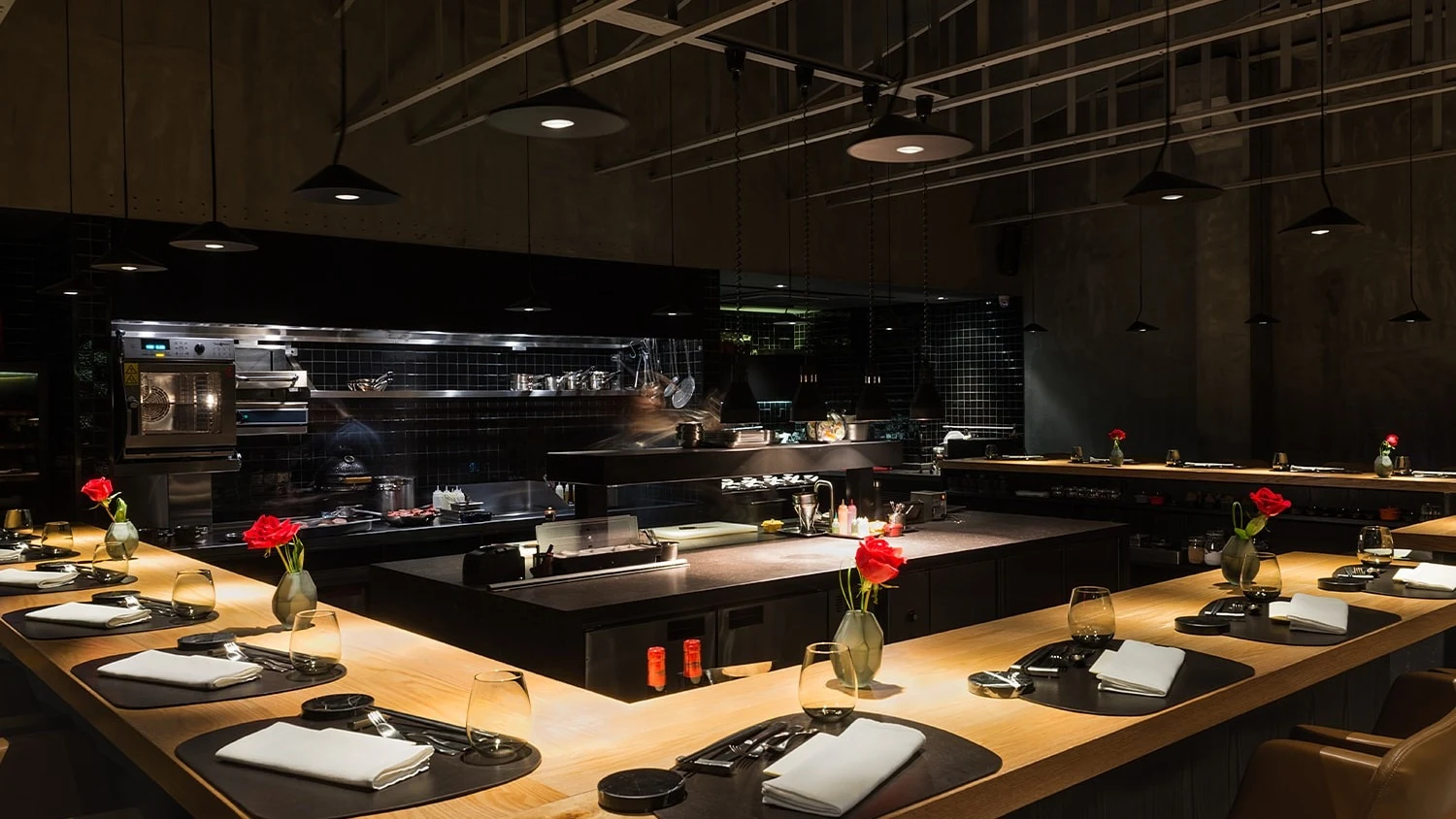
SPAGO Shanghai

In Residence
Byron Lazaroff-Puck
Managing Director
- 01CuisineCalifornia-Inspired Fusion Fine Dining
- 02CityShanghai, China
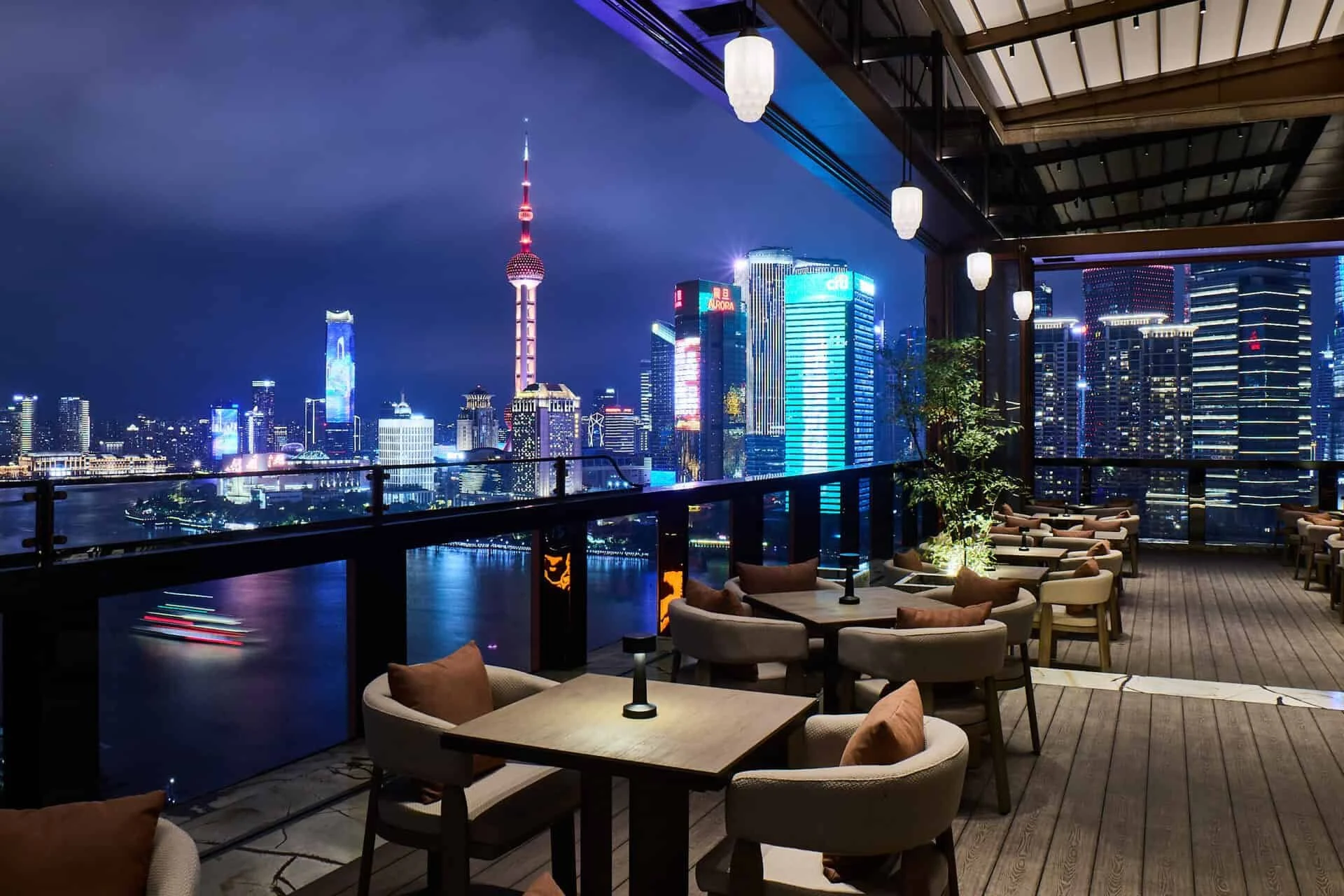
Where an Imported Format Meets One of the World's Most Demanding Dining Cities
Jiu Jiang Lu in Huangpu is not a street that tolerates restaurants on reputation alone. The corridor running between the Bund and People's Square has absorbed, and frequently rejected, international dining brands for three decades. The buildings here carry the weight of pre-war commercial Shanghai, and the dining rooms that survive inside them tend to do so because they have found a genuine accommodation with the city rather than simply transplanting a format from elsewhere. SPAGO Shanghai occupies this address at 555 Jiu Jiang Lu, in a district where a foreign-origin restaurant must compete not only against a domestic scene that has grown considerably more confident and technically accomplished.
That domestic scene is worth understanding before discussing what an imported Californian format brings to the table. Shanghai's upper tier now includes venues such as Taian Table, which has earned serious international recognition for its approach to modern European cooking with local sourcing, and Fu He Hui, which has demonstrated that a vegetarian tasting menu built on Chinese botanical ingredients can compete at the highest price tier. Cantonese precision is represented by operators including 102 House, and regional Chinese cooking has found a serious advocate in Xin Rong Ji on West Nanjing Road. Against this, SPAGO's competitive position is specific: it represents the Californian fine dining tradition, with its emphasis on open kitchens, produce-forward cooking, and a relaxed but technically grounded service style that differs meaningfully from French-derived formality.
The California-to-Shanghai Translation
The editorial angle that matters most at a venue like this is not the brand heritage in Beverly Hills or Las Vegas, but what the format actually becomes when it operates in a city with Shanghai's ingredient ecology. California cuisine, in its original formulation, was built on the premise that local produce, handled with technique drawn from European and Asian traditions, could generate a cuisine greater than the sum of its influences. That logic travels reasonably well to Shanghai, which sits within reach of some of China's most productive agricultural zones: the rice paddies and fisheries of the Yangtze Delta, the hairy crab aquaculture of Yangcheng Lake, the bamboo shoots of Zhejiang, and the white asparagus and specialty vegetables that have proliferated across Jiangsu as restaurant demand for premium produce has grown.
The question for any international fine dining operation in this position is how deeply that local ingredient logic is actually applied. Shanghai diners at this price tier have become sophisticated readers of sourcing claims, and the city's own Chinese fine dining operators, including those drawing on Taizhou cooking traditions and Cantonese technique, have set a high bar for what ingredient-focused cooking looks like when the chef has genuine biographical connection to the supply chain. Comparable international formats in the city, such as 8 1/2 Otto e Mezzo Bombana, have navigated this by leaning into Italian-sourced premium product alongside local seafood, carving a niche that is recognisably Italian rather than attempting a hybrid identity. SPAGO's Californian DNA, with its structurally permissive approach to cross-cultural influence, gives it at least the theoretical flexibility to engage local ingredients more directly.
Huangpu in Season
Huangpu dining calendar has two moments that sharpen what a restaurant at this address can offer. Autumn, running roughly from late September through November, is when the hairy crab season peaks, when river fish are at their fattest, and when the produce coming out of Zhejiang and Jiangsu reaches its annual high point. A fine dining operation with a produce-forward Californian orientation has more to work with in this window than at almost any other time of year. Winter narrows the ingredient palette considerably but brings its own logic: strong braised preparations, aged proteins, and the warming dishes that Shanghai diners gravitate toward when the Huangpu cold settles in. Spring, when bamboo shoots and early greens emerge, offers a second moment of seasonal interest. Any visit planned specifically to test the local-ingredients thesis is best timed to the autumn window.
Practical Considerations
The address at 555 Jiu Jiang Lu in Huang Pu Qu is accessible by metro from multiple central Shanghai stations, with People's Square and East Nanjing Road both within reasonable walking distance. Given the restaurant's position in the Huangpu corridor, confirming a table before arrival is the practical default rather than the exception. Visitors expecting walk-in availability at a venue in this category and at this address, particularly on weekend evenings or during the peak autumn season, are likely to be disappointed. The venue sits within a broader Huangpu cluster that includes several of the city's most competitive reservations, so building dining plans around confirmed bookings rather than spontaneous decisions is consistent with how this district operates.
Frequently Asked Questions
Can I bring kids to SPAGO Shanghai?At a formal fine dining address in Huangpu, this is a price-tier and format question rather than a policy one. The room and pace at this level suit older children more naturally than young ones.How would you describe the vibe at SPAGO Shanghai?If you are comfortable in a polished international fine dining room and are arriving expecting Beverly Hills energy translated to Shanghai, that framing is broadly accurate. The Californian template tends toward open, relatively convivial rooms rather than hushed formality. In a city where the competitive set ranges from high-ceremony Chinese tasting menus to animated Cantonese dining rooms, SPAGO occupies the international-relaxed end of the formal spectrum, though price and presentation keep it firmly in the fine dining bracket.What's the must-try dish at SPAGO Shanghai?Naming a specific dish would be speculation. What the Californian fine dining format has historically done well is produce-driven plates where a single ingredient is presented with minimal interference but significant technical precision. In Shanghai, that logic points toward whatever is drawing on peak Yangtze Delta seasonal produce at the time of your visit, which in practice means asking what is in season when you book rather than arriving with a fixed dish in mind.Can I walk in to SPAGO Shanghai?At a formal fine dining address in one of Shanghai's most concentrated restaurant corridors, walk-in availability should not be relied upon for dinner, particularly on weekends or during the October-November hairy crab season when Huangpu dining fills quickly. Secure a reservation before arriving.How does SPAGO Shanghai fit into the broader tradition of California cuisine operating in Asian cities?California cuisine's structural openness to cross-cultural ingredients and technique has made it one of the more mobile American fine dining formats. In Asian cities, where local ingredient cultures are sophisticated and diners are increasingly literate in both Western and domestic fine dining codes, the format's ability to absorb local produce without ideological conflict gives it a different competitive position than, say, a classically French operation. At the Shanghai address, that means SPAGO sits within a tradition that includes internationally trained Chinese chefs who have also absorbed Californian technique, visible in venues like Xin Rong Ji in Chengdu and Dai Yuet Heen in Nanjing, making the conversation about imported method and indigenous product genuinely two-directional in this city.Questions
Frequently asked
Who works at SPAGO Shanghai?
Made By profiles Byron Lazaroff-Puck (President, Wolfgang Puck Fine Dining Group) and Wolfgang Puck (Founder) at SPAGO Shanghai.
How expensive is SPAGO Shanghai?
SPAGO Shanghai is listed at a price level of $$$$.
Where is SPAGO Shanghai and what does it serve?
SPAGO Shanghai is in Huangpu, Shanghai, serving California-Inspired Fusion Fine Dining.
The field
How it compares
| Place | Cuisine | Notes | Awards |
|---|---|---|---|
| SPAGO Shanghai | California-Inspired Fusion Fine Dining | Huangpu, $$$$ | · |
| 8 1/2 Otto e Mezzo Bombana (Shanghai) | Modern Italian Fine Dining | Shanghai | Michelin 2 Stars |
| 102 House | Traditional Cantonese Banquet | Shanghai | Michelin 2 Stars, World's 50 Best |
| Fu He Hui | Modern Seasonal Vegetarian Fine Dining | Shanghai | Michelin 2 Stars, World's 50 Best |
| Ling Long Shanghai | Modern Chinese Fine Dining | Shanghai | Michelin 1 Star, World's 50 Best |
| Meet the Bund | Modern Fujianese Fine Dining | Shanghai | Michelin 1 Star, World's 50 Best |
| Taian Table | Modern European with Asian Influences | Shanghai | Michelin 3 Stars |
In residence

Similar places
Modern Italian Fine Dining
8 1/2 Otto e Mezzo Bombana (Shanghai)
Shanghai, China
★★
Traditional Cantonese Banquet
102 House
Shanghai, China
★★ · 50 Best
Modern Seasonal Vegetarian Fine Dining
Fu He Hui
Shanghai, China
★★ · 50 Best
Modern Chinese Fine Dining
Ling Long Shanghai
Shanghai, China
★ · 50 Best
Modern Fujianese Fine Dining
Meet the Bund
Shanghai, China
★ · 50 Best
Modern European with Asian Influences
Taian Table
Shanghai, China
★★★