- Diners, Drive-Ins and Dives Featured Bar · 2026
Where Minneapolis Takes Its Beer Seriously
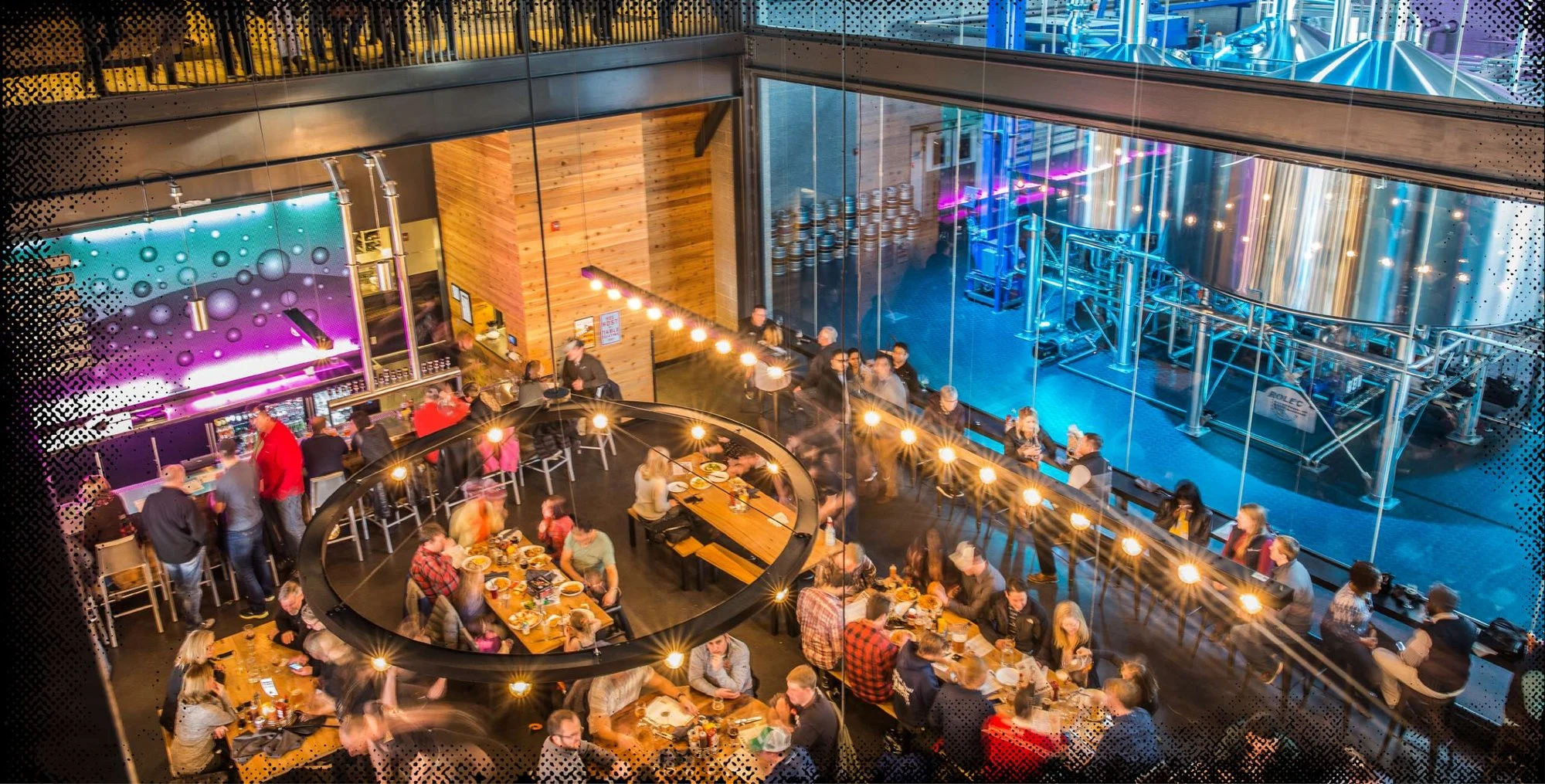
Southeast Minneapolis has a particular character among the city's drinking neighborhoods: close enough to the University of Minnesota campus to pull a younger crowd, close enough to the Dinkytown and Prospect Park edges to attract residents who know what they want. That tension between accessibility and ambition shows up in how the area's better drinking spots are designed. Surly Brewing Co., at 520 Malcolm Ave SE, is the anchor of that scene, a facility built at a scale that signals permanence rather than a pop-up experiment.
American craft brewing went through a well-documented bifurcation over the past decade. On one side: small neighborhood taprooms with rotating taps and a seasonal food truck. On the other: destination breweries that function more like full hospitality operations, with kitchens, event spaces, beer gardens, and enough physical presence to justify a deliberate trip. Surly sits firmly in the second category. The Minneapolis brewing scene has developed around both models, and venues like Able Seedhouse + Brewery represent the more intimate end of that spectrum. Surly operates at a different register altogether.
The Craft Behind the Counter
The bartender's craft here is as much about curation and education as it is about individual drinks. Taprooms at this level function as retail and experiential showrooms simultaneously, and the bar staff at a brewery like Surly are expected to carry genuine product knowledge, walking guests through the range with the kind of confidence that requires real training in malt profiles, hop schedules, and fermentation variation.
That model of hospitality, where the bar functions as a teaching space rather than a transaction point, has become the standard at the top tier of American craft brewing. The parallel is visible in cocktail programs at venues like Kumiko in Chicago, where the bar staff's conceptual depth is built into the experience by design, or at Bar Leather Apron in Honolulu, where technical fluency is the baseline expectation. The mechanisms are different, the product category is different, but the underlying premise is the same: the person across the bar should know more than you do, and should be able to make that expertise feel generous rather than gatekeeping.
Minneapolis has developed a drinking culture that rewards exactly that kind of confidence. Compare the brewery context with the cocktail bars that occupy the city's serious drinking tier, including 112 Eatery and All Saints Restaurant, and a common thread emerges: the city's better drinking rooms tend to have staff who can hold a conversation about what they're serving. Surly's scale means that bar team is larger than at most local venues, which creates its own training demands.
Scale, Beer Garden, and What the Space Actually Does
The Surly facility was designed as a destination rather than a neighborhood amenity, and the footprint reflects that intention. The beer garden model that Surly pioneered in this market created a template that other Minnesota breweries have since attempted to replicate, though the combination of outdoor capacity and year-round programming requires a production operation substantial enough to keep quality consistent across a large and varied tap list.
That seasonal programming dimension matters in Minneapolis more than in most American cities. The city's winters are genuinely severe, and hospitality businesses that depend on outdoor space have to build programming capable of sustaining interest through months when the beer garden is not available. The breweries that have figured this out operate more like hospitality groups than traditional production facilities. Surly's physical infrastructure, by virtue of its scale, is equipped for that kind of multi-season operation in a way that smaller taprooms are not.
Where Surly Sits in the Minneapolis Drinking Picture
Minneapolis's craft beer culture is dense enough that any serious brewery operates inside a competitive set, not in isolation. The city has venues oriented toward dive bar culture, venues built around a specific ingredient philosophy, and venues that exist primarily as neighborhood social infrastructure. The 5-8 Club represents the legacy bar category that has nothing to prove to anyone. First Avenue sits in the entertainment venue tier. Surly occupies a distinct position as a production brewery that has made hospitality central to the experience rather than incidental to it.
That positioning becomes clearer when you compare it against craft-forward drinking programs elsewhere in the country. Jewel of the South in New Orleans built its reputation on cocktail precision in a city that has never been short of drinking options. Julep in Houston made a specific product category, whiskey, the organizing principle of its entire program. Superbueno in New York City and ABV in San Francisco each built recognizable identities around a specific approach to what the bar does and who it does it for. The Parlour in Frankfurt on the Main demonstrates that craft-serious drinking programs are not specific to any one city or country. What connects all of them is intentionality: a bar that has decided what it is and built itself accordingly. Surly made a version of that decision at a brewery scale.
Questions
Frequently asked
Who works at Surly Brewing Co.?
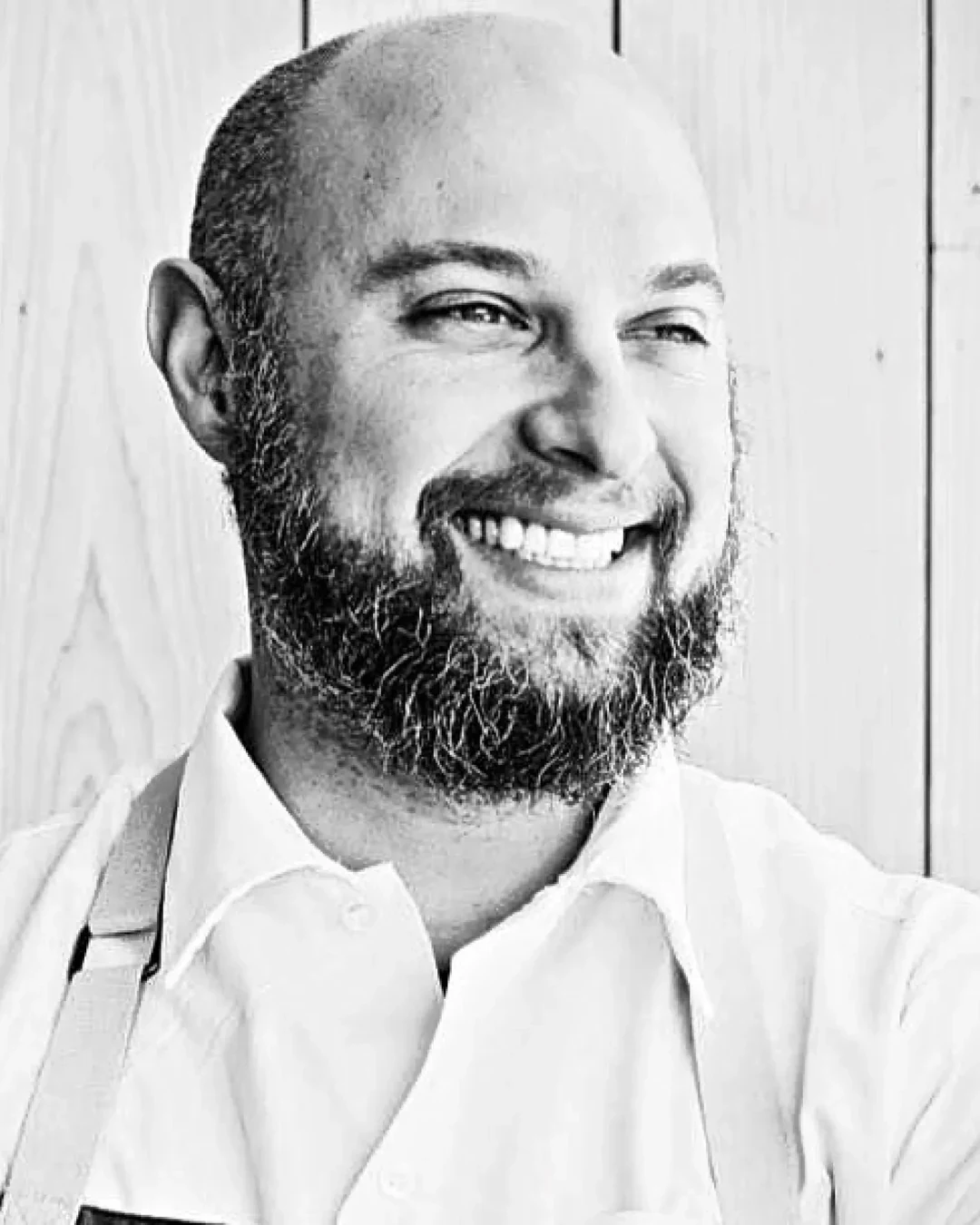
Made By profiles Jorge Guzmán (Other) at Surly Brewing Co..
How expensive is Surly Brewing Co.?
Surly Brewing Co. is listed at a price level of $$.