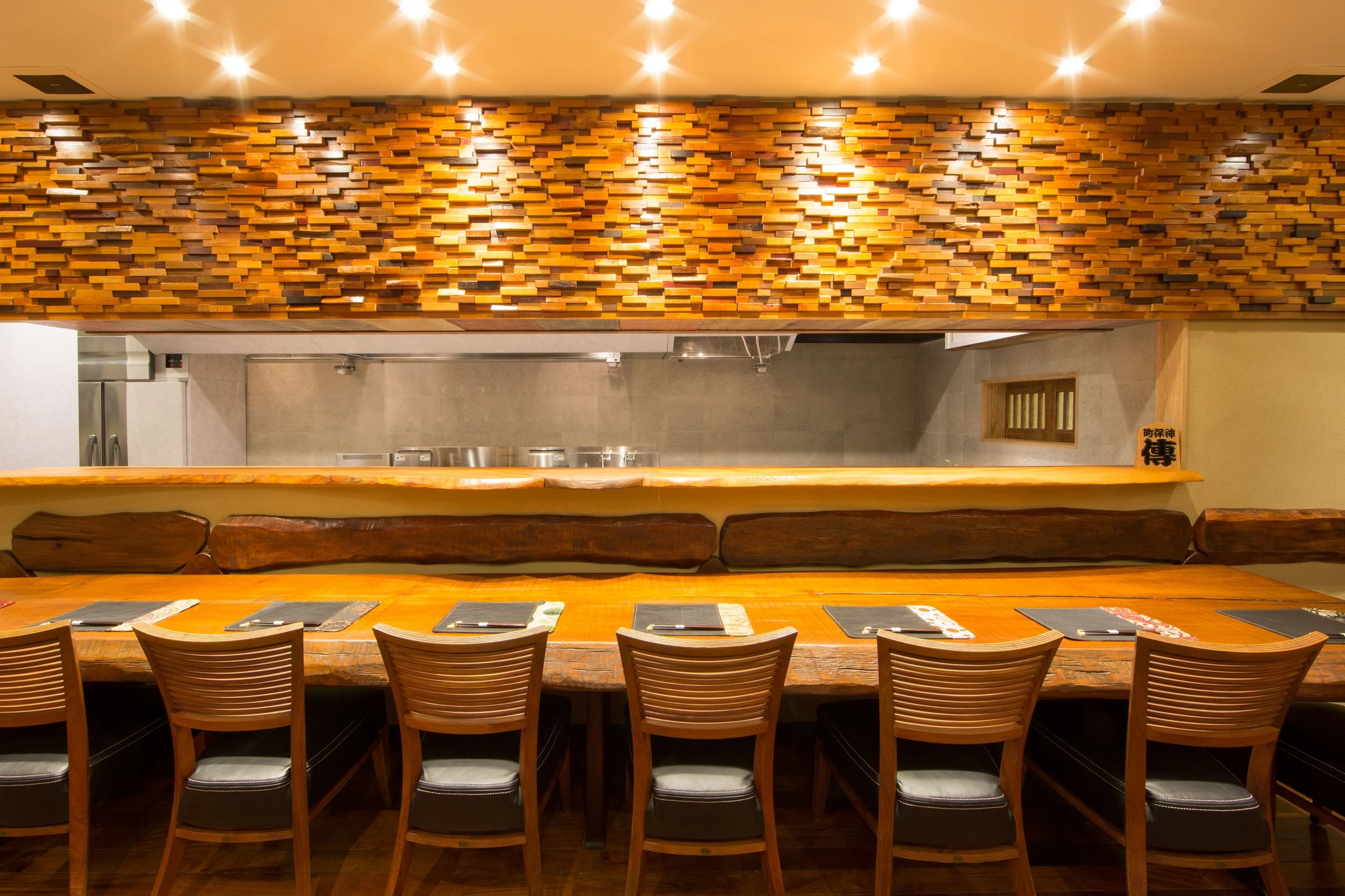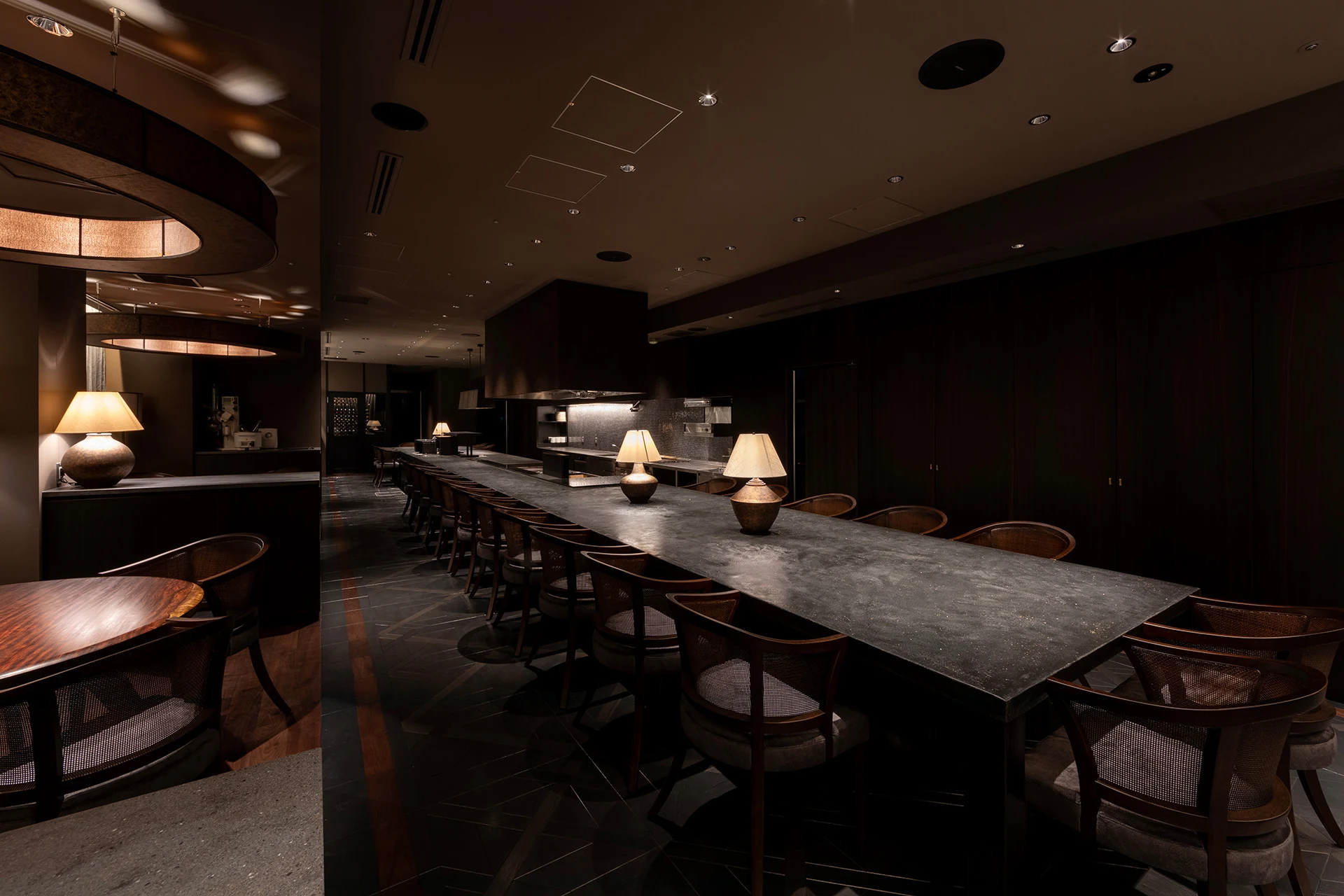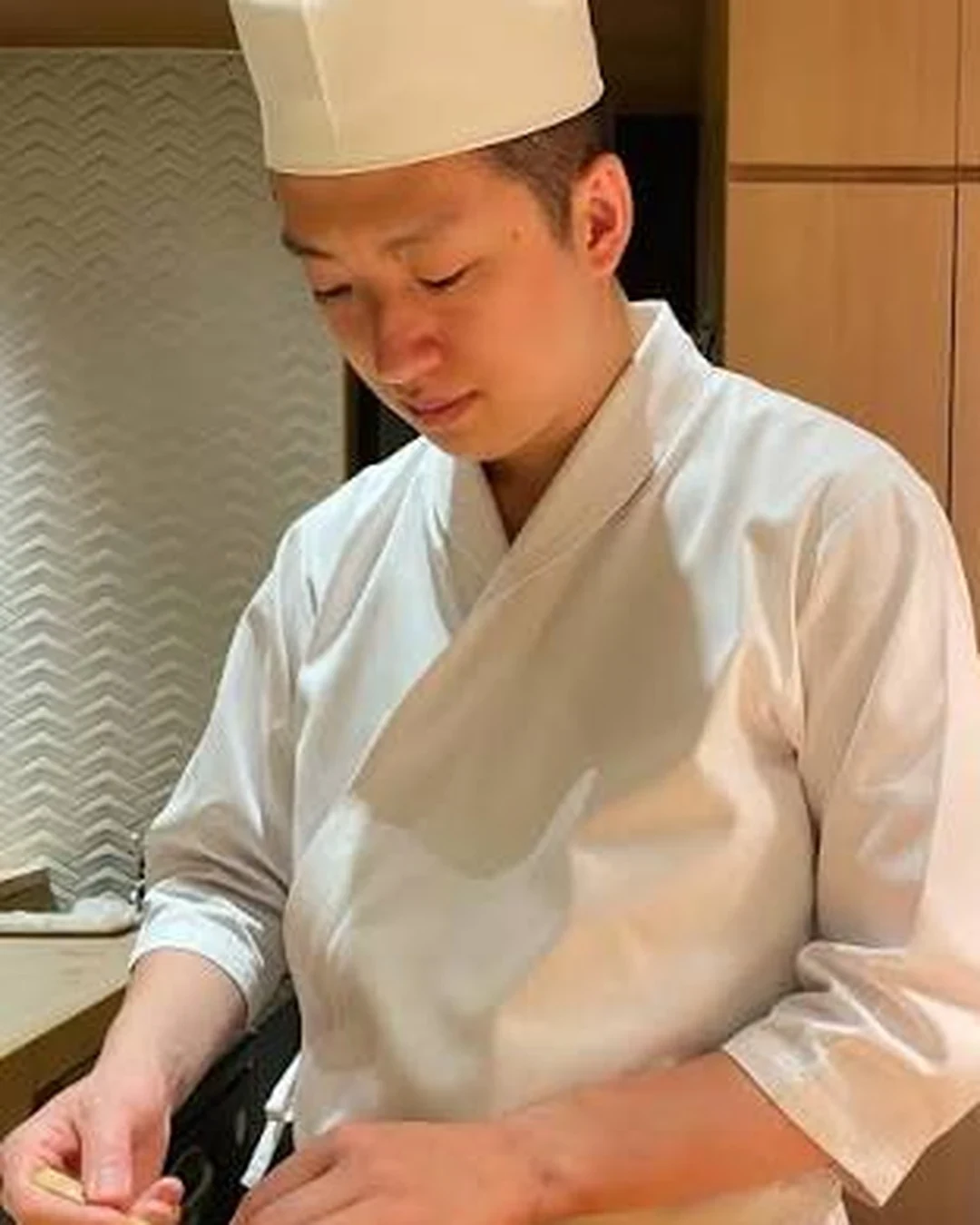
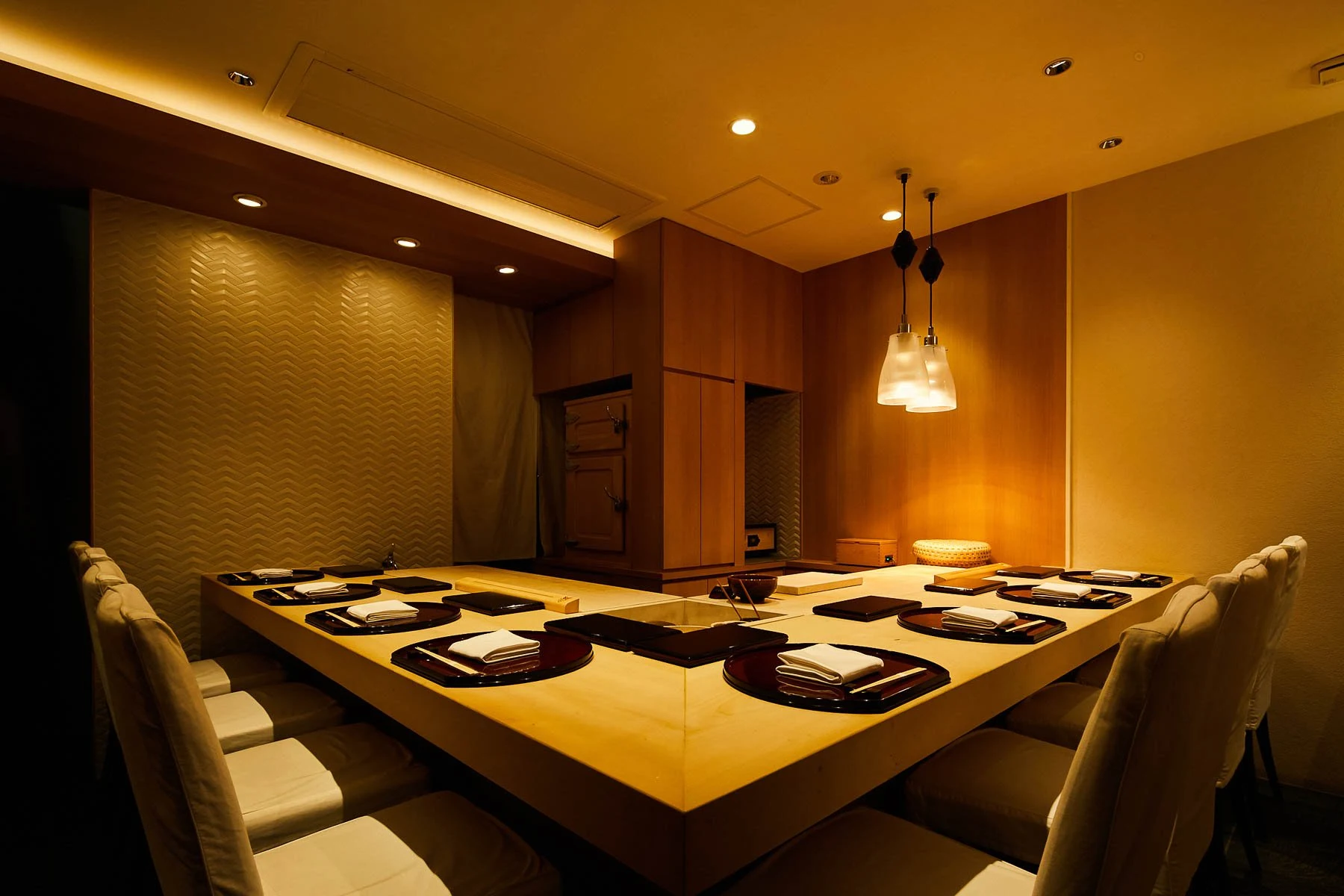
An eight-seat Edomae counter in Ebisu that has earned Tabelog Silver Awards in 2024, 2025, and 2026, alongside consecutive selection for Tabelog Sushi Tokyo Top 100. Positioned in the JPY 40,000 to 50,000 per-person bracket, Sushi Akira operates as a creative-leaning omakase counter that keeps pace with Tokyo's most recognised sushi addresses. Reservations are essential and the counter books well in advance.
<h2>Eight Seats, One Counter, Three Years of Silver</h2><p>Tokyo's omakase tier has bifurcated sharply over the past decade. At one end, a cluster of high-capacity sushi restaurants operates as accessible introduction points; at the other, a smaller cohort of sub-ten-seat counters competes on credential density, ingredient sourcing, and the kind of focused attention that only an eight-seat room can deliver. Sushi Akira, on the ground floor of a low-key building in Ebisu, belongs firmly to the second group. The counter seats eight. The format is omakase. The Tabelog score sits at 4.52, and the restaurant has held the platform's Silver Award for three consecutive years: 2024, 2025, and 2026.</p><p>That run of recognition matters as a signal rather than a trophy. Tabelog Silver is awarded to venues ranked roughly in the top 0.5 percent of all restaurants on the platform by user review volume and score. Consecutive Silver across three award cycles indicates sustained performance rather than a single strong season. Sushi Akira has also been selected for the Tabelog Sushi Tokyo Top 100 in 2021, 2022, and 2025, a list that tracks the most reviewed and highest-rated sushi counters across the city. The Opinionated About Dining guide ranked it among the leading restaurants in Japan across 2023, 2024, and 2025, moving from Recommended to #313 to #206 in three successive editions. Taken together, these signals place it clearly in the tier occupied by counters like <a href="https://www.enprimeurclub.com/restaurants/harutaka-tokyo-restaurant">Harutaka</a>, where the competitive measure is other small-format omakase rooms rather than the broader Tokyo dining market.</p><h2>The Ebisu Address and What It Signals</h2><p>Sushi Akira sits in Ebisu, technically Shibuya Ward, roughly equidistant between Ebisu Station, Hiroo Station, and Shirokane-Takanawa Station, each about ten to twelve minutes on foot. The neighbourhood sits between the commercial density of Shibuya and the quieter residential streets of Hiroo, a pocket of Tokyo that houses a number of serious specialist restaurants without the media noise of Ginza or Roppongi. That positioning is deliberate in the sense that it reflects a broader pattern: some of Tokyo's most carefully regarded small counters have deliberately avoided the premium-address overhead of central Ginza, where rent costs push per-seat pricing even higher and the clientele skews heavily toward expense accounts and tourist-focused omakase tourism.</p><p>The Ebisu address keeps Sushi Akira in a context that rewards the repeat local diner and the considered international visitor over the walk-in tourist. Combined with the restaurant's no-walk-in format and a cancellation policy that treats late arrivals of more than thirty minutes as a no-show, the operation is structured for guests who have done the research. For context on how Tokyo's broader dining offer maps across neighbourhoods and price tiers, the <a href="https://www.enprimeurclub.com/restaurants/-tokyo-restaurant">EP Club Tokyo restaurants guide</a> covers the full spectrum.</p><h2>Counter Atmosphere and Sensory Context</h2><p>The room is described as a stylish and relaxing counter space, which in the language of serious Tokyo omakase translates to a format where the counter itself is the architecture. Eight seats means every guest has a direct sightline to the preparation surface. The absence of background noise, the focus of a room without private dining partitions, and the non-smoking policy throughout the premises (including the entrance) all orient the experience toward undistracted attention to what is being served. The no-perfume request, standard at top-tier omakase rooms, is here extended to fabric softeners, a practical acknowledgement that in an eight-seat room with no ventilation buffer, ambient fragrance competes directly with the aroma of fish and rice.</p><p>Drink program signals a level of curation that sits above most sushi counters in this price bracket. Sake and shochu are both described as specialties the house is particular about, but wine and cocktails are also available and similarly treated as considered selections rather than afterthoughts. In Tokyo's premier omakase scene, the sake pairing is often the default, but the presence of a wine program calibrated to sushi is a marker of a counter positioning itself for both domestic and international guests.</p><p>Tabelog description frames the counter as leading the next generation of Edomae sushi through creativity and craftsmanship. In practice, that generational framing distinguishes counters operating within Edomae tradition but introducing contemporary technique from those operating as strict traditionalists. The distinction matters to the informed diner: Edomae as a category covers everything from hyper-traditional vinegared rice and aged fish preparations to more inventive formats that use the same raw material discipline but apply different curing, temperature, and sequence logic. Sushi Akira positions itself within the creative-leaning wing of that tradition.</p><p>For a different read on Tokyo's premium sushi tier, <a href="https://www.enprimeurclub.com/restaurants/harutaka-tokyo-restaurant">Harutaka</a> offers a more traditionalist Edomae reference point. Guests whose preference runs to kaiseki structure over sushi sequence should consider <a href="https://www.enprimeurclub.com/restaurants/ryugin">RyuGin</a> or, for European frameworks applied to Japanese ingredients, <a href="https://www.enprimeurclub.com/restaurants/leffervescence-tokyo-restaurant">L'Effervescence</a> and <a href="https://www.enprimeurclub.com/restaurants/sezanne-tokyo-restaurant">Sézanne</a>. Experimental formats with Japanese roots sit closer to <a href="https://www.enprimeurclub.com/restaurants/crony-tokyo-restaurant">Crony</a>.</p><h2>Price Tier and Peer Positioning</h2><p>Sushi Akira prices at JPY 40,000 to JPY 49,999 per person for both lunch and dinner at the listed rate, with review-based averages indicating dinner spend can reach JPY 50,000 to JPY 59,999 when drinks are included. That range places it in the same bracket as the majority of serious omakase counters in Tokyo, where the JPY 30,000 to 60,000 band covers a wide span of credentialled rooms. The pricing is consistent whether the seat is taken at lunch or dinner, which is unusual: many counters charge a meaningful premium for evening service. The lunch availability at the same price point as dinner is a practical consideration for guests who find evening bookings harder to secure.</p><p>For international reference, the price range translates to approximately USD 270 to 400 per person at prevailing exchange rates, which positions Sushi Akira in a tier comparable to serious omakase counters in New York such as <a href="https://www.enprimeurclub.com/restaurants/atomix">Atomix</a>, or the high-end tasting menu tier represented by <a href="https://www.enprimeurclub.com/restaurants/le-bernardin">Le Bernardin</a>. Against Japan's own field, the counter competes with leading regional restaurants across the country, including <a href="https://www.enprimeurclub.com/restaurants/hajime-osaka-restaurant">HAJIME in Osaka</a>, <a href="https://www.enprimeurclub.com/restaurants/gion-sasaki-kyoto-restaurant">Gion Sasaki in Kyoto</a>, <a href="https://www.enprimeurclub.com/restaurants/akordu-nara-restaurant">akordu in Nara</a>, <a href="https://www.enprimeurclub.com/restaurants/goh-fukuoka-restaurant">Goh in Fukuoka</a>, <a href="https://www.enprimeurclub.com/restaurants/1000-yokohama-restaurant">1000 in Yokohama</a>, and <a href="https://www.enprimeurclub.com/restaurants/6-okinawa-restaurant">6 in Okinawa</a>.</p><h2>Planning Your Visit</h2><p>Sushi Akira has built its recognition around a Tabelog score of 4.52 and strong standings on Opinionated About Dining Japan.</p><p>Reservations are the only reliable route in. Reservations are required. Dietary restrictions should be communicated at reservation stage rather than on arrival; a wide range of allergies may result in a declined booking. The thirty-minute late-arrival rule is firm: arriving after that window converts the reservation to a cancellation. All major credit cards are accepted (Visa, Mastercard, JCB, Amex, Diners). Electronic money and QR code payments are not accepted.</p><p></p><p></p>
Sushi Akira has received recognition including: {"Year":"2026","Award Source":"Tabelog","Award Type":"The Tabelog Award","Award Group":"silver","Award Group Rank":"6","Restaurant Name":"Sushi Akira","Score":"4.52","Budget":"Dinner: JPY 40,000 - JPY 49,999; Lunch: JPY 40,000 - JPY 49,999"….
Sushi Akira is located at Japan, 〒150-0013 Tokyo, Shibuya, Ebisu, 2 Chome−37−8 1F, Tokyo.
Tabelog's listing positions the restaurant around Edomae technique with a creative approach, and the kitchen notes particular attention to fish sourcing. For current course content, check the venue's official channels at 050-3390-0121 between 3 PM and 5 PM, when phone reception is most reliable.
Walk-ins are not a realistic option at an 8-seat counter operating at Tabelog Silver level with a score of 4.52. Reservations are required and can be made via their dedicated reservation site. Arriving without a booking and expecting a seat would be optimistic given the format.
The restaurant's Tabelog profile frames its approach as leading the next generation of Edomae sushi through creativity and meticulous craftsmanship. That positions Akira within the current Tokyo school that treats classical Edo-period technique as a foundation rather than a ceiling. Specific courses are not publicly documented, so treat the Tabelog Silver recognition across 2024, 2025, and 2026 as the most concrete signal of consistent execution.
The restaurant asks guests to declare dietary restrictions at the time of booking, not on the day of arrival. Guests with a wide range of allergies may be declined a reservation. Same-day allergy disclosures risk either partial service or additional charges, so full transparency upfront is the only workable approach.
Japan, 〒150-0013 Tokyo, Shibuya, Ebisu, 2 Chome−37−8 1F
Hiroo/Ebisu

French
Sézanne
Tokyo, Japan
★★★ · 50 Best
Modern Chinese Fine Dining
Sazenka
Tokyo, Japan
★★★ · 50 Best

Modern Japanese Satoyama Fine Dining
Narisawa
Tokyo, Japan
★★ · 50 Best

Modern French-Japanese Plant-Based Fine Dining
Florilège
Tokyo, Japan
★★ · 50 Best

Modern Japanese Kaiseki
Den
Tokyo, Japan
★★ · 50 Best

Modern French Fine Dining
Quintessence
Tokyo, Japan
★★★