- Opinionated About Dining Top Restaurants in Japan Recommended · 2026
- Black Pearl 1 Diamond · 2025
- Opinionated About Dining Top Restaurants in Japan Ranked #496 · 2025
- Opinionated About Dining Top Restaurants in Japan Ranked #419 · 2024
- Opinionated About Dining Top Restaurants in Japan Recommended · 2023
Ginza's Omakase Tier and Where Aoki Sits Within It
Ginza has long been the address against which Tokyo's sushi ambitions are measured. The district's concentration of omakase counters is dense enough that price, lineage, and award positioning do most of the sorting work before a reservation is even made. At the uppermost end sit multi-Michelin-starred rooms with decade-long waiting lists and per-head costs that approach those of a business-class ticket. Below them, a substantial middle tier operates on Edomae principles with rigorous sourcing and skilled aging programs, but without the rarefied access economics of the leading bracket. Sushi Aoki sits in that middle tier, positioned by consecutive recognition from Opinionated About Dining, ranked #419 in their Japan list for 2024, climbing to #496 in 2025 after a 2023 recommendation, and confirmed by a Black Pearl 1 Diamond award in 2025. These are not decorative credentials: OAD rankings are vote-weighted by professional diners and frequent visitors, making them a reliable peer-set locator.
The fourth-floor address in Ginza's 6-chome block places Aoki within walking distance of several of the district's better-known counters, including Sushi Kanesaka and Harutaka, each operating in their own award tier. The positioning is deliberate: Ginza's fourth-floor and above rooms have historically offered a price-to-craft ratio that ground-floor flagship counters rarely match, and Aoki follows that spatial logic. For a comparison of how Edomae tradition plays out across Tokyo's sushi scene, Edomae Sushi Hanabusa and Hiroo Ishizaka represent related reference points in adjacent neighbourhoods.
The Lunch and Dinner Divide
One of the more consistent features of Ginza's omakase culture is the structural gap between lunch and dinner service, and Sushi Aoki makes that gap worth understanding before booking. The room runs two seatings daily, a lunch window from noon to 2pm and an evening service from 5pm to 10pm, Tuesday through Saturday, which is a broader operational window than many comparable counters maintain.
Across Ginza's sushi tier, the lunch omakase has taken on a distinct identity. It typically runs shorter, with a tighter neta selection that reflects the morning's Tsukiji or Toyosu delivery rather than the full-day aging cycles that evening service allows. For fish requiring extended aging, certain white fish, or tuna that benefits from two to three days of maturation, the evening seating is where that work is most visible on the plate. Lunch, by contrast, tends toward fresher, more direct expressions: lighter white fish, shellfish, and a rice ratio that reads crisper against the mid-day palate. The practical implication is that lunch and dinner at a counter like Aoki are genuinely different experiences in composition, not simply the same menu at different hours.
The value argument for lunch is also structural. Across Tokyo's mid-to-upper sushi tier, lunch omakase is typically priced at 60 to 70% of the dinner equivalent, sometimes less, with little reduction in the technical execution of individual pieces. For visitors who are sequencing multiple high-end meals across a Tokyo stay, lunch positioning at a recognised counter like Aoki is a sound allocation strategy.
Edomae Craft and What the Awards Confirm
Edomae sushi, the tradition that defines Ginza's counter culture, is built around preparation technique applied to Tokyo Bay-region ingredients: vinegar-cured fish, soy-marinated tuna, shrimp briefly cooked in dashi, and the management of rice temperature and seasoning to carry each piece correctly. At the level Aoki operates, these are not background assumptions, they are the primary variable that separates recognised counters from undifferentiated omakase. The OAD methodology, which weights rankings toward repeat professional visitors rather than one-time tourist assessments, specifically filters for this kind of craft consistency over time. Aoki's movement from a 2023 recommendation to a ranked position in 2024 and 2025 reflects that consistency being noted across multiple visits by different evaluators.
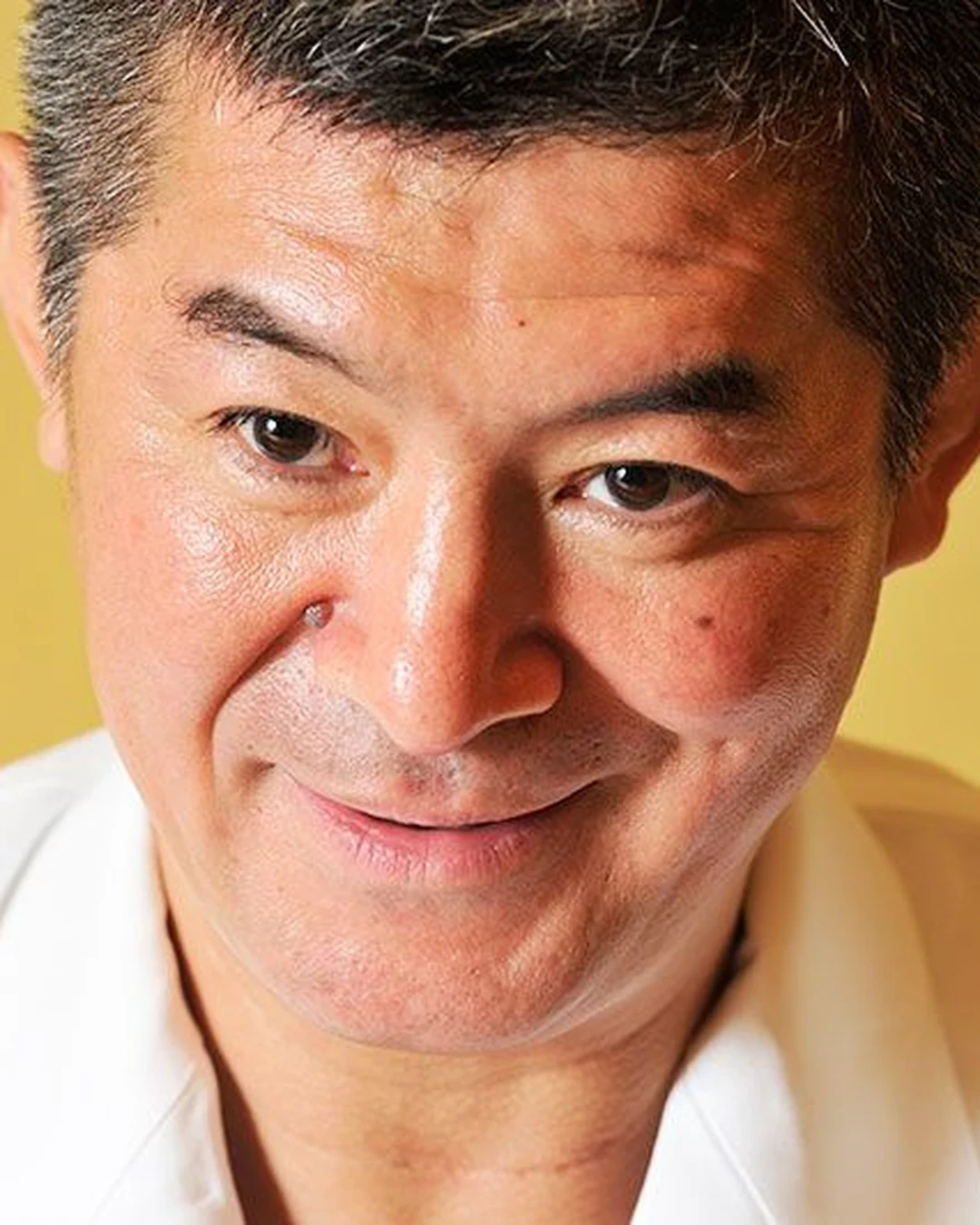
Chef Toshikatsu Aoki leads the counter, and while the database does not supply lineage detail, the awards record functions as a proxy: counters at this award level in Ginza are almost universally operated by chefs who trained within the established Edomae apprenticeship system. The Black Pearl designation, awarded by the Black Pearl Restaurant Guide covering Asia's dining scene, sits alongside the OAD recognition as independent corroboration rather than duplication. Two separate credentialing bodies reaching the same conclusion is the relevant signal.
For a sense of how Ginza and Tokyo's broader sushi tier compares internationally, Sushi Shikon in Hong Kong and Shoukouwa in Singapore represent the export tier of Tokyo-trained Edomae craft, operating under different sourcing constraints but recognisable technique. The originals remain in Ginza.
Tokyo's Wider Table
Sushi Aoki is a single counter in a city of extraordinary dining depth. Visitors building a Tokyo itinerary around serious eating should cross-reference Sukiyabashi Jiro Roppongiten for the most discussed sushi address in the city's modern mythology, alongside the full range in our full Tokyo restaurants guide. Nights not spent at a counter can be directed toward cocktail bars and drinking rooms covered in our full Tokyo bars guide, and accommodation options across price tiers appear in our full Tokyo hotels guide. For experiences and cultural programming, our full Tokyo experiences guide covers the relevant range, and our full Tokyo wineries guide addresses the city's wine and sake producer circuit.
Japan's dining geography extends well beyond Tokyo. HAJIME in Osaka and Gion Sasaki in Kyoto anchor the Kansai end of the high-end spectrum, while akordu in Nara, Goh in Fukuoka, 1000 in Yokohama, and 6 in Okinawa represent the distributed character of Japan's serious dining scene, each city operating on its own logic.
Planning Your Visit
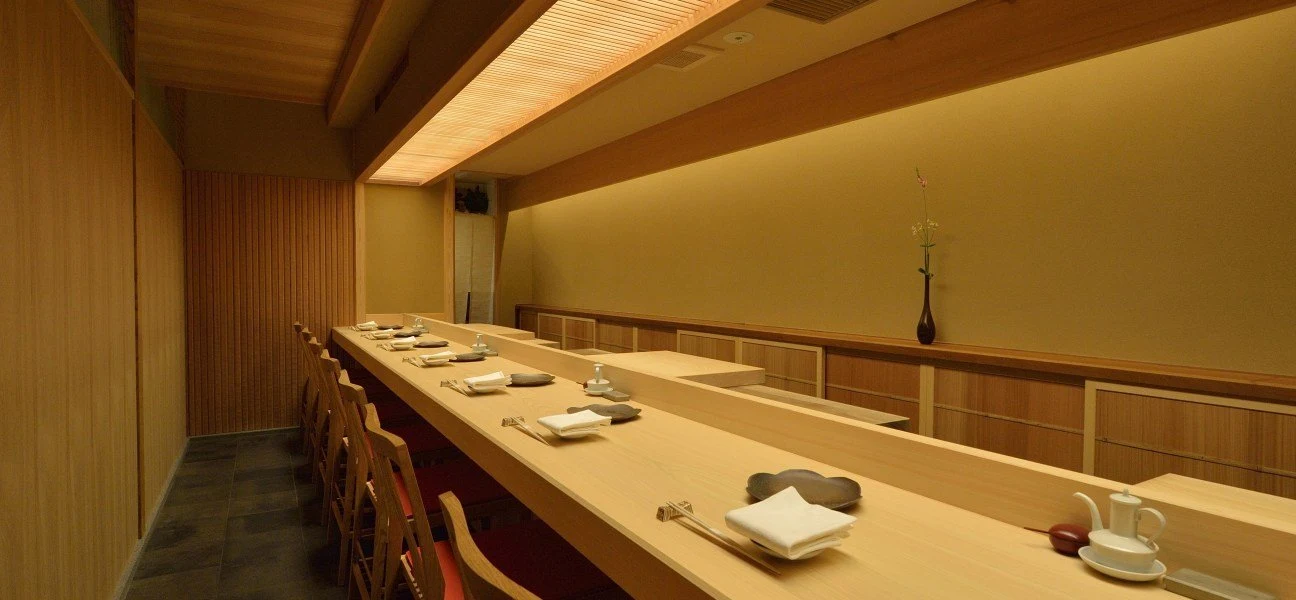
Sushi Aoki occupies the fourth floor at 6 Chome-7-7 Ginza, Chuo City, Tokyo. Hours: Tuesday through Saturday, 12 to 2pm (lunch) and 5 to 10pm (dinner); closed Sunday and Monday. Google rating: 4.1 from 288 reviews.
Questions
Frequently asked
Who works at Sushi Aoki: Ginza?
Made By profiles Toshikatsu Aoki (Chef) at Sushi Aoki: Ginza.
How expensive is Sushi Aoki: Ginza?
Sushi Aoki: Ginza is listed at a price level of $$$$.
Where is Sushi Aoki: Ginza and what does it serve?
Sushi Aoki: Ginza is in Chūō, Tokyo, serving Edomae Sushi Omakase.
The field
How it compares
| Place | Cuisine | Notes | Awards |
|---|---|---|---|
| Sushi Aoki: Ginza | Edomae Sushi Omakase | Chūō, $$$$ | · |
| Den | Modern Japanese Kaiseki | Tokyo | Michelin 2 Stars, World's 50 Best |
| Florilège | Modern French-Japanese Plant-Based Fine Dining | Tokyo | Michelin 2 Stars, World's 50 Best |
| Narisawa | Modern Japanese Satoyama Fine Dining | Tokyo | Michelin 2 Stars, World's 50 Best |
| Quintessence | Modern French Fine Dining | Tokyo | Michelin 3 Stars |
| Sazenka | Modern Chinese Fine Dining | Tokyo | Michelin 3 Stars, World's 50 Best |
| Sézanne | Modern French Fine Dining | Tokyo | Michelin 3 Stars, World's 50 Best |
In residence
Similar places
Modern Japanese Kaiseki
Den
Tokyo, Japan
★★ · 50 Best
Modern French-Japanese Plant-Based Fine Dining
Florilège
Tokyo, Japan
★★ · 50 Best
Modern Japanese Satoyama Fine Dining
Narisawa
Tokyo, Japan
★★ · 50 Best
Modern French Fine Dining
Quintessence
Tokyo, Japan
★★★
Modern Chinese Fine Dining
Sazenka
Tokyo, Japan
★★★ · 50 Best
Modern French Fine Dining
Sézanne
Tokyo, Japan
★★★ · 50 Best