Sushi Horiuchi
In Residence
Manabu Horiuchi
Executive Chef
- 01CuisineModern Japanese Omakase
- 02CityHouston, United States
Where Omakase Sits in Houston's Premium Dining Order
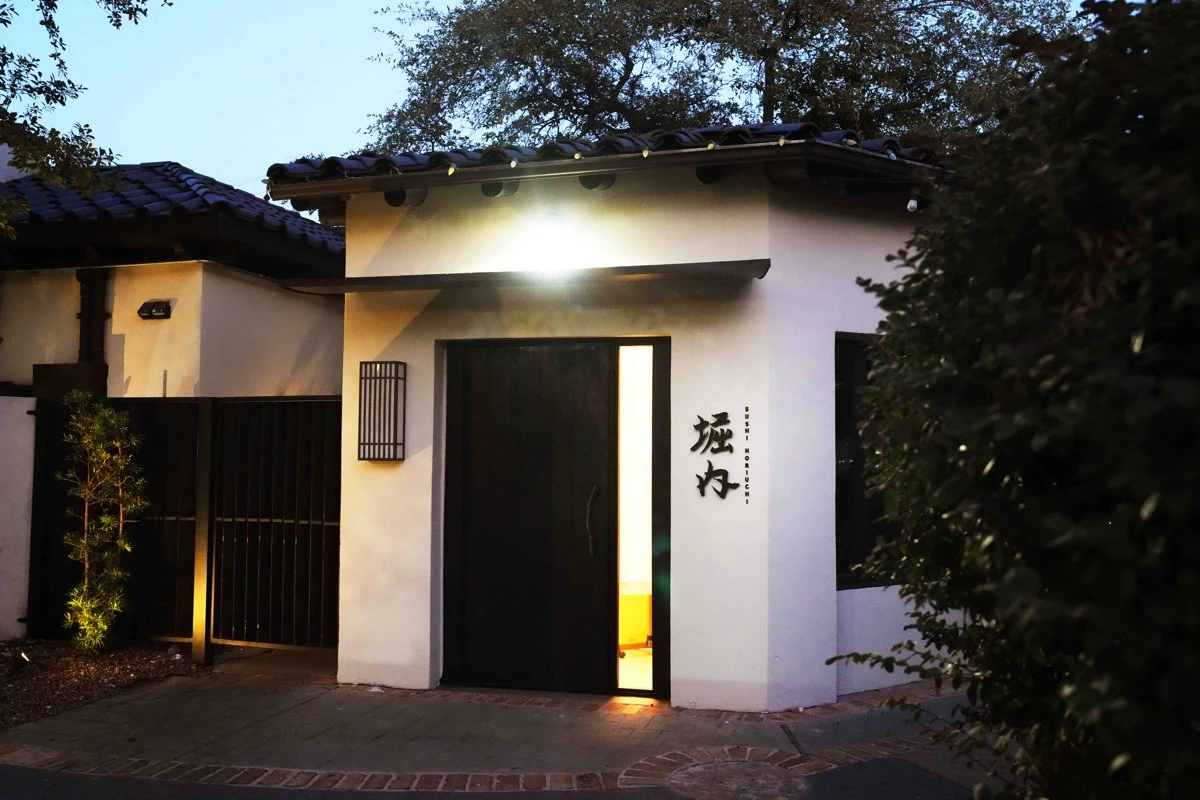
Houston's fine dining conversation has historically centred on European formats: French-inflected tasting menus, Venetian-inspired rooms, and the kind of ambitious New American cooking that defines places like March and Le Jardinier Houston. But over the past decade, Japanese omakase has carved out its own tier in the city, operating on different logic: smaller rooms, set sequences, and price points that track against a tightly defined national comparable set rather than the broader Houston market. Sushi Horiuchi, at 2701 West Dallas Street, sits at the intersection of Montrose and River Oaks, a corridor that has absorbed a disproportionate share of Houston's high-end openings and whose regulars expect a certain fluency with premium formats.
Omakase in American cities has split into two recognisable brackets. The first is accessible omakase: larger counters, broader menus, and price points that allow for spontaneous booking. The second is the more compressed, appointment-driven format that mirrors what the leading counters in New York or San Francisco have long operated under. Horiuchi reads as the latter type. For comparison, Houston's rough equivalent conversation about prestige-tier sushi is considerably shorter than the one happening in cities like New York, where Le Bernardin anchors a seafood fine dining tradition that has decades of critical infrastructure behind it.
The Sunday email
Read about the people behind restaurants like Sushi Horiuchi in the Sunday email.
Every Sunday we send a lead story and up to four more about the chefs, winemakers, sommeliers and hoteliers behind the restaurants, bars, wineries and hotels we cover.
Recent stories

Free. One email a week, and you can unsubscribe from any issue.
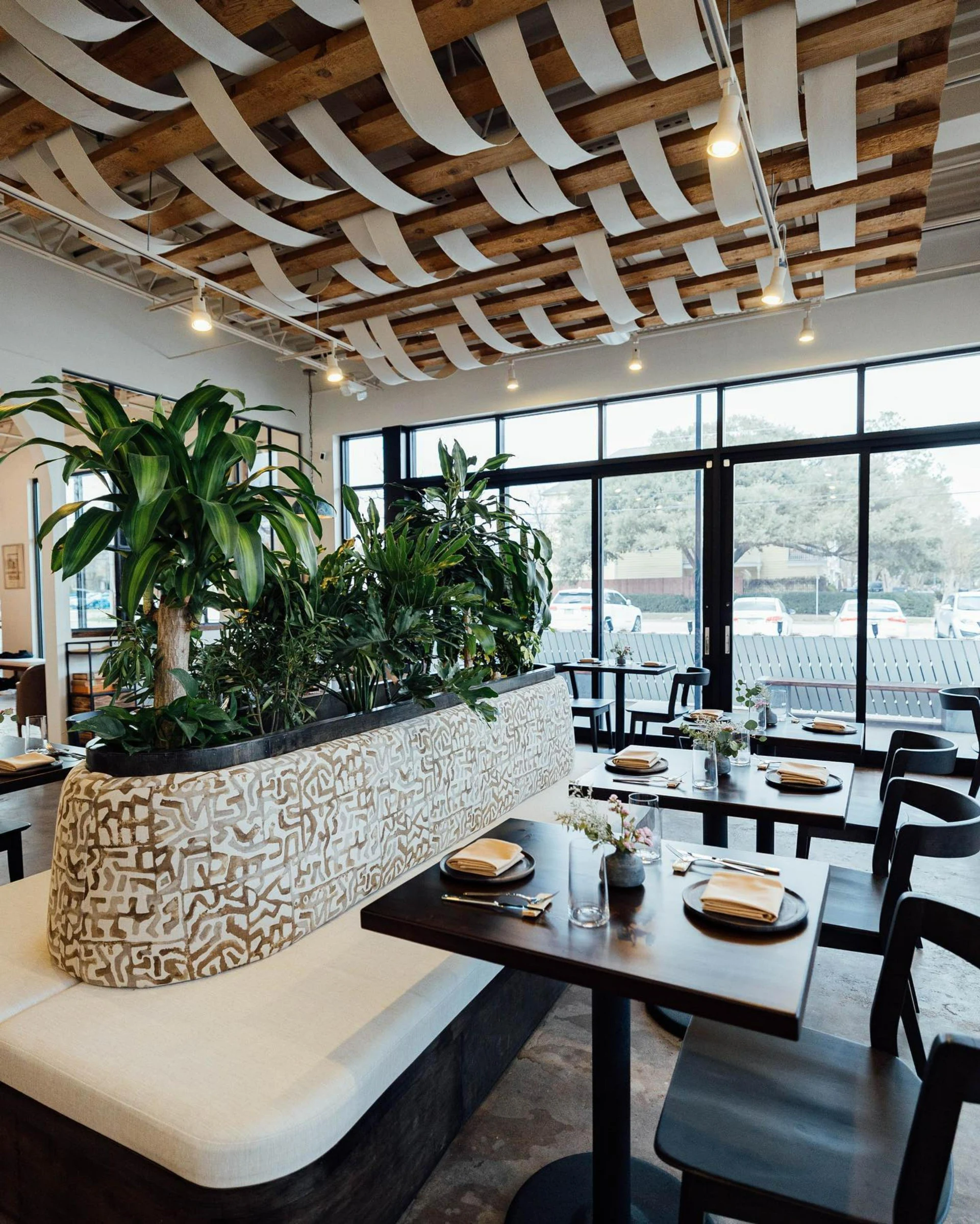
The Room and What It Signals
The West Dallas address places Horiuchi in a stretch that has become a useful barometer for Houston dining ambition. The physical approach, before you reach the counter itself, already communicates the format. Omakase rooms of this type tend to share certain design principles: restrained materials, deliberate lighting, and a spatial arrangement that keeps the itamae and the guest in close proximity. The counter is not incidental architecture; it is the dining room. What you see, hear, and smell in the first minutes of being seated sets the interpretive frame for everything that follows.
That physical grammar of the omakase counter has its own logic. Unlike the open-kitchen theatrics of, say, the tasting menu format at Alinea in Chicago or the farm-anchored narrative of Single Thread Farm in Healdsburg, the sushi counter makes no argument through spectacle. The argument is made through the fish itself: temperature, cut, rice acidity, the interval between courses. Restraint is the medium. This is worth stating plainly for guests who arrive from European fine dining traditions and expect a more elaborated vocabulary of service gestures and tableside presentation.
The Drinks Question at an Omakase Counter
The editorial angle that most illuminates Horiuchi's position in Houston's dining hierarchy is the drinks program.
Premium omakase counters in the United States have developed two distinct approaches to beverage pairing. The first treats sake as the primary vehicle and builds a list around regional Japanese expressions, serving them in a progression that mirrors the sequence of the meal, lighter and younger rice wines early, fuller and more aged expressions as the fish intensifies. The second adopts a more cosmopolitan stance, layering Champagne and white Burgundy alongside sake, reflecting a guest base that arrives with European wine fluency and expects to see it accommodated. The most sophisticated counters, those in the upper tier nationally, do both simultaneously, running sake pairing as the default and wine pairing as a parallel option.
Where Horiuchi sits on that spectrum is a meaningful data point for the serious guest. Houston's premium dining scene has seen this kind of drinks ambition at a handful of addresses: Musaafer has built a cellar that functions as a deliberate argument about Indian wine pairing, and BCN Taste and Tradition operates with Spanish wine depth that goes well past the obvious regions. The question for any new entrant to Houston's premium counter is whether its beverage program carries the same conviction.
For guests accustomed to sake programs at counters in San Francisco or New York, the benchmark is clear. Venues like Lazy Bear in San Francisco have demonstrated that serious beverage curation and a focused, counter-format menu are not in tension. The same expectation applies to any omakase room operating at the upper bracket. A thin or generic sake list at a premium price point is a legible signal about a venue's priorities.
Houston's Japanese Dining Tier in Context
Houston has one direct omakase competitor worth naming in this context: Hidden Omakase, which operates at the same $$$$ price tier and serves as the most direct point of comparison for guests deciding between the city's leading sushi options. Where Horiuchi differentiates, or fails to, matters precisely because the bracket is narrow. A city with two or three premium omakase counters is a city where reputation travels quickly and where the distinction between them is felt acutely by the community of regulars who rotate between both.
Nationally, the reference points are further afield. The French Laundry in Napa and Alain Ducasse at Louis XV in Monte Carlo represent what sustained critical attention and cellar investment look like at the absolute best of the format, even if the cuisine is different. Internationally, 8½ Otto e Mezzo Bombana in Hong Kong shows how a non-Japanese format can build a wine program that functions as a primary attraction rather than a supporting element. The lesson transfers: in a counter format where the guest is seated for two or more hours and the pacing is controlled entirely by the kitchen, the drinks program fills the interpretive space that other restaurants fill with tableside theatre.
For Houston guests coming from the Mexican-focused masa tradition of Tatemó or the broader New American registers that define much of the city's contemporary dining, Horiuchi represents a shift in format logic. The counter demands a different kind of attention, and rewards guests who arrive having thought about what they want to drink as carefully as they have thought about what they want to eat.
Questions
Frequently asked
Who works at Sushi Horiuchi?
Made By profiles Manabu Horiuchi (Chef-Owner) at Sushi Horiuchi.
How expensive is Sushi Horiuchi?
Sushi Horiuchi is listed at a price level of $$$$.
Where is Sushi Horiuchi and what does it serve?
Sushi Horiuchi is in Neartown, Houston, serving Modern Japanese Omakase.
The field
How it compares
| Place | Cuisine | Notes | Awards |
|---|---|---|---|
| Sushi Horiuchi | Modern Japanese Omakase | Neartown, $$$$ | · |
| BCN Taste & Tradition | Modern Spanish Tapas | Houston | Michelin 1 Star |
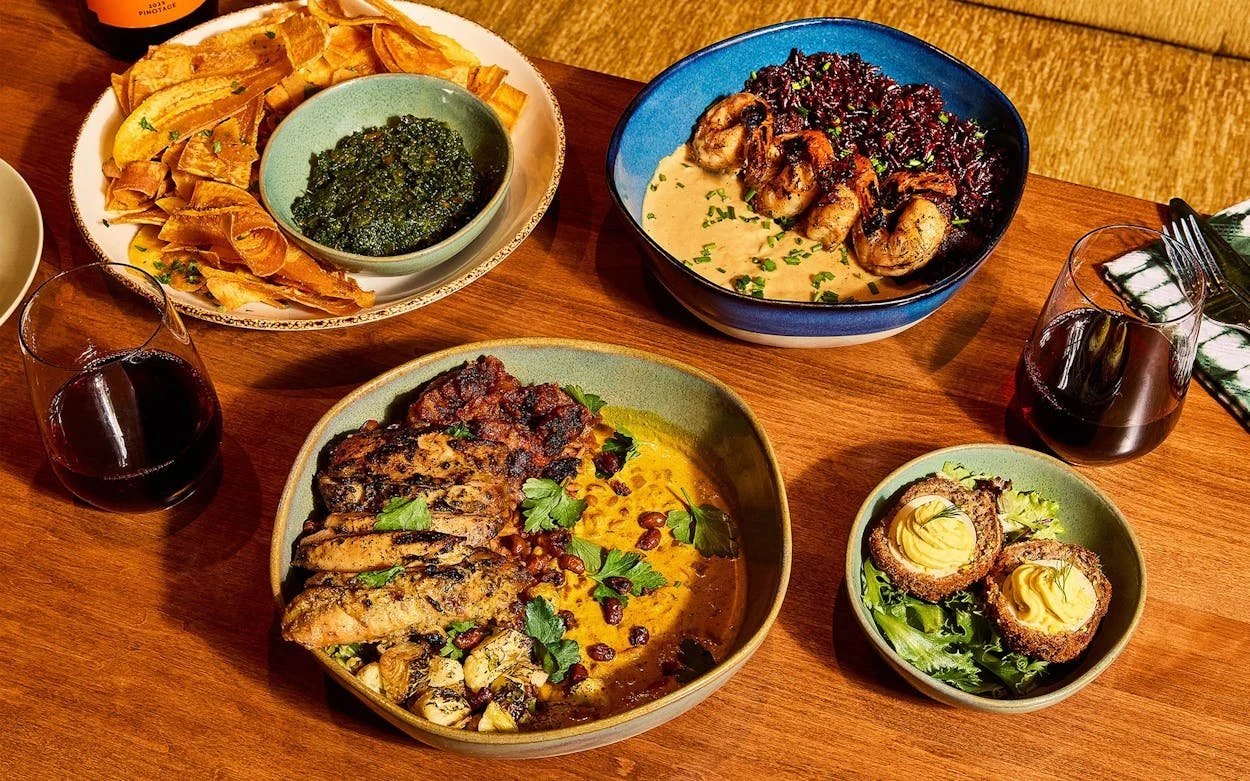
| ChòpnBlok | Modern West African Fast-Casual | Houston | · |
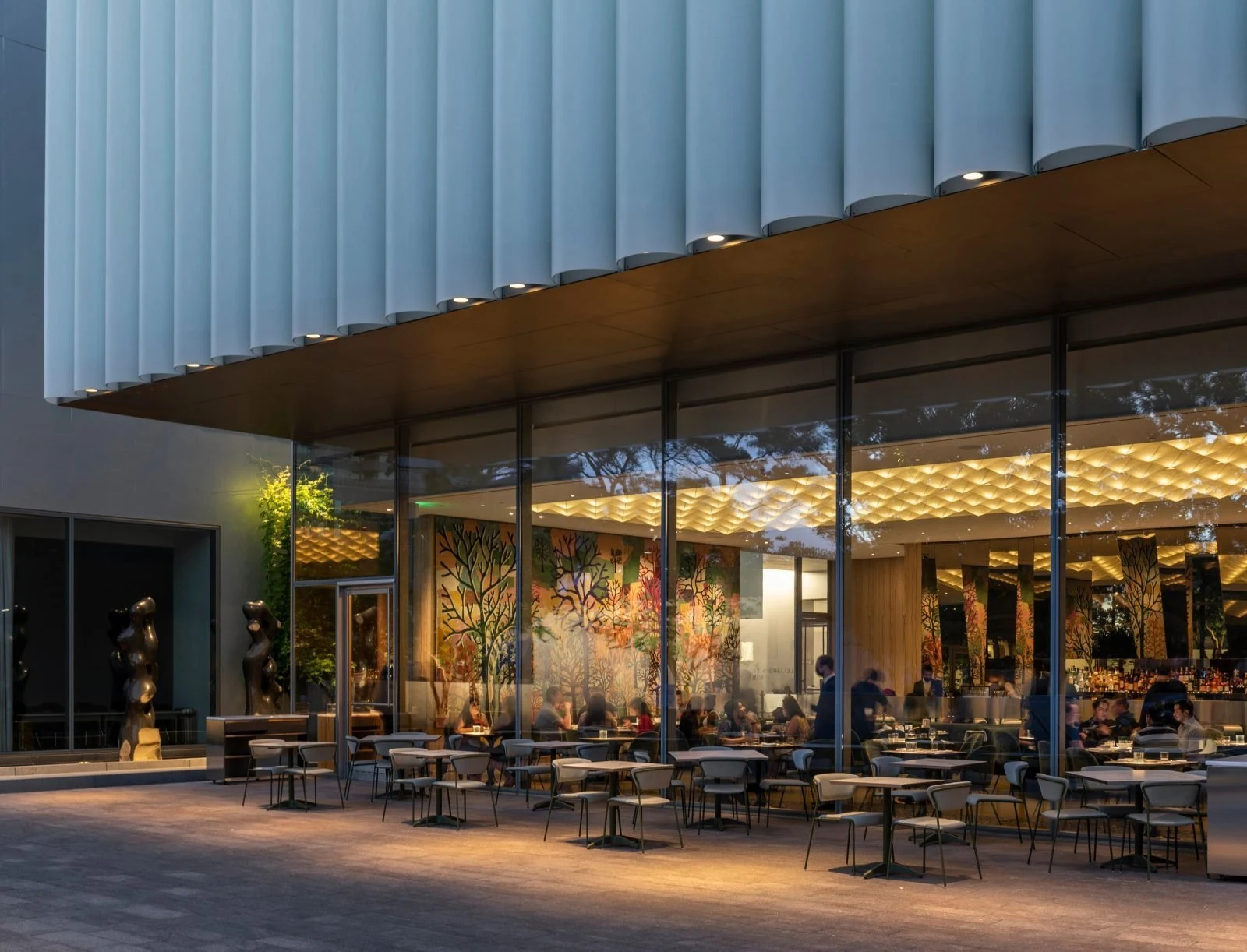
| Le Jardinier Houston | Contemporary French Fine Dining | Houston | Michelin 1 Star |
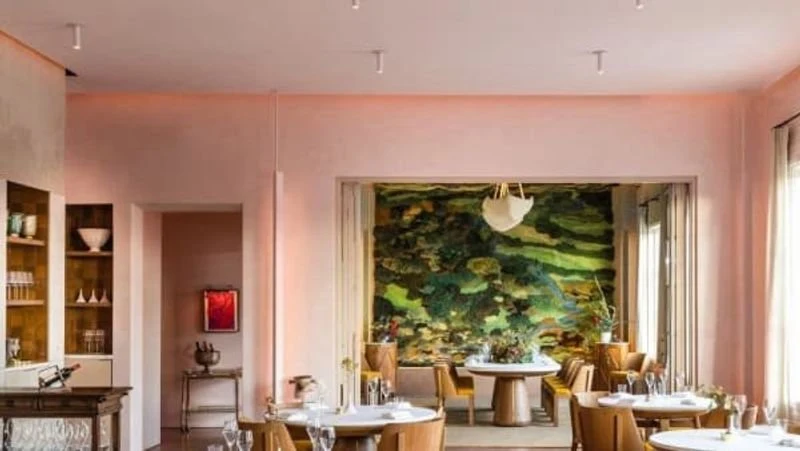
| March | Modern Mediterranean Tasting | Houston | Michelin 1 Star |
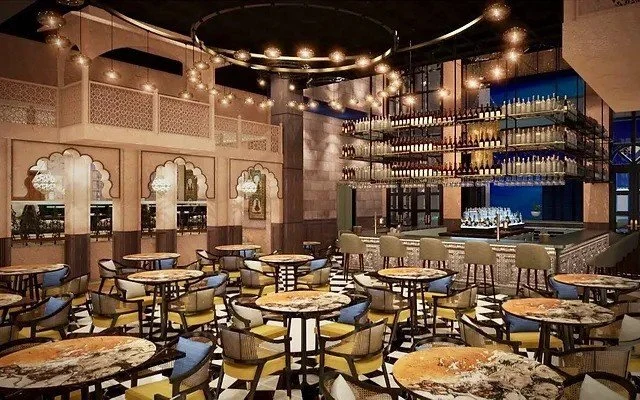
| Musaafer | Modern Indian Fine Dining | Houston | Michelin 1 Star |
| Tatemó | Modern Mexican Heirloom Corn Tasting Menu | Houston | Michelin 1 Star |
Similar places
Modern Spanish Tapas
BCN Taste & Tradition
Houston, United States
★
Modern West African Fast-Casual
ChòpnBlok
Houston, United States
Contemporary French Fine Dining
Le Jardinier Houston
Houston, United States
★
Modern Mediterranean Tasting
March
Houston, United States
★
Modern Indian Fine Dining
Musaafer
Houston, United States
★
Modern Mexican Heirloom Corn Tasting Menu
Tatemó
Houston, United States
★
The Sunday email
Read about the people behind restaurants like Sushi Horiuchi in the Sunday email.
Every Sunday we send a lead story and up to four more about the chefs, winemakers, sommeliers and hoteliers behind the restaurants, bars, wineries and hotels we cover.
Recent stories
Free. One email a week, and you can unsubscribe from any issue.