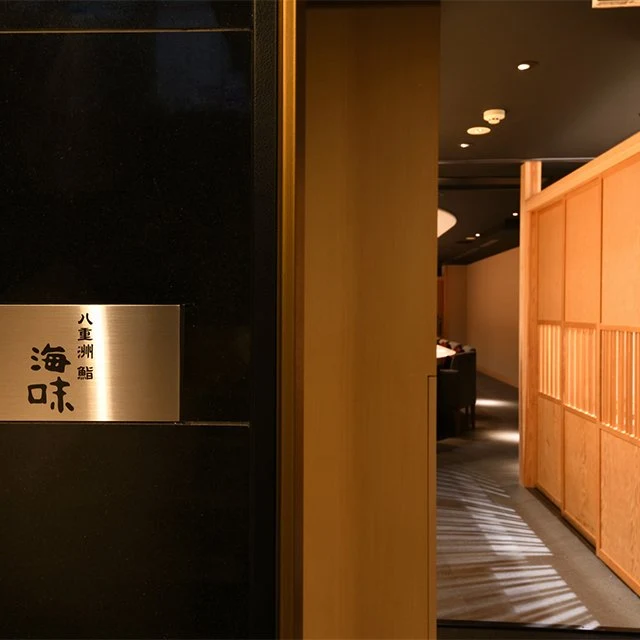
Sushi Inomata (鮨 猪股)
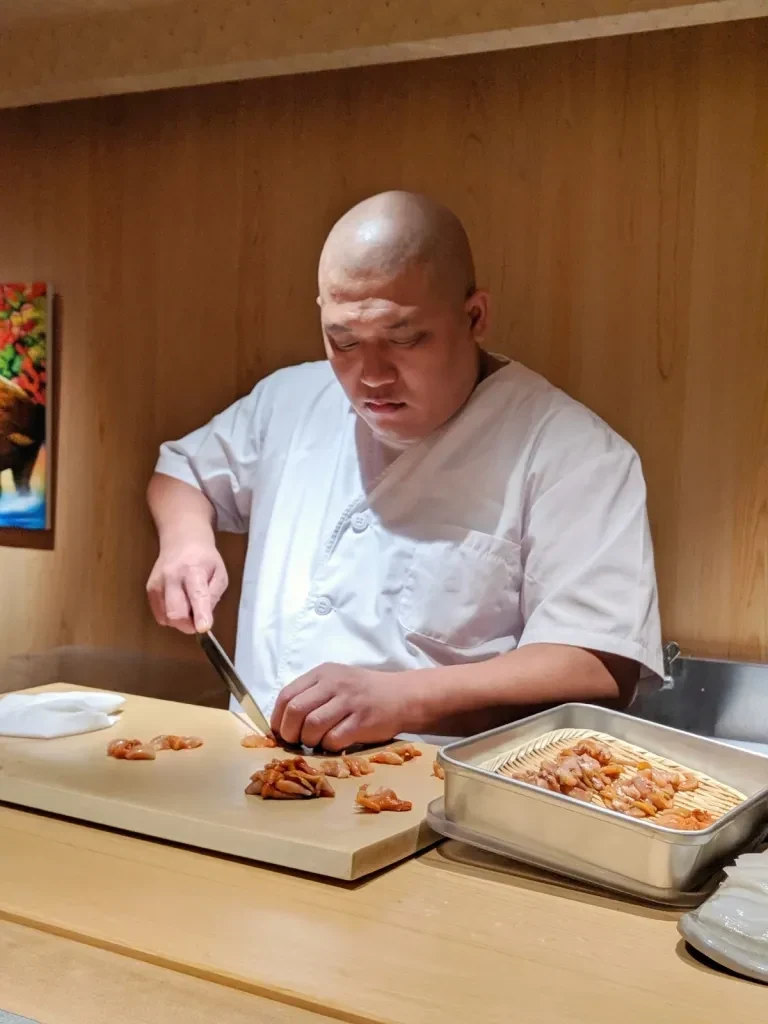
In Residence
Kiyoshi Inomata
Chef
- 01CuisineEdomae-style Omakase Sushi
- 02CityKawaguchi, Japan
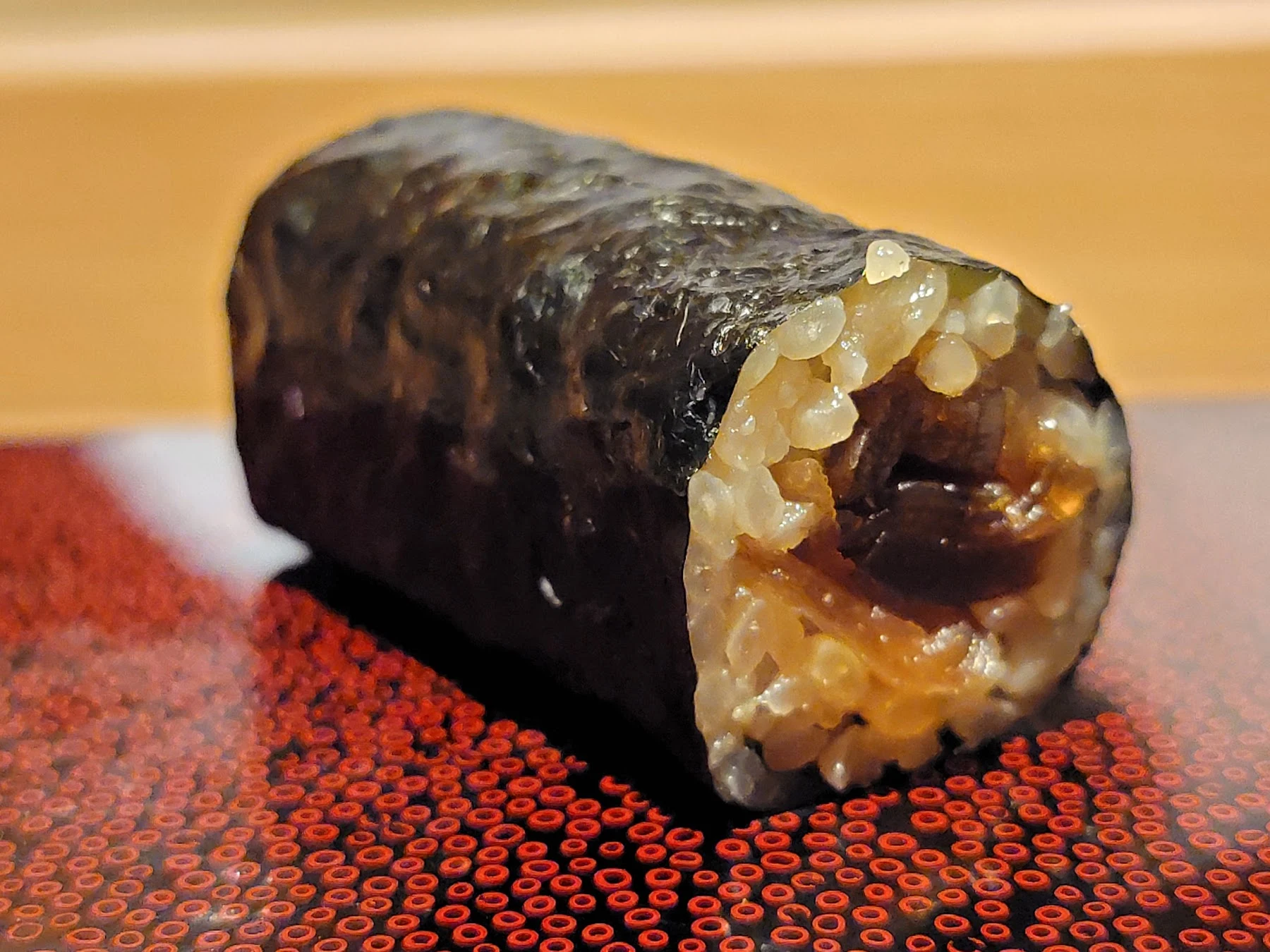
Kawaguchi sits just one stop beyond Tokyo's northern boundary on the Keihin-Tohoku Line, yet the city rarely appears on shortlists for serious sushi. Sushi Inomata (鮨 猪股) is one reason that oversight is worth correcting. The restaurant operates a nigiri-only omakase format built around jukusei — the deliberate aging of fish — drawing direct inspiration from the Edomae tradition as practised at Hatsunezushi. Aged hon-maguro is the most discussed item among reviewers, alongside marinated neta and what regulars describe as a castella-style tamagoyaki served to close the meal.
The counter seats eight or nine guests, and the atmosphere reviewers consistently describe is relaxed rather than ceremonial — an unusual register for a destination restaurant that draws visitors from central Tokyo specifically for Chef Inomata's technique. That technique centres on controlled aging and marination rather than the hyperchilled, cut-to-order approach that defines many Tokyo counters. The result is a flavour profile that rewards guests who understand what jukusei aging does to texture and fat distribution, though the setting is accessible enough that it does not demand prior expertise.
Pricing runs approximately ¥28,000–¥42,000 per person depending on the market and the evening's selection, which places Inomata in the serious omakase tier without reaching the ¥50,000-plus ceiling of Ginza's most formal counters. That value proposition, combined with the focused nigiri-only format, is what draws the attention of reviewers who describe Chef Inomata as among the more closely watched young sushi chefs working outside the capital. JR Kawaguchi Station's east exit puts the restaurant within walking distance, making the journey from central Tokyo straightforward by Keihin-Tohoku Line — roughly 30 minutes from Ueno.
Questions
Frequently asked
Who works at Sushi Inomata (鮨 猪股)?
Made By profiles Kiyoshi Inomata (Chef) at Sushi Inomata (鮨 猪股).
How expensive is Sushi Inomata (鮨 猪股)?
Sushi Inomata (鮨 猪股) is listed at a price level of $$$$.
Where is Sushi Inomata (鮨 猪股) and what does it serve?
Sushi Inomata (鮨 猪股) is in 幸町, Kawaguchi, serving Edomae-style Omakase Sushi.
The field
How it compares
| Place | Cuisine | Notes | Awards |
|---|---|---|---|
| Sushi Inomata (鮨 猪股) | Edomae-style Omakase Sushi | 幸町, $$$$ | · |
| Aponiente | Avant-Garde Marine Seafood | El Puerto de Santa María | Michelin 3 Stars, World's 50 Best |
| DiverXO | Avant-Garde Spanish Tasting Menu | Madrid | Michelin 3 Stars, World's 50 Best |
| Elkano | Basque Grilled Fish | Getaria | Michelin 1 Star, World's 50 Best |
| Jungsik New York | Modern Korean Fine Dining | New York City | Michelin 3 Stars, World's 50 Best |
| Sushi Sakai | Edomae-style Omakase Sushi | Fukuoka | · |
| Umi | Edomae-style Omakase Sushi | Tokyo | · |
In residence
Similar places
Avant-Garde Marine Seafood
Aponiente
El Puerto de Santa María, Spain
★★★ · 50 Best
Avant-Garde Spanish Tasting Menu
DiverXO
Madrid, Spain
★★★ · 50 Best
Basque Grilled Fish
Elkano
Getaria, Spain
★ · 50 Best
Modern Korean Fine Dining
Jungsik New York
New York City, United States
★★★ · 50 Best
Edomae-style Omakase Sushi
Sushi Sakai
Fukuoka, Japan
Edomae-style Omakase Sushi
Umi
Tokyo, Japan