Sushi Keita
In Residence
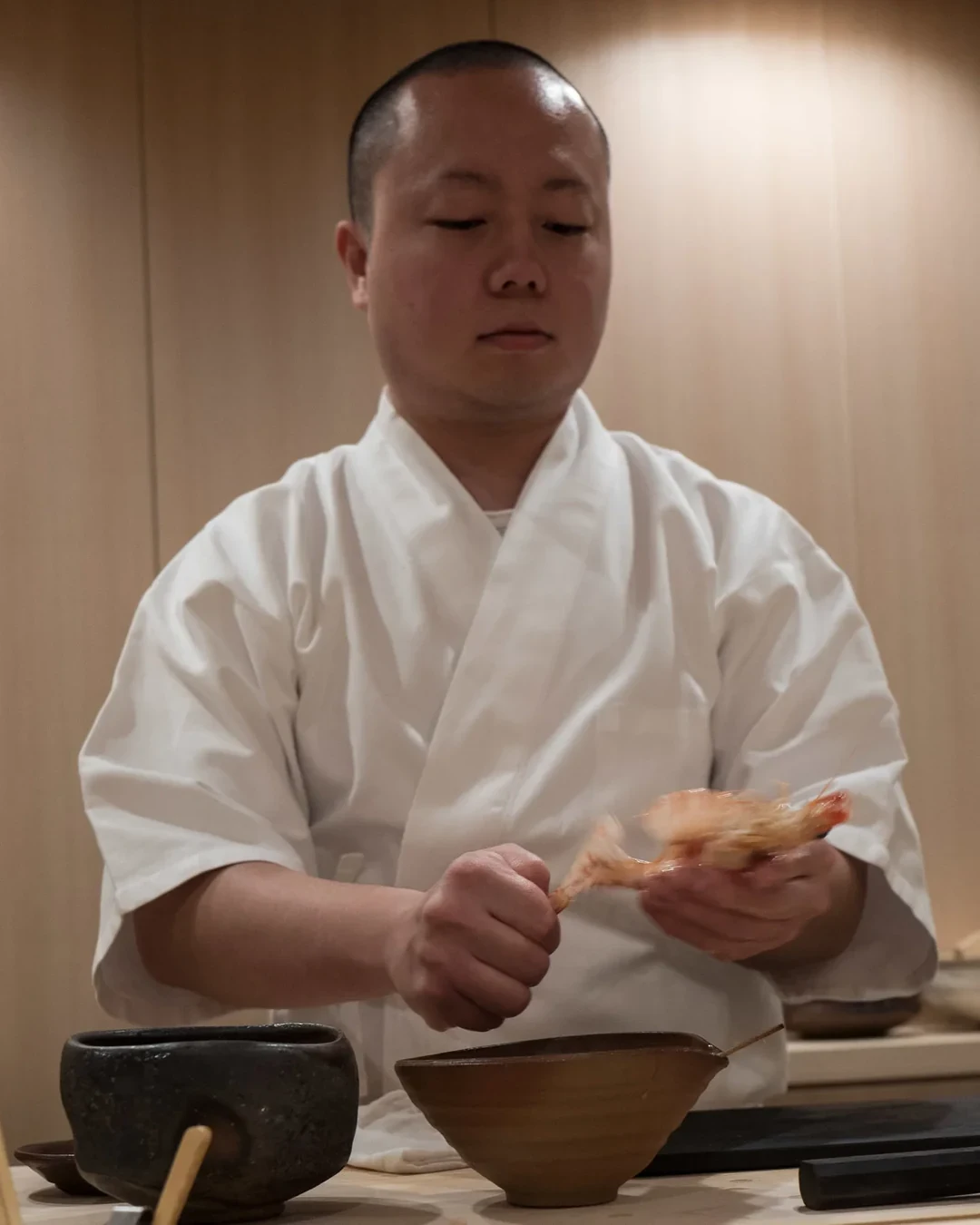
Keita Aoyama
Chef
- 01CuisineEdomae Omakase Sushi
- 02CityTokyo, Japan
- 03RecognitionOne Michelin Star
- 1 Michelin Star · Michelin Guide
- Michelin 1 Star · 2026
- Opinionated About Dining Top Restaurants in Japan Recommended · 2026
- Tabelog 100 #28: 3.9pts · 2025
- Opinionated About Dining Top Restaurants in Japan Ranked #327 · 2025
- Opinionated About Dining Top Restaurants in Japan Ranked #271 · 2024
- Michelin 1 Star · 2024
- Opinionated About Dining Top Restaurants in Japan Highly Recommended · 2023
Tsukiji's Quiet Argument Against Omakase Theatre
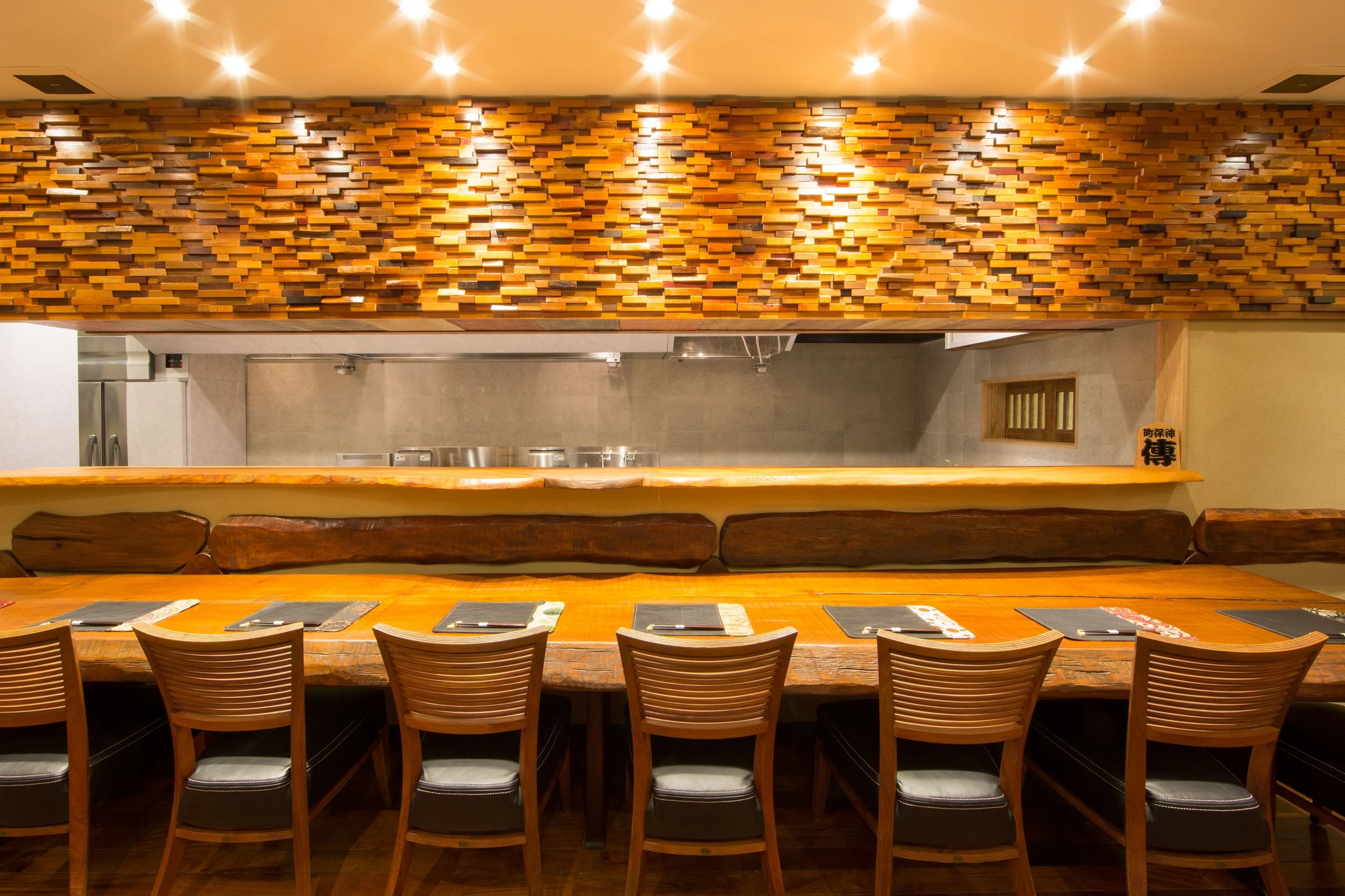
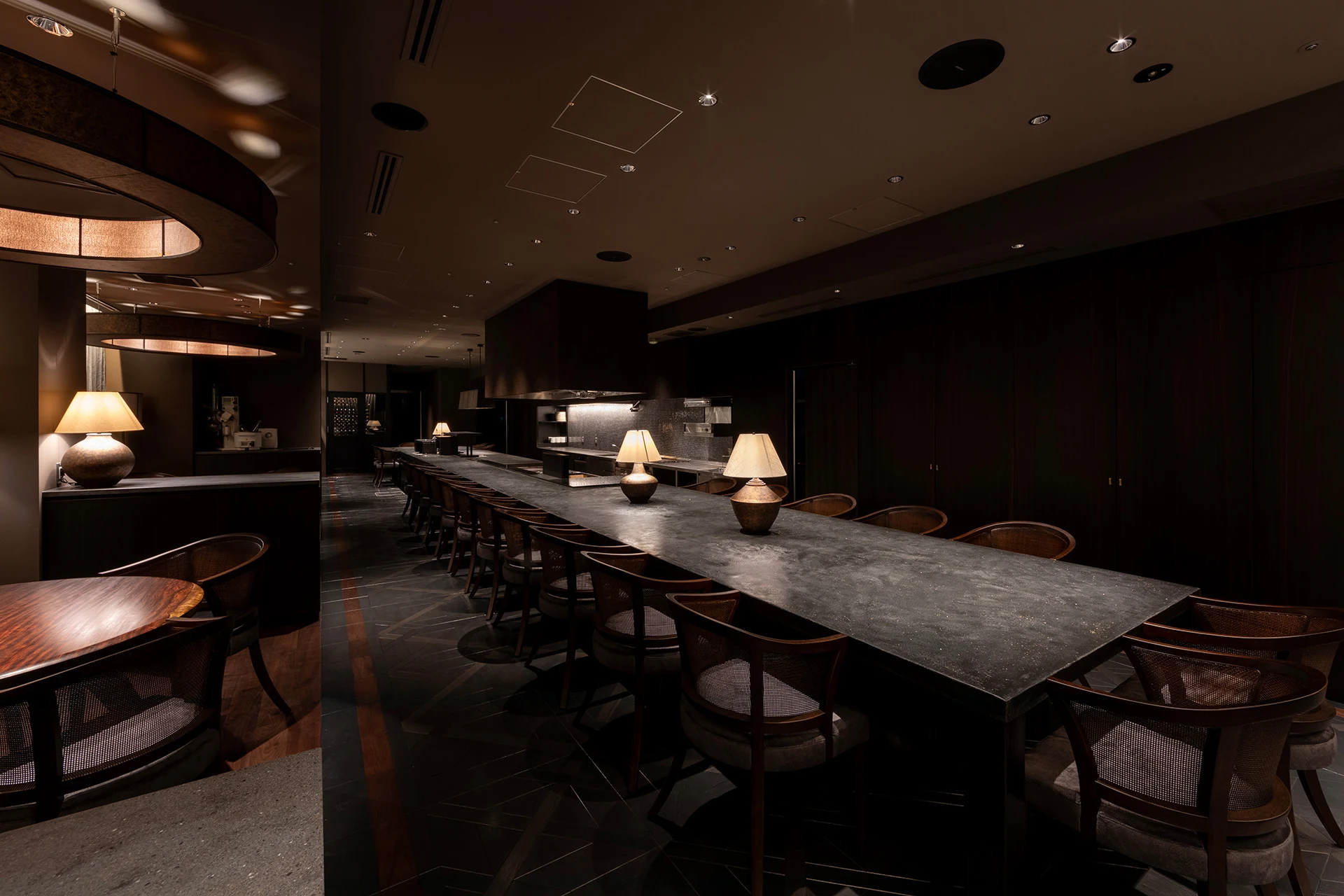
Tokyo's sushi scene has spent the better part of a decade sorting itself into legible tiers. At the leading edge, a cluster of multi-starred counters in Ginza and Minami-Aoyama price against one another and book three to six months ahead on overseas-facing reservation platforms. Below that tier sits a more interesting middle register: Michelin-recognised counters that hold their credentials without the accompanying spectacle, and that price at ¥¥¥ rather than ¥¥¥¥. Sushi Keita, in Tsukiji, belongs to that register. Its Sushi Kanesaka-adjacent neighbourhood and single Michelin star (awarded 2024) place it inside a competitive set that includes Edomae Sushi Hanabusa, while remaining structurally distinct from the ¥¥¥¥ tier occupied by counters like Harutaka or Sukiyabashi Jiro Roppongiten.
Tsukiji itself carries a specific gravity in the Tokyo sushi conversation. The old wholesale market may have relocated to Toyosu, but the neighbourhood retains a concentration of sushi professionals for whom proximity to sourcing infrastructure was never purely symbolic. Counters here tend to trade on substance rather than address, and Sushi Keita fits that character precisely.
What You Actually Get for the Price
The value proposition at ¥¥¥ sushi counters in Tokyo is rarely direct. The ¥¥¥¥ tier typically signals a floor of prestige ingredients, elaborate rice preparation protocols, and the kind of tableside formality that has become its own product. What the ¥¥¥ tier can offer, when the kitchen is serious, is the same fundamental commitment to fish quality and rice technique without the premium attached to branding or postcode.
At Sushi Keita, the Opinionated About Dining ranking history gives a useful external frame: Highly Recommended in 2023, ranked 271st in Japan in 2024, and 327th in 2025. The slight movement in the OAD ranking across consecutive years places the counter inside a competitive national field that includes hundreds of serious sushi operations, and a Michelin star alongside consistent OAD recognition constitutes the kind of dual-credential signal that usually commands higher prices elsewhere. For a counter at this price point, that credential stack is notable.
Where many high-end Tokyo counters have moved toward smaller, more precisely controlled pieces, Aoyama forms nigiri on the larger side, with toppings cut thick and broad to wrap around the rice naturally. This is not a residual habit from an earlier era of sushi making. It reflects a specific reading of how texture and proportion interact, and it produces a different eating experience from the compressed, miniature style now common at the tier above. Whether that tradeoff suits a given diner is a legitimate question; it is at minimum a deliberate choice, not a default.
The Signalling Question
One of the more revealing details in Sushi Keita's public record is what it does not do. The practice of displaying tuna wholesaler business cards, certificates, or origin documentation has spread through Tokyo's premium omakase sector as a way of communicating sourcing credibility. Some counters now frame this documentation prominently, using it as a trust mechanism with diners who have learned to read provenance as a quality proxy. Chef Keita Aoyama takes the opposite position and makes no such display.
This is worth considering in context. The decision to step back from provenance theatre does not imply indifference to ingredient quality; it implies a different theory of where credibility should be located. Counters that refuse to perform sourcing credentials are making a bet that the food itself carries the argument. That is a harder position to sustain, and it is consistent with the restraint implicit in the ¥¥¥ price point. The diner is not paying for the story of the fish. They are paying for the fish, and for the rice, and for the twenty or so decisions that surround each piece of nigiri.
For comparison, the approach at Hiroo Ishizaka similarly positions itself through quiet execution rather than front-of-house signalling, which suggests a broader tendency among Michelin-recognised counters outside the most expensive tier to let the omakase sequence speak for itself.
Tsukiji and the Counter Format
Sushi Keita operates Tuesday through Saturday, from 5:30 to 10:30 pm, with Monday and Sunday closed. The evening-only format is standard for serious omakase operations, where the preparation workload and the pace of service make a lunch sitting structurally different, and many counters at this level have reduced or eliminated midday service. The five-evening week gives the kitchen consistent rhythm without the split-day fatigue that affects quality at higher-volume operations.
The Tsukiji address on 6 Chome-6-4 is accessible from Tsukiji station on the Hibiya Line or Tsukijishijo on the Toei Oedo Line, placing the counter within reasonable reach from central Tokyo without the Ginza address premium that adds to the overhead at counters a short walk north. For visitors building a Tokyo itinerary around dining, this is a meaningful logistical factor: the neighbourhood is easier to combine with daytime Chuo activity than some of the Roppongi or Minami-Aoyama dinner destinations.
Japan's Sushi Counter in Regional Perspective
Tokyo holds the densest concentration of serious sushi counters in Japan, but the broader Japanese dining scene rewards comparison. For visitors extending beyond the capital, Gion Sasaki in Kyoto and HAJIME in Osaka anchor the Kansai dining conversation, though in very different culinary registers. Goh in Fukuoka and akordu in Nara extend the picture further. For visitors planning around sushi specifically, 1000 in Yokohama is within day-trip range of Tokyo. Outside Japan, the regional sushi counter tradition has produced credible operations in other Asian cities: Sushi Shikon in Hong Kong and Shoukouwa in Singapore hold Michelin recognition that places them at the high end of what those cities offer in the format. 6 in Okinawa rounds out a Japan itinerary for those travelling further south.
Planning Your Visit
Hours: Tuesday to Saturday, 5:30 pm to 10:30 pm; closed Monday and Sunday. Address: 6 Chome-6-4 Tsukiji, Chuo City, Tokyo 104-0045. Price tier: ¥¥¥, positioned below the ¥¥¥¥ counters that occupy the best of Tokyo's omakase market. Recognition: Michelin 1 Star; Opinionated About Dining Leading Restaurants in Japan ranked 271 (2024) and 327 (2025). Google rating: 4.4 from 170 reviews. Dress: smart casual.
What's the leading thing to order at Sushi Keita?
Sushi Keita runs an omakase format, so the menu is set by the kitchen rather than chosen by the diner. This proportioning, which differs from the compressed style common at higher-priced counters, is the clearest expression of what the kitchen prioritises. For reference on the overall experience, the Google rating of 4.5 from 148 reviews and the Michelin star together indicate consistent execution across the counter.
Questions
Frequently asked
What recognition does Sushi Keita hold?
Sushi Keita holds 1 Michelin star.
Who works at Sushi Keita?
Made By profiles Keita Aoyama (Chef) at Sushi Keita.
How expensive is Sushi Keita?
Sushi Keita is listed at a price level of $$$.
Where is Sushi Keita and what does it serve?
Sushi Keita is in Chūō, Tokyo, serving Edomae Omakase Sushi.
The field
How it compares
| Place | Awards | Cuisine | Notes |
|---|---|---|---|
| Sushi Keita | Michelin 1 Star | Edomae Omakase Sushi | Chūō, $$$ |
| Den | Michelin 2 Stars, World's 50 Best | Modern Japanese Kaiseki | Tokyo |
| Florilège | Michelin 2 Stars, World's 50 Best | Modern French-Japanese Plant-Based Fine Dining | Tokyo |
| Narisawa | Michelin 2 Stars, World's 50 Best | Modern Japanese Satoyama Fine Dining | Tokyo |
| Quintessence | Michelin 3 Stars | Modern French Fine Dining | Tokyo |
| Sazenka | Michelin 3 Stars, World's 50 Best | Modern Chinese Fine Dining | Tokyo |
| Sézanne | Michelin 3 Stars, World's 50 Best | Modern French Fine Dining | Tokyo |
In residence
Similar places
Modern Japanese Kaiseki
Den
Tokyo, Japan
★★ · 50 Best
Modern French-Japanese Plant-Based Fine Dining
Florilège
Tokyo, Japan
★★ · 50 Best
Modern Japanese Satoyama Fine Dining
Narisawa
Tokyo, Japan
★★ · 50 Best
Modern French Fine Dining
Quintessence
Tokyo, Japan
★★★
Modern Chinese Fine Dining
Sazenka
Tokyo, Japan
★★★ · 50 Best
Modern French Fine Dining
Sézanne
Tokyo, Japan
★★★ · 50 Best