- Opinionated About Dining Top Restaurants in North America Recommended · 2026
- Opinionated About Dining Top Restaurants in North America Ranked #592 · 2025
- Opinionated About Dining Top Restaurants in North America Ranked #573 · 2024
- Opinionated About Dining Top Restaurants in North America Recommended · 2023
Where Japan Meets Mexico City's Dining Ambitions
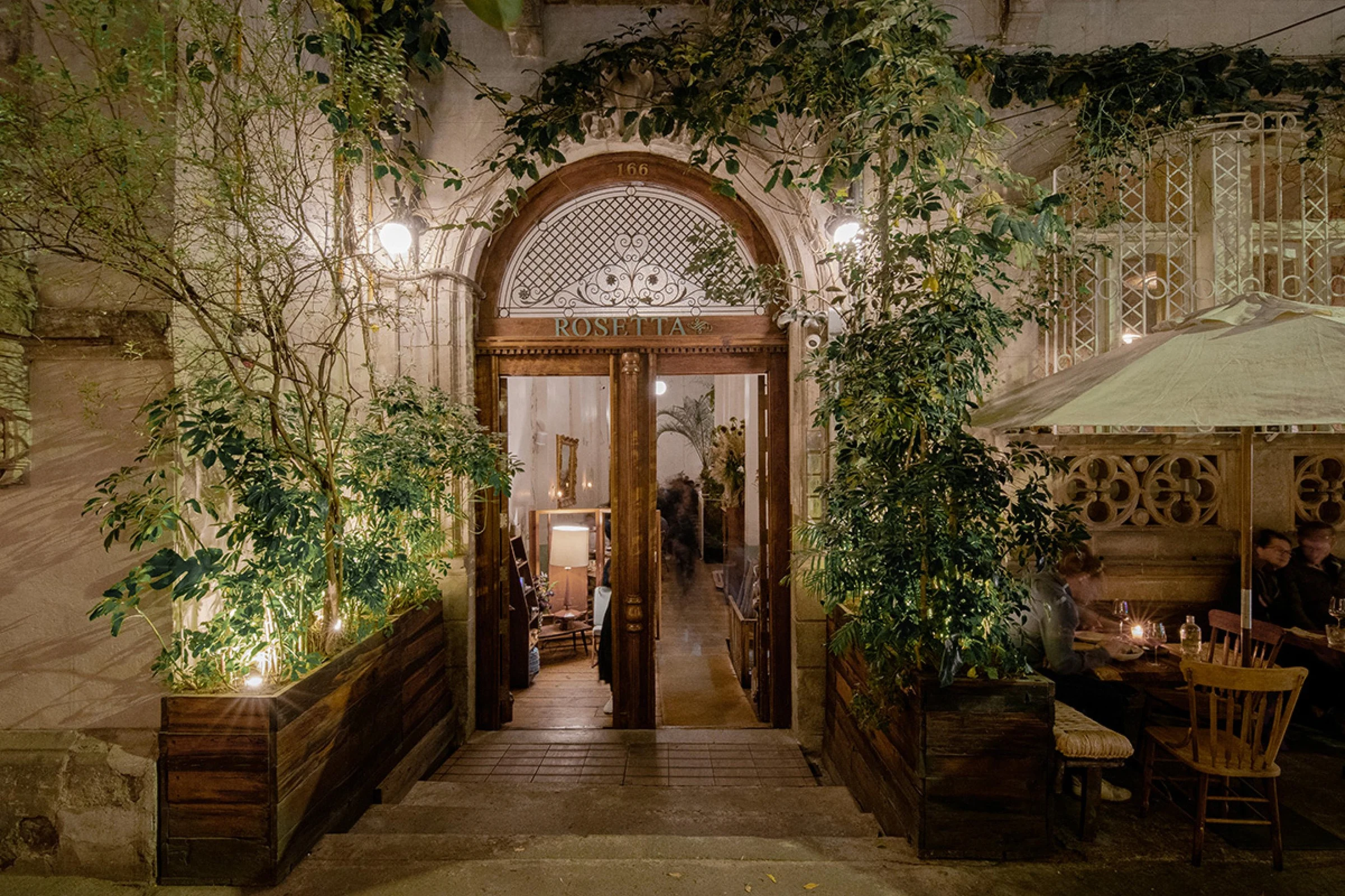
Colonia Juárez has quietly accumulated some of Mexico City's most serious restaurants over the past decade. The neighbourhood sits just west of the historic centre, and its low-rise streets now hold a concentration of destination kitchens that rivals the better-publicised Polanco corridor. Rosetta anchors one end of the creative-Italian conversation in the city; Em has carved out a position in the modern Mexican tier. Into this dense comparable set, Sushi Kyo is a Japanese omakase restaurant on Havre 77 in Mexico City’s Colonia Juárez, with a 4.6 Google rating and pricing around $100 per person.
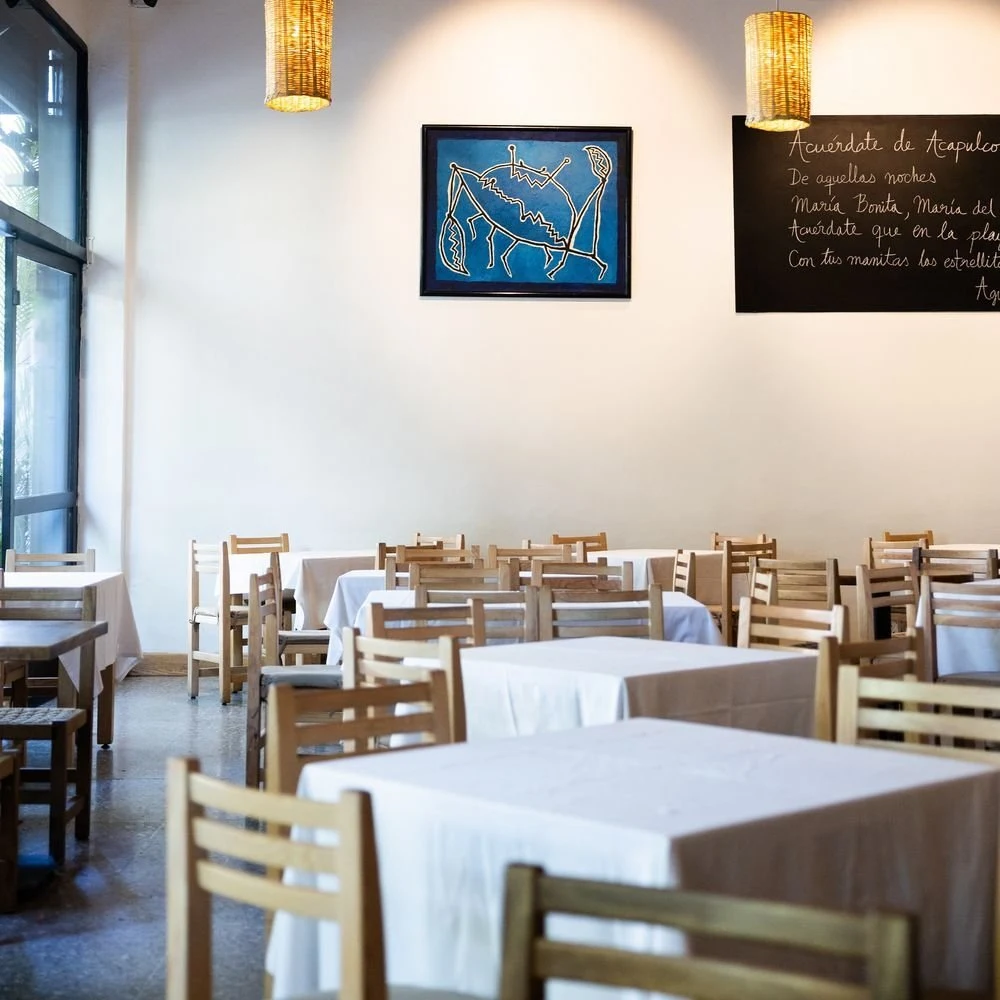
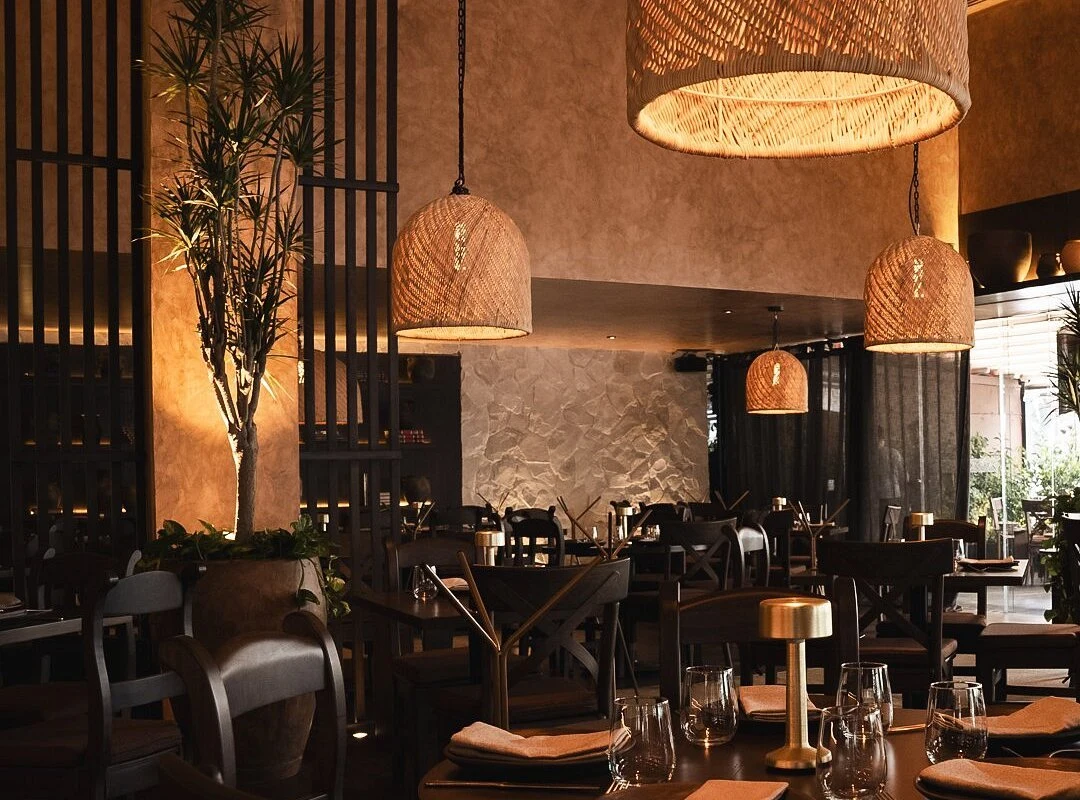
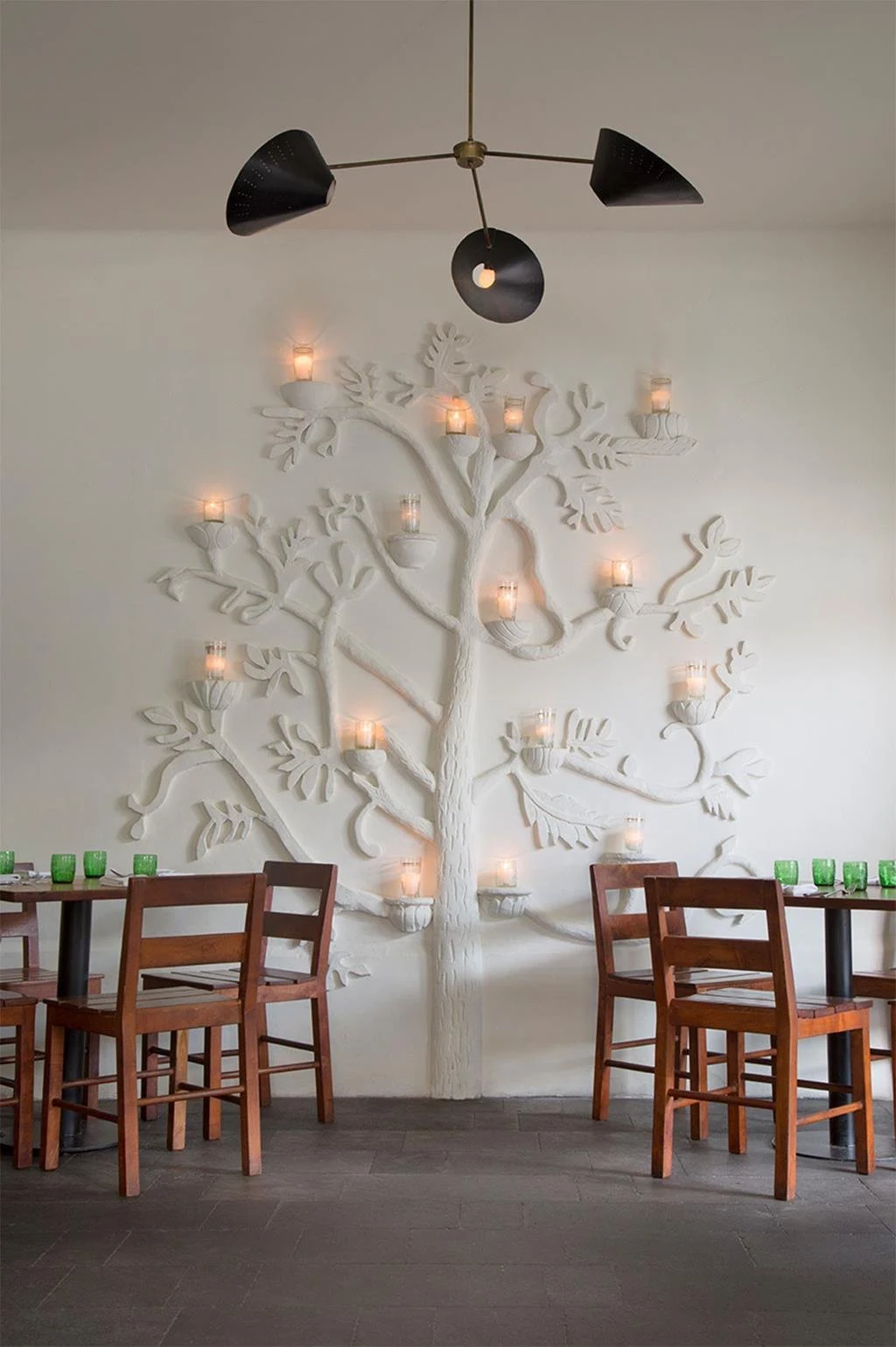
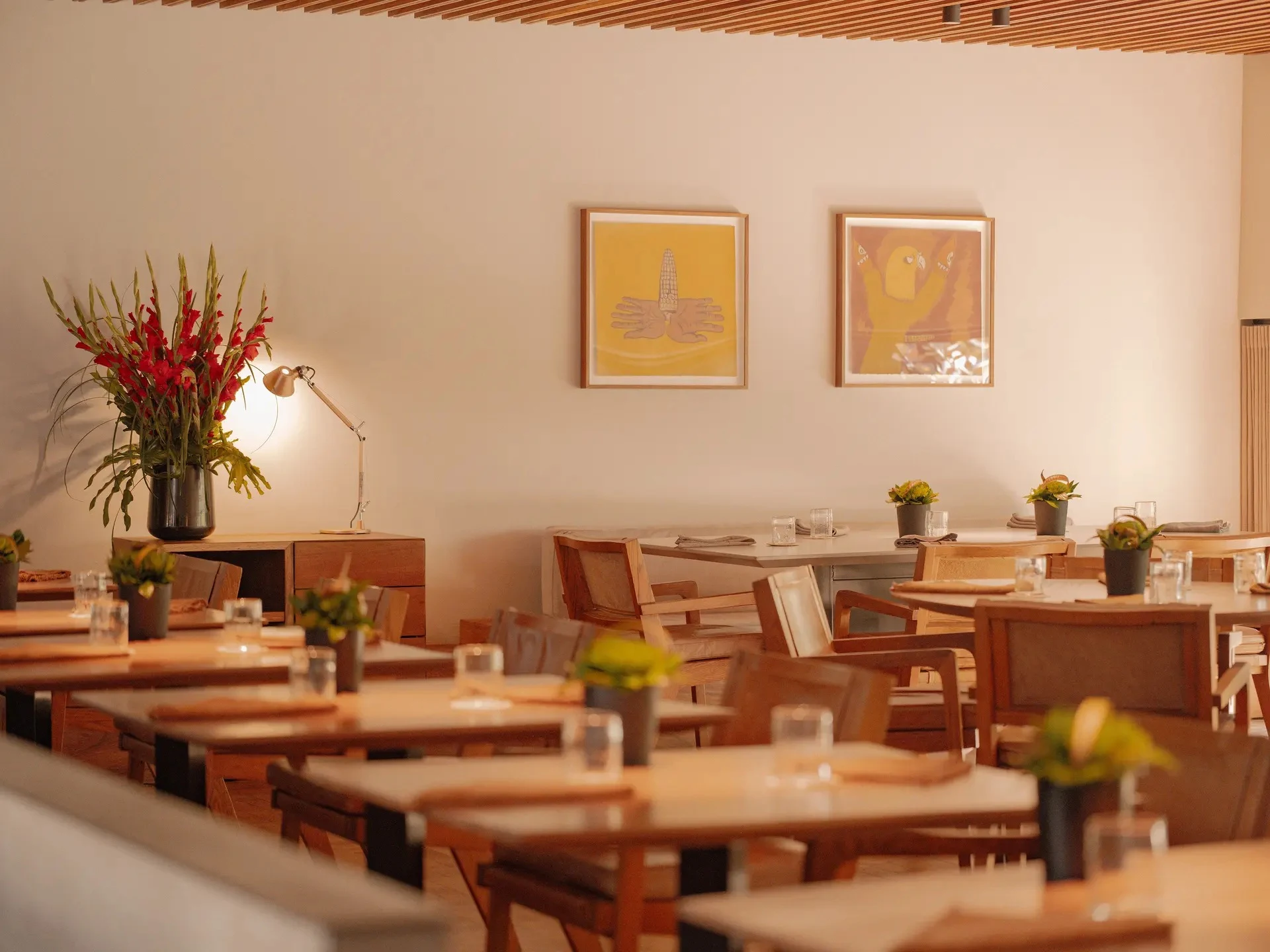
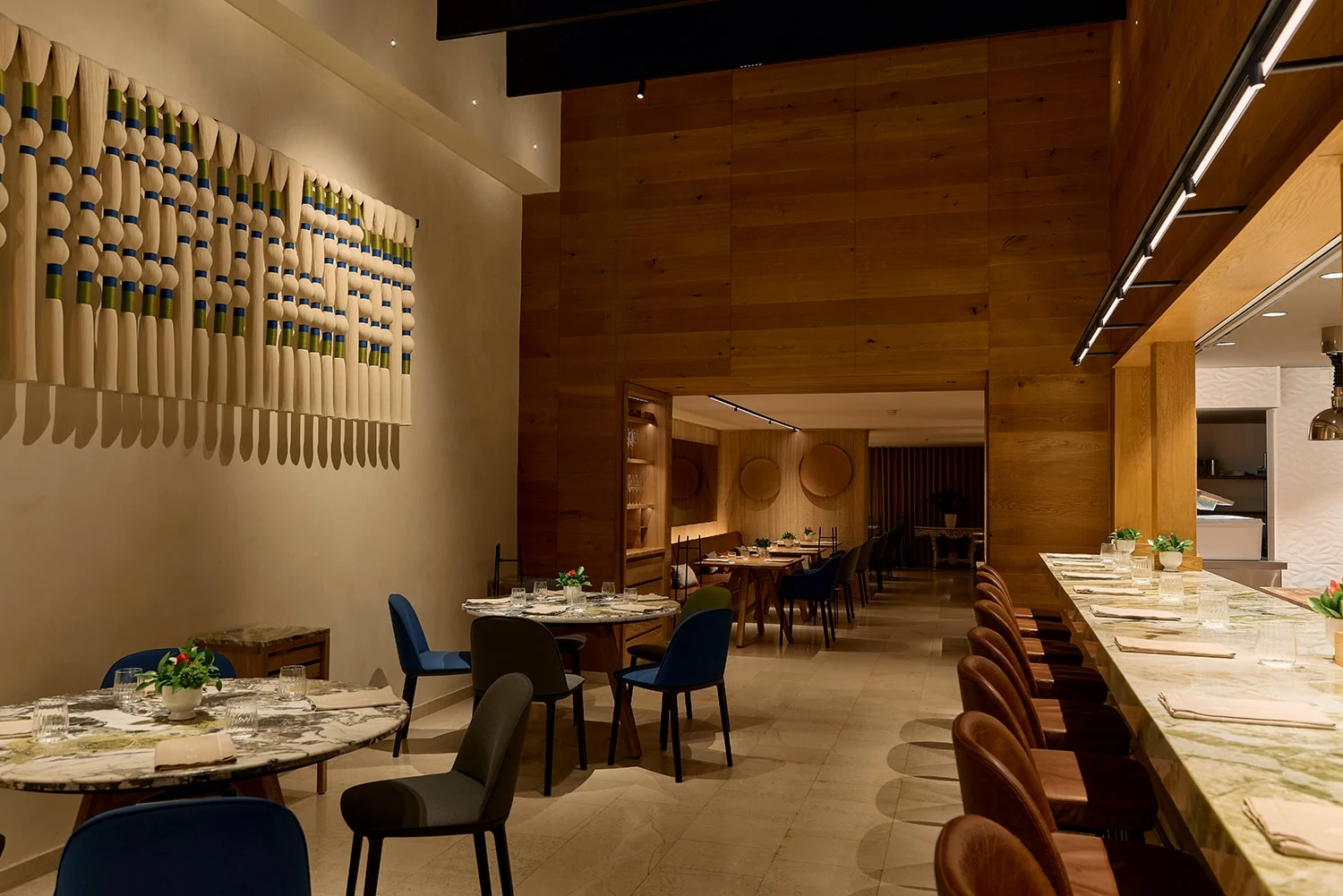
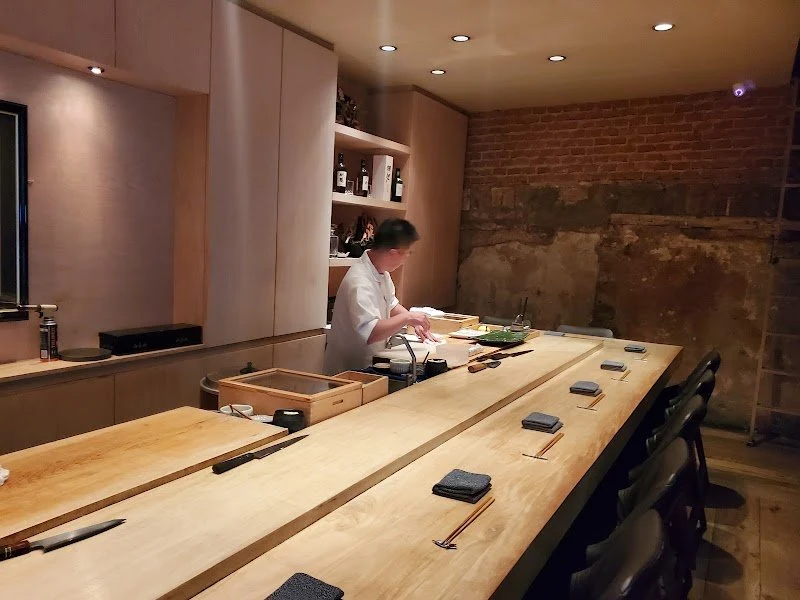
That restraint is consistent with how the counter format tends to work at this tier, where the physical environment is considered neutral ground, and attention is directed entirely at what arrives across the counter. It is a format that demands a particular quality of silence in the room, punctuated by the focused work of the chef and the sound of precise preparation. Arriving mid-afternoon for a Tuesday or Wednesday lunch seating, the neighbourhood outside is unhurried; the transition into the counter's interior logic is clean.
The Counter Tradition and Why It Travels
Omakase and high-end sushi counter formats have spread beyond Japan steadily since the early 2000s. Mexico City's version of this movement is smaller and more selective than its North American counterparts. The city's serious Japanese restaurants operate in a different competitive context from peers in cities like New York or Hong Kong, where the density of counters creates direct market pressure. Here, a restaurant like Sushi Kyo faces comparison against a much broader set, the finest Mexican and European tables, not just other omakase counters. That context, in some ways, makes earning external recognition more meaningful: the Opinionated About Dining ranking does not operate by cuisine category, so placement in 2024 and 2025 means competing against Pujol, Quintonil, and the broader field of North American restaurants ranked by a system that weights informed critical opinion heavily.
For comparison, the same ranking framework rewards similar precision-driven Japanese work globally. Harutaka in Tokyo and Sushi Shikon in Hong Kong represent the upper bounds of the craft. The progression at Sushi Kyo, Recommended in 2023, ranked #573 in 2024, #592 in 2025, shows a restaurant that entered the OAD conversation with momentum and has held its position across consecutive cycles, which at this level carries more weight than a single-year spike.
Japanese Technique, Mexican Sourcing, The Sustainability Question
The sustainability dimension in a sushi counter operation shapes the work at every level. Traditional Edomae sushi was built on a specific geography: fish from Tokyo Bay, rice from particular regions, a set of techniques developed for that particular supply chain. When that format travels to Mexico City, the relationship between technique and sourcing has to be renegotiated. The question for a counter operating at this ranking level is not whether to maintain Japanese standards, but how to do so while building a supply chain that makes geographic and ecological sense in a Mexican context.
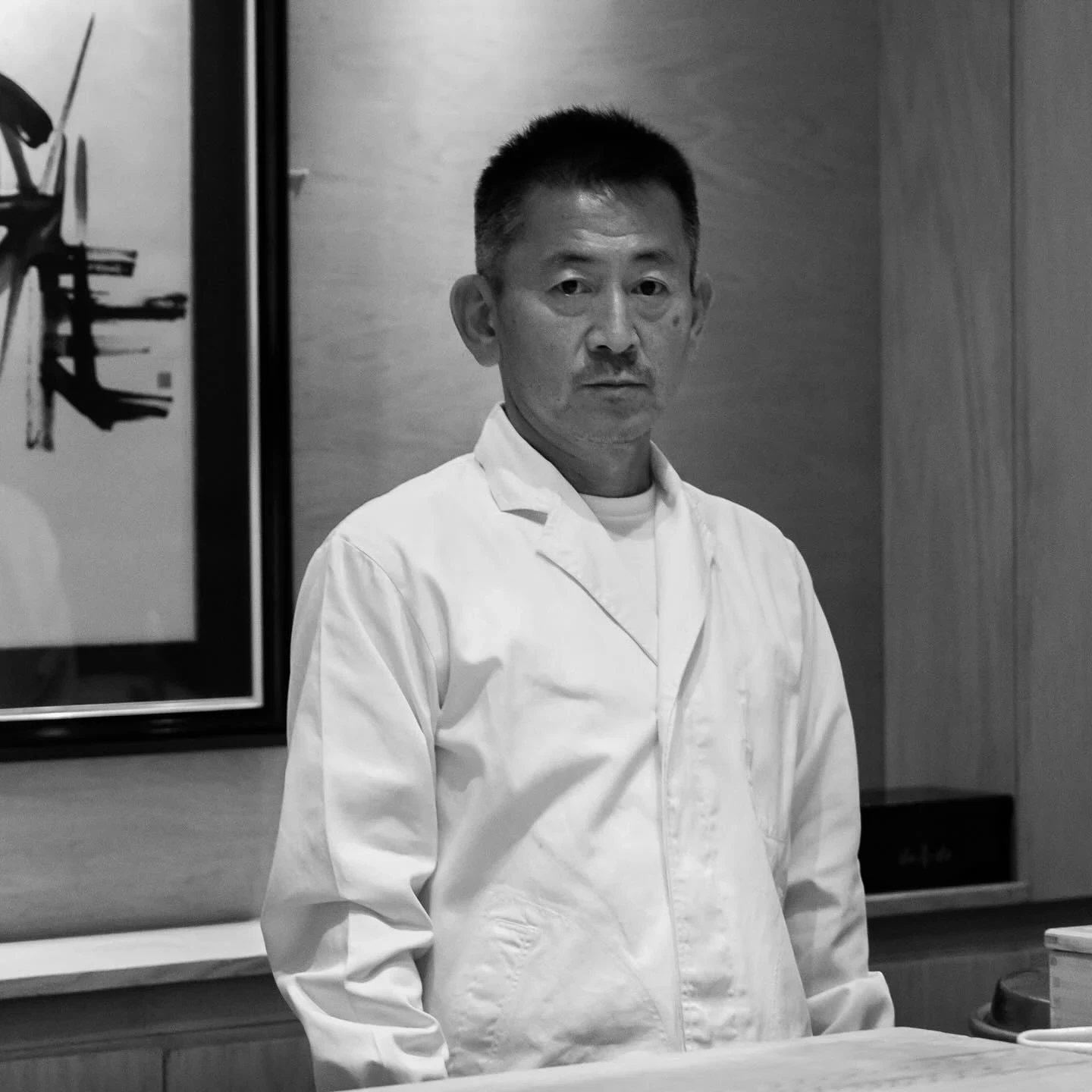
Chef Yoshimasa Aoki works within this tension. The broader category of Mexican fine dining has moved decisively toward local sourcing as a foundational commitment, restaurants like Sud 777 have made Mexican producers central to their editorial identity, and across the country, from Animalón in Valle de Guadalupe to Levadura de Olla in Oaxaca, the commitment to origin-specific ingredients has become a marker of seriousness rather than a marketing point. A Japanese counter in Mexico City that earns critical recognition across three consecutive years is implicitly participating in this conversation, whether or not the sustainability angle is made explicit in the dining room. The pressures of responsible sourcing, understanding where fish comes from, how it was caught, which species are under strain, apply with particular force to sushi, where the product is presented with minimal transformation and provenance is visible in every bite.
Across Mexico, this kind of sourcing discipline appears in very different contexts: Olivea Farm to Table in Ensenada, KOLI Cocina de Origen in Monterrey, and Lunario in El Porvenir all represent a national direction of travel toward transparent, traceable supply chains. A sushi counter that participates in that same movement, translating it into the specific demands of Japanese technique, occupies a genuinely productive middle ground between two culinary traditions.
Planning a Visit
Sushi Kyo operates Tuesday through Thursday with two seatings: 1:30 to 5 pm for lunch and 7 to 11 pm for dinner. On Fridays and Saturdays, service runs from 3 to 11 pm as a continuous or early-dinner format. The restaurant is closed Sunday and Monday, a schedule typical of high-care counter kitchens where preparation work and ingredient sourcing require the closed days. The address at Havre 77, Colonia Juárez, places it in walking distance of the neighbourhood's other destination restaurants and within a short cab or metro ride of the major hotel corridors. Reservations are essential. The Google rating of 4.6 across 336 reviews points to a consistently well-regarded dining room.
What Regulars Order at Sushi Kyo
At a counter of this kind, the omakase structure means the chef sequences the meal, and the diner's role is to follow that sequence rather than to select individual items. The OAD recognition signals that the sequencing, the sourcing decisions, and the overall counter discipline are what retain the loyalty of regulars. At counters ranked in this range, the fish work and the rice discipline tend to be where the kitchen's philosophy is most legible, and returning diners typically describe the meal in terms of what the chef chose to emphasise that day rather than a fixed menu of signature pieces. That variability, built on consistent sourcing quality, is what the format is designed to deliver.
Questions
Frequently asked
Who works at Sushi Kyo?
Made By profiles Yoshimasa Aoki (Chef) at Sushi Kyo.
How expensive is Sushi Kyo?
Sushi Kyo is listed at a price level of $$$$.
Where is Sushi Kyo and what does it serve?
Sushi Kyo is in Juarez, Mexico City, serving Authentic Japanese Omakase.
The field
How it compares
| Place | Cuisine | Notes | Awards |
|---|---|---|---|
| Sushi Kyo | Authentic Japanese Omakase | Juarez, $$$$ | · |
| Em | Modern Japanese-Mexican Fusion | Mexico City | Michelin 1 Star, World's 50 Best |
| Masala y Maíz | Mexican-Indian Fusion | Mexico City | Michelin 1 Star |
| Máximo | Modern Mexican with French Influences | Mexico City | Michelin 1 Star, World's 50 Best |
| Pujol | Modern Mexican Fine Dining | Mexico City | Michelin 2 Stars, World's 50 Best |
| Quintonil | Modern Mexican Fine Dining | Mexico City | Michelin 2 Stars, World's 50 Best |
| Rosetta | Mexican-Italian Fusion Fine Dining | Mexico City | Michelin 1 Star, World's 50 Best |
In residence
Similar places
Modern Japanese-Mexican Fusion
Em
Mexico City, Mexico
★ · 50 Best
Mexican-Indian Fusion
Masala y Maíz
Mexico City, Mexico
★
Modern Mexican with French Influences
Máximo
Mexico City, Mexico
★ · 50 Best
Modern Mexican Fine Dining
Pujol
Mexico City, Mexico
★★ · 50 Best
Modern Mexican Fine Dining
Quintonil
Mexico City, Mexico
★★ · 50 Best
Mexican-Italian Fusion Fine Dining
Rosetta
Mexico City, Mexico
★ · 50 Best