Sushi Ogawa
- 01CuisineEdomae Sushi Omakase
- 02CityTokyo, Japan
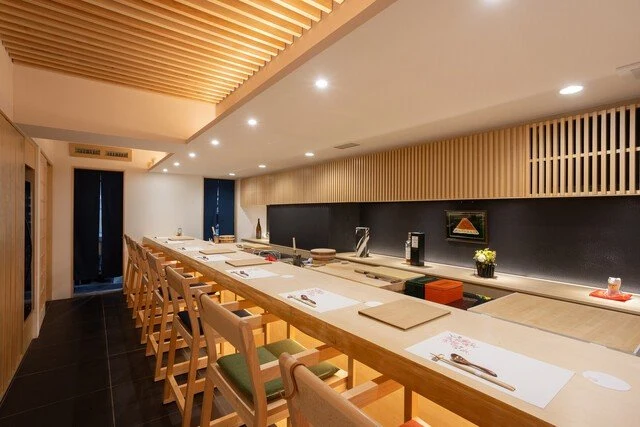
Edomae restraint at ten counter seats
- Opinionated About Dining Top Restaurants in Japan Recommended · 2026
- Opinionated About Dining Top Restaurants in Japan Ranked #310 · 2025
- Opinionated About Dining Top Restaurants in Japan Ranked #284 · 2024
- Opinionated About Dining Top Restaurants in Japan Recommended · 2023
Rice pressed at the Ginza counter
The rice is formed in the hands before the fish settles over it. Minoru Ogawa, Chef at Sushi Ogawa in Ginza, Tokyo, keeps the gesture close to the counter: shari first, fish second, seasoning held in check. His published craft language is Edomae, with sourcing, restraint, and sequencing doing the work that garnish would only interrupt. How long Ogawa has held this particular station in Ginza, and who trained him for it, are not stated by the house. The useful facts are at the bench. The meal asks the diner to follow cut, temperature, rice, and finish, then register how one piece prepares the next. In this room, that means a formal omakase rhythm without theatrical excess, a counter format built around direct exchange rather than distance. Ogawa’s wider work is tied to Toyosu Market sourcing, seasonal premium ingredients, and the discipline of letting seafood carry the bite. Here, the same vocabulary fits the Ginza address: traditional Edomae sushi, seasonal ingredients, and a signature Uni-don that gives the counter one clear anchor.
Edomae restraint, seasonal fish, red vinegar rice
The program is traditional in its bones: nigiri, seasonal pieces, and a progression that moves by condition rather than decoration. The kitchen’s known approach is Edomae-style sushi with sustainable seafood sourcing, sake in support, and a curated wine program kept secondary to the fish. Technique sits in small decisions. Fish may be cut, aged, warmed lightly, brushed, or seasoned so the rice and topping meet without excess. Red vinegar rice appears in accounts of the house style, giving the shari a deeper register under tuna, shellfish, and sea urchin. Uni-don is the named signature, sea urchin over rice rather than a composed flourish, and it suits a place where the bowl can carry richness without noise. The omakase and counter dining format keep pace visible: the hands shape, the pass stays short, the bite lands before temperature drifts. Sake has the clearest place in the beverage program, working alongside the salt, sweetness, and umami of the sequence.
Ten seats below the street
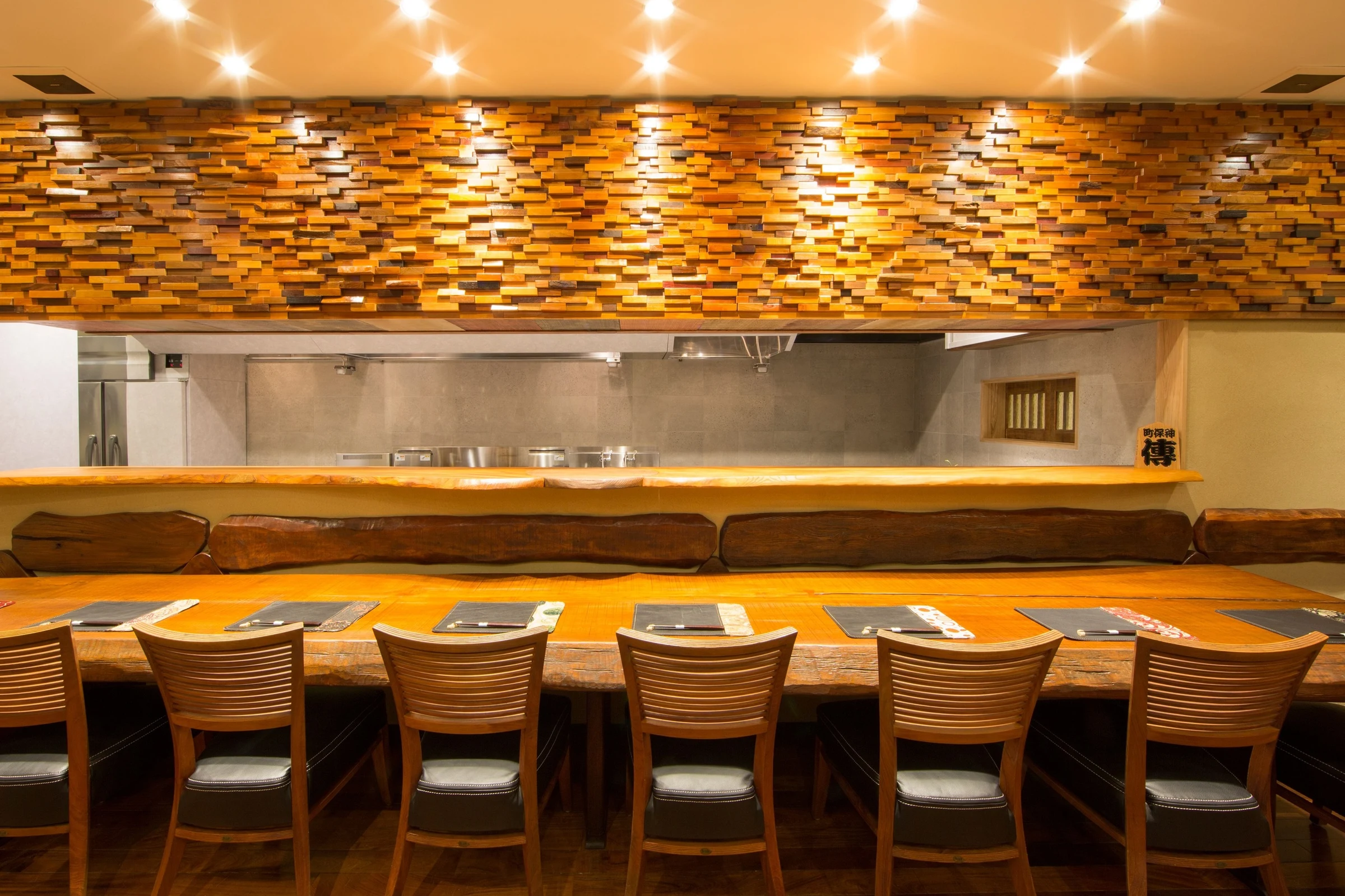
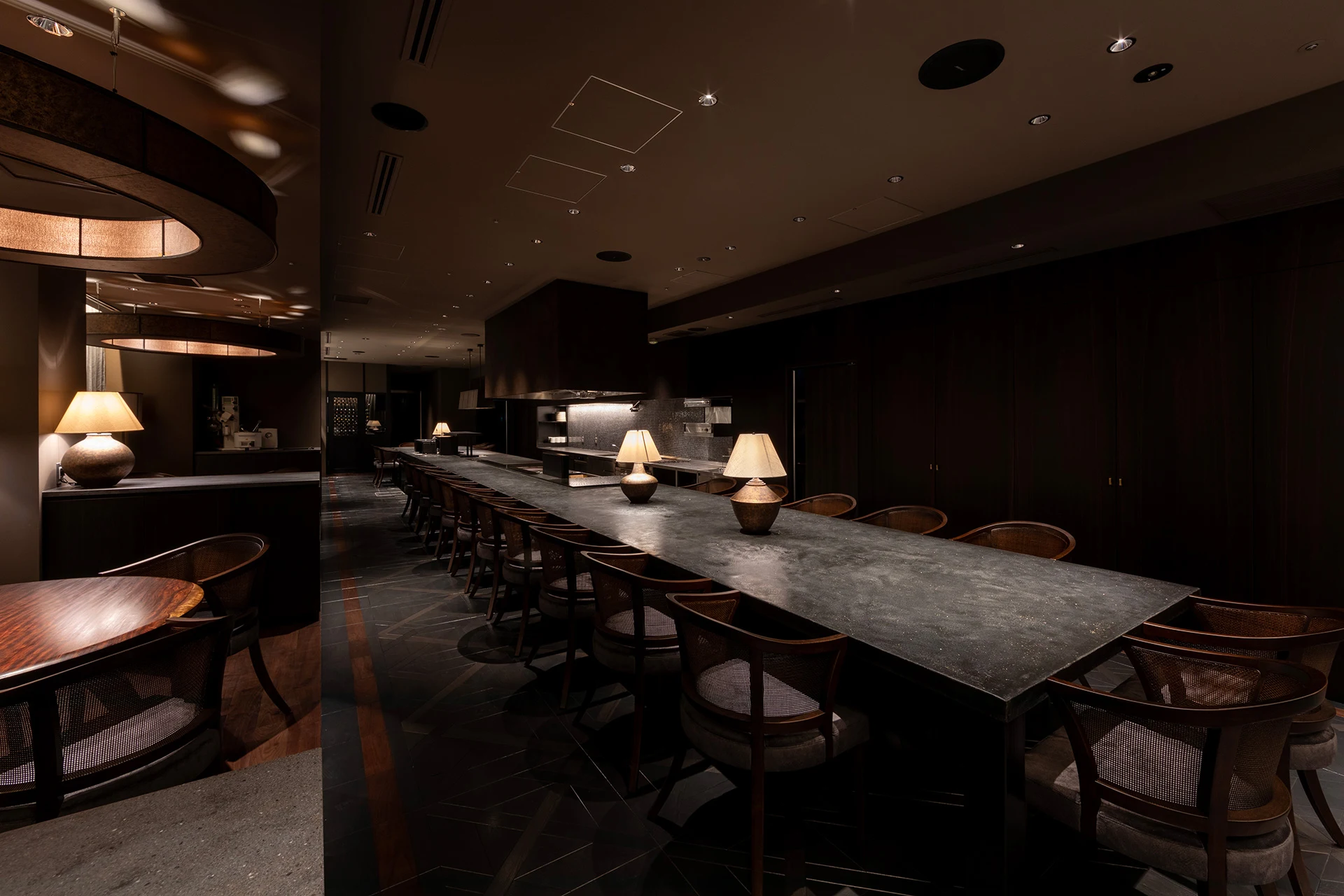
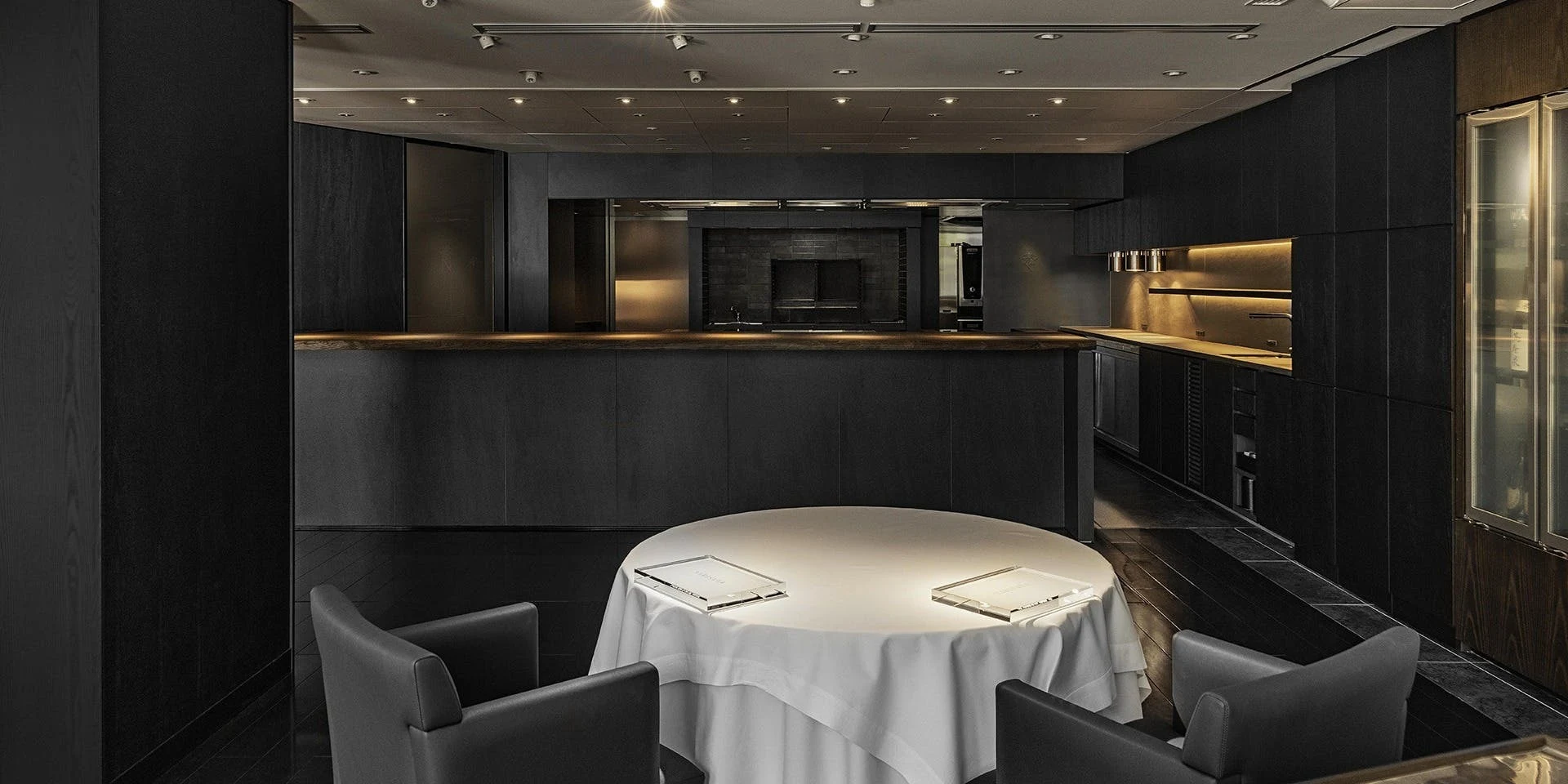
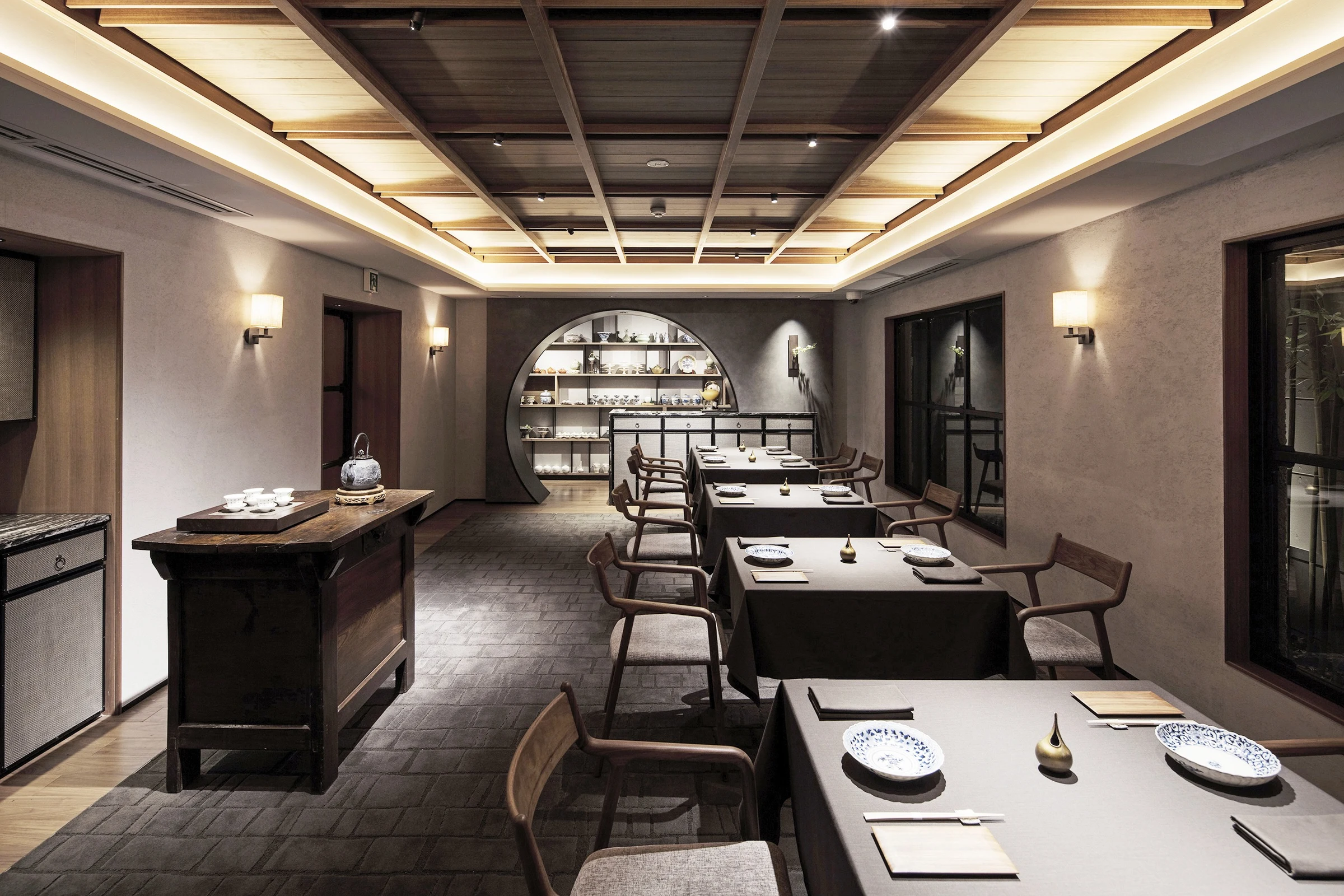
The room is restrained and practical, with soft lighting, minimal decoration, and a focused counter that keeps attention on the bench. The Ginza address is a basement space in the Onodera Building, with 10 counter seats and no need for distance between maker and guest. Conversation stays low. Knife work, rice aroma, and the setting down of each piece give the service its rhythm. Lunch moves with more efficiency; dinner gives the omakase sequence more room to breathe. The setting is elegant without ornament, intimate because the work requires it, not because the room tries to perform intimacy. In a district crowded with sushi counters, Sushi Ogawa keeps its scale small enough for the guest to see the hand at the exact moment the Uni-don or nigiri leaves the bench.
Questions
Frequently asked
What kind of restaurant is Sushi Ogawa?
Sushi Ogawa is an Edomae sushi omakase restaurant in Ginza, Tokyo. The room is built around a counter format, with the meal moving in a formal sequence rather than a la carte choice.
Who is the chef at Sushi Ogawa?
Minoru Ogawa is the chef at Sushi Ogawa in Ginza. The house copy says his work is shaped by sourcing, restraint, and sequencing at the counter.
What is Sushi Ogawa known for?
The house is known for traditional Edomae-style sushi, seasonal fish, and a signature Uni-don. Accounts of the style also mention red vinegar rice and a focus on letting seafood carry the bite.
How should a booking be made?
Reservations are recommended, and booking is via direct contact.
What are the opening hours?
Sushi Ogawa is open Monday to Saturday for lunch from 11:30 AM to 2 PM and for dinner from 5 PM to 11 PM. It is closed on Sunday.
The field
How it compares
| Place | Cuisine | Notes | Awards |
|---|---|---|---|
| Sushi Ogawa | Edomae Sushi Omakase | Chūō, $$$ | · |
| Den | Modern Japanese Kaiseki | Tokyo | Michelin 2 Stars, World's 50 Best |
| Florilège | Modern French-Japanese Plant-Based Fine Dining | Tokyo | Michelin 2 Stars, World's 50 Best |
| Narisawa | Modern Japanese Satoyama Fine Dining | Tokyo | Michelin 2 Stars, World's 50 Best |
| Quintessence | Modern French Fine Dining | Tokyo | Michelin 3 Stars |
| Sazenka | Modern Chinese Fine Dining | Tokyo | Michelin 3 Stars, World's 50 Best |
| Sézanne | Modern French Fine Dining | Tokyo | Michelin 3 Stars, World's 50 Best |
Similar places
Modern Japanese Kaiseki
Den
Tokyo, Japan
★★ · 50 Best
Modern French-Japanese Plant-Based Fine Dining
Florilège
Tokyo, Japan
★★ · 50 Best
Modern Japanese Satoyama Fine Dining
Narisawa
Tokyo, Japan
★★ · 50 Best
Modern French Fine Dining
Quintessence
Tokyo, Japan
★★★
Modern Chinese Fine Dining
Sazenka
Tokyo, Japan
★★★ · 50 Best
Modern French Fine Dining
Sézanne
Tokyo, Japan
★★★ · 50 Best