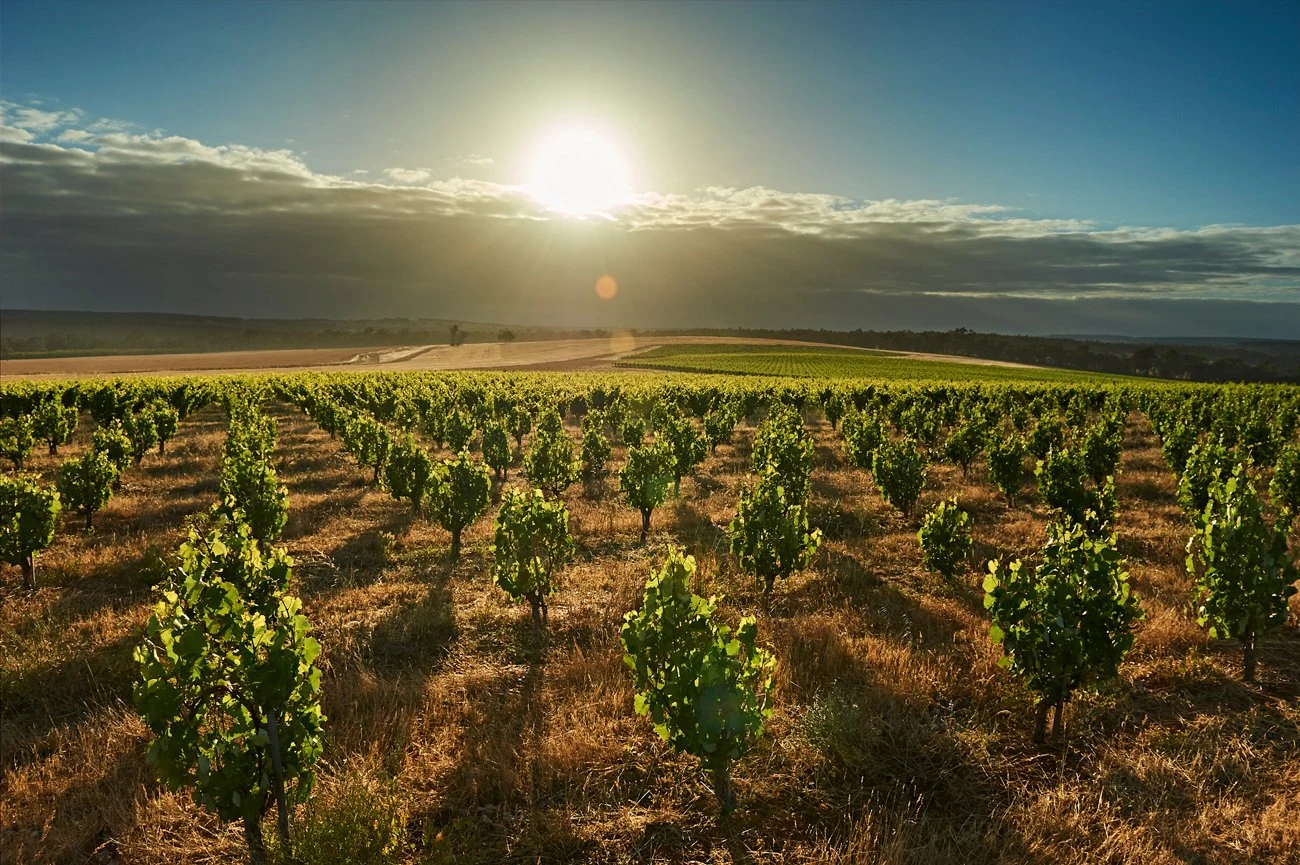
Dry-grown bush vines, Frankland River.
- Pearl 2 Star Prestige · 2025
Frankland River fruit, held in one hand
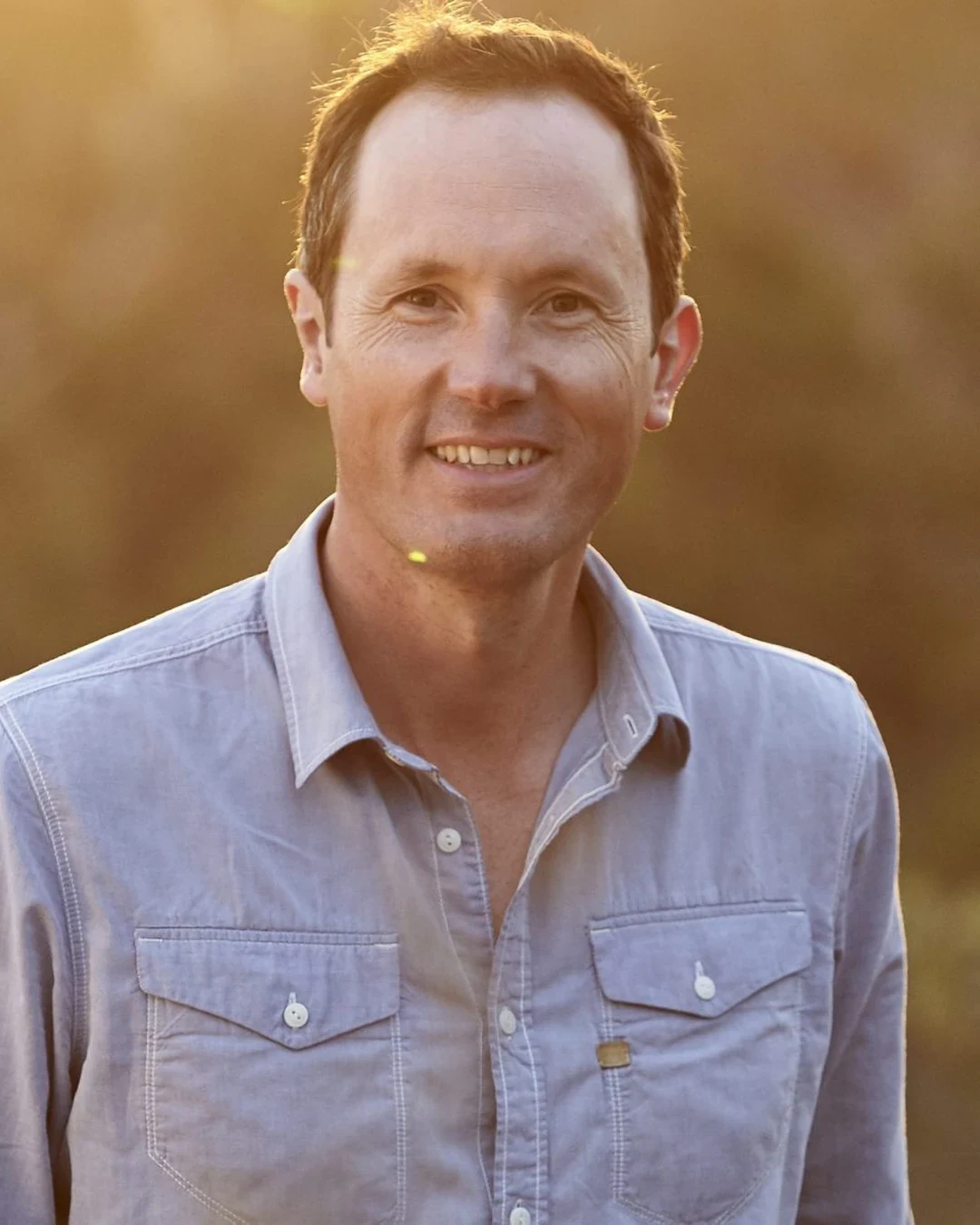
The material comes first: at Swinney in Frankland River, Rob Mann works as winemaker, and the decision is to make the wines read as Swinney rather than as a winemaker’s display. Syrah, Grenache, Mouvedre and Riesling come from Frankland River. His earlier climb runs through Newton Vineyard in Napa, Hardy's Tintara and Cape Mentelle, where he became head winemaker from 2005. That sequence matters here because Swinney asks for control without polish for its own sake. Mann has worked inside houses where timing and consistency carry the cellar, but the Frankland River role narrows the field to estate language: Swinney Grenache, Swinney Syrah, Swinney Mouvedre, Swinney Riesling, and the Farvie Syrah that sits at the front of his public recognition. The discipline is not a signature imposed over fruit. It is a signature kept close enough to let the fruit keep its accent.
Dry-grown bush vines and red-wine patience
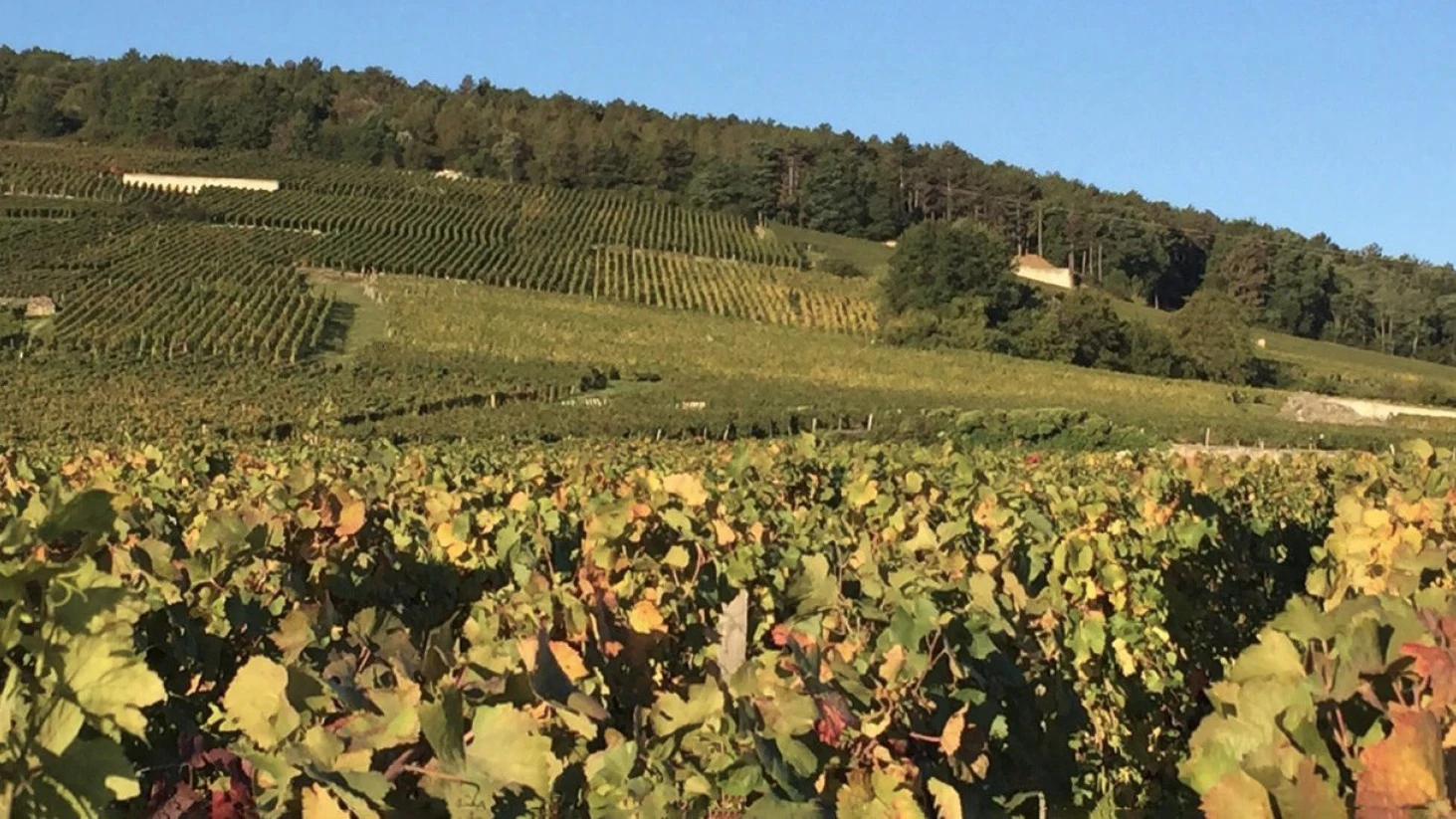
Swinney’s stated strength is Syrah and Grenache from dry-grown bush vines, worked within a sustainable philosophy and a medium scale of 2500 cases. The vineyard material gives Mann a narrow, useful tension: still red wines are the focus, but Riesling remains part of the named output, so the cellar cannot lean only on weight, extraction or oak. The house is known for Syrah, Grenache, Riesling, Cabernet Sauvignon and Mourvedre, with dry-farmed farming named as part of its sourcing. That vocabulary sets the terms of the craft. The wines have to carry Frankland River’s cool-climate frame and the ruggedness of bush-vine fruit without turning the method into theatre. Swinney Farvie Syrah is the sharpest named expression of that work, a bottling tied to variety and site. Beside it, the Grenache, Syrah, Mouvedre and Riesling form the practical range of Mann’s bench at this estate.
The cellar beside rugged bushland
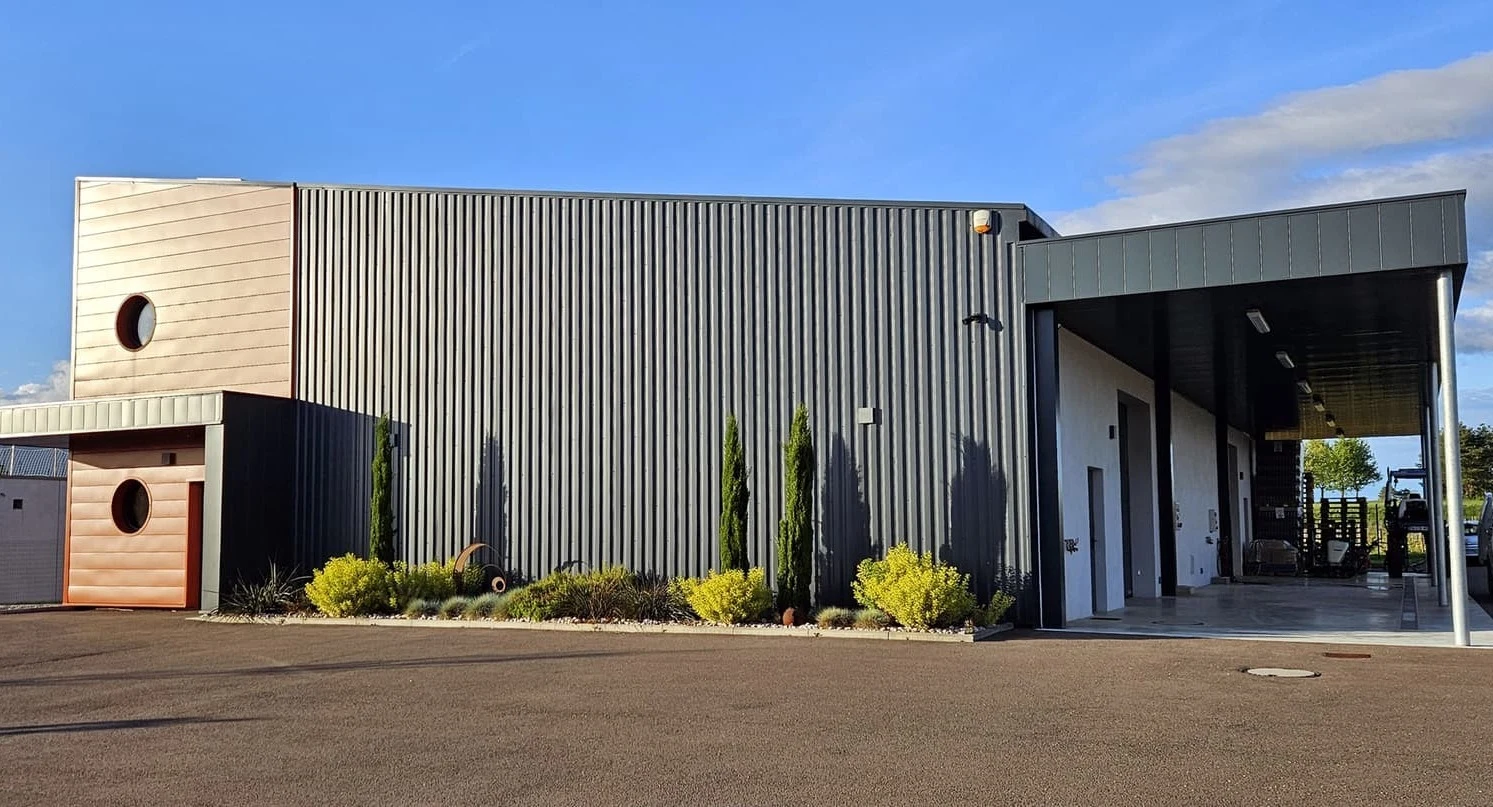
The setting around Swinney is rugged bushland and cool-climate vineyard, quiet rather than performative. That matters for the way the place reads: not a cellar built around spectacle, but one whose public identity rests on the vines, the varieties and the finished bottles. The house’s standout feature is its reputation, sharpened by top critic scores and Vineyard of the Year 2020. The room, as the wine asks the reader to understand it, is not separated from the land outside. Frankland River supplies the frame, the bush vines supply the pressure, and Mann’s task is to keep the line clear from harvest to bottle.
Why the estate holds its ground
Swinney matters because its best-known work is specific rather than broad. The name travels through Syrah and Grenache, through dry-grown bush vines, through a Frankland River identity that does not need to borrow glamour from elsewhere. Mann’s parallel work at Corymbia shows range across Swan Valley and Margaret River fruit; Swinney gives him the opposite discipline, a fixed estate vocabulary. The continuing measure is the next release of Swinney Farvie Syrah.
Questions
Frequently asked
Who makes the wines at Swinney?
Rob Mann is the winemaker at Swinney in Frankland River.
What is Swinney known for?
Swinney is known for Syrah, Grenache, Riesling, Cabernet Sauvignon and Mourvedre, with a particular strength in Syrah and Grenache from dry-grown bush vines.
What is the setting like?
The estate sits in rugged bushland in Frankland River and works with cool-climate vineyard fruit.
Do visits need to be booked?
Visits are by appointment only.
The field
How it compares
| Place | Notes | Awards |
|---|---|---|
| Swinney | Frankland River, $$ | · |
| Château Smith Haut Lafitte | Martillac | World's 50 Best |
| Domaine Emmanuel Rouget | Flagey-Echézeaux | · |
| Domaine Leroy | Vosne-Romanée | · |
| Domaine Roulot | Meursault | · |
| Edmond Vatan | Vatan | · |
| Yamazaki (Suntory) | Shimamoto | · |