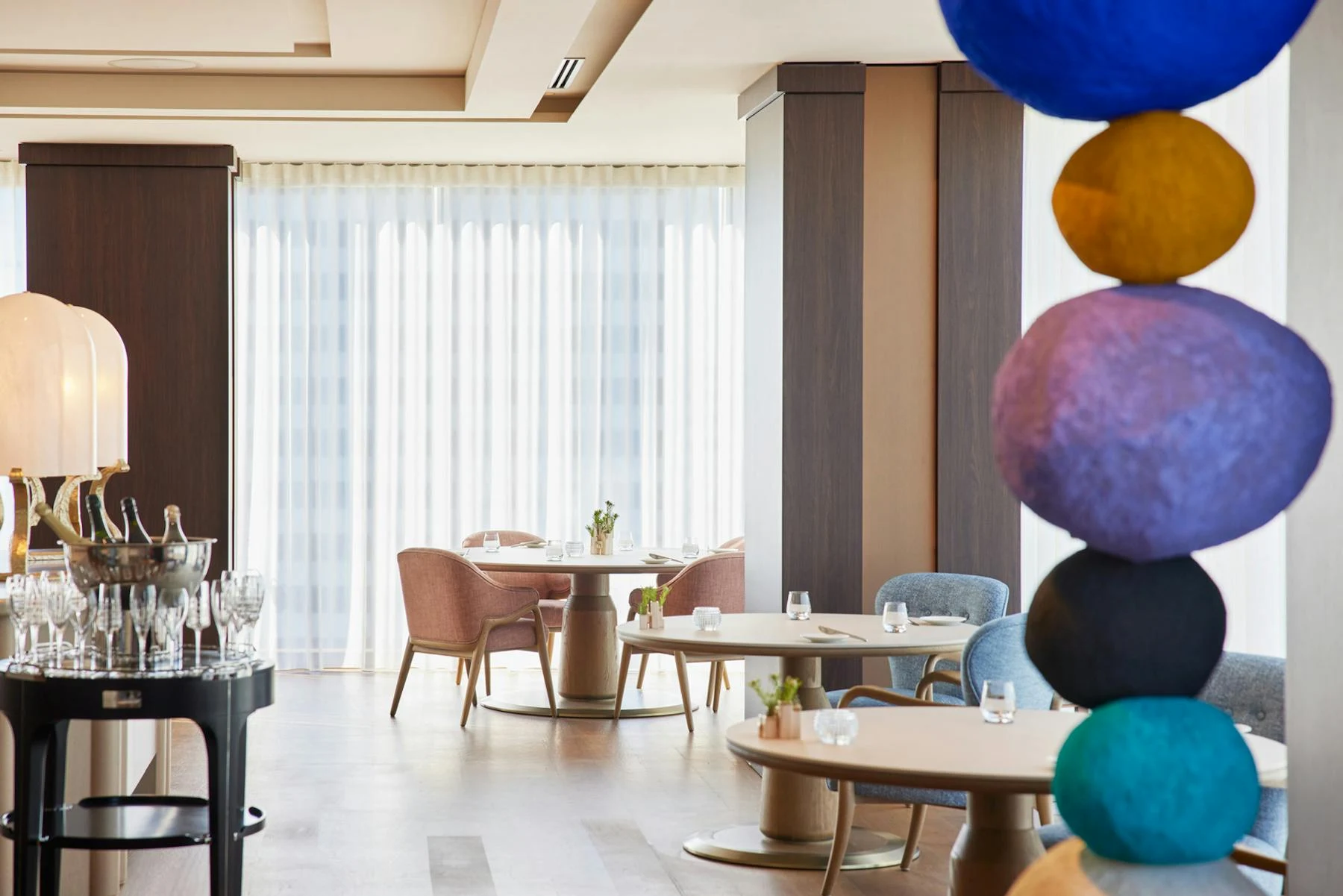
Tacubo sits in Tokyo’s serious Italian tier, where the meal is built less around à la carte choice than around a controlled sequence of shared antipasti, pasta and wood-grilled meat. Its Daikanyama-Ebisu setting, 20-seat scale, wine focus and repeated Tabelog Award Silver recognition place it among the city’s high-commitment Italian reservations rather than casual trattoria dining.
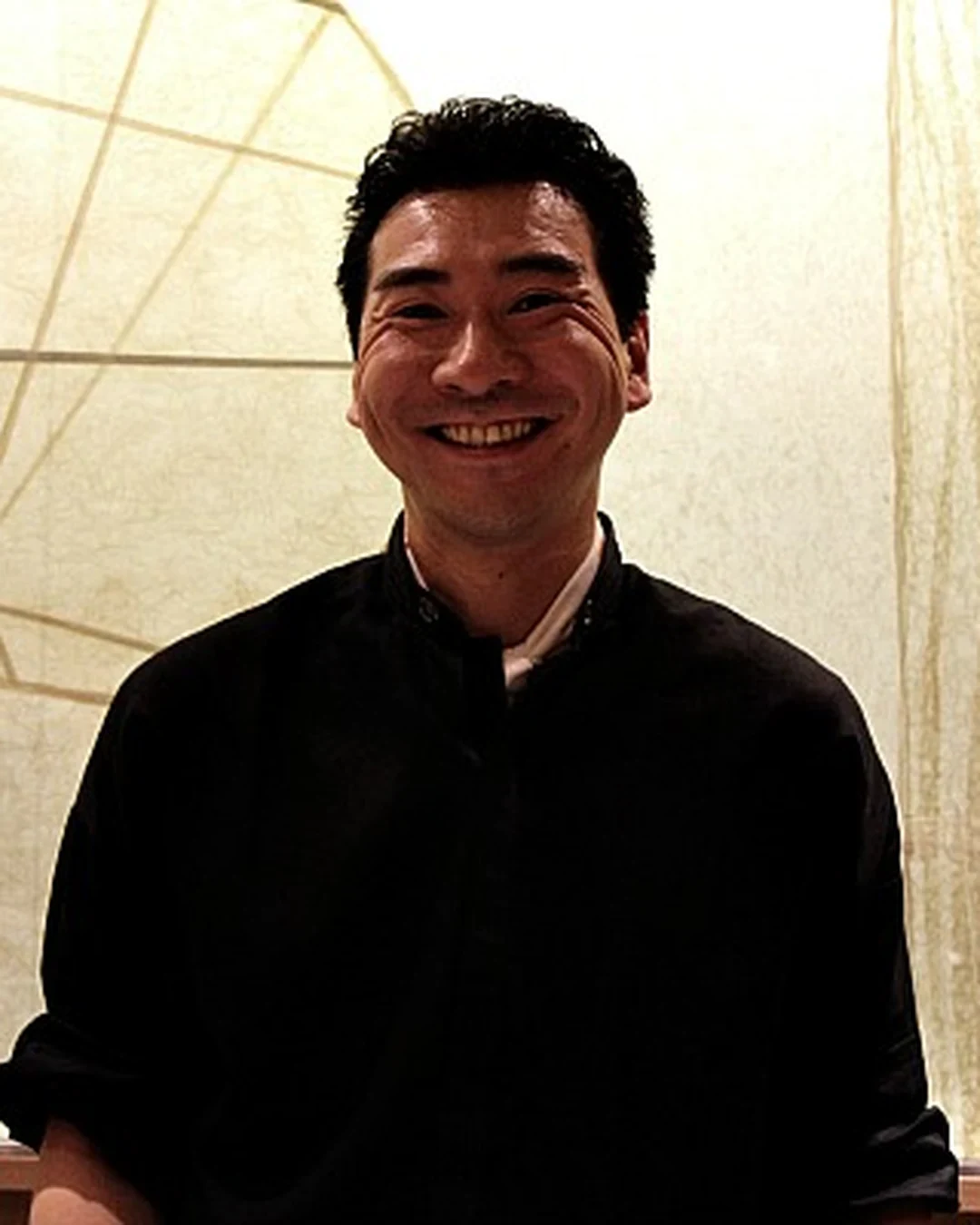
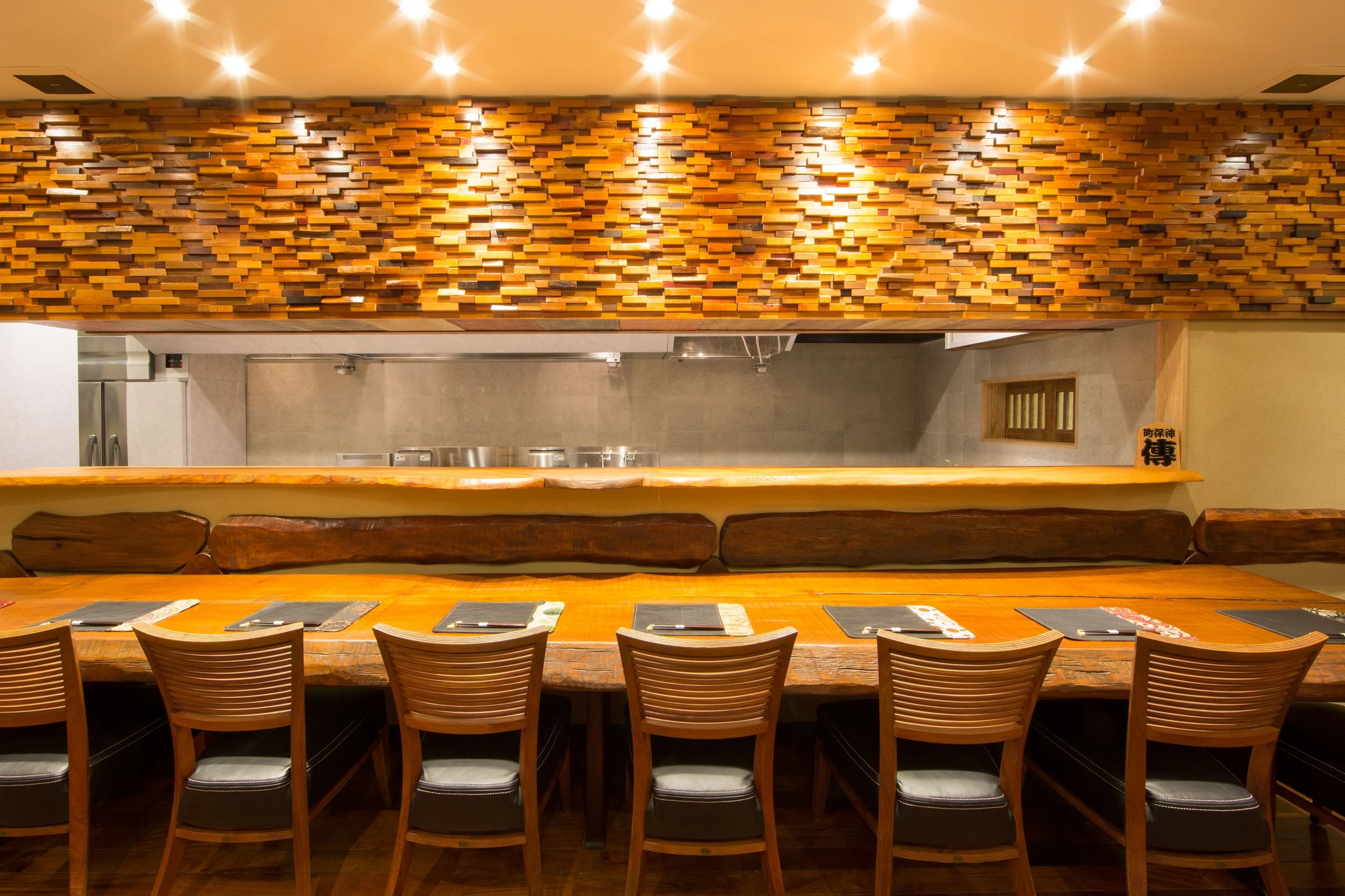
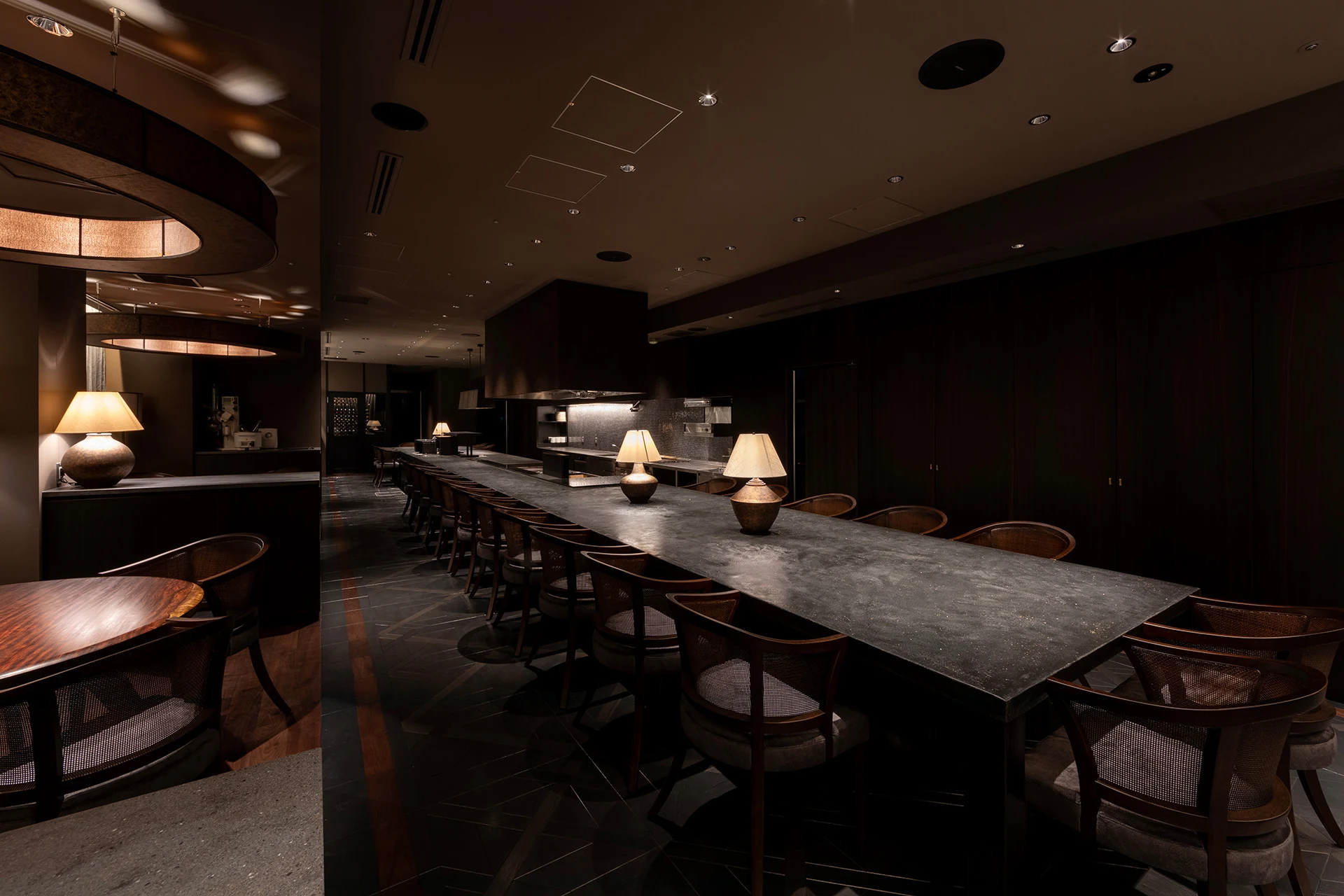
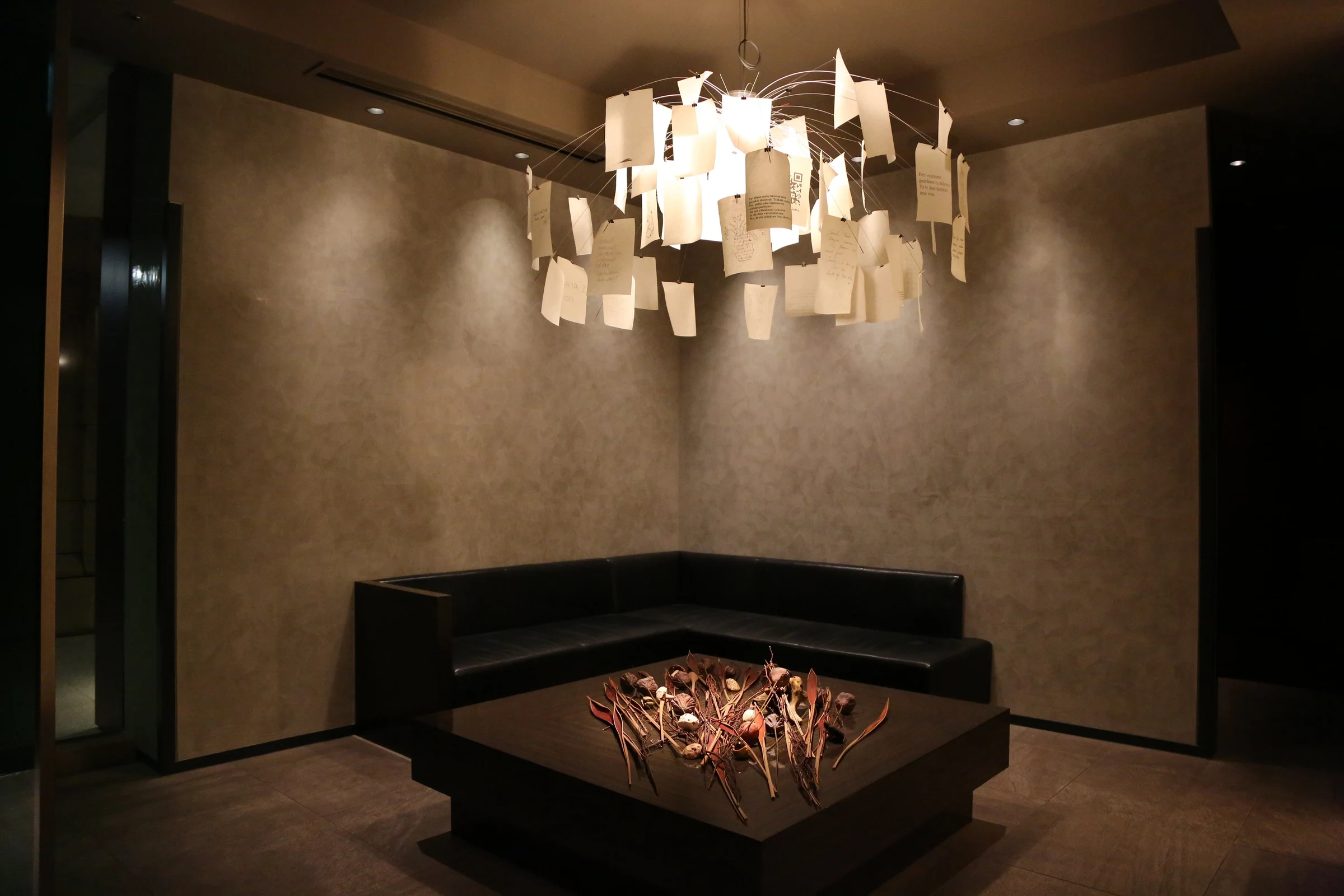
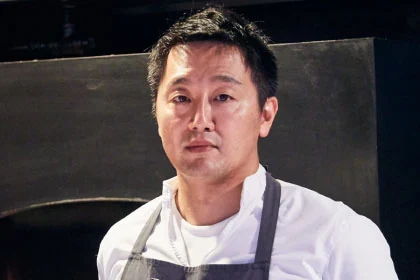
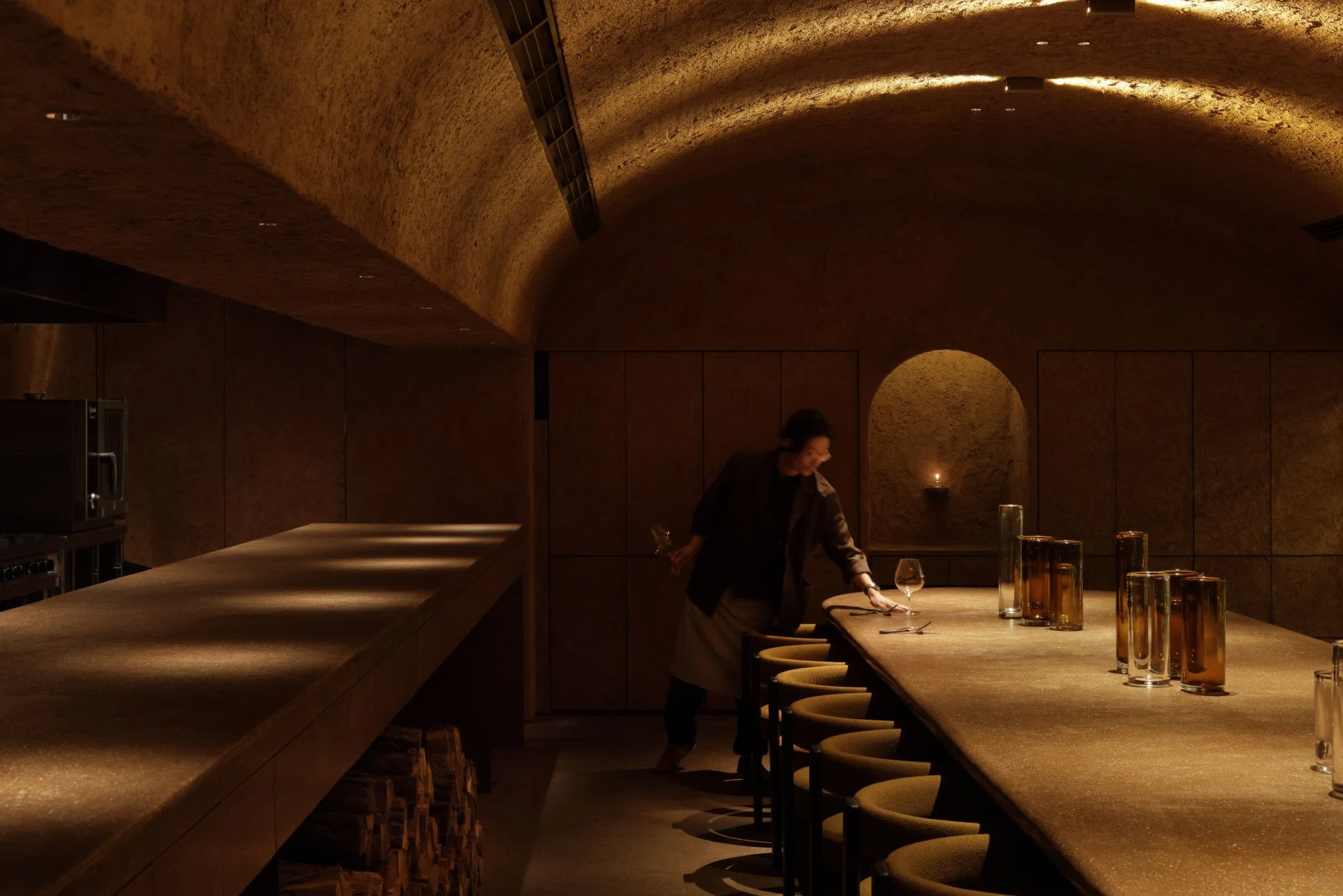
<p>The room sets the terms before the menu: unobtrusive entrance, subdued corridor, earthen walls, arched ceiling and open-kitchen movement. Tokyo’s high-end Italian often borrows Japanese counter discipline, but stronger rooms avoid turning Italy into a tasting-menu costume. Here, architecture points to conviviality: a long shared table, glass-walled wine cellar and kitchen rhythm keeping fire, pasta and wine in one conversation.</p><p>Tokyo Italian spans neighborhood pasta counters and producer-driven rooms with tasting-menu pricing, sommelier-led cellars and reservations months ahead. Tacubo belongs to the latter. It has held Tabelog Award Silver recognition across multiple recent years, was selected for Tabelog Italian Tokyo 100 in 2025, and appears in Opinionated About Dining’s Japan coverage. Those signals do not define the cooking, but place the room in a competitive set where consistency, sourcing and service choreography meet Tokyo’s exacting standards.</p><h2>A shared Italian sequence shaped by Tokyo precision</h2><p>The menu architecture is the story. Instead of personal choice from a long card, the format uses simple, refined appetisers, pasta and wood-grilled meat for sharing. The structure is Italian in social logic and Tokyo in control: lighter openings, pasta as hinge, then grill meat as table anchor. It is not the maximalist course-after-course style of some luxury rooms; it reads as a disciplined Italian meal compressed into a premium Tokyo register.</p><p>Wood-grilled meat gives the format its center of gravity. Serious Tokyo Italian rooms often reveal identity through restraint: pasta carrying technique without decoration, grill work dependent on timing and sourcing, and wine service supporting rather than competing with dinner. The listed sommelier and wine-focused program suggest a room built for a full evening, not a quick pasta stop.</p><p>The Tokyo comparison helps. falò and AUDACE sit in a more accessible Italian price band; PONTE DEL PIATTO and BOTTEGA occupy a higher, occasion-driven tier; PRISMA pushes more expensive still. Tacubo sits closer to serious celebratory Italian than the casual end, while its shared-table, grill-led structure gives it a different tone from a hushed dégustation room. Think producer-conscious Italian dining filtered through Japanese exactness, not a transplanted trattoria.</p><p>Daisuke Takubo’s name is central, but the chef biography matters less than the format it supports. Tokyo rewards kitchens repeating precision at small scale, and this room is built that way: 20 seats, including counter seating and two private rooms. The counter makes the kitchen visible; private rooms shift the social register without turning it into a banquet venue. The footprint explains why the experience feels controlled rather than expansive.</p><h2>Daikanyama restraint, Ebisu appetite</h2><p>The address sits in Ebisunishi, between Daikanyama’s polished calm and Ebisu’s appetite-driven energy. That border matters. Daikanyama favors low-key entrances, design-conscious rooms and restaurants without street-level theater. Ebisu brings late-evening dining gravity and diners comfortable with wine, meat and long meals. Here, serious Italian can be urbane without old hotel-dining formality.</p><p>The room reinforces that tension. The entrance is quiet, lighting low and interior cave-like, yet the open kitchen and long table keep the mood communal. Tokyo has many small restaurants treating silence as luxury; this is controlled sociability. The table is design, not just furniture, pushing the meal toward sharing and pacing, which suits the Italian structure better than a rigid procession of individual plates.</p><p>Awards clarify level without replacing judgement. Tabelog’s 2026 Silver award and 4.42 score place the restaurant in a rarefied domestic-review environment where increments matter. Its Michelin Plate listing in 2025 and OAD Japan appearances add external recognition, though it should not be read through Michelin-star expectations. The stronger signal is sustained local attention across years; Tokyo diners are unforgiving toward expensive rooms that drift.</p><p>For Tokyo planning, Tacubo fits differently from sushi, tempura or kaiseki. It is a night for wine, conversation and fire-led cooking, not a checklist meal around national cuisine. Readers comparing Japanese dining categories can use Our full Tokyo restaurants guide as the wider map, while hotel, bar, winery and experience planning sits separately in Our full Tokyo hotels guide, Our full Tokyo bars guide, Our full Tokyo wineries guide and <a href="https://www.enprimeurclub.com/experiences/tokyo">Our full Tokyo experiences guide</a>.</p><h2>Where it fits among serious Italian reservations</h2><p>The question is not whether Tokyo has Italian restaurants; it has enormous range. The question is whether the evening should center on a compact, premium, wine-aware format where the kitchen controls the arc. Tacubo suits diners wanting a confident set progression more than those assembling dinner from a broad à la carte menu. Its stated dinner budget sits in the high Tokyo bracket, and the service charge confirms planned dining, not spontaneous neighborhood eating.</p><p>Reservation discipline is part of the category. Online-only reservations, advance release windows and cancellation terms are common markers of Tokyo’s high-demand rooms, especially with few seats. Commit to the date, respect the format and treat the meal as the evening’s main event. The restaurant is closed Sundays and has additional irregular closures, so itinerary flexibility matters.</p><p>Practical comfort has contours. Credit cards are accepted; electronic money and QR code payments are not listed as accepted. The room is non-smoking. Dress guidance is relaxed but specific about fragrance, common in serious Japanese dining where aroma is integral. Children are limited to private-room use on Saturdays and public holidays with adult-party conditions, making it better for adult dinners than family travel meals.</p><p>Tokyo Italian comparisons can widen the lens. Within EP Club’s Tokyo coverage, readers can contrast Acid Brianza, AlCeppo, ALTER EGO, Aman and Appia. For a broader Japan-and-beyond contrast, compare format and price at -Grilled beef Sukiyaki- KAMAKURA TANUKIAN 鎌倉 たぬき庵 in Kamakura,.cafe in Osaka,.know in Kumamoto, (Shoku) Vietnam in Kawasaki, [Curry Senmon Ten] Maruyama Kyoju. in Sapporo, [ki:] in Kyoto, 112 Eatery, Italian in Minneapolis and 8 1/2 Otto e Mezzo Bombana (Hong Kong), Italian in Hong Kong.</p><p>The case for Tacubo is strongest when the diner wants Italian generosity without surrendering Tokyo precision. The shared sequence, grill, wine focus and contained scale create a coherent proposition: not formal luxury for its own sake, but a serious meal structured around appetite, conversation and exact timing.</p>
Tacubo is located at Japan, 〒150-0021 Tokyo, Shibuya, Ebisunishi, 2 Chome−13−16 ラングス代官山 1F, Tokyo.
Pricing at Tacubo is listed as ¥¥¥.
Tacubo serves Italian cuisine.
Hours at Tacubo: Hours: Monday 4–11:30 pm Tuesday 4–11:30 pm Wednesday 4–11:30 pm Thursday 4–11:30 pm Friday 4–11:30 pm Saturday 4–11:30 pm Sunday Closed.
Japan, 〒150-0021 Tokyo, Shibuya, Ebisunishi, 2 Chome−13−16 ラングス代官山 1F
Daikanyama

French
Sézanne
Tokyo, Japan
★★★ · 50 Best
Modern Chinese Fine Dining
Sazenka
Tokyo, Japan
★★★ · 50 Best

Modern Japanese Satoyama Fine Dining
Narisawa
Tokyo, Japan
★★ · 50 Best

Modern French-Japanese Plant-Based Fine Dining
Florilège
Tokyo, Japan
★★ · 50 Best

Modern Japanese Kaiseki
Den
Tokyo, Japan
★★ · 50 Best

Modern French Fine Dining
Quintessence
Tokyo, Japan
★★★