Taste of Chengdu
In Residence
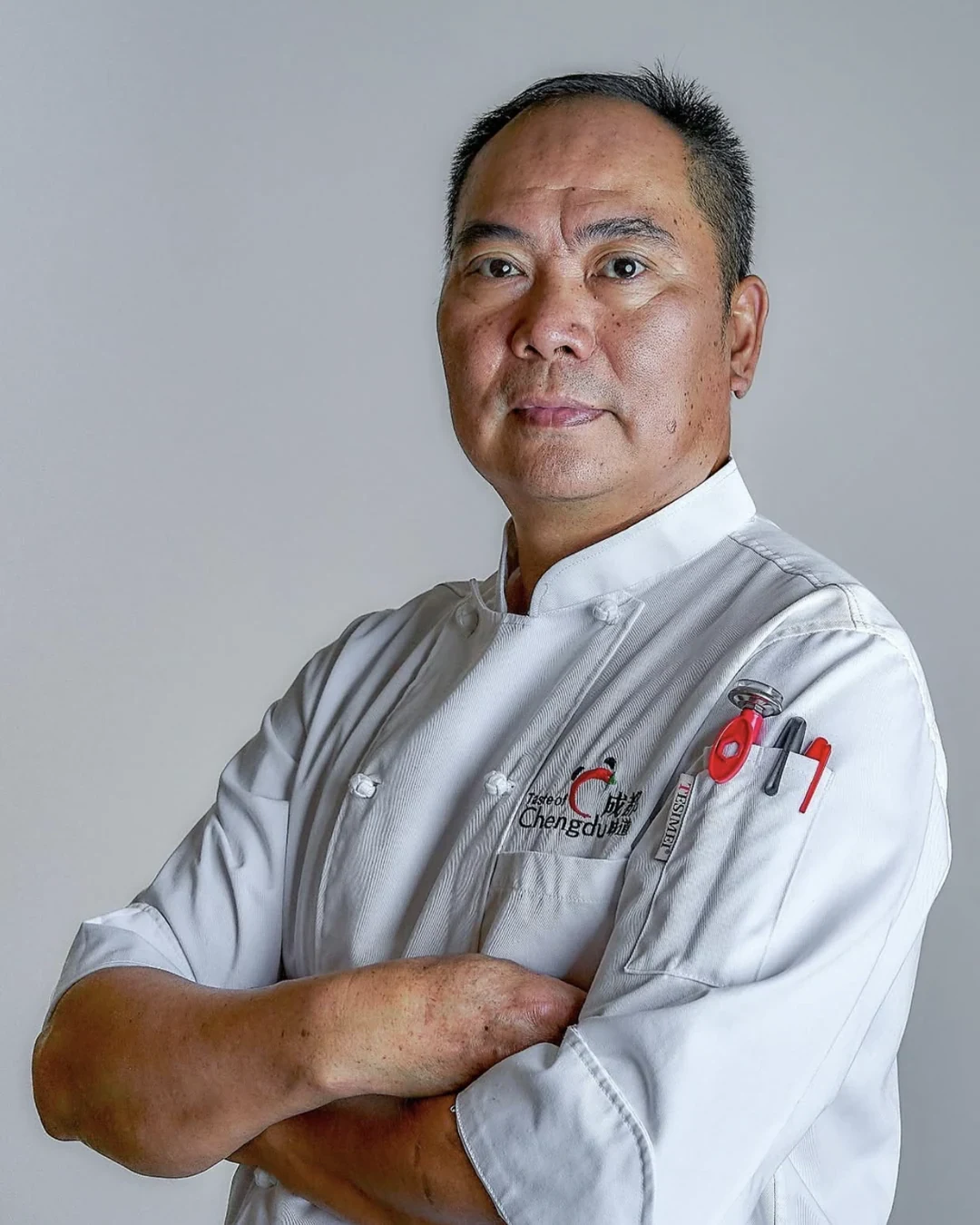
Xiong "Tiger" Tang
Chef
- 01CuisineAuthentic Sichuan Chinese
- 02CityOrlando, United States
- Michelin Bib Gourmand · Michelin Guide
- Michelin Bib Gourmand · 2026
- Michelin Bib Gourmand · 2025
- Michelin Bib Gourmand · 2024
Where Sichuan Discipline Meets Florida Accessibility
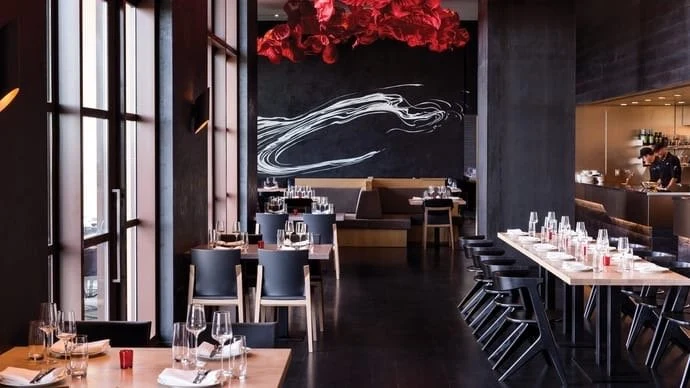
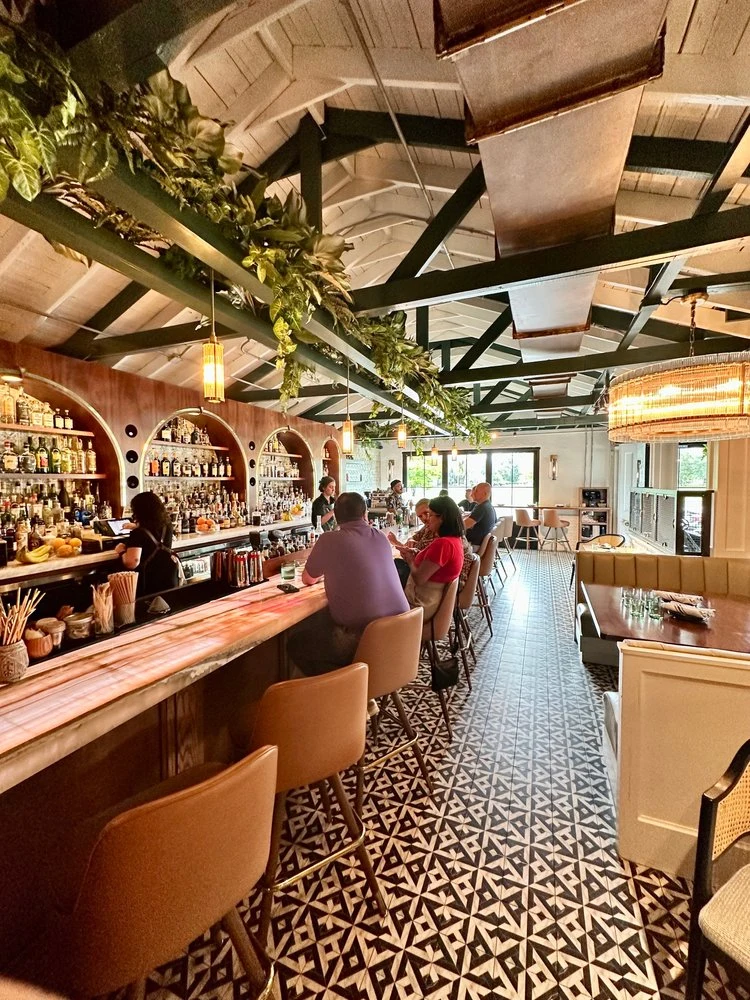
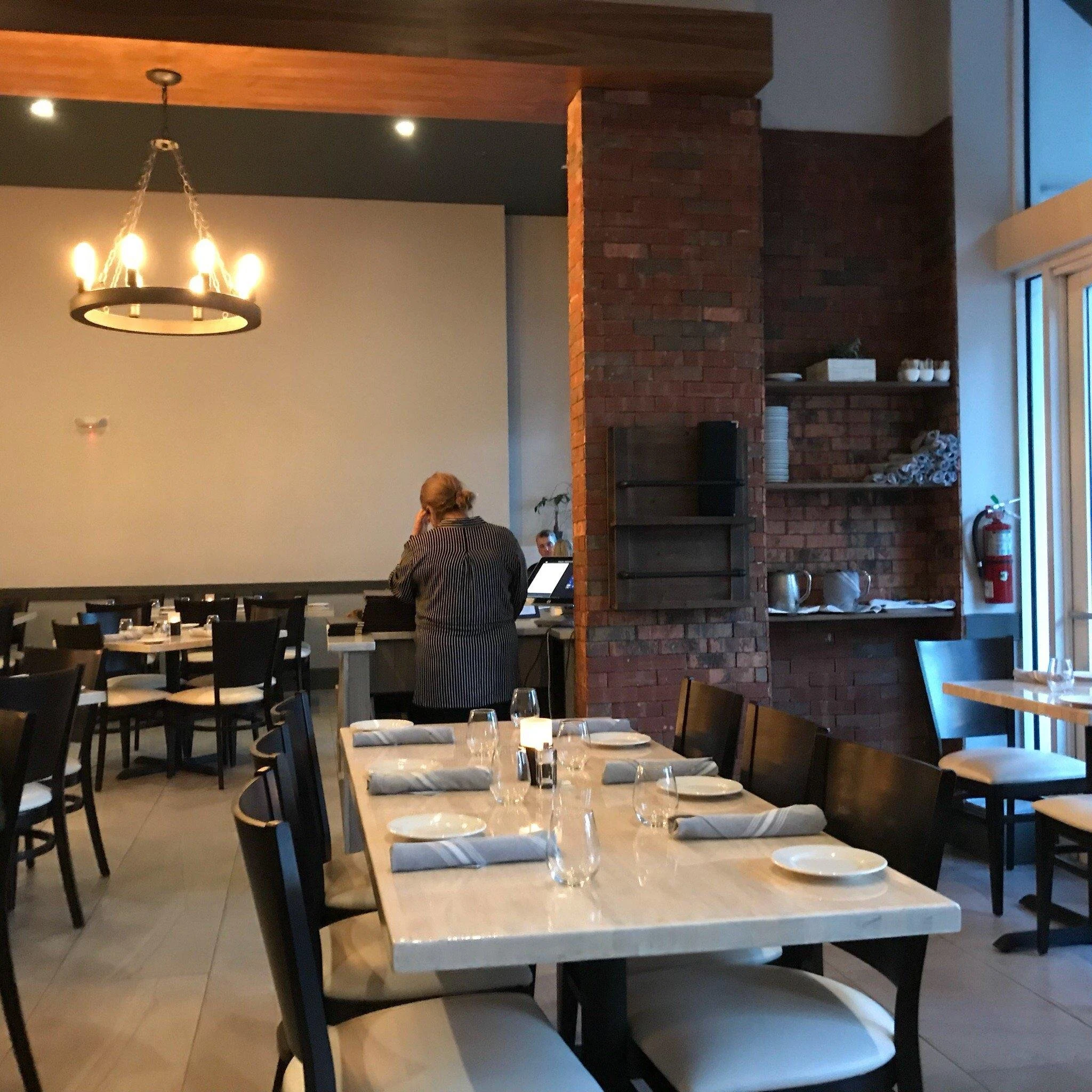
New Broad Street in Orlando's Baldwin Park neighbourhood draws a mixed crowd of residents and destination diners, and the strip's low-key character suits Taste of Chengdu well. The room does not announce itself. What it offers instead is a kind of focused culinary seriousness that distinguishes the better mid-range Chinese restaurants now earning Michelin attention across the United States.
Taste of Chengdu received a Michelin Bib Gourmand in 2025, the guide's designation for restaurants offering notable cooking at a moderate price. That credential places it in a specific tier: not the white-tablecloth bracket occupied by Sichuan outposts in major coastal cities, but the tier where technique and ingredient fidelity matter more than ceremony. At a $$ price range, it also sits well below the $$$$ ceiling of Orlando's fine-dining Asian options like Sorekara and Camille.
The Sichuan Menu as a Statement of Intent
Sichuan cooking is one of the most systematically misrepresented regional cuisines in American Chinese restaurants. Its complexity, built on the interaction between málà (the numbing heat of Sichuan peppercorn and dried chilli), fermented pastes, and careful aromatics, is often flattened into a single dimension of heat delivery. What distinguishes the better operators is an understanding of balance: when to push the numbing spice, and when to pull back and let other flavours carry the dish.
At Taste of Chengdu, Chef Xiong "Tiger" Tang's approach leans toward restraint and depth rather than aggressive heat. Mapo tofu, the Chengdu standard that acts as a litmus test for any Sichuan kitchen, is given a nuanced treatment here: the silken tofu, fermented black bean, and doubanjiang base are present and correct, but the dish reads as layered rather than one-note. It is the kind of execution that rewards attention rather than endurance.
The Sichuan cold noodles represent a more assertive interpretation. Where the traditional version typically carries a thick, sesame-heavy sauce, the version here uses a lighter vinegar-based dressing with sesame threaded through it, producing a sharper, more acidic finish. The swap changes the texture relationship between noodle and sauce, making it feel more immediate on the palate. Heat-tolerant diners tend to gravitate toward this dish; it is one of the menu's clearer departures from convention.
The white fish in green pepper broth, with mushrooms, cucumber, and baby bok choy, occupies the opposite register. Green peppercorn Sichuan dishes have gained traction in recent years as an alternative to the red-chilli-forward preparations more familiar to Western diners; the green variety delivers a different kind of floral, citrusy numbing without the deep heat. The broth preparation here is delicate, and the supporting vegetables keep the dish light. A sautéed cabbage with garlic and scallions rounds out the accessible end of the menu, its crunch and simplicity acting as a structural counterpoint to the more complex preparations elsewhere.
Contextualising the Approach: Reinterpretation Without Fusion
Contemporary reinterpretation of regional Chinese cooking has taken different shapes depending on the city and the operator. In San Francisco, Mister Jiu's has built a notable reputation by running Cantonese technique through a California-ingredient lens. In Berlin, Restaurant Tim Raue takes Chinese flavour architecture as a starting point for something that reads more as fine-dining fusion. Taste of Chengdu is doing something different from both: it is not fusing, and it is not importing European plating conventions. The reinterpretation is internal to the cuisine, adjusting ratios, textures, and heat levels within the Sichuan framework rather than reaching outside it.
This is a meaningful distinction. The cold noodle variation, for instance, does not borrow from Japanese or Southeast Asian traditions even though a vinegar-forward noodle dressing might superficially suggest those influences. It stays within the logic of Sichuan flavour pairing, just recalibrated. That kind of precision, knowing where to adjust and where to hold the line, is what tends to separate the kitchens that earn Michelin attention from those that approximate the cuisine.
Taste of Chengdu in Orlando's Broader Asian Dining Scene
Orlando's Asian dining offer has grown considerably in range and depth. On the noodle-focused end, Walala Hand-Pulled Noodle House and Kai Kai represent the more casual tier, while YH Seafood Clubhouse anchors the Cantonese banquet format. Taste of Chengdu fills a specific gap: Sichuan cooking with documented technical ambition at a price point that does not restrict it to special-occasion visitors. A Google rating of 4.3 across 406 reviews indicates consistent delivery over time.
The broader Orlando restaurant scene ranges from destination-format tasting menus to neighbourhood staples, with the Michelin Bib Gourmand tier occupying the band that offers solid value. Taste of Chengdu sits comfortably in that tier, alongside a growing cohort of restaurants the guide has flagged in Florida as the state's culinary profile has shifted.
Planning a Visit
Taste of Chengdu is located at 4856 New Broad Street, Orlando, FL 32814, in the Baldwin Park area. The mid-range pricing means the restaurant draws both regulars and first-time visitors; arriving with a reservation is advisable. The expansive menu rewards multiple visits, with the cold noodles, mapo tofu, and green pepper fish covering the range from assertive to delicate across a single table.
Questions
Frequently asked
What recognition does Taste of Chengdu hold?
Taste of Chengdu holds a Michelin Bib Gourmand.
Who works at Taste of Chengdu?
Made By profiles Xiong "Tiger" Tang (Chef) at Taste of Chengdu.
How expensive is Taste of Chengdu?
Taste of Chengdu is listed at a price level of $$.
Where is Taste of Chengdu and what does it serve?
Taste of Chengdu is in West Colonial Drive, Orlando, serving Authentic Sichuan Chinese.
The field
How it compares
| Place | Cuisine | Notes | Awards |
|---|---|---|---|
| Taste of Chengdu | Authentic Sichuan Chinese | West Colonial Drive, $$ | · |
| Capa | Spanish-Influenced Steakhouse | Orlando | Michelin 1 Star |
| Knife & Spoon | New American Steakhouse & Seafood | Orlando | · |
| Otto's High Dive | Modern Cuban & Floridian with Fresh Seafood | Orlando | · |
| Primo | Contemporary Italian Farm-to-Table | Orlando | · |
| Sorekara | Modern Japanese Omakase | Orlando | Michelin 2 Stars |
| Wine Bar George | American Contemporary Wine Bar | Orlando | · |
In residence
Similar places
Spanish-Influenced Steakhouse
Capa
Orlando, United States
★
New American Steakhouse & Seafood
Knife & Spoon
Orlando, United States
Modern Cuban & Floridian with Fresh Seafood
Otto's High Dive
Orlando, United States
Contemporary Italian Farm-to-Table
Primo
Orlando, United States
Modern Japanese Omakase
Sorekara
Orlando, United States
★★
American Contemporary Wine Bar
Wine Bar George
Orlando, United States