Terrazza
- 01CuisineMediterranean Coastal Italian
- 02CitySanta Monica, United States
From the people index
Recommended by
One trusted voice points here.
Where the Pacific Shapes the Plate
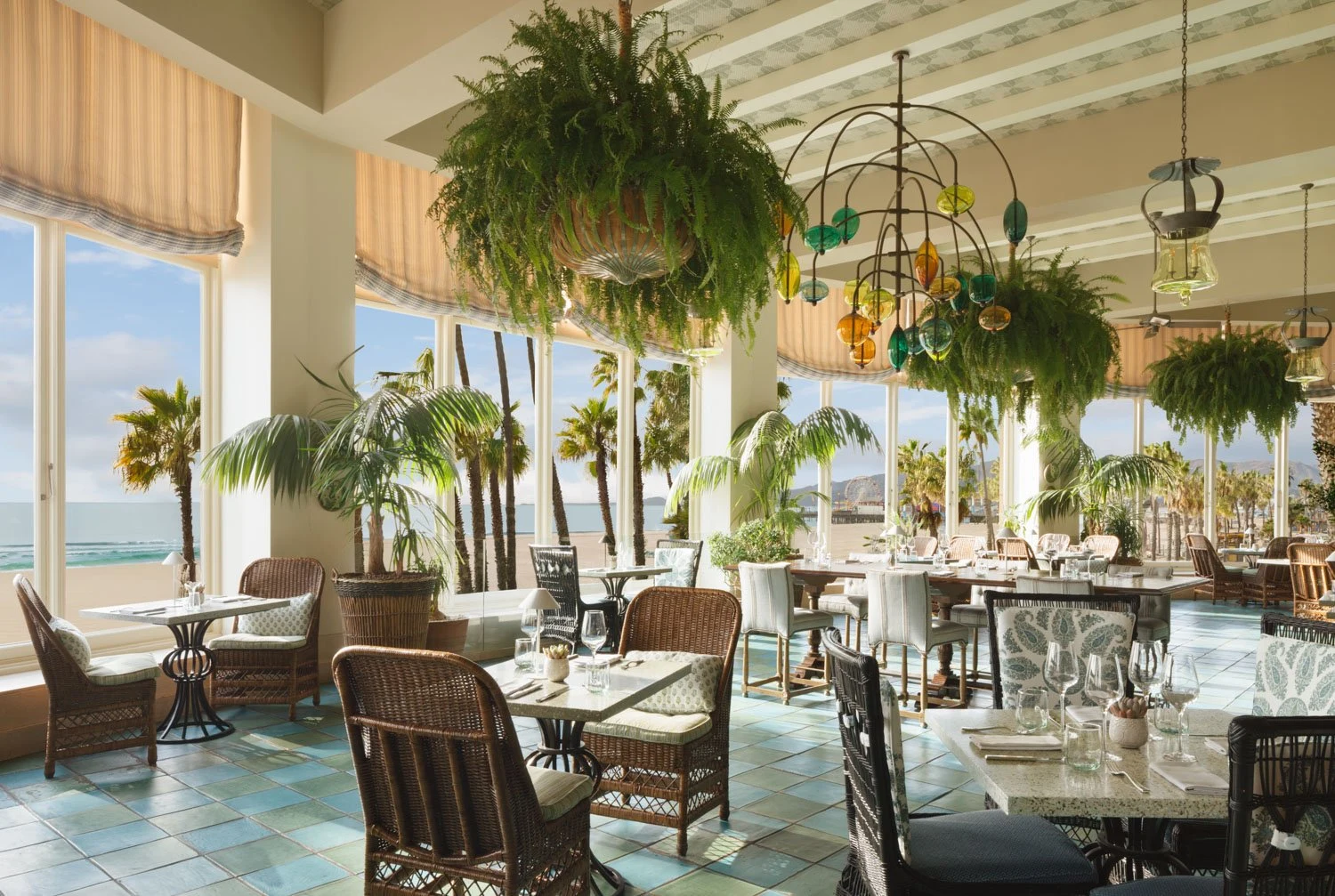
Terrazza is a Mediterranean Coastal Italian restaurant in Santa Monica, CA, at 1910 Ocean Way, with a 4.3 Google rating and an average price of about $65 per person. The proximity to the Santa Monica Pier fishing docks, to the network of inland farms running through the San Fernando and Oxnard plains, and to the wholesale seafood operations at nearby ports creates a supply chain that coastal restaurants in other cities spend years trying to approximate. At 1910 Ocean Way, Terrazza sits inside that supply geography, positioned on a stretch of Santa Monica's coastline where the line between what arrives at the kitchen door and what eventually reaches the table is shorter than almost anywhere else in the country.
Southern California's ingredient-led dining culture did not emerge from a single chef or a single decade. It developed through a layered set of influences: the farm-to-table movement that took root in Berkeley and spread south through the 1980s and 1990s, the Pacific Rim sensibility that restaurants like Chinois on Main helped introduce to the broader Los Angeles dining conversation, and the slow accumulation of producer relationships that made year-round freshness a structural advantage rather than a seasonal talking point. Understanding where Terrazza sits means understanding this tradition first.
The Sunday letter
Find new places through the people who run them.
Our Sunday email brings you the chefs, winemakers and hoteliers behind our newest stories. See a sample before you subscribe.
See a sample of the Sunday emailOne email a week. Unsubscribe from any issue.
The Sourcing Logic Behind California Coastal Cooking
Ingredient sourcing at the premium end of the Santa Monica dining scene operates on a set of assumptions that differ from those governing restaurants in landlocked cities. When a coastal California kitchen commits to local product, it is working with one of the most biodiverse agricultural and marine environments in the Western hemisphere. The Santa Monica Farmers Market, which runs multiple days a week on Arizona Avenue, supplies a significant portion of the serious kitchens in the neighbourhood and acts as a kind of live inventory system for what is actually in season. Restaurants that source seriously from this market tend to have menus that shift in ways less predictable than a fixed tasting format allows.
The California coast also functions as a direct pipeline for day-boat seafood. The species available from Malibu up through the Channel Islands, including white seabass, California halibut, rockfish, and seasonal urchin, represent a regional product identity that kitchens in cities like New York or Chicago have to import. Restaurants positioned along the Ocean Way corridor are in reach of that supply in ways that even inland Los Angeles kitchens are not. It is a structural advantage, and the most serious operations in this address range tend to use it as the foundation of their menu logic rather than an incidental feature.
That kind of sourcing commitment connects Terrazza to a broader group of American restaurants that have made ingredient provenance the central organising principle of their cooking. Operations like Single Thread Farm in Healdsburg and Blue Hill at Stone Barns in Tarrytown have built their entire identities around the idea that the farm or the ecosystem is the menu. On the California coast, that logic arrives pre-loaded by geography.
Where Terrazza Sits in the Santa Monica Dining Order
Santa Monica supports a more concentrated cluster of serious dining than its beach-town reputation might suggest. The presence of restaurants at the level of Providence in Los Angeles a few miles east, and the broader LA dining scene anchored by programs at the Addison in San Diego tier to the south, means that Southern California diners have a well-calibrated frame of reference. They understand what commitment to product actually looks like when it is executed at high levels, and they hold coastal operations to that standard.
The Ocean Way address also places Terrazza in a specific neighbourhood sub-market. This is not the Main Street corridor where tourist foot traffic and casual dining dominate. Ocean Way runs along the water, which creates a guest profile tilted toward people who have made a deliberate decision to be there, whether staying in one of the nearby hotels or arriving specifically for a meal. That kind of intentional audience tends to be more attentive, and the better kitchens in this address zone have historically responded to that with a higher level of detail in both the food and the room.
California Coastal Cooking in a National Frame
The restaurants that have defined American fine dining over the past two decades tend to cluster in a handful of cities. Le Bernardin in New York City set a standard for seafood precision that still holds decades later. Alinea in Chicago and Lazy Bear in San Francisco represent different ends of the progressive American spectrum. The French Laundry in Napa remains the reference point for Northern California's top tier. What distinguishes Southern California's contribution to this conversation is less about technique than about raw material access. The argument a coastal Santa Monica kitchen can make is that its ingredient relationships are structurally different from what is possible elsewhere, and that this difference, when realised properly, produces cooking that cannot be replicated inland or in other regions.
Other serious programs across the country that have built around this kind of provenance logic include Emeril's in New Orleans, which has long drawn on Gulf Coast supply networks, and The Inn at Little Washington in Washington, where the surrounding Virginia farmland functions as a direct extension of the kitchen. In each case, the geography is not background scenery; it is the argument the food makes on the plate. Atomix in New York City makes a parallel case through the lens of Korean ingredient culture. 8 1/2 Otto e Mezzo Bombana in Hong Kong does the same through Italian product sourcing at a remove. The connecting thread is a belief that sourcing discipline is the form of culinary argument that ages leading.
Planning a Visit
Terrazza is located at 1910 Ocean Way, Santa Monica, CA 90405, in the waterfront zone south of the Pier. Those travelling from elsewhere in Los Angeles should account for the fact that Ocean Way can be slow to access by car during weekend evenings; arriving on foot from nearby hotels or by rideshare tends to be more reliable. For those looking to pair a meal with other Santa Monica programming, the Santa Monica wineries guide covers the local wine options worth knowing.
Questions
Frequently asked
How expensive is Terrazza?
Terrazza is listed at a price level of $$$.
Where is Terrazza and what does it serve?
Terrazza is in Ocean Park Association, Santa Monica, serving Mediterranean Coastal Italian.
The field
How it compares
| Place | Cuisine | Notes | Awards |
|---|---|---|---|
| Terrazza | Mediterranean Coastal Italian | Ocean Park Association, $$$ | · |
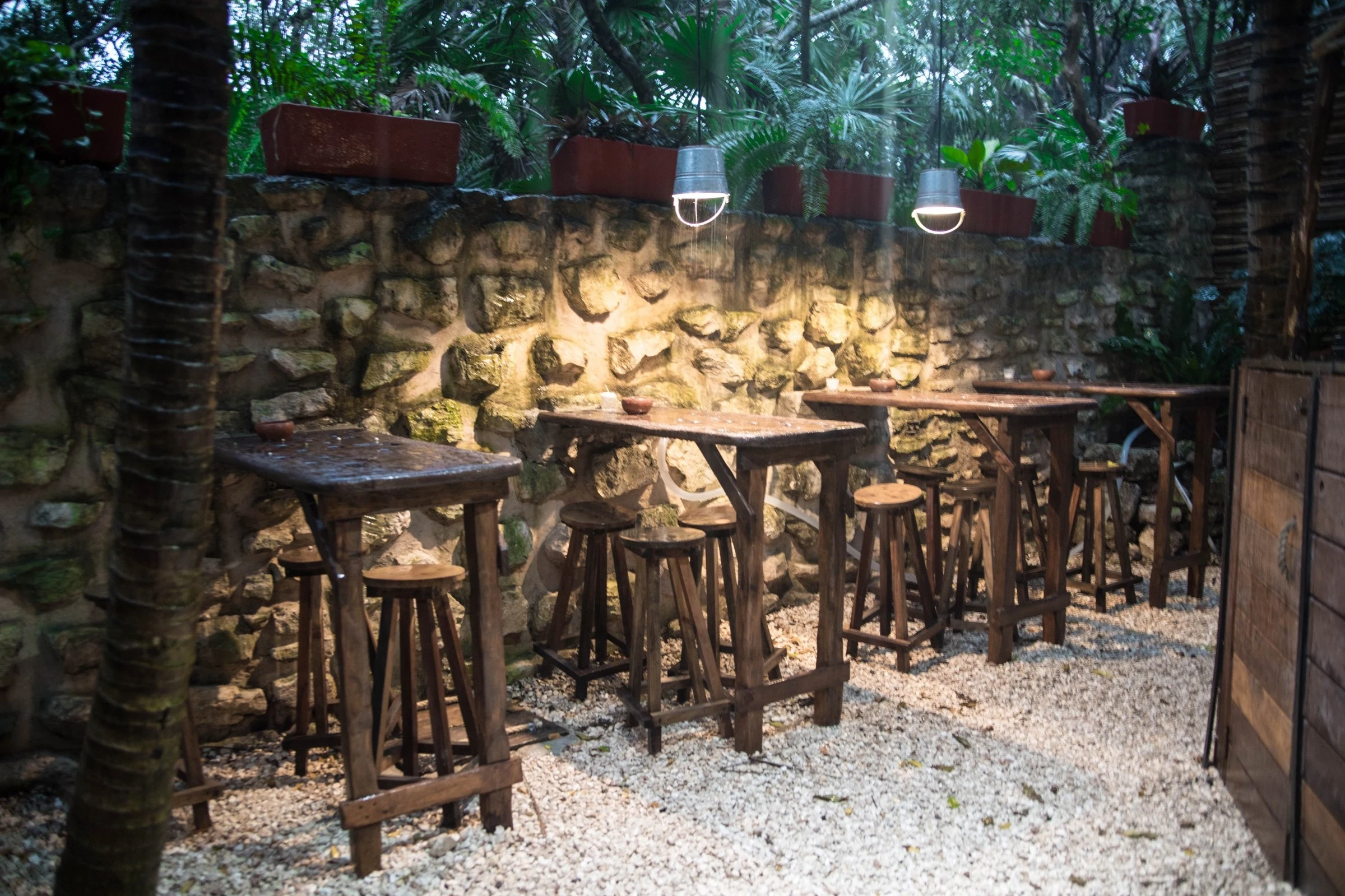
| Arca | Modern Yucatan Fire-Cooked Small Plates | Tulum | World's 50 Best |
| Botanist | Modern Canadian Fine Dining | Vancouver | · |
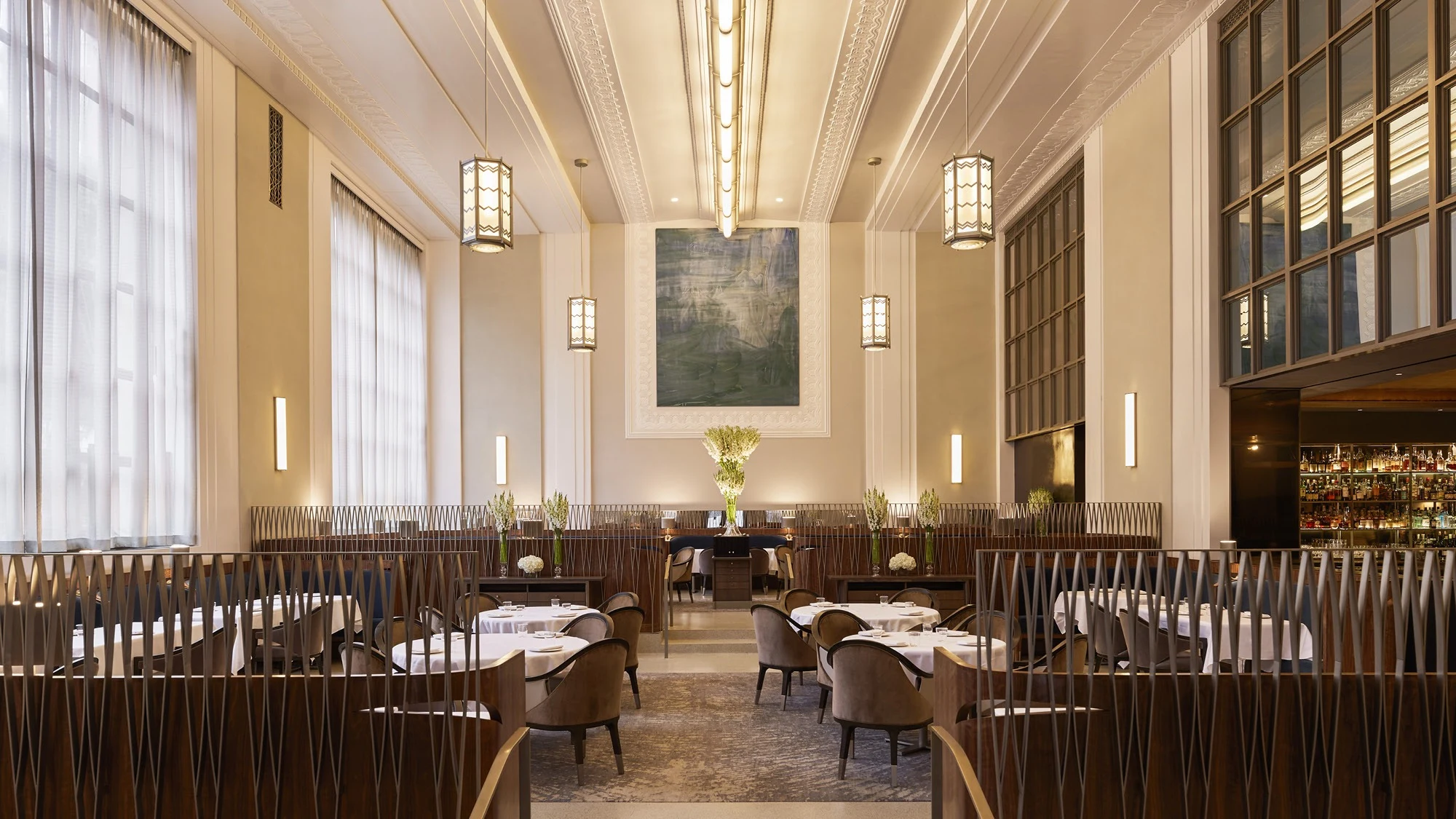
| Eleven Madison Park | Contemporary Plant-Based Fine Dining | New York City | Michelin 3 Stars, World's 50 Best |
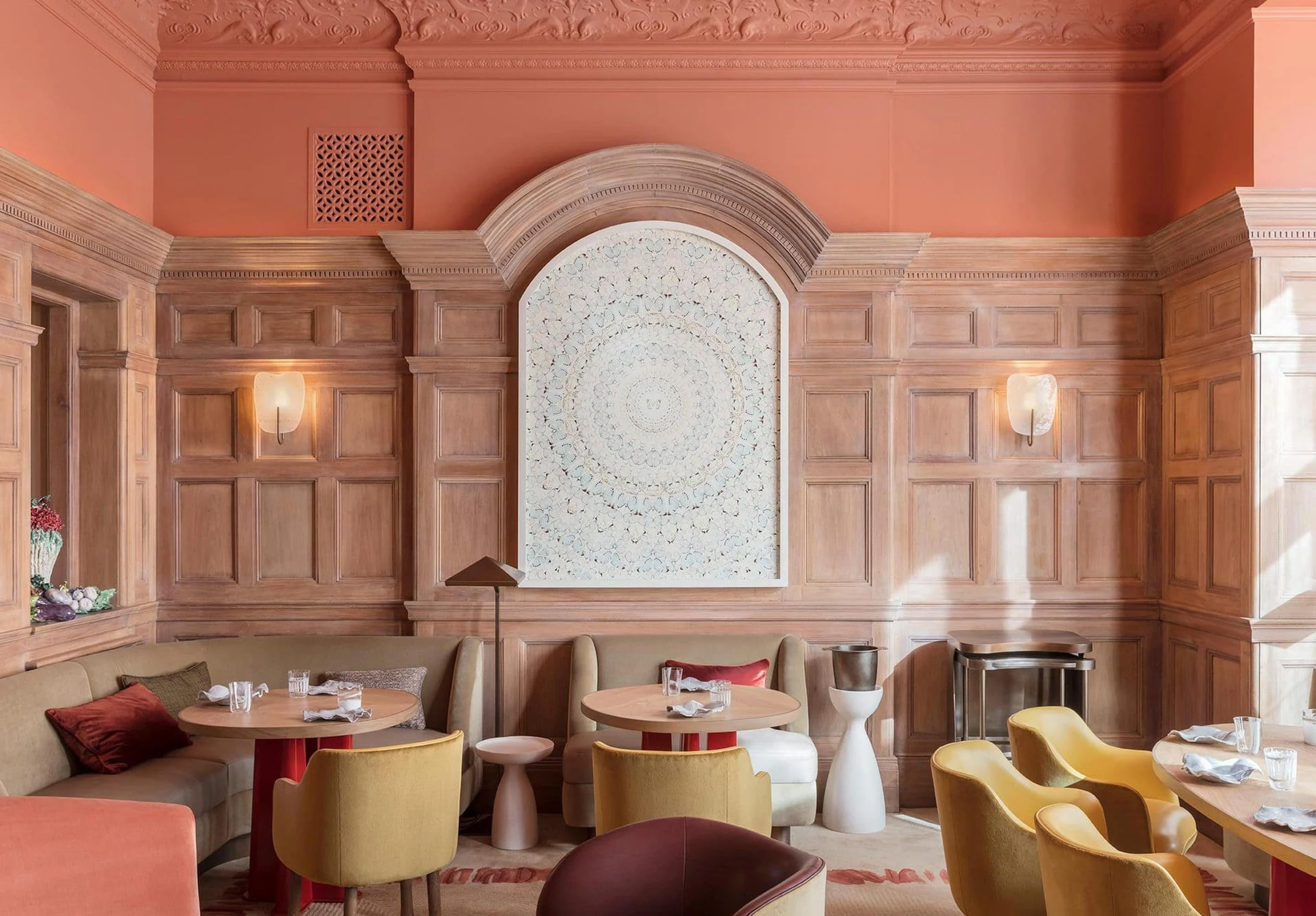
| Hélène Darroze at The Connaught | Three Michelin-Star Modern French Fine Dining | London | Michelin 3 Stars |
| Kitchen Table | Modern British Fine Dining | London | Michelin 2 Stars |
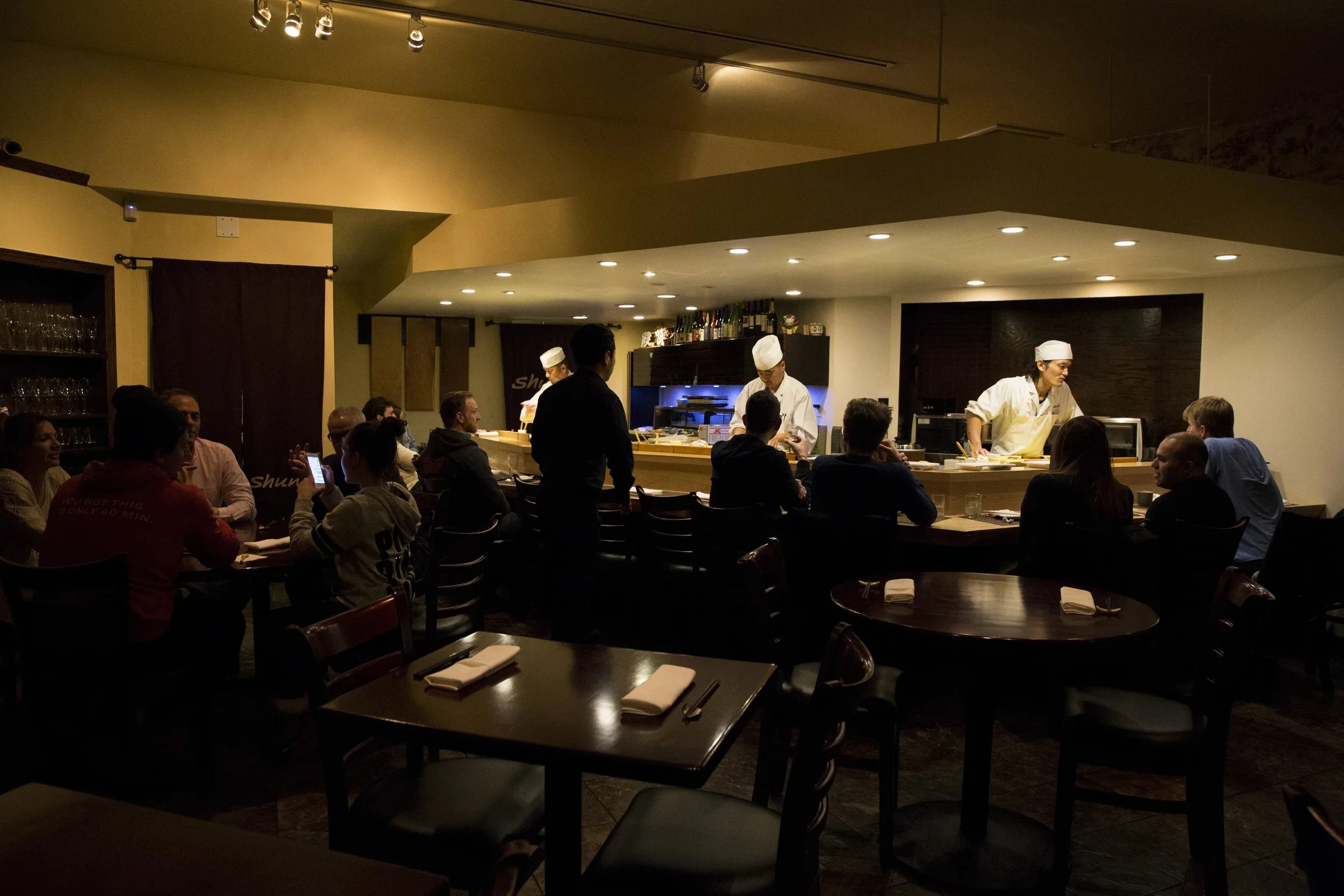
| Shunji | Modern Japanese Omakase | Santa Monica | · |
Similar places
Modern Yucatan Fire-Cooked Small Plates
Arca
Tulum, Mexico
50 Best
Modern Canadian Fine Dining
Botanist
Vancouver, Canada
Contemporary Plant-Based Fine Dining
Eleven Madison Park
New York City, United States
★★★ · 50 Best
Three Michelin-Star Modern French Fine Dining
Hélène Darroze at The Connaught
London, United Kingdom
★★★
Modern British Fine Dining
Kitchen Table
London, United Kingdom
★★
Modern Japanese Omakase
Shunji
Santa Monica, United States
The Sunday letter
Get the next Made By story in your inbox.
We send one email every Sunday morning with the places and people we covered that week.
See a sample of the Sunday emailOne email a week. Unsubscribe from any issue.