From the people index
Recommended by
5 trusted voices point here.
- Michelin Plate · 2026
- Michelin Plate · 2025
- Opinionated About Dining Top Restaurants in North America Ranked #97 · 2025
- Opinionated About Dining Top Restaurants in North America Ranked #119 · 2024
- Michelin Plate · 2024
- Opinionated About Dining Top Restaurants in North America Ranked #111 · 2023
- Opinionated About Dining Gourmet Casual Dining in North America Ranked #79 · 2023
Where Santa Monica Meets the Kaiseki Tradition
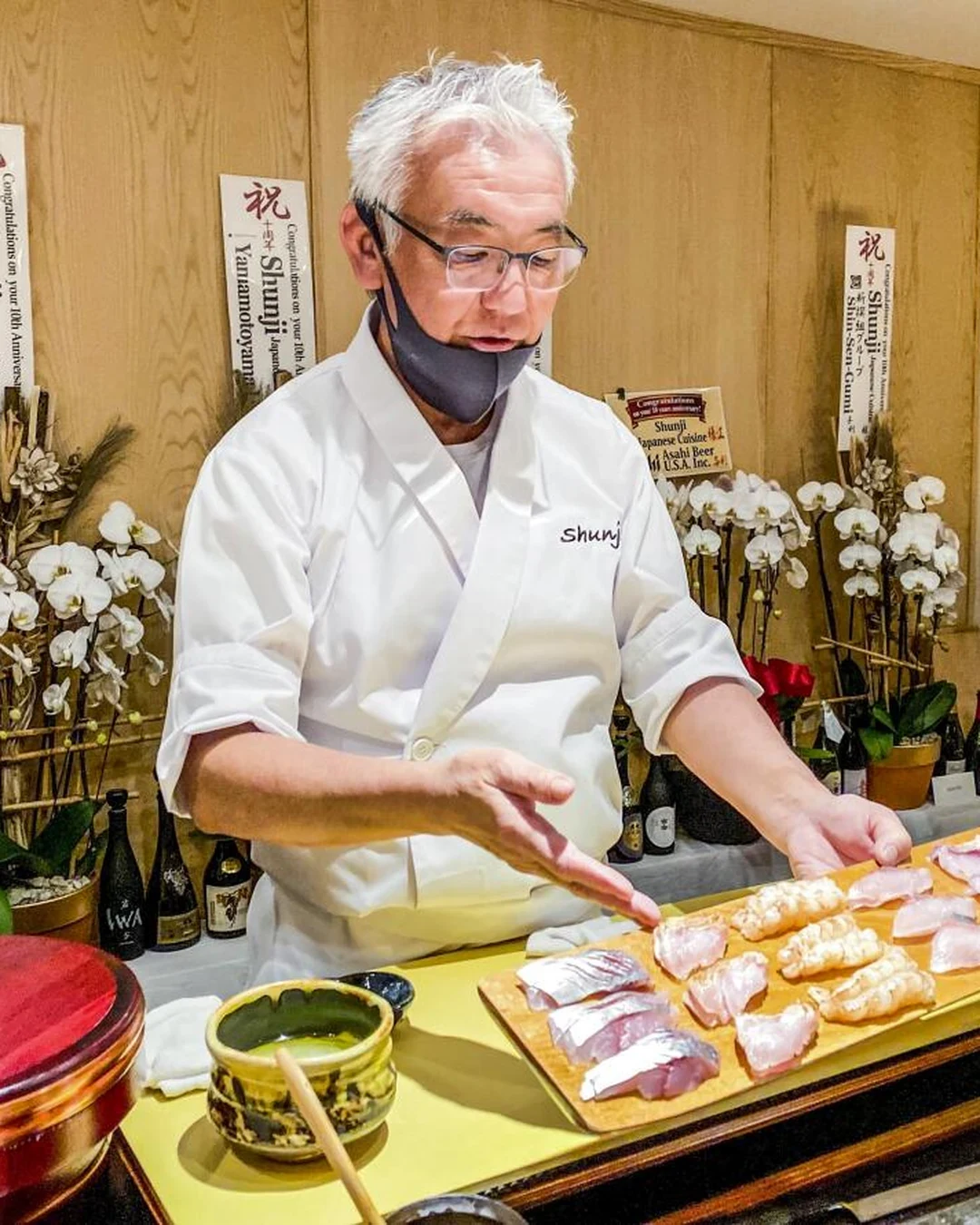
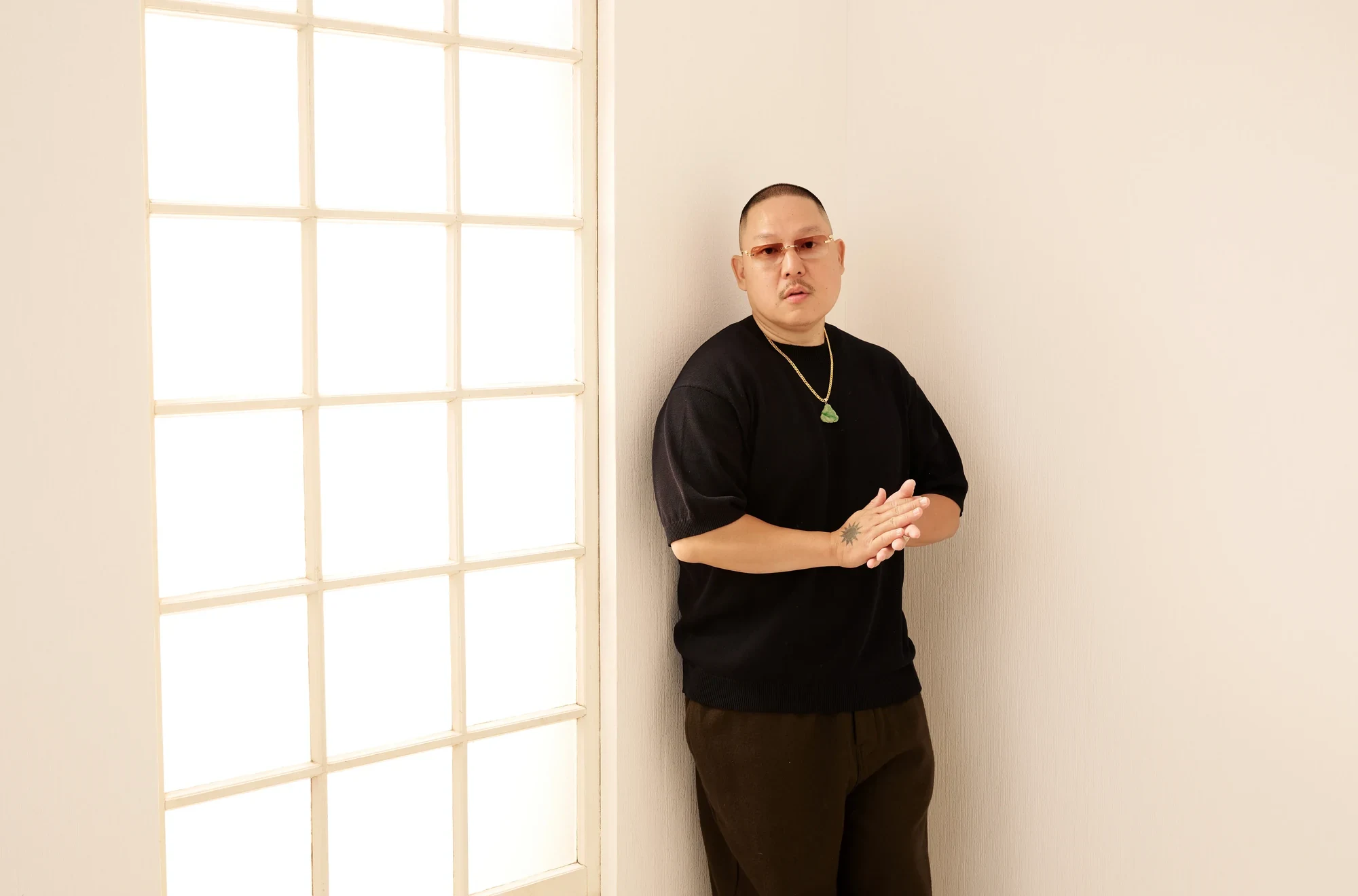
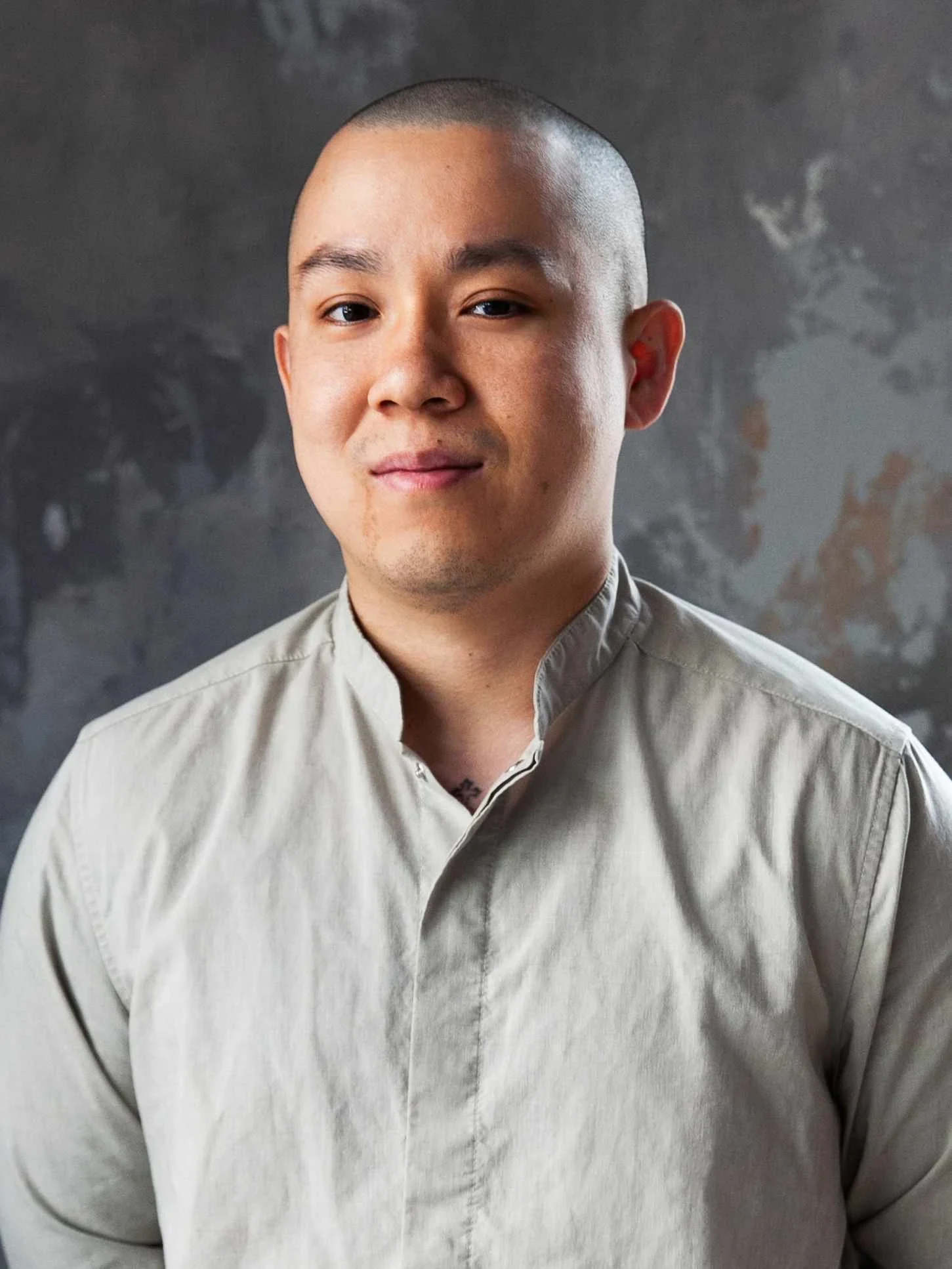
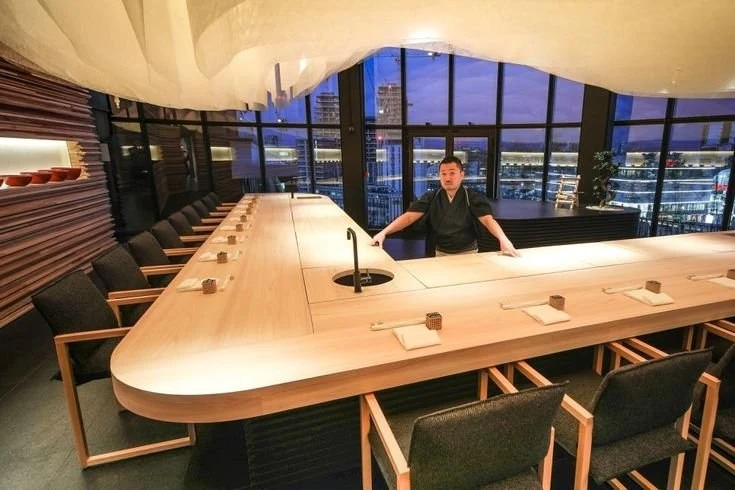
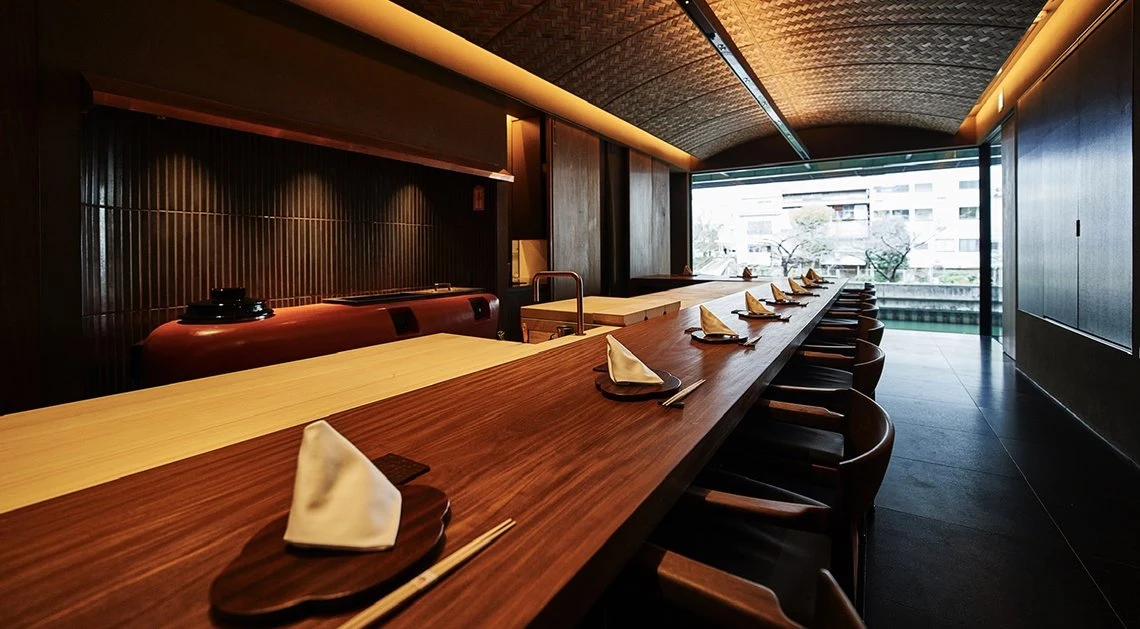
The kaiseki format arrived in California through a handful of chefs who trained in Japan and then rebuilt the tradition for a West Coast audience with different produce rhythms, different protein sourcing, and a dining culture that has always sat somewhere between formal and relaxed. Shunji, operating on Ocean Park Boulevard in Santa Monica, belongs to this cohort. Chef Shunji Nakao runs an omakase format informed by kaiseki philosophy: the meal progresses through courses designed around seasonal availability, textural contrast, and compositional restraint rather than around a fixed protein or a single dominant technique.
That framing matters when placing Shunji in the Los Angeles Japanese dining market. The city now supports at least two distinct tiers of Japanese counter dining. The first is the high-formality, high-ceremony omakase tier. Masa in New York City or Sushi Masaki Saito in Toronto. The second is a more relaxed, technically demanding style with a lighter touch on ceremony. Shunji operates in the second tier, which is part of why its OAD recognition has appeared under both headings. Consistency across three consecutive annual lists is rarer than a single high placement.
The Sunday letter
Find new places through the people who run them.
Our Sunday email brings you the chefs, winemakers and hoteliers behind our newest stories. See a sample before you subscribe.
See a sample of the Sunday emailOne email a week. Unsubscribe from any issue.
The Seasonal Logic at the Counter
Kaiseki, in its classical Kyoto form, is a sequenced meal where each course expresses a season in miniature: ingredient selection, presentation, and even vessel choice follow a calendar logic that no single menu can capture year-round. The tradition transferred to omakase counters outside Japan in modified form, where the chef exercises the same seasonal judgment but within a different ingredient ecosystem. California's year-round agricultural output, and its Pacific seafood access, gives chefs like Nakao a wider seasonal palette than most Japanese cities offer, which means the kaiseki-influenced format here can operate with genuine ingredient variety rather than approximation.
What distinguishes kaiseki-influenced omakase from straight Edomae sushi is the range of technique across a single meal. Rather than focusing exclusively on nigiri construction, the format typically moves through warming courses, composed small plates, grilled preparations, and cold items before arriving at rice and fish in any combination the chef determines. This is closer in ambition to what Hayato executes in the Arts District, also earning serious OAD recognition, though Shunji's Ocean Park setting and operating hours reflect a different neighbourhood logic and a less architecturally staged environment.
Santa Monica as a Dining Address
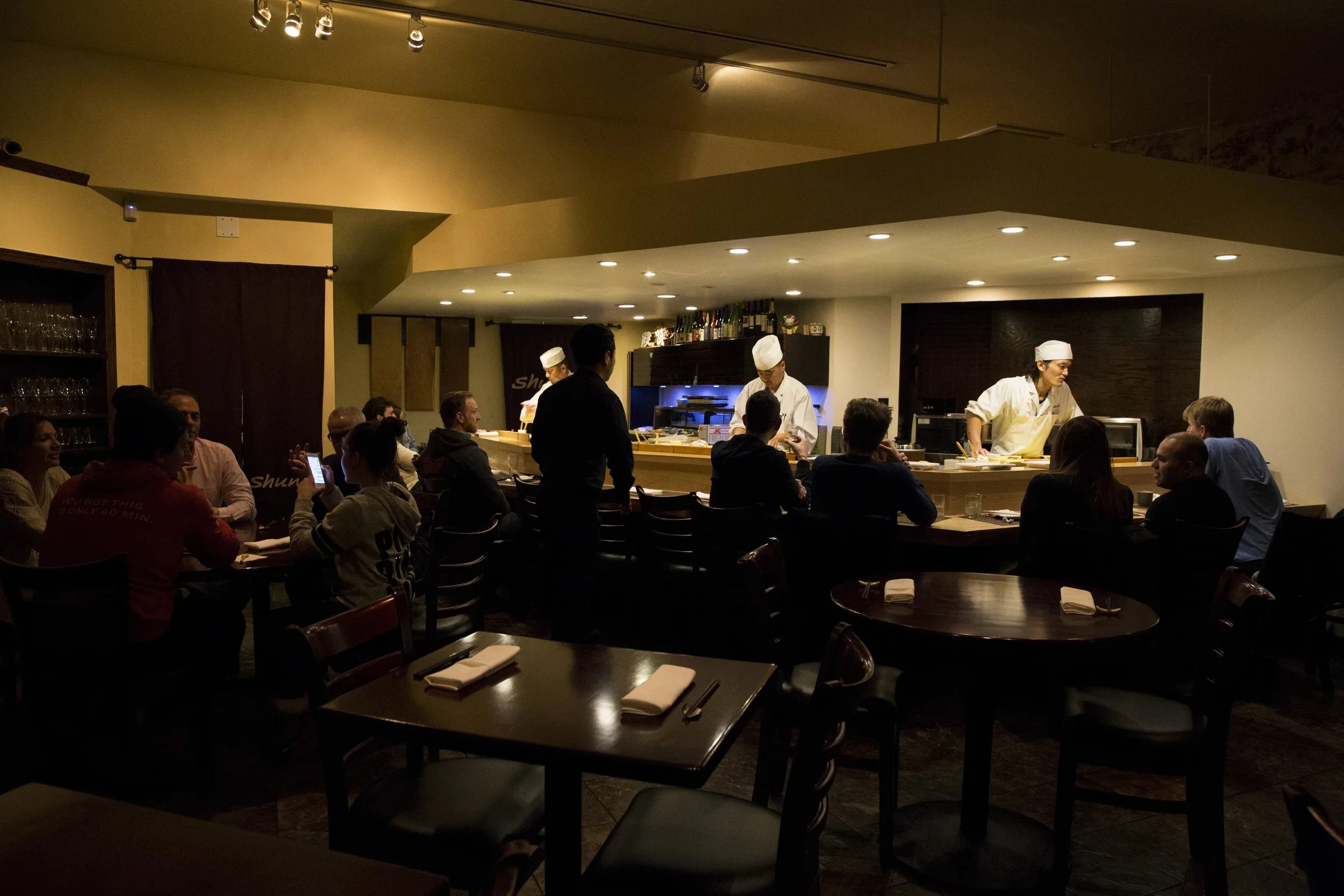
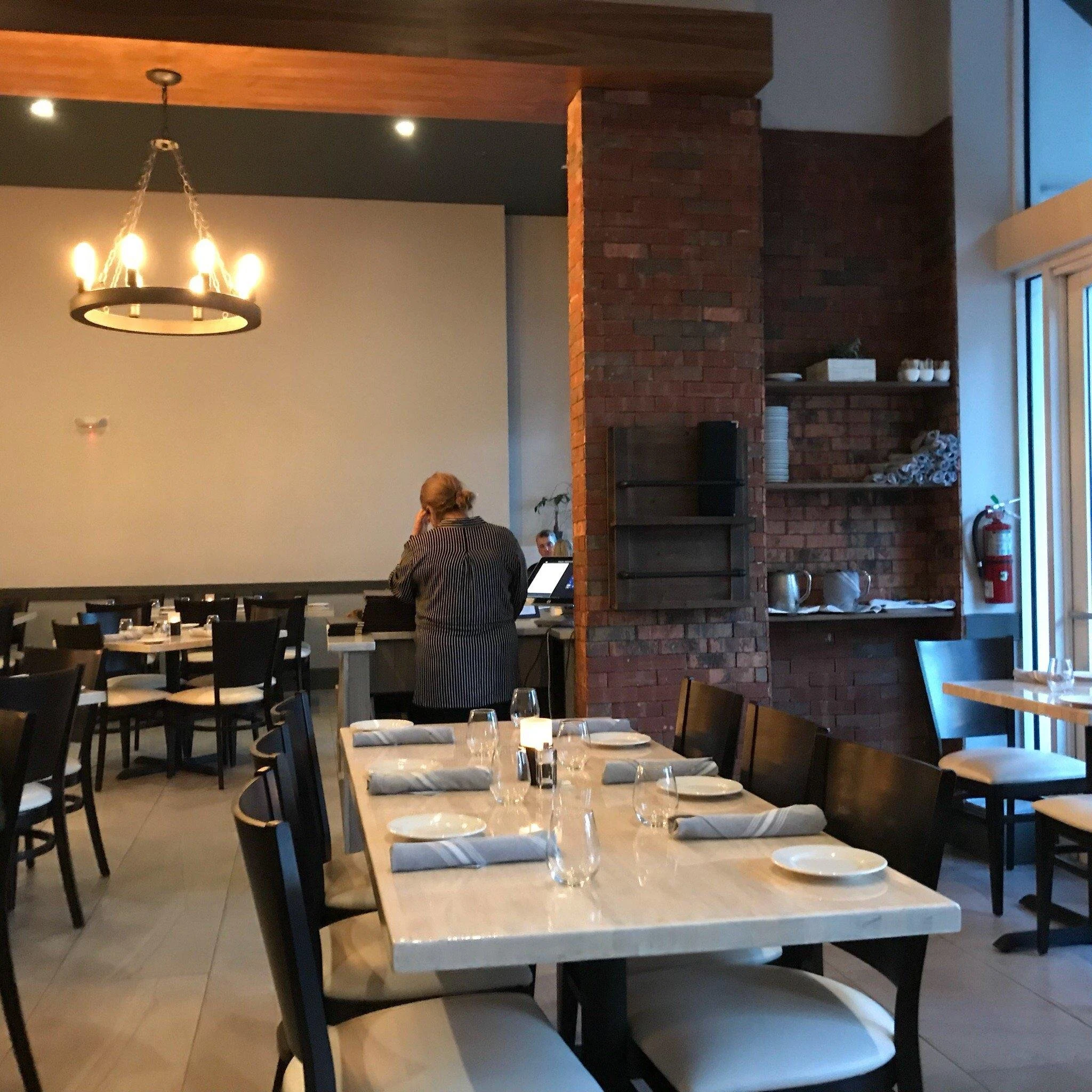
The West Side Japanese dining scene has historically been anchored by Sawtelle Japantown, a corridor of ramen shops, izakayas, and casual Japanese spots on Sawtelle Boulevard a few kilometres north of Ocean Park. Serious omakase and kaiseki-adjacent formats have tended to appear slightly removed from that cluster, in quieter commercial strips where lower foot-traffic rents allow for counter seating and the quiet that serious service requires. Shunji on Ocean Park fits that pattern: a residential-commercial edge-zone address that is not a destination strip but is accessible from most of the Westside and closer to Santa Monica's core than most visitors assume.
The counter sits within the broader West Los Angeles Japanese fine dining geography that includes Morihiro, Shin Sushi, and Asanebo in Studio City. Together these counters represent a West Coast interpretation of the Japanese counter tradition that has developed independently from the New York model and differently again from the Tokyo source.
How Shunji Compares Across the LA Japanese Tier
Los Angeles now runs a fairly deep bench of serious Japanese counters. Nozawa Bar in West Hollywood operates at a higher price ceiling and with a stricter Edomae focus. Sushi Kaneyoshi downtown holds two Michelin stars, placing it in a different recognition tier. Shunji's Michelin Plate recognition positions it below the starred tier but within Michelin's acknowledged quality range.
Within the broader city-wide fine dining picture, Los Angeles has been producing serious work across categories: Kato in New Taiwanese and Hayato in Japanese kaiseki both carry higher award profiles, while Vespertine and Camphor occupy the progressive end of the price-tier. Shunji sits in the middle of that range: less ceremonial than Vespertine, more technique-focused than a casual Japanese counter, and anchored in a culinary tradition with real depth of reference. For visitors cross-referencing against similarly ambitious counters elsewhere, comparisons with Lazy Bear in San Francisco or Single Thread Farm in Healdsburg are reasonable on price tier and format ambition, even though the cuisines differ entirely.
Planning Your Visit
Shunji operates Tuesday through Saturday, with Tuesday running a compressed 6 to 8 pm window and Wednesday through Saturday opening from 5 pm to 8 pm. The restaurant is closed Sunday and Monday. The tight operating hours and the counter format mean seatings are limited; the $$$$ price tier signals a full omakase spend rather than a la carte flexibility, and reservations should be treated as essential rather than optional. The Ocean Park Boulevard address in Santa Monica is accessible by car with street and lot parking nearby; it sits outside the main Santa Monica pedestrian zone, so driving or rideshare is the practical approach.
Shunji represents the kind of counter, consistent, recognised, operating in a real culinary tradition, that justifies a Westside evening.
Questions
Frequently asked
Who works at Shunji?
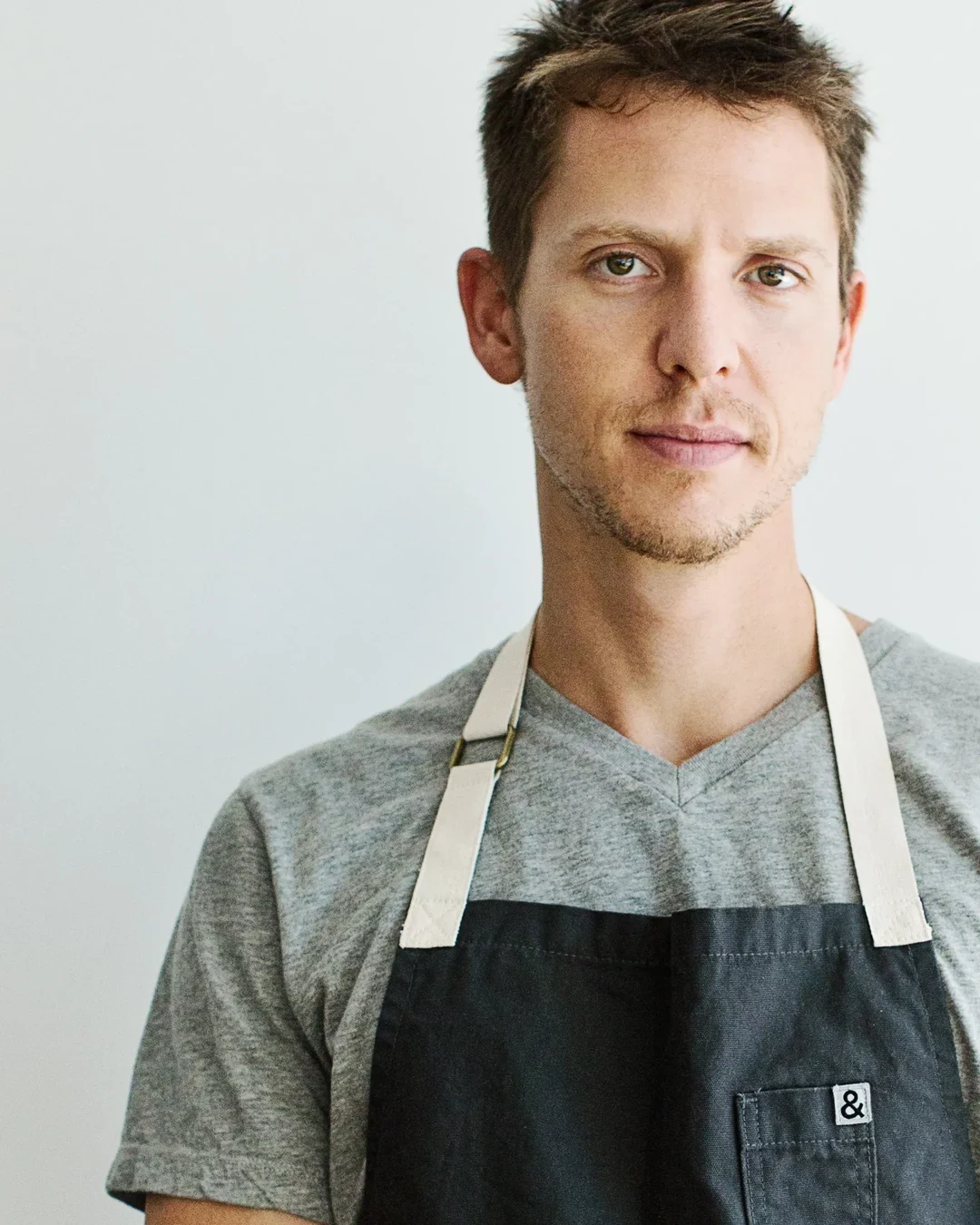
Made By profiles Shunji Nakao (Chef) at Shunji.
How expensive is Shunji?
Shunji is listed at a price level of $$$$.
Where is Shunji and what does it serve?
Shunji is in Santa Monica, Santa Monica, serving Modern Japanese Omakase.
The field
How it compares
| Place | Cuisine | Notes | Awards |
|---|---|---|---|
| Shunji | Modern Japanese Omakase | Santa Monica, $$$$ | · |
| Endo at The Rotunda | Modern Japanese Omakase | London | Michelin 1 Star |
| Koryu | Modern Japanese Omakase | Osaka | Michelin 2 Stars |
| L'Abysse Monte-Carlo | Modern Japanese Omakase | Monaco | Michelin 2 Stars |
| Sorekara | Modern Japanese Omakase | Orlando | Michelin 2 Stars |
| Sushi Sho | Modern Japanese Omakase | New York City | Michelin 3 Stars |
| Waku Ghin | Modern Japanese Omakase | Singapore | Michelin 1 Star, World's 50 Best |
In residence
Similar places
Modern Japanese Omakase
Endo at The Rotunda
London, United Kingdom
★
Modern Japanese Omakase
Koryu
Osaka, Japan
★★
Modern Japanese Omakase
L'Abysse Monte-Carlo
Monaco, Monaco
★★
Modern Japanese Omakase
Sorekara
Orlando, United States
★★
Modern Japanese Omakase
Sushi Sho
New York City, United States
★★★
Modern Japanese Omakase
Waku Ghin
Singapore, Singapore
★ · 50 Best
The Sunday letter
Get the next Made By story in your inbox.
We send one email every Sunday morning with the places and people we covered that week.
See a sample of the Sunday emailOne email a week. Unsubscribe from any issue.