Masa
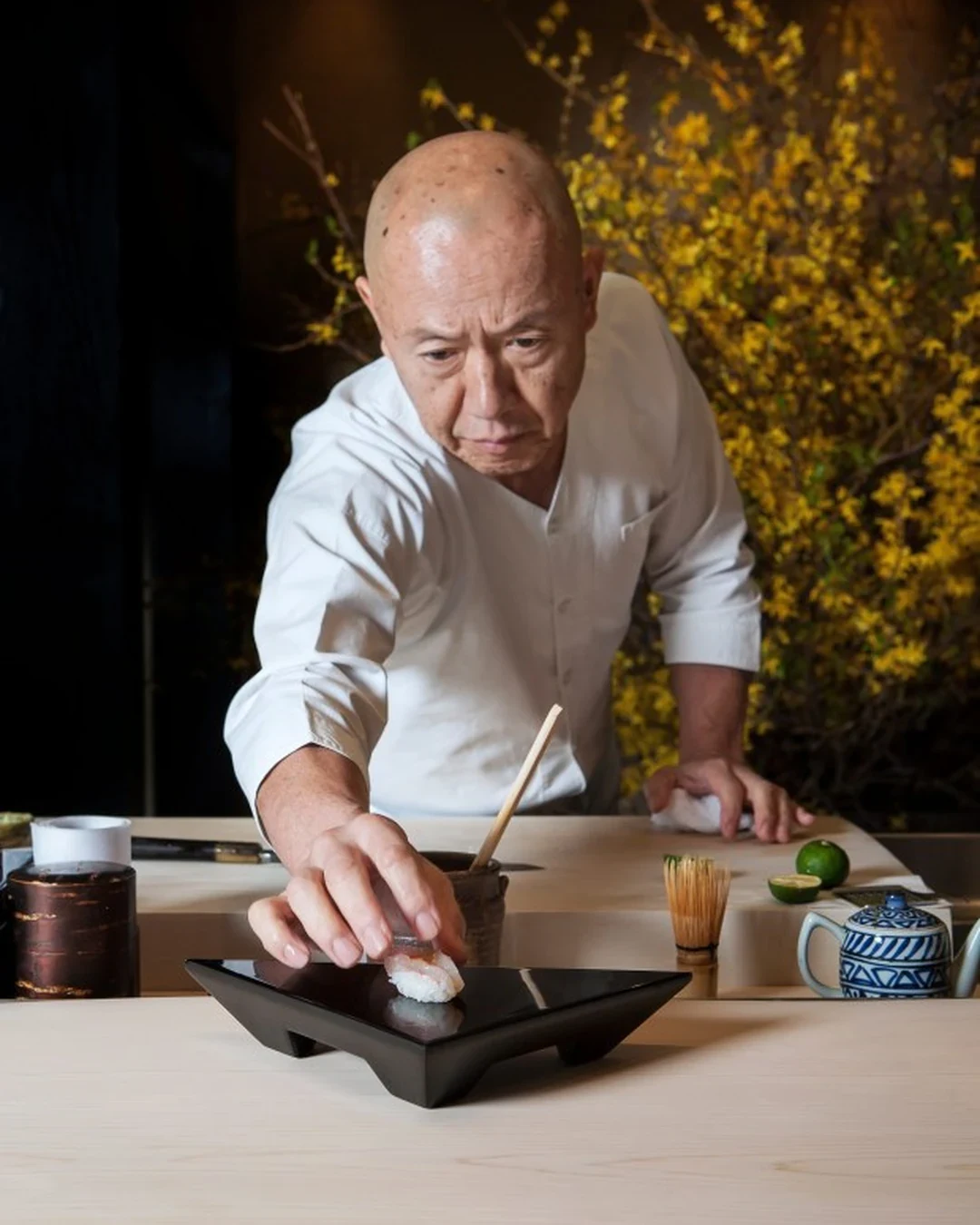
In Residence
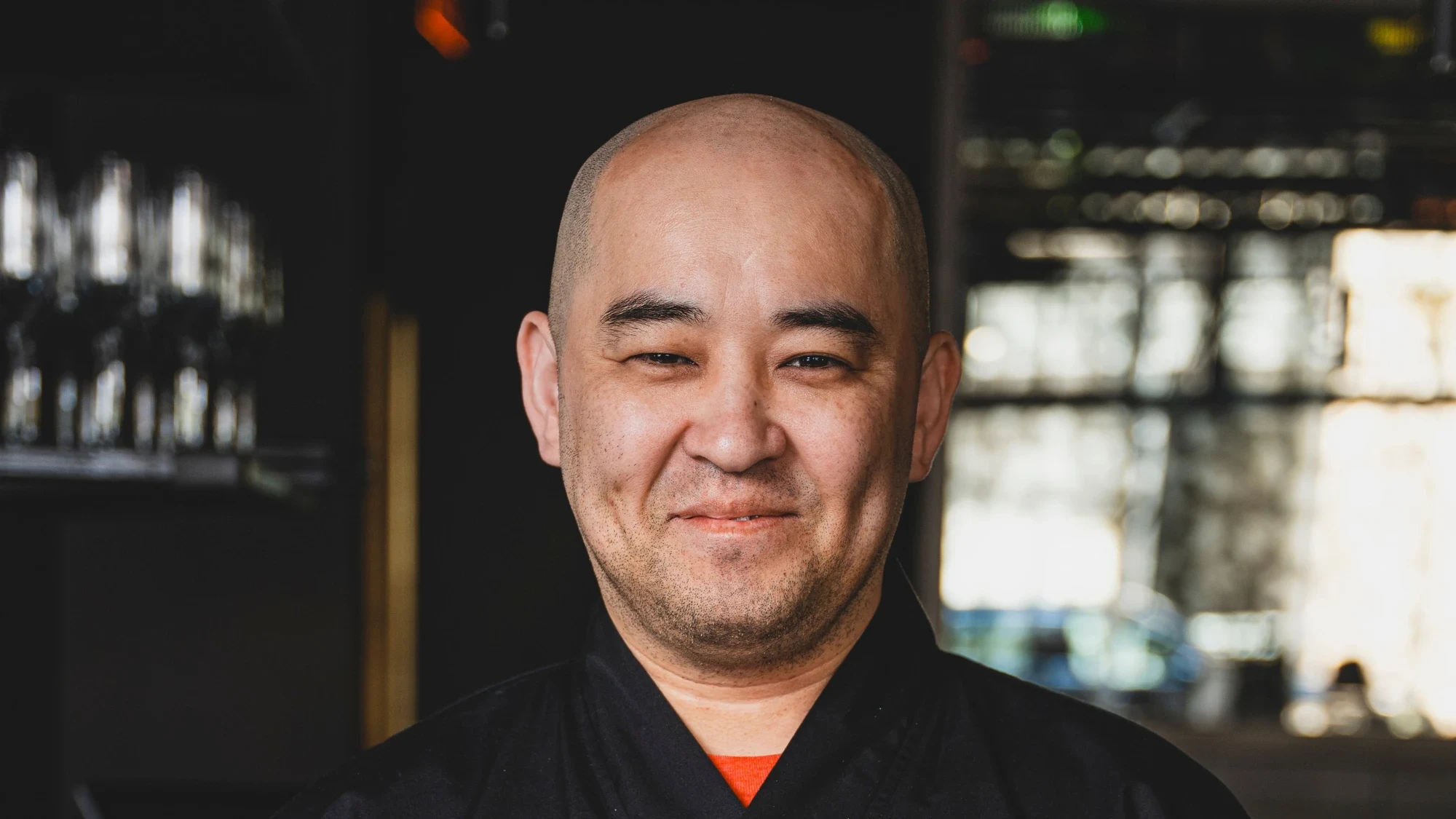
Masa Takayama
Chef
- 01CuisineTraditional Japanese Omakase
- 02CityNew York City, United States
- 03RecognitionThree Michelin Stars
From the people index
Recommended by
One trusted voice points here.
- 3 Michelin Stars · Michelin Guide
- World's 50 Best · #27 · World's 50 Best Restaurants
- Opinionated About Dining Top Restaurants in North America Recommended · 2026
- Forbes 5-Star · 2026
- Opinionated About Dining Top Restaurants in North America Ranked #92 · 2026
- La Liste Top Restaurants: 83pts · 2026
- Opinionated About Dining Top Restaurants in North America Ranked #67 · 2025
- Michelin 2 Stars · 2025
- Opinionated About Dining Top Restaurants in North America Ranked #387 · 2025
- La Liste Top Restaurants: 89pts · 2025
- Forbes 5-Star · 2025
- Opinionated About Dining Top Restaurants in North America Ranked #388 · 2024
- Opinionated About Dining Top Restaurants in North America Ranked #75 · 2024
- Opinionated About Dining Top Restaurants in North America Ranked #56 · 2023
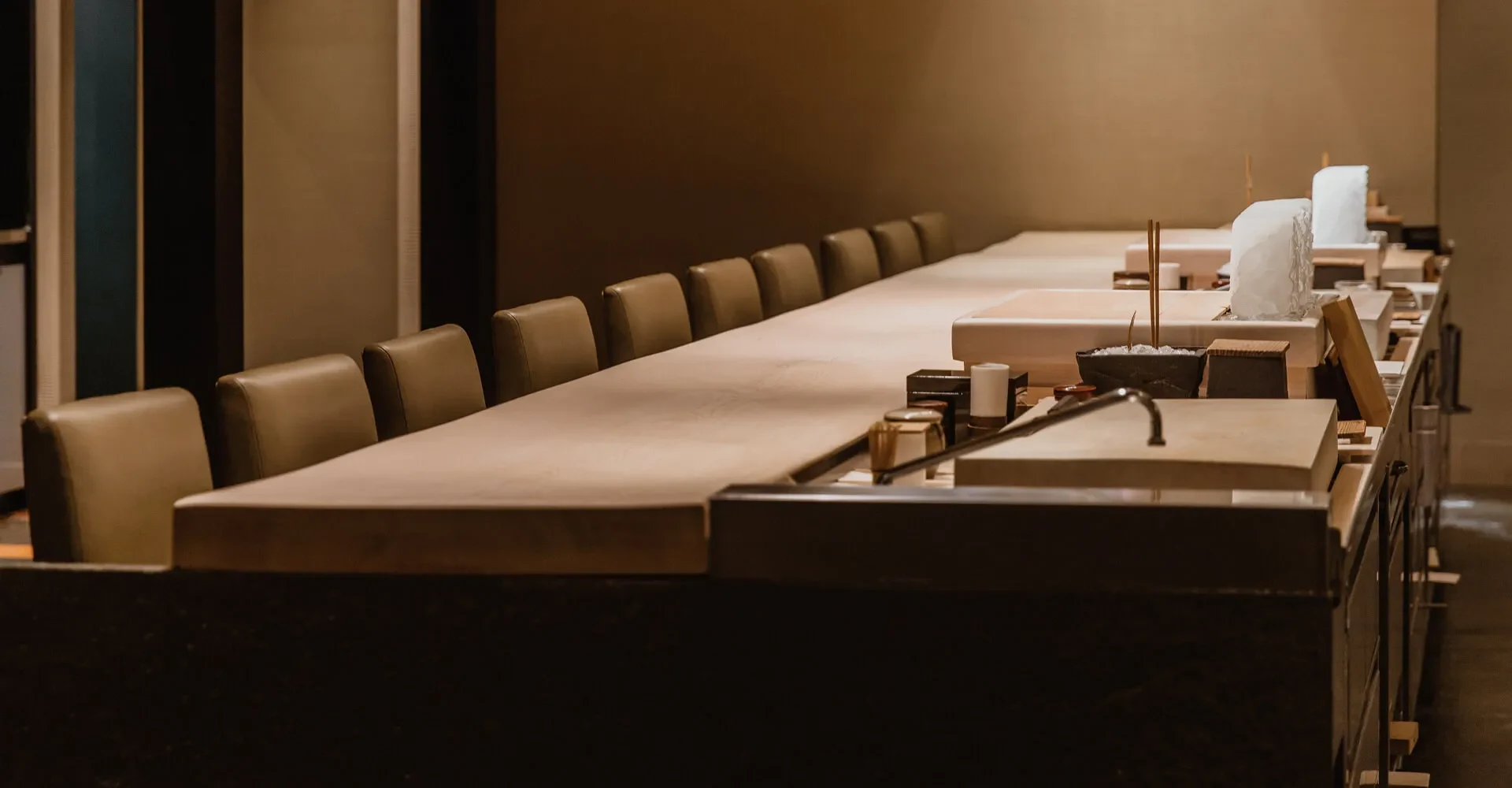
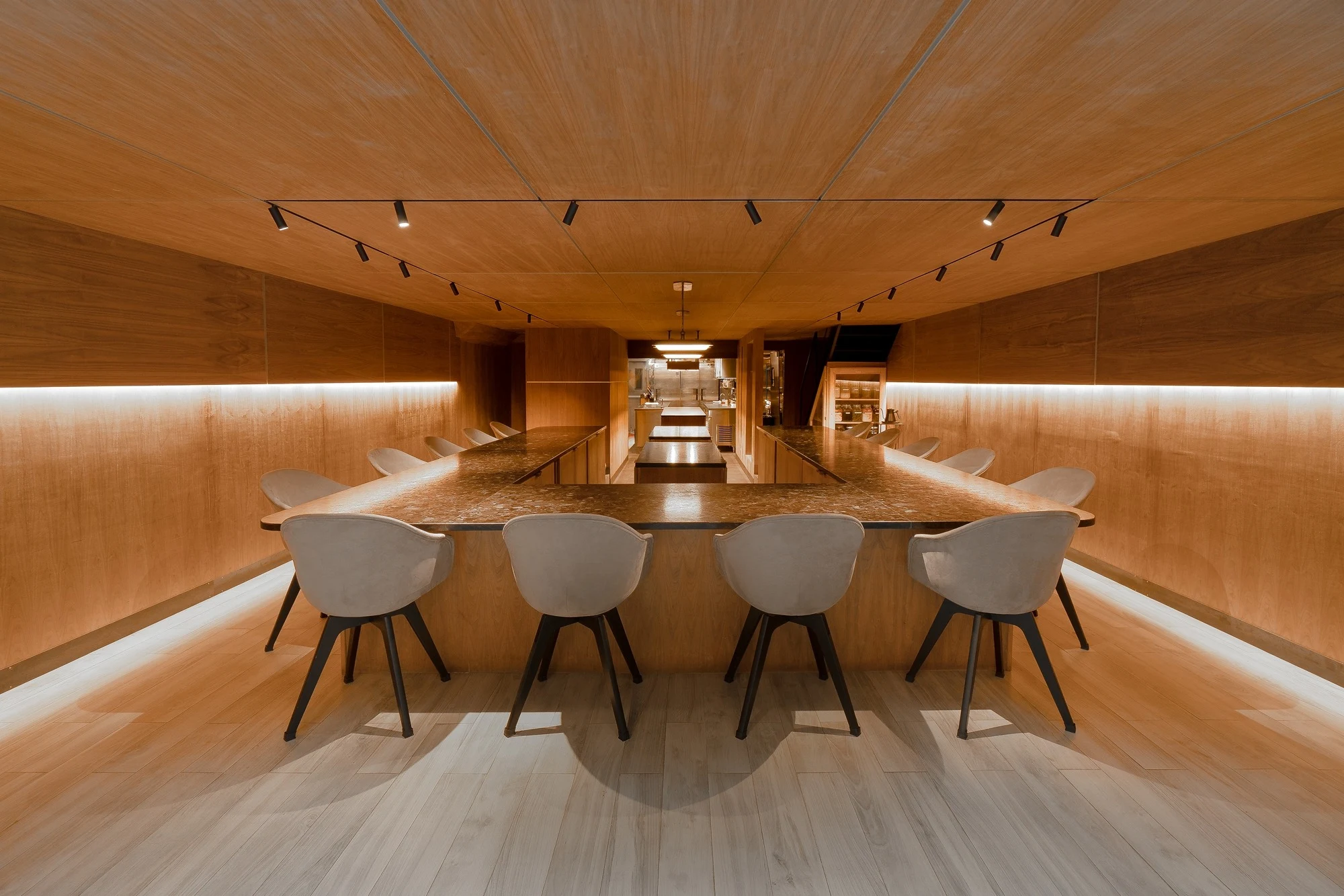
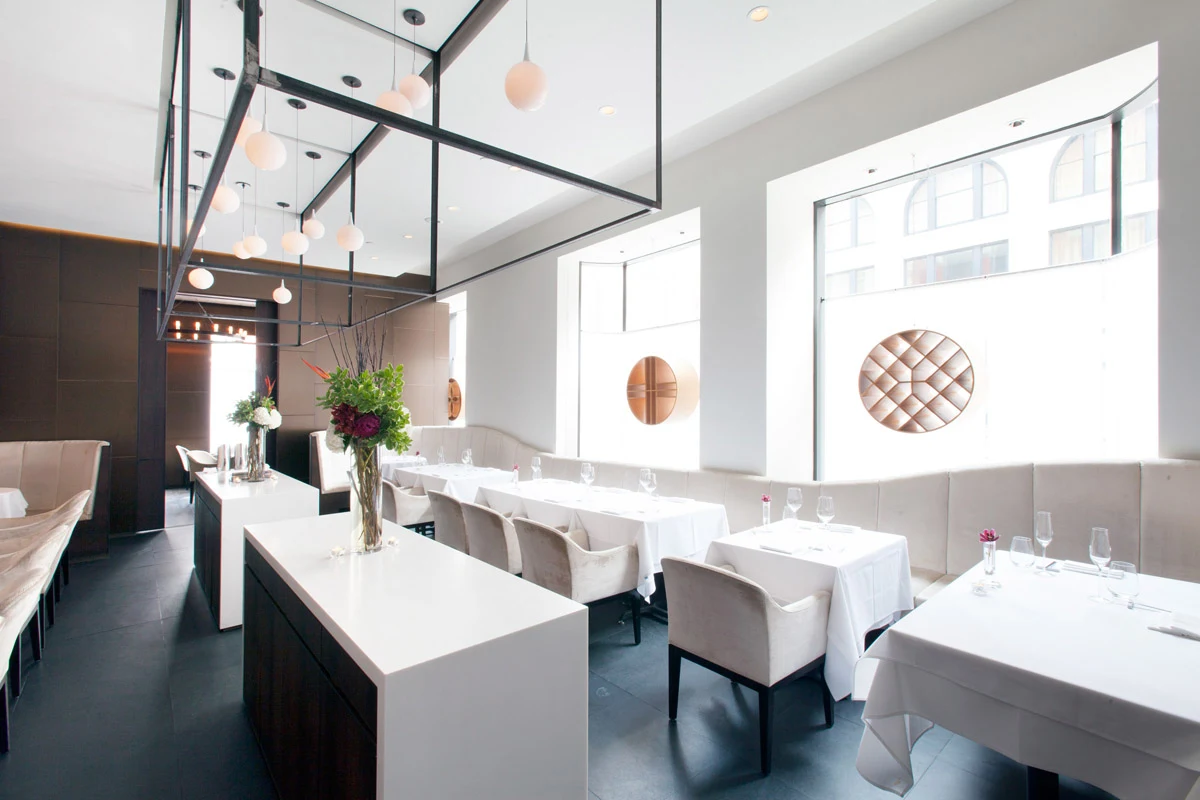
The approach is deliberately disorienting: a luxury counter in New York City, where the city’s glare yields to restraint. The visual grammar is quiet rather than theatrical: a pale counter, close attention, and service that treats silence as composition. In a city where tasting-counter dining can become status marker and copyable format, Masa occupies the severe end: fewer choices, higher stakes, and a meal structured as sequence rather than menu.
That structure matters. The governing idea is closer to a formal progression than a parade of luxury toppings, even when ingredients are expensive. The pre-set meal is best understood through pacing, temperature, seasonality, and the shift from composed preparations to precise counter work, not abundance. New York has many rooms selling intimacy; far fewer commit so fully to the logic that a meal unfolds by cadence, not customer negotiation.
The Sunday letter
Find new places through the people who run them.
Our Sunday email brings you the chefs, winemakers and hoteliers behind our newest stories. See a sample before you subscribe.
See a sample of the Sunday emailOne email a week. Unsubscribe from any issue.
A formal counter sequence in a city crowded with counters
The New York dining scene now splits into orthodox counters, luxury rooms leaning on rare ingredients, and more accessible tasting formats compressed into shorter sittings. Masa belongs to the high-ceremony tier, where value is judged through format discipline, control, and awards recognition rather than portion math. Its 2026 Opinionated About Dining recognition puts it in a small competitive set before the first course arrives.
Masa’s reputation matters as credential, not personality story. New York’s premium counter-dining culture has matured beyond simple importation. Counters such as Sushi Yasuda, Sushi Amane, Sushi Noz, Kosaka, and Sushi Nakazawa frame the category through different versions of technique, hospitality, and price signaling. Masa is more austere: controlled progression, an intimate room, and little interest in softening the experience for diners wanting flexibility.
The strongest reading is as a seasonal sequence filtered through New York luxury. Descriptions of the restaurant tend to emphasize composed opening dishes before the meal narrows into counter precision. The range is not merely expensive ingredients, but progression: temperature, seasoning, hand work, and the move from broader composition to tightly focused bites. What matters is less a checklist of items than how the sequence gathers authority as it moves.
The room asks for attention, not performance
Luxury dining in New York often announces itself through volume: larger rooms, deeper beverage programs, elaborate lighting, and the sense that the dining room is partly a stage. Masa moves the other way. The counter is the focal point, and the better experience is watching the work at close range. The room’s design signals how the restaurant expects diners to engage: eyes forward, questions welcome, phone theatrics unnecessary.
That counter focus explains why the atmosphere can feel calmer than its reputation suggests. Formality is in the choreography, not necessarily the dress code. The city’s expense-account dining rooms often make luxury feel corporate; here, premium cues are controlled pacing, material restraint, and the absence of menu deliberation. The result is not casual, but less stiff than many expect from an elite counter. The pressure comes from attention: intimate room, set progression, high expectations, and little distance between diner and craft.
The beverage side is best read as part of that structure rather than as a separate luxury display. Pairing logic can have a clear role with temperature, richness, salinity, and the move from cooked or composed dishes into more focused counter work. That matters against other high-end rooms in New York: wine can work, but the most convincing pairings are those that support texture and pacing rather than overwhelm them.
How to read Masa against New York's counter dining scene
The decision depends on the kind of meal the diner wants. If the priority is a slightly more flexible night, New York has other serious counters. If it is a full, pre-set sequence with formal logic, hard ceremony, and recognized standing, Masa is the sharper match. The meal is not designed for compromise, which is the appeal. It reduces the guest’s role to attention, appetite, and trust.
That distinction reaches beyond any single room. New York City’s dining scene includes specialized formats, casual interpretations, and luxury experiences that should not be judged by the same criteria. The comparison clarifies the point: not every counter meal should answer the same question. This counter lives or dies by progression, timing, and the room’s authority.
For broader city planning, place Masa inside a New York itinerary that treats destination dining as one part of a larger hospitality map, not a standalone trophy. It sits within a city where serious dining, hotels, bars, cultural programming, and retail overlap tightly; useful companions are the broader New York City restaurants guide, the New York City hotels guide, the New York City bars guide, the New York City wineries guide, and the New York City experiences guide. For a wider American dining contrast, look to other regional dining rooms generically, where local identity, casual formats, and luxury ceremony answer different questions.
The verdict is precise: Masa is for diners who want New York dining at its strictest luxury register, where sequence, counter craft, and seasonality matter more than choice. The recognition case includes its 2026 Opinionated About Dining listing, but the deeper reason to care is the format. In a market crowded with tasting counters, this version treats restraint as the main event.
Questions
Frequently asked
What recognition does Masa hold?
Masa holds 3 Michelin stars and a place on the World's 50 Best list at number 27.
Who works at Masa?
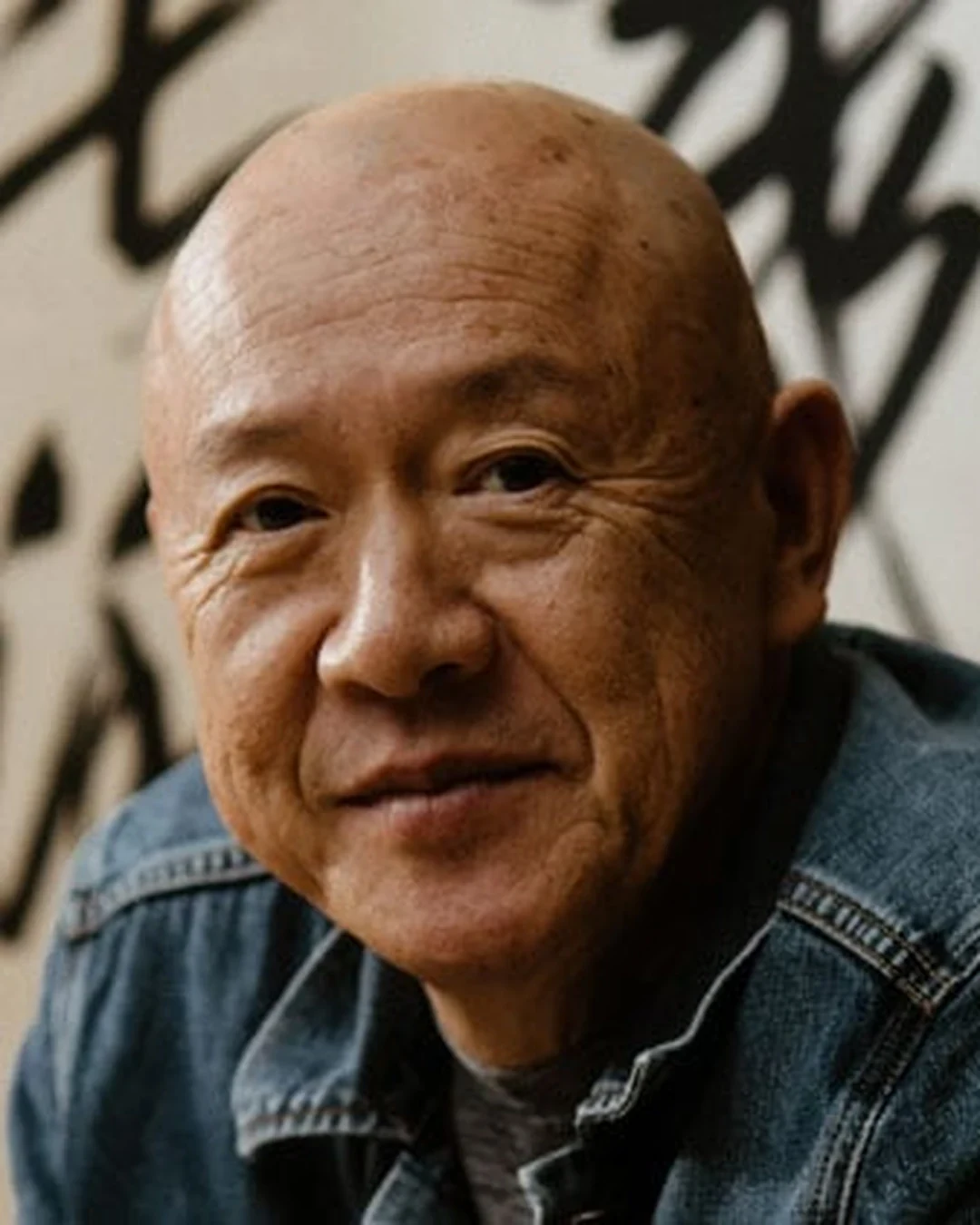
Made By profiles Masa Takayama (Chef) and Masayoshi Takayama (Chef) at Masa.
How expensive is Masa?
Masa is listed at a price level of $$$$.
Where is Masa and what does it serve?
Masa is in Upper West Side-Lincoln Square, New York City, serving Traditional Japanese Omakase.
The field
How it compares
| Place | Awards | Cuisine | Notes |
|---|---|---|---|
| Masa | Michelin 3 Stars, World's 50 Best #27 | Traditional Japanese Omakase | Upper West Side-Lincoln Square, $$$$ |
| Atomix | Michelin 2 Stars, World's 50 Best | Modern Korean Tasting Menu | New York City |
| Daniel | Michelin 1 Star, World's 50 Best | Modern French Fine Dining | New York City |
| Eleven Madison Park | Michelin 3 Stars, World's 50 Best | Contemporary Plant-Based Fine Dining | New York City |
| Jungsik New York | Michelin 3 Stars, World's 50 Best | Modern Korean Fine Dining | New York City |
| Kabawa | World's 50 Best | Modern Caribbean Prix Fixe | New York City |
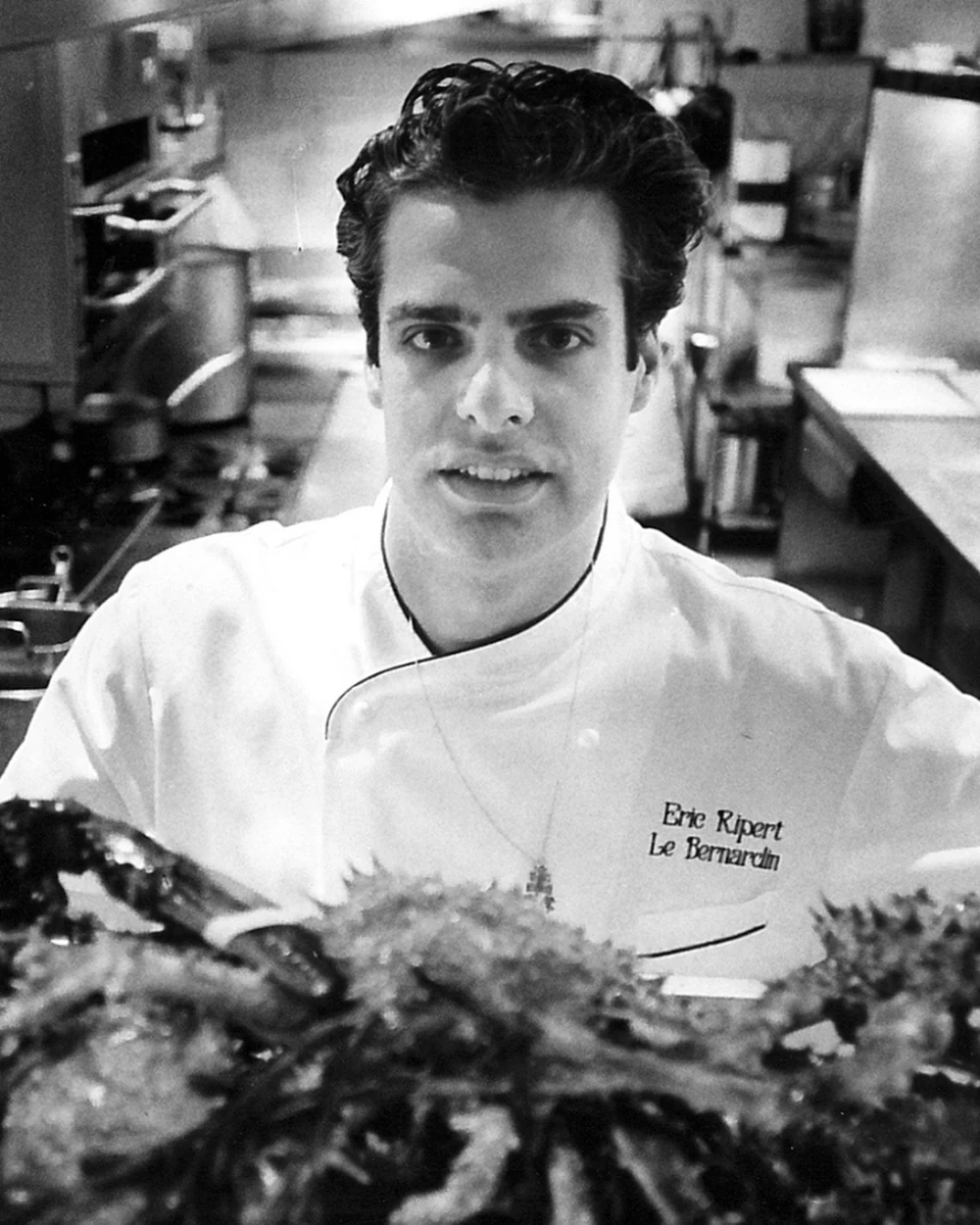
| Le Bernardin | Michelin 3 Stars, World's 50 Best | French Seafood Fine Dining | New York City |
In residence
Featured in
Similar places
Modern Korean Tasting Menu
Atomix
New York City, United States
★★ · 50 Best
Modern French Fine Dining
Daniel
New York City, United States
★ · 50 Best
Contemporary Plant-Based Fine Dining
Eleven Madison Park
New York City, United States
★★★ · 50 Best
Modern Korean Fine Dining
Jungsik New York
New York City, United States
★★★ · 50 Best
Modern Caribbean Prix Fixe
Kabawa
New York City, United States
50 Best
French Seafood Fine Dining
Le Bernardin
New York City, United States
★★★ · 50 Best
The Sunday letter
Get the next Made By story in your inbox.
We send one email every Sunday morning with the places and people we covered that week.
See a sample of the Sunday emailOne email a week. Unsubscribe from any issue.