The Cambridge Public House
In Residence
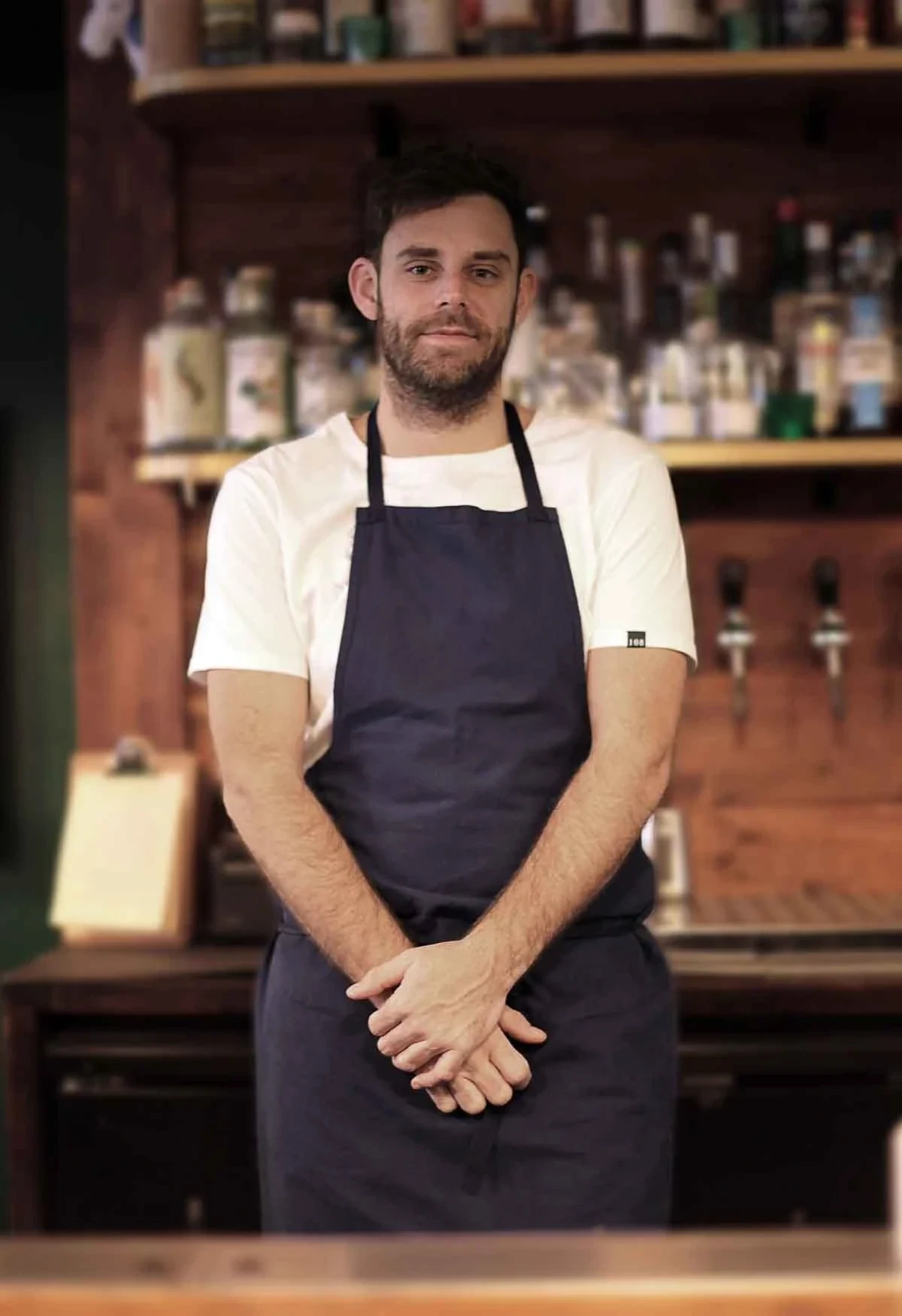
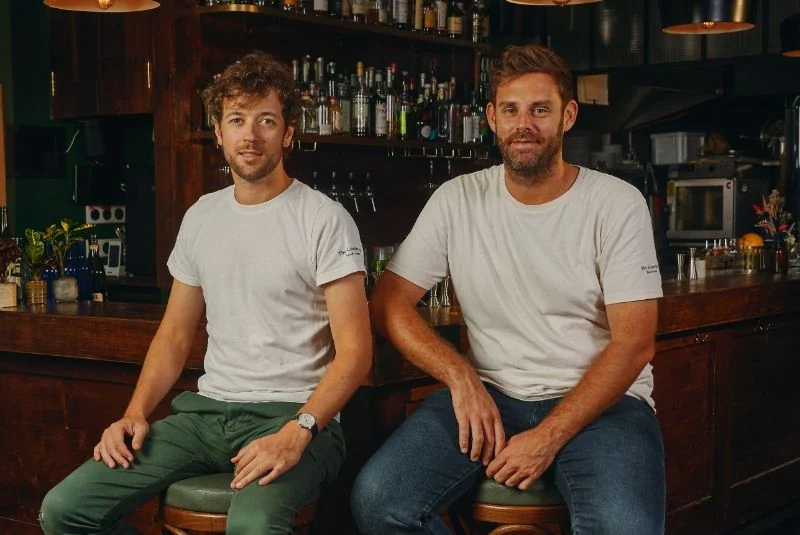
Hugo Gallou
Co Founder
- 01CityParis, France
- 02RecognitionWorld's 50 Best — No. 19
- World's 50 Best · #19 · World's 50 Best Restaurants
- Tales Spirited Awards Best International Bar Team – Europe Regional Top 10 Honoree · 2026
- Pinnacle Guide 2 Pins · 2026
- World's 50 Best Europe's Best Bars #7 · 2026
- Top 500 Bars Best Bars #14 · 2025
- World's 50 Best Best Bars #20 · 2025
- World's 50 Best Best Bars #19 · 2024
- World's 50 Best Best Bars #38 · 2023
Where the English Pub Format Meets French Cocktail Rigour
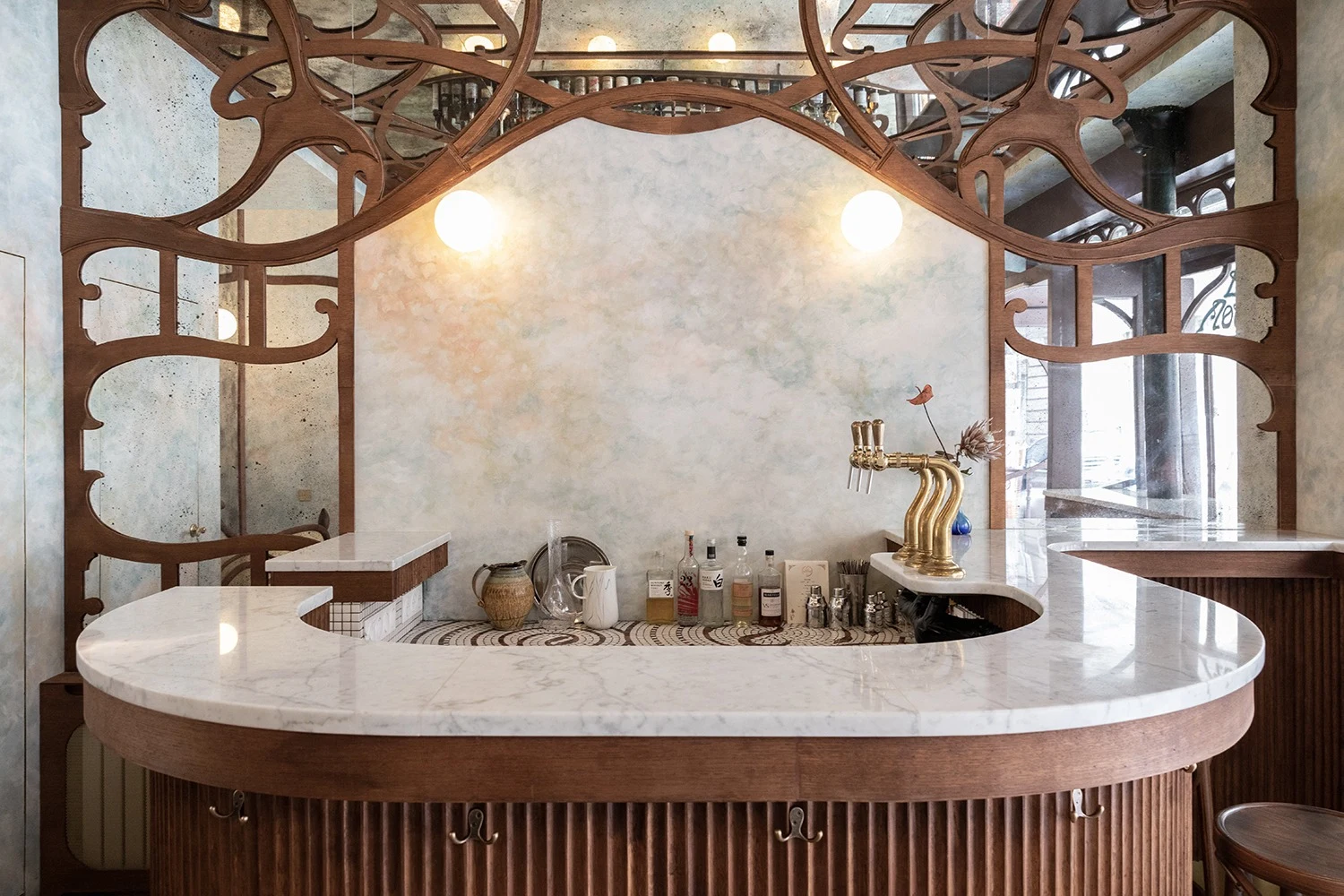
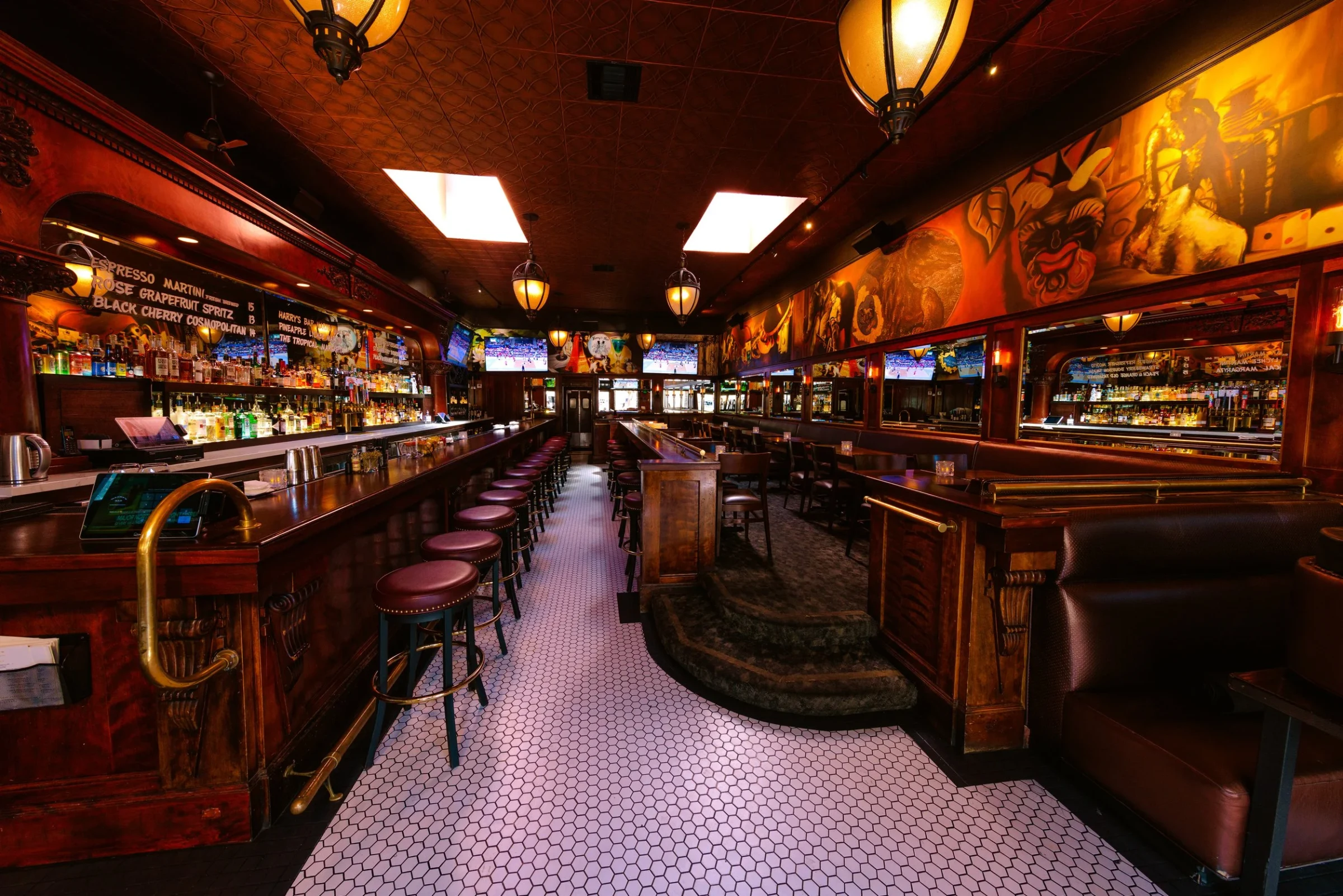
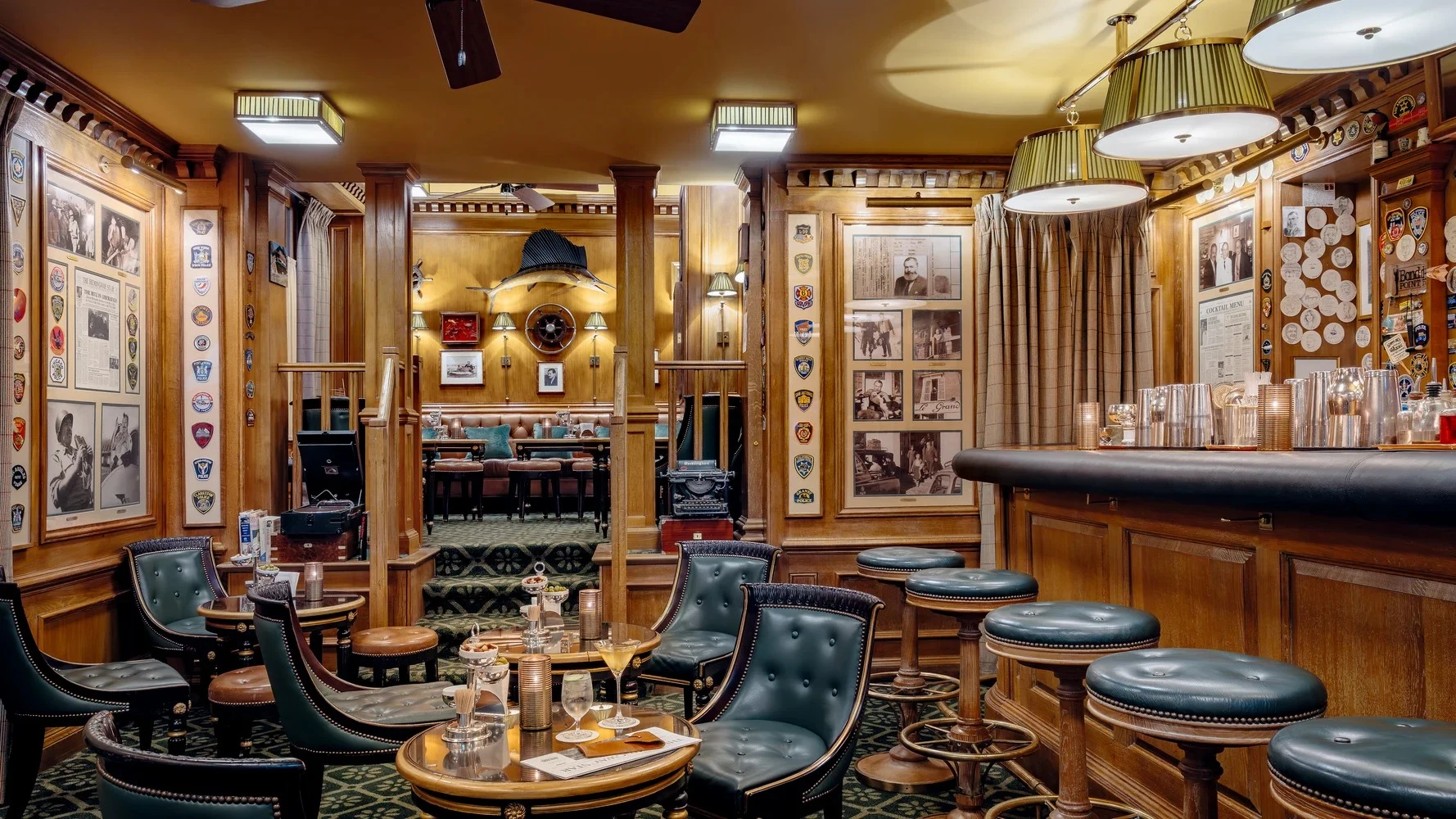
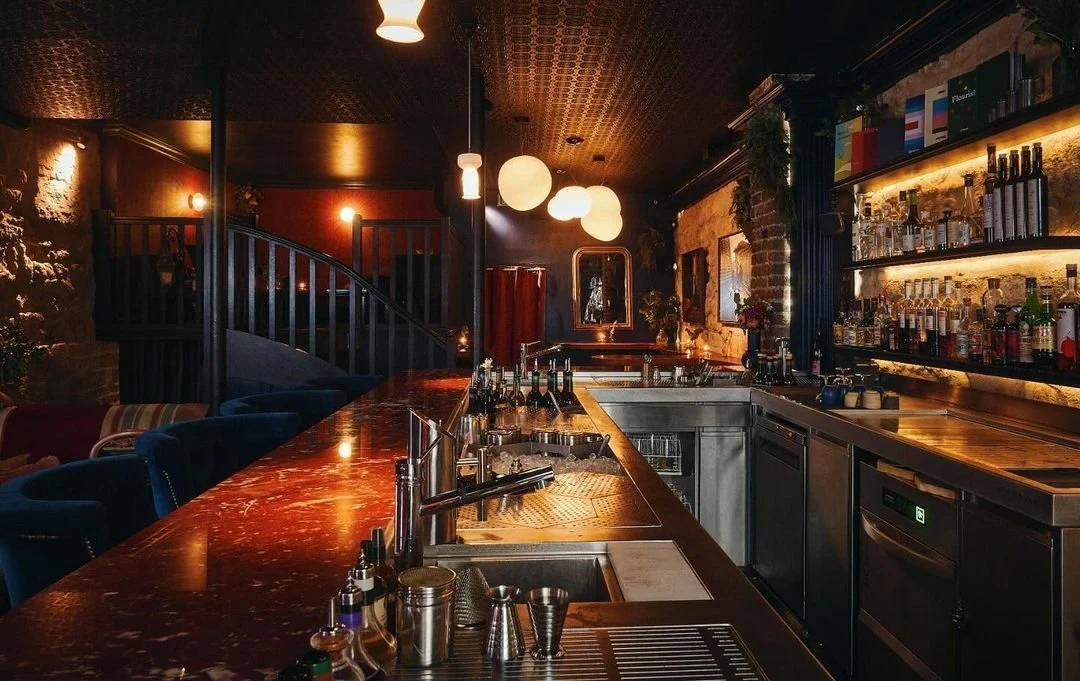
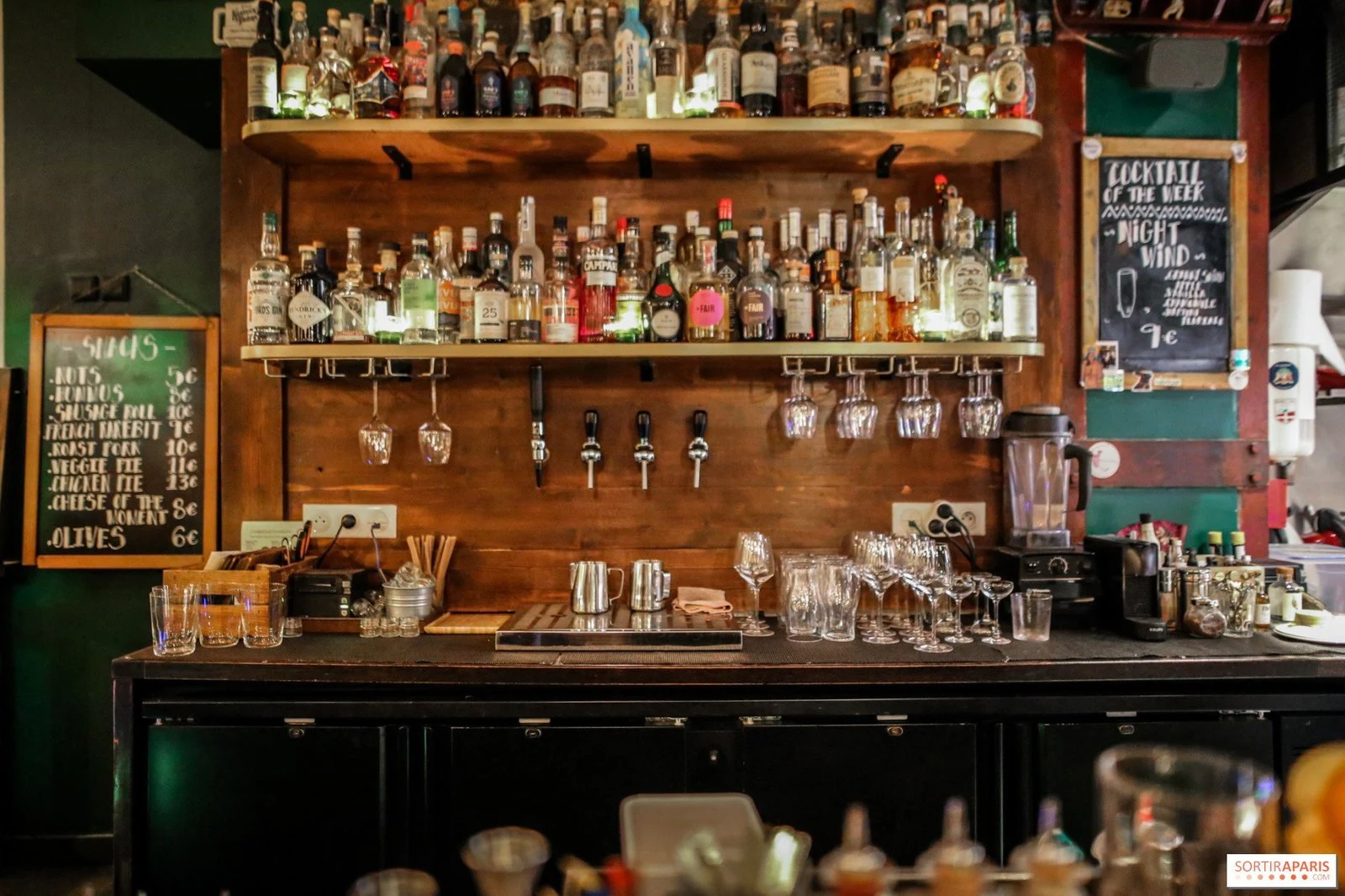
Rue de Poitou runs through the Haut-Marais, a stretch of the 3rd arrondissement where concept-driven retail sits alongside food and drink addresses that take their craft seriously. At number 8, The Cambridge Public House occupies that territory literally and philosophically. The room reads as a pub, warm, communal, built around the bar itself, but the precision behind what arrives in the glass puts it squarely in a comparable set that includes the most recognised cocktail programmes in Europe.
The pub format is not an aesthetic shortcut here. Across global bar culture, the English public house model carries a specific social contract: everyone is welcome, the counter belongs to the room, and the atmosphere is shaped by the people in it rather than imposed from above. Co-founded in 2019 by Hyacinthe Lescoët, one of the more prominent figures in Paris's bartending scene, The Cambridge was designed to activate that contract in a city that has historically preferred more structured, theatrical drinking environments. The result is a bar that feels genuinely easy to be in while running a programme ranked #14 in the Top 500 Bars (2025) and #19 in the World's 50 Best Bars (2024).
The Anglo-French Divide, Resolved at the Bar
Paris's leading cocktail bars have generally moved in one of two directions over the past decade: towards high-concept, reservations-only formats with tight menus and prescribed experiences, or towards democratic neighbourhood addresses where the drinks are secondary to the room. The Cambridge refuses that split. Its drinks list acknowledges both sides of the Channel without making the comparison feel forced.
The Pimm's reinterpretation, currently built on Alsatian wine, St. Germain, and gin, is the clearest expression of this dual register. It takes a drink that sits at the centre of English summer drinking culture and reconstructs it using French regional ingredients, producing something that earns a place on the permanent menu because it works, not because it tells a tidy story. Cigarette After Sex has been on the list since opening in 2019, which in a city where menus rotate frequently is itself a form of editorial confidence. The Guinness is poured with the care the format demands.
The food side of the programme follows the same logic. Bar snacks lean British in form, meat and vegetable pies, sausage rolls, but are built using French ingredients. This is a practical statement as much as a cultural one: sourcing locally while holding to a format associated with another culinary tradition. In Paris, where the orthodoxies around French produce run deep, it is a considered position.
Sustainability as Operational Architecture, Not Decoration
Bar sustainability has become a visible conversation across the drinks industry, with venues making varying degrees of commitment to waste reduction, ethical sourcing, and supply chain transparency. The Cambridge has pursued this more formally than almost any peer. In 2023, it became the first bar in the world to achieve B Corp certification, a third-party accreditation that evaluates social and environmental performance against a standard rigorous enough that most hospitality businesses do not attempt it.
The bar documents its commitments in an annual Environmental, Social and Governance report, which tracks specific metrics rather than offering general intention. It has also launched Shaken Leaf, a website directed at sharing knowledge about sustainable hospitality practice more broadly. These are structural commitments, not positioning exercises, and they place The Cambridge in a different category from bars that use sustainability language without institutional accountability.
Within the Paris bar scene, this positions The Cambridge as a reference point for operators asking how to run a community-facing bar without externalising environmental costs. Peer addresses in the city, Candelaria, Danico, Bar Nouveau, Buddha Bar, each occupy different points on the spectrum between craft precision and atmospheric hospitality. The Cambridge occupies both ends simultaneously while carrying a governance framework none of them have formalised.
Where It Sits in the Paris Bar Conversation
Paris has long had a cocktail culture, but the city's reputation in global bar rankings has strengthened considerably in the years since venues like Candelaria demonstrated that a relaxed, accessible format could sit alongside rigorous technique. The Cambridge enters that conversation from a distinct angle: it packages the pub model as its primary identity while sustaining the kind of drinks programme that earns consecutive placements in the World's 50 Best Bars (ranked #38 in 2023, #19 in 2024). That upward trajectory over two years is the kind of movement that signals a programme gaining rather than consolidating ground.
France's bar scene beyond Paris also carries addresses worth tracking. Papa Doble in Montpellier, Au Brasseur in Strasbourg, Bar Casa Bordeaux in Bordeaux, Côté Vin in Toulouse, La Maison M. in Lyon, and Le Café de la Fontaine in La Turbie represent the breadth of what French bar culture produces outside the capital. For context on international comparison, Bar Leather Apron in Honolulu offers a useful counterpoint on how a bar achieves global ranking from a geographically peripheral position.
Planning Your Visit
The Cambridge is at 8 Rue de Poitou in the 3rd arrondissement, within walking distance of the Marais's core concentration of bars and restaurants. It is at 8 Rue de Poitou in the 3rd arrondissement.
Questions
Frequently asked
What recognition does The Cambridge Public House hold?
The Cambridge Public House holds a place on the World's 50 Best list at number 19.
Who works at The Cambridge Public House?
Made By profiles Hugo Gallou (Co-Founder and Co-Owner) and Hyacinthe Lescoët (Co-Founder and Co-Owner) at The Cambridge Public House.
How expensive is The Cambridge Public House?
The Cambridge Public House is listed at a price level of $$.
The field
How it compares
| Place | Awards | Notes |
|---|---|---|
| The Cambridge Public House | World's 50 Best #19 | Le Marais, $$ |
| Bar Nouveau | World's 50 Best | Paris |
| Candelaria | World's 50 Best | Paris |
| Danico | World's 50 Best | Paris |
| Harry's Bar | World's 50 Best | Paris |
| Hemingway Bar | World's 50 Best | Paris |
| Little Red Door | World's 50 Best | Paris |