The Compound Restaurant
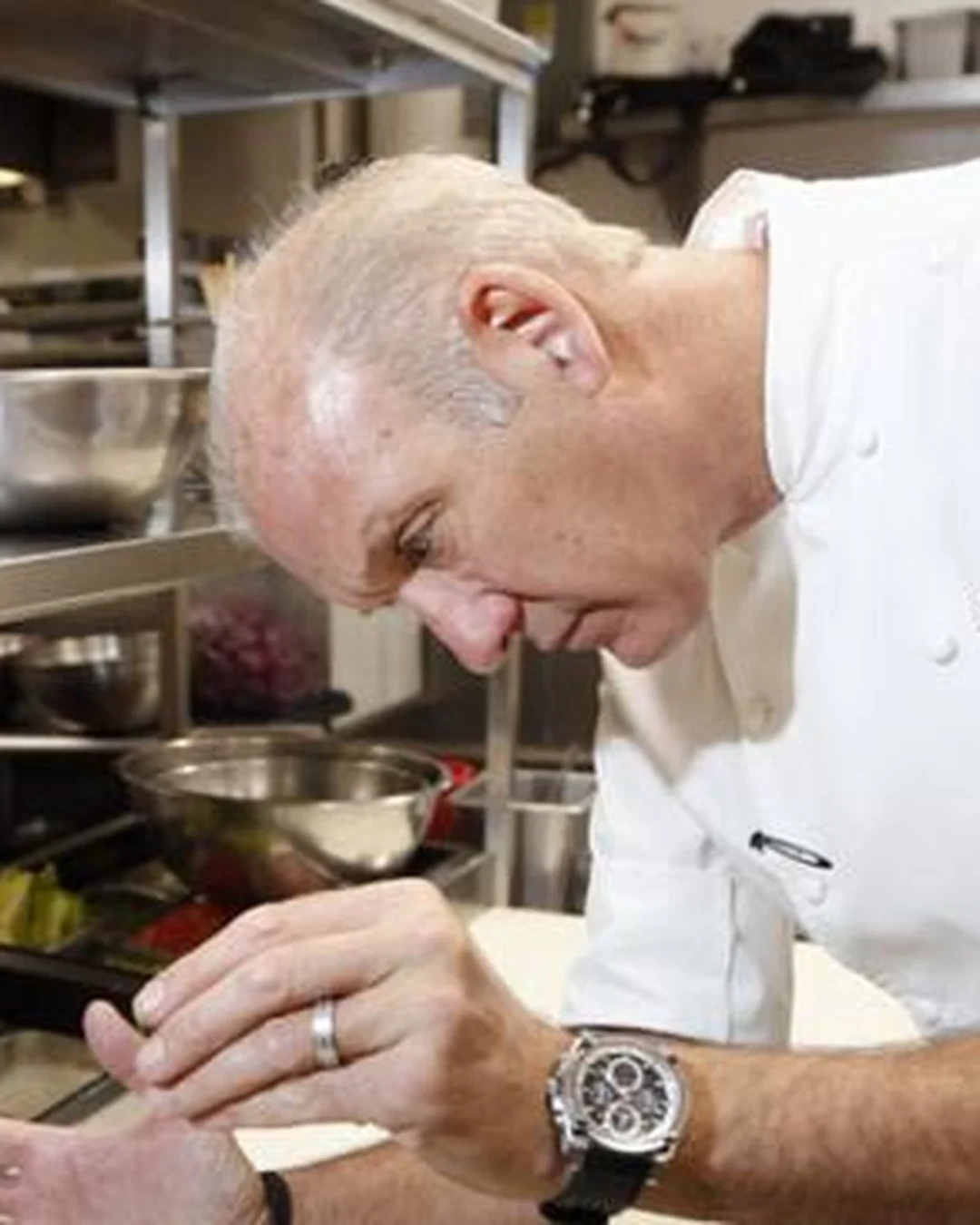
In Residence
Mark Kiffin
Other
- 01CuisineContemporary American
- 02CitySanta Fe, United States
Canyon Road and the Case for Formal Dining in a Casual City
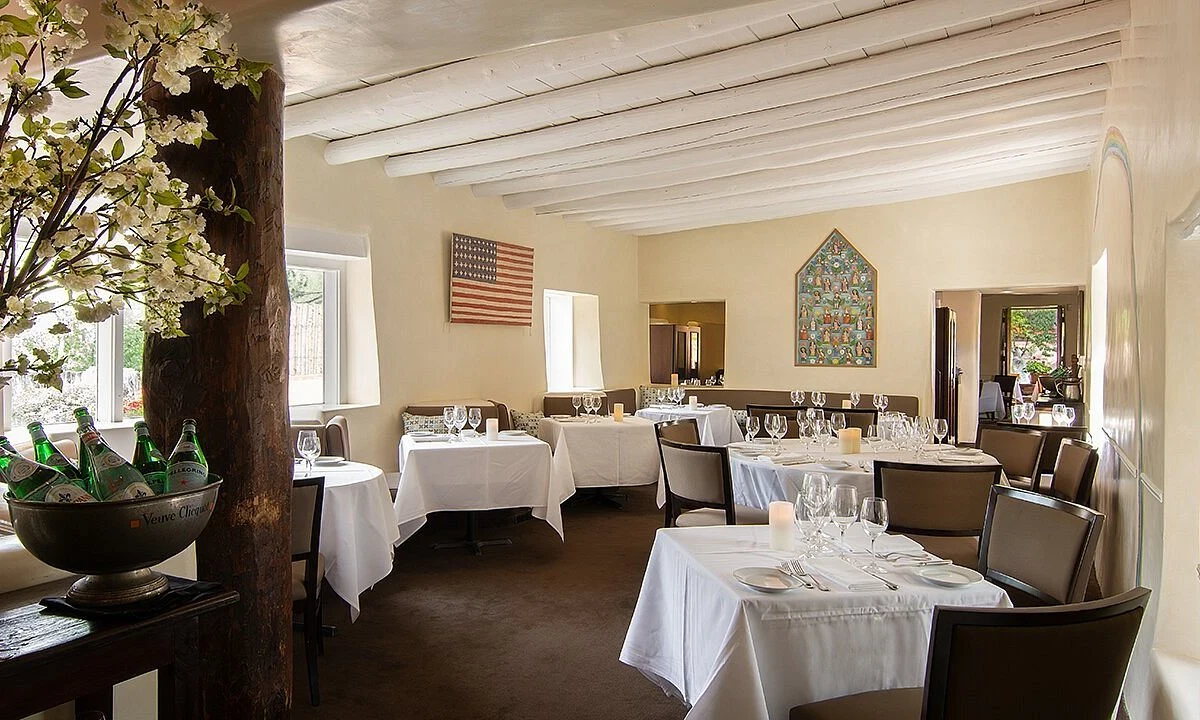
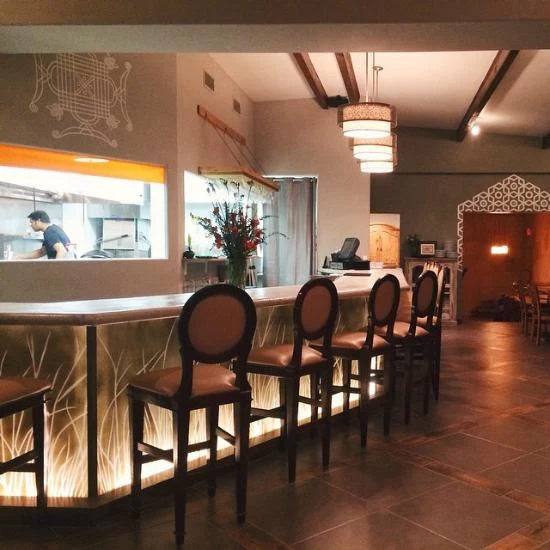
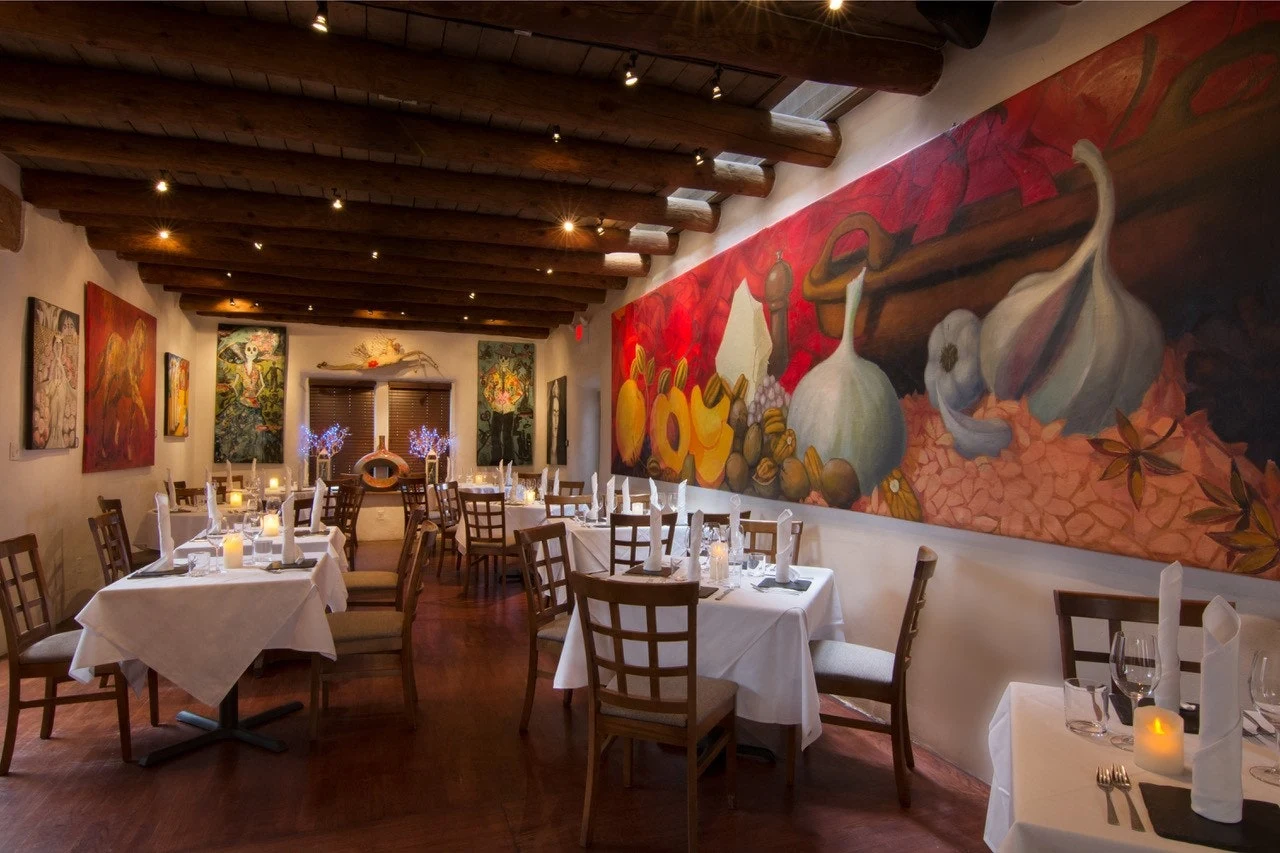
Santa Fe's dining identity has always pulled in two directions. On one side sits the chile-stained, hand-rolled tradition that runs from Sazón (New Mexican) through to neighborhood spots where sopapillas arrive without asking. On the other sits a smaller, quieter tier of rooms that attempt formal structure in a city that wears turquoise and denim to most meals. The Compound Restaurant, at 653 Canyon Road, has occupied that second position for years. The adobe architecture that frames it belongs to Canyon Road itself, a stretch of galleries and converted compounds that represents the city's strongest argument for its own cultural seriousness. Approaching the restaurant, the distinction from the street's gallery commerce is subtle but deliberate: this is a space arranged around a dining occasion, not a browse.
What the Menu Structure Reveals About the Restaurant's Intentions
In American fine dining broadly, menu architecture functions as a declaration of intent. A kitchen that offers three courses with rigid progression signals classical European training and a belief in controlled pacing. A kitchen that blends à la carte flexibility with tasting-format options signals commercial pragmatism alongside technique ambition. The Compound's format, which operates closer to the classical American fine dining model, positions it in a peer group that includes destination rooms rather than Canyon Road neighbors. Where 229 Galisteo St and Alkemē have staked out more contemporary, ingredient-driven identities in recent years, The Compound has held its structural ground.
The Sunday email
Read about the people behind restaurants like The Compound Restaurant in the Sunday email.
Every Sunday we send a lead story and up to four more about the chefs, winemakers, sommeliers and hoteliers behind the restaurants, bars, wineries and hotels we cover.
Recent stories
Free. One email a week, and you can unsubscribe from any issue.
That structural conservatism is not without logic. Santa Fe's visitor profile skews older and wealthier than many comparable arts cities, and a recognizable menu architecture, protein-led mains, starter and dessert bookends, a wine list organized by varietal region, reduces the cognitive load for diners whose primary agenda is the setting and the occasion rather than a kitchen's theoretical framework. What the menu reveals, in other words, is a restaurant that has made a calculated bet on legibility over experimentation. The bet has held for decades in a market where novelty-driven concepts often cycle out within a few years.
The regional inflection appears in sourcing signals rather than in overt New Mexican cuisine construction. This is not a chile verde restaurant. The adobe walls and the high desert light filtering through the courtyard do more visible work of placing diners in New Mexico than the menu does, and that division of labor is itself an editorial choice about what kind of experience the restaurant is selling. Compare this with Sazón, which foregrounds New Mexican cuisine as its entire premise, or Back Road Pizza and Bert's Burger Bowl, which make no claim to fine dining at all. The Compound sits between those camps by design.
Positioning Against the National Fine Dining Tier
Placed against the national fine dining map, The Compound operates in a regional bracket that is distinct from destination-first rooms. Le Bernardin in New York City, The French Laundry in Napa, or Blue Hill at Stone Barns in Tarrytown require travel as a core part of the booking rationale. Lazy Bear in San Francisco, Smyth in Chicago, and Atomix in New York City anchor their reputations in format innovation and critical recognition. The Compound operates differently: it is a city's formal dining anchor, the room that serves a function within Santa Fe's hospitality ecosystem that no other address quite replicates. In that sense it has more in common with Emeril's in New Orleans or The Inn at Little Washington in Washington as a place that defines a city's upper register rather than chasing a global ranking position.
That role matters for how the room is used. Anniversary dinners, business meals conducted over expense accounts, pre-opera or pre-concert occasions, post-opening celebrations during the summer gallery season: the occasions that fill The Compound's calendar are structured around the room as social infrastructure, not around menu discovery. Rooms that serve this function, from Providence in Los Angeles to Addison in San Diego and Single Thread Farm in Healdsburg, each occupy a different position in their local hierarchy, but share the characteristic of being the room a city's residents reach for when the occasion demands a certain gravity.
The Canyon Road Context
Canyon Road is a useful frame for understanding what The Compound is selling beyond the plate. The street runs roughly a mile from Paseo de Peralta toward the foothills, lined with over a hundred galleries, historic adobes, and a handful of restaurants and cafes. It draws a visitor who has already self-selected for cultural seriousness: someone who spends an afternoon looking at sculpture priced in the tens of thousands does not, typically, follow that afternoon with a fast-casual dinner. The Compound is positioned precisely to capture that visitor at the end of their Canyon Road circuit. The courtyard and the architectural envelope do significant hospitality work before any food arrives. In this geography, the setting is part of the menu.
That dynamic places The Compound in a category that restaurants in more competitive urban markets rarely occupy so cleanly. In Santa Fe, the combination of location and formal structure creates a rare hold on a specific dining occasion. For the broader context of Santa Fe's dining scene, our full Santa Fe restaurants guide maps the city's full range, from New Mexican tradition to the newer generation of ingredient-focused rooms. Internationally, rooms that marry historic architecture with fine dining ambition, such as Atelier Moessmer Norbert Niederkofler in Brunico, demonstrate how setting and menu can operate as a unified argument. The Compound makes a version of that argument for the American Southwest.
Questions
Frequently asked
Who works at The Compound Restaurant?
Made By profiles Mark Kiffin (Other) at The Compound Restaurant.
How expensive is The Compound Restaurant?
The Compound Restaurant is listed at a price level of $$$$.
Where is The Compound Restaurant and what does it serve?
The Compound Restaurant is in Canyon Road, Santa Fe, serving Contemporary American.
The field
How it compares
| Place | Cuisine | Notes | Awards |
|---|---|---|---|
| The Compound Restaurant | Contemporary American | Canyon Road, $$$$ | · |
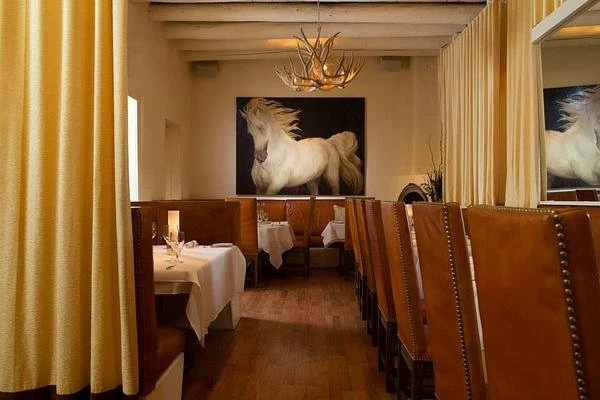
| Geronimo | Global Eclectic Fine Dining | Santa Fe | · |
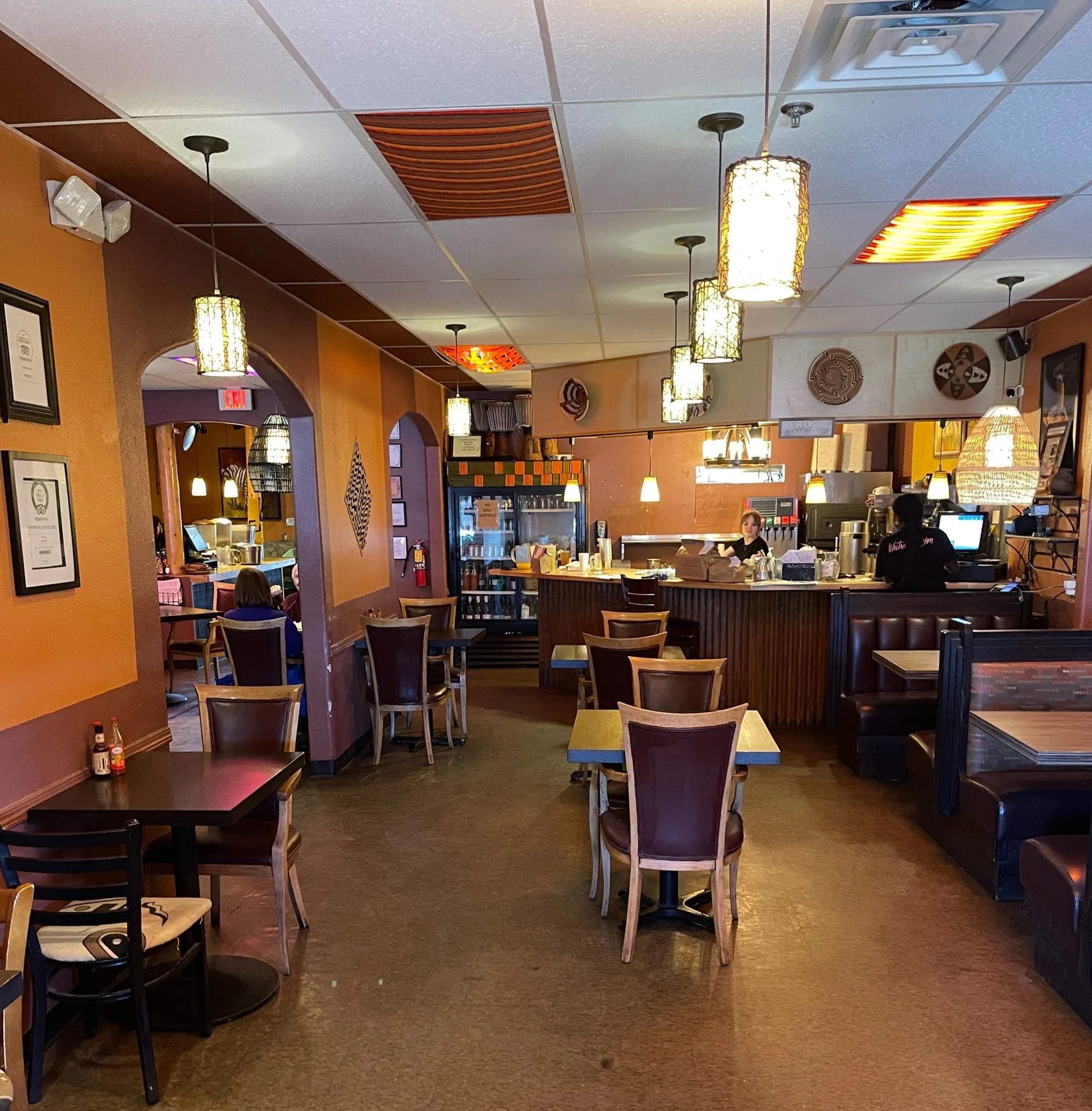
| Jambo Cafe | African & Caribbean Fusion | Santa Fe | · |
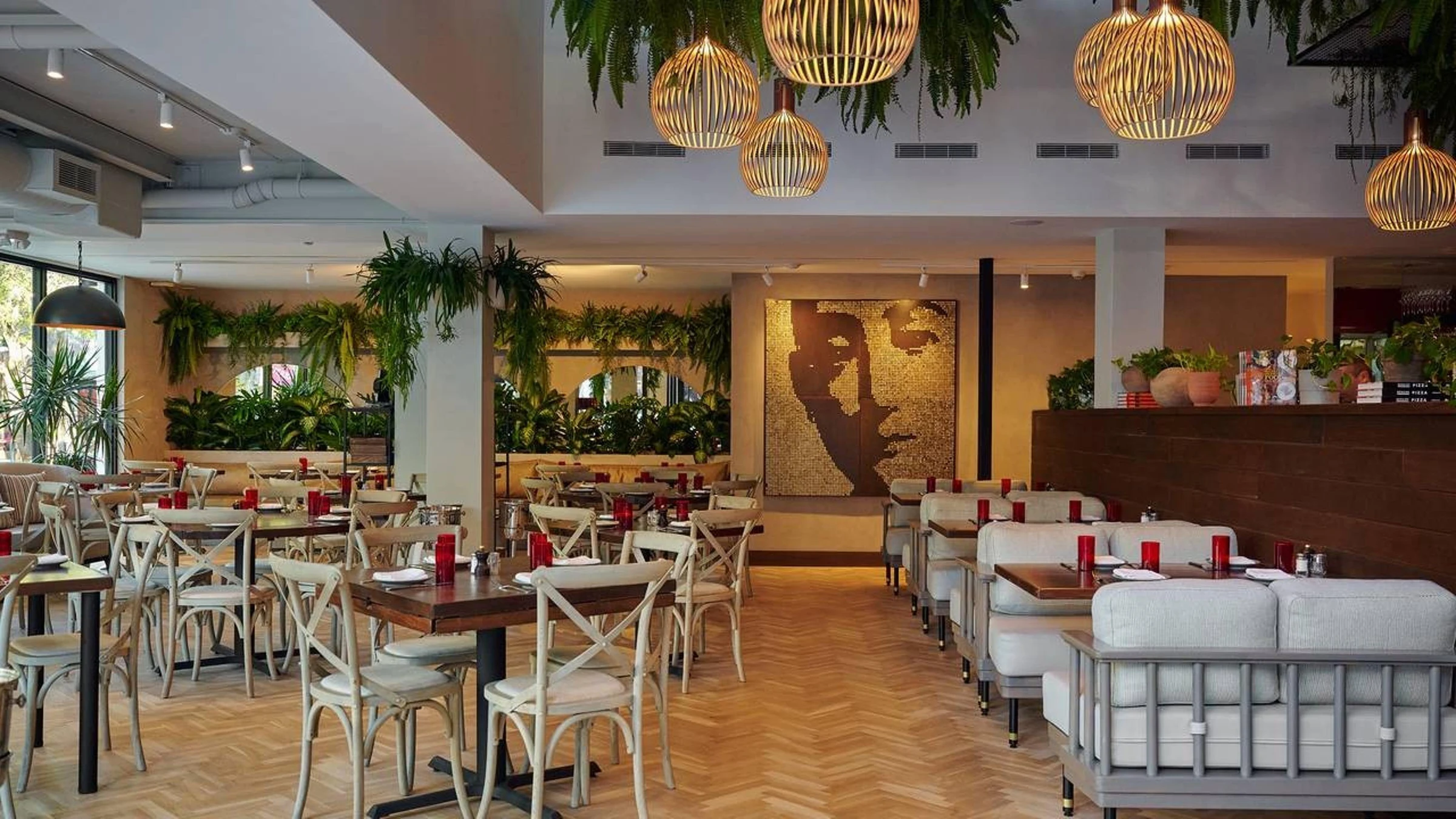
| Michael's Genuine | Contemporary American | Miami | · |
| Paper Dosa | South Indian Dosas | Santa Fe | · |
| Sazón | Modern Mexican Fine Dining | Santa Fe | · |
| The Musket Room | Contemporary American | New York City | Michelin 1 Star |
Similar places
Global Eclectic Fine Dining
Geronimo
Santa Fe, United States
African & Caribbean Fusion
Jambo Cafe
Santa Fe, United States
Contemporary American
Michael's Genuine
Miami, United States
South Indian Dosas
Paper Dosa
Santa Fe, United States
Modern Mexican Fine Dining
Sazón
Santa Fe, United States
Contemporary American
The Musket Room
New York City, United States
★
The Sunday email
Read about the people behind restaurants like The Compound Restaurant in the Sunday email.
Every Sunday we send a lead story and up to four more about the chefs, winemakers, sommeliers and hoteliers behind the restaurants, bars, wineries and hotels we cover.
Recent stories
Free. One email a week, and you can unsubscribe from any issue.