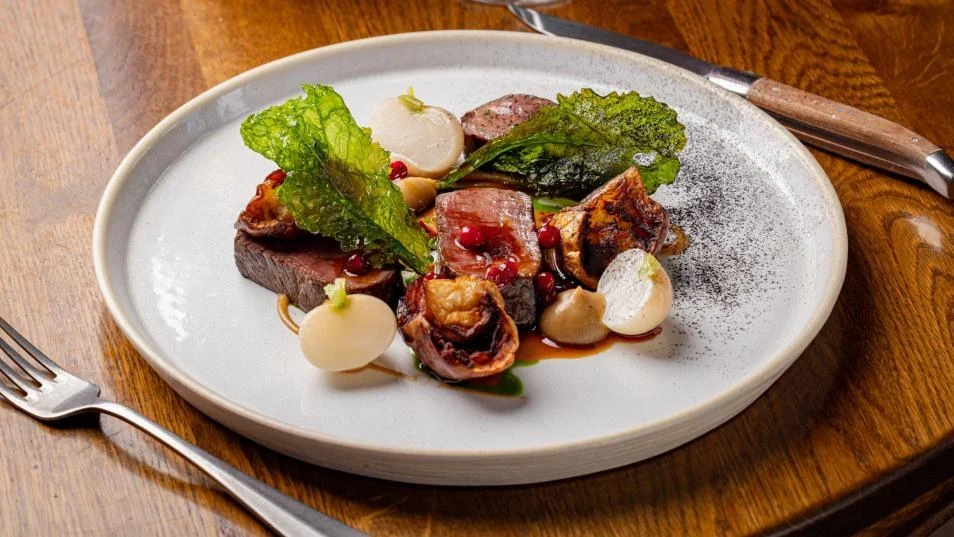
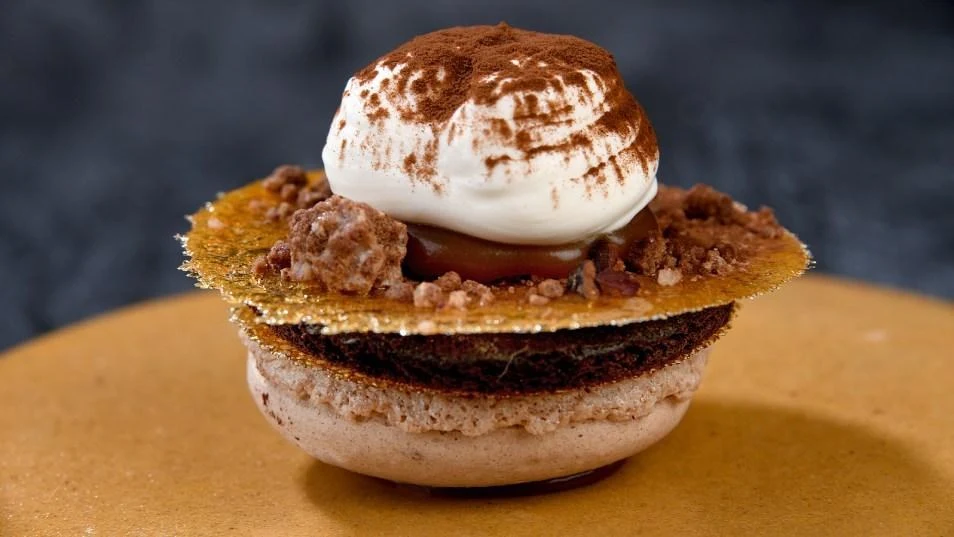
The Wild Rabbit
- 01CuisineModern British Gastropub
- 02CityKingham, United Kingdom
- Top 50 Gastropubs 2026 Estrella Damm Top 100 Gastropubs #45
- Michelin Plate · 2026
- AA Rosettes 3 Rosettes · 2026
- Michelin Plate · 2025
- Michelin Plate · 2024
The Cotswolds Gastropub, Grown Up
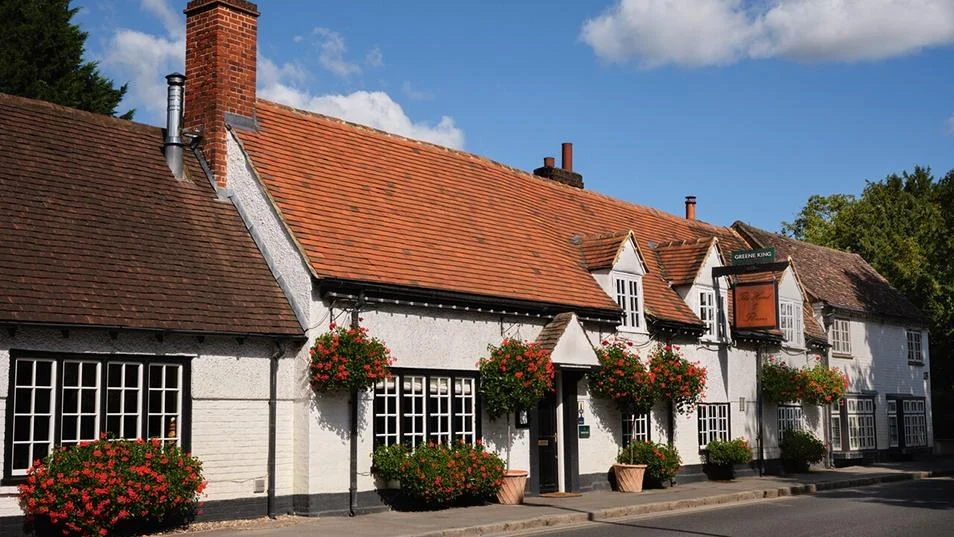
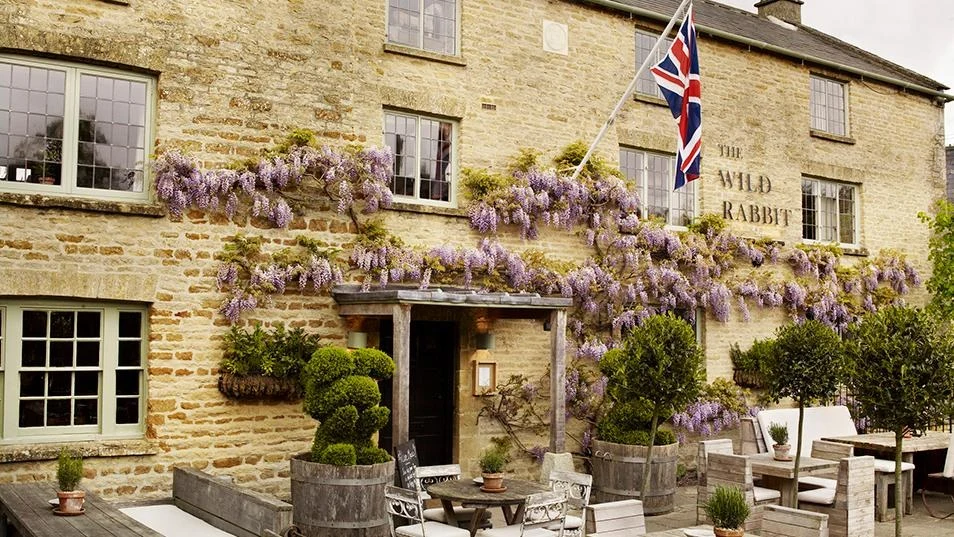
Arriving on Church Street in Kingham, the visual grammar is immediately familiar: honey-coloured stone, low lintels, the kind of frontage that has anchored English village life for centuries. What has changed inside pubs like this one, over the past two decades, is what happens at the table. The gastropub revolution that began in London in the 1990s, when kitchens started treating the local as a serious culinary address rather than a venue for reheated pies, took longer to reach the rural Cotswolds with any consistency. The Wild Rabbit represents the mature phase of that shift: a country pub that has absorbed the formal ambitions of destination dining without abandoning the physical ease of the format.
The Bamford family, whose Daylesford organic estate sits just down the road, own and operate the property. That proximity to a working farm is not incidental. It is the structural logic of the kitchen: organic ingredients grown and raised under the same ownership as the restaurant, reaching the pass without the supply-chain compromises that most gastropubs must accept. In the broader Modern British conversation, where chefs at places like CORE by Clare Smyth and The Ritz Restaurant in London are working at the ££££ tier with highly curated sourcing, The Wild Rabbit operates at a £££ price point with a provenance story that requires no curation at all. The farm is next door.
What the Michelin Plate Signals
The 2025 Michelin Plate is a specific credential worth reading carefully. It sits below the star tier occupied by Le Manoir aux Quat'Saisons in nearby Great Milton or L'Enclume in Cartmel, but it is a formal signal that the cooking meets a standard Michelin's inspectors consider worth acknowledging. In the context of the gastropub category, where the range runs from high-end aspirants like The Hand and Flowers in Marlow (the only pub in Britain to hold two Michelin stars) down to pubs that have adopted the language of farm-to-table without the infrastructure to support it, a Plate at The Wild Rabbit positions the kitchen firmly in the serious tier. The 4.5 Google rating across 1,043 reviews reinforces that this is not a venue coasting on its setting.
The gastropub kitchen is a harder environment to distinguish than a formal restaurant: the expectation is comfort, volume, and consistency rather than the kind of precision and surprise that drives starred tasting-menu operations. Accomplishing that at a consistent level, with organic farm produce as the primary ingredient source, is a different discipline from the intricate plating at Midsummer House in Cambridge or the technical register of Moor Hall in Aughton. The Wild Rabbit is not competing in that space. It is doing something that those rooms cannot: it is a pub, and it feels like one.
The Daylesford Connection and What It Means for the Menu
Understanding The Wild Rabbit as a dining destination requires understanding Daylesford. The farm shop and organic operation the Bamfords have developed in the Cotswolds has become one of the most recognised farm-to-consumer enterprises in Britain. For the pub kitchen, this means a supply relationship that is effectively internal: seasonal vegetables, dairy, and meat sourced from an organic estate operating under a coherent philosophy of land stewardship. This is not marketing language. It has a material effect on what appears on the plate and when.
Modern British cooking, as a category, has spent thirty years trying to reconcile classical French technique with the argument that British ingredients are worth serious attention. The case has largely been won at the leading end, chefs like those at Gidleigh Park in Chagford or Restaurant Andrew Fairlie in Auchterarder have long been making it. At the gastropub level, however, the farm sourcing claim is often more aspiration than infrastructure. The Wild Rabbit's position adjacent to Daylesford removes that gap. The natural flavours of the ingredients are, according to Michelin's own assessment, the underpinning logic of the menu, not the technique overlaid on them.
For a point of comparison within a very different price and formality tier, the approach rhymes with what The Fat Duck in Bray represents in its own way: a kitchen whose identity is inseparable from its geography and its supply chain, even if the expressions are entirely different. At The Wild Rabbit, the expression is quieter, rooted in a pub room rather than a laboratory.
The Room, the Bedrooms, and the Logic of Staying
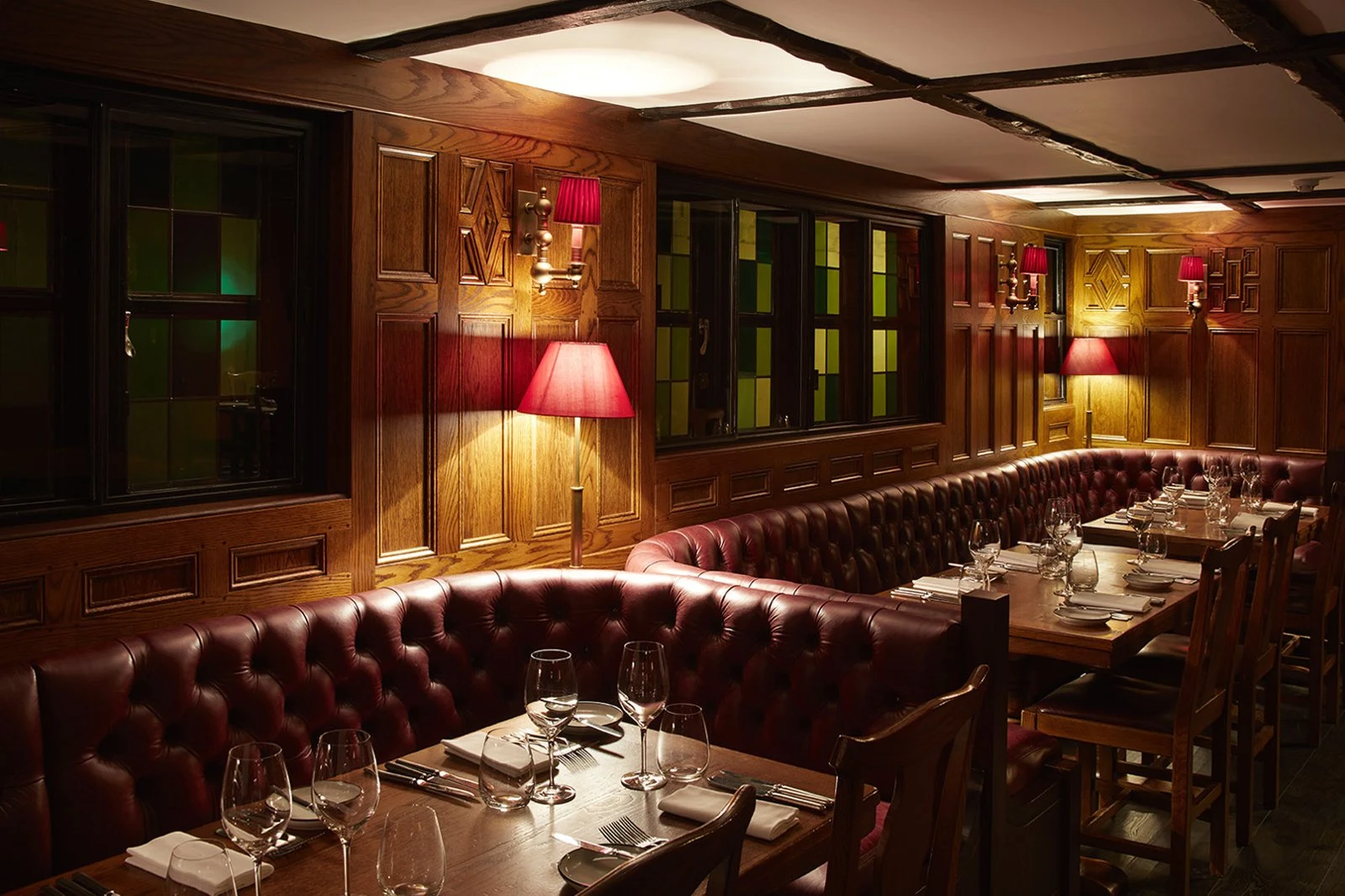
The gastropub format has always offered something the formal restaurant cannot: a reason to arrive before dinner and to linger afterward. At The Wild Rabbit, the rooms extend that logic further. The overnight accommodation is described as delightfully understated, which, in the Cotswolds context, means something specific. This is a region where country house hotels have historically defaulted to heavy fabrics, antler furniture, and a version of English heritage that reads as costume rather than character. The Wild Rabbit's bedrooms, by Michelin's account, resist that register. Understated luxury in this market means quality materials handled without self-consciousness, which is harder to achieve than it sounds in a part of England where every inn is competing on a version of bucolic charm.
For anyone planning a Cotswolds itinerary that takes dining seriously, the case for staying rather than visiting for dinner is practical as much as atmospheric. Kingham is not on a major rail corridor in the way that some Cotswolds villages are positioned for London day-trippers. The village is best reached by car, and the combination of a serious lunch or dinner with an overnight stay, extended into the Daylesford Farm Shop the following morning, makes a more coherent two-day proposition than a single meal with a late drive back.
Where This Fits in the Cotswolds Dining Picture
The Cotswolds has a density of serious eating that is unusual for a rural English region. The cluster around Chipping Norton and the Daylesford corridor, in particular, draws Londoners and international visitors who are willing to treat a forty-five-minute drive as a reasonable commitment for a good meal. In that context, The Wild Rabbit is not an isolated destination but part of a wider food and drink ecosystem.
Within that ecosystem, The Wild Rabbit occupies a specific position: a pub with genuine organic sourcing, a Michelin Plate, and a room count that keeps it intimate, serving a clientele that mixes local regulars with destination visitors. The fact that it is, by all accounts, constantly busy is evidence that this combination works. In the gastropub category more broadly, that consistency is the credential that matters most. A pub that fills its room night after night, with cooking that Michelin's inspectors consider worth acknowledging, and a farm supply chain that most formal restaurants would construct at considerable expense and effort, that is a specific achievement, and one that belongs to the village as much as to the kitchen. For further context on how the gastropub category compares to formal dining at the higher end, the Opheem in Birmingham and hide and fox in Saltwood pages offer contrasting registers of what recognised modern British cooking looks like outside the gastropub format.
Planning Your Visit
The Wild Rabbit sits on Church St, Kingham, Chipping Norton OX7 6YA, United Kingdom. Given the consistent demand signalled by both the review volume and the Michelin recognition, booking ahead is advisable, particularly for weekends when the Daylesford corridor attracts its heaviest visitor traffic. The £££ price point positions the kitchen in the mid-to-upper range of gastropub dining, above casual pub food, below the formal tasting-menu tier, which makes it a reasonable anchor for a wider Cotswolds itinerary rather than a special-occasion destination that requires significant financial commitment. If you are considering an overnight stay, the bedrooms are part of the same property and extend the visit into a more relaxed two-day programme taking in the farm shop and the wider area the following morning.
Questions
Frequently asked
How expensive is The Wild Rabbit?
The Wild Rabbit is listed at a price level of $$$.
Where is The Wild Rabbit and what does it serve?
The Wild Rabbit is in Kingham, Kingham, serving Modern British Gastropub.
The field
How it compares
| Place | Cuisine | Notes | Awards |
|---|---|---|---|
| The Wild Rabbit | Modern British Gastropub | Kingham, $$$ | · |
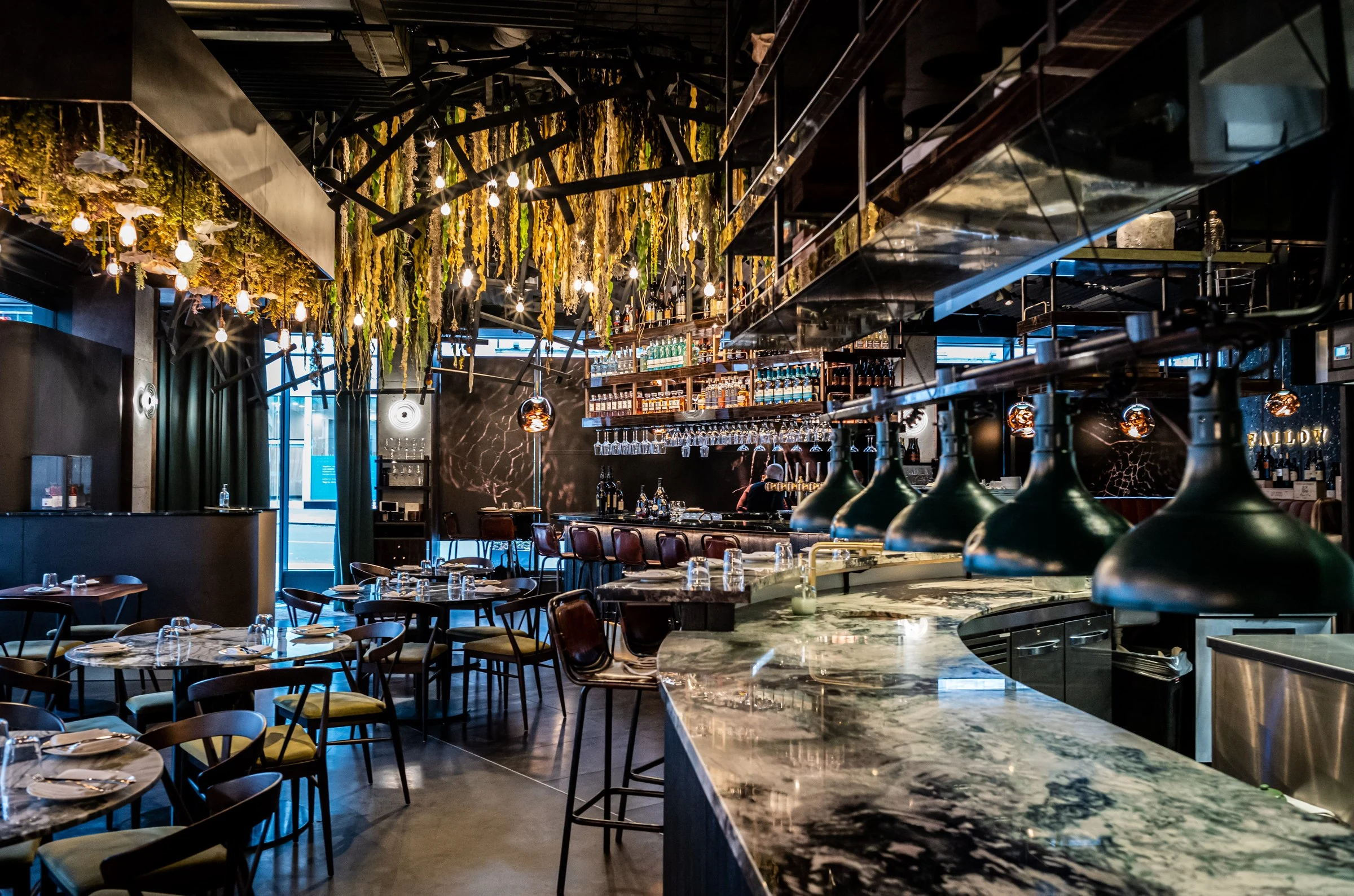
| Fallow | Modern British Gastropub | London | · |
| Hand and Flowers | Modern British Gastropub | Marlow | Michelin 2 Stars |
| Hinds Head | Modern British Gastropub | Bray | Michelin 1 Star |
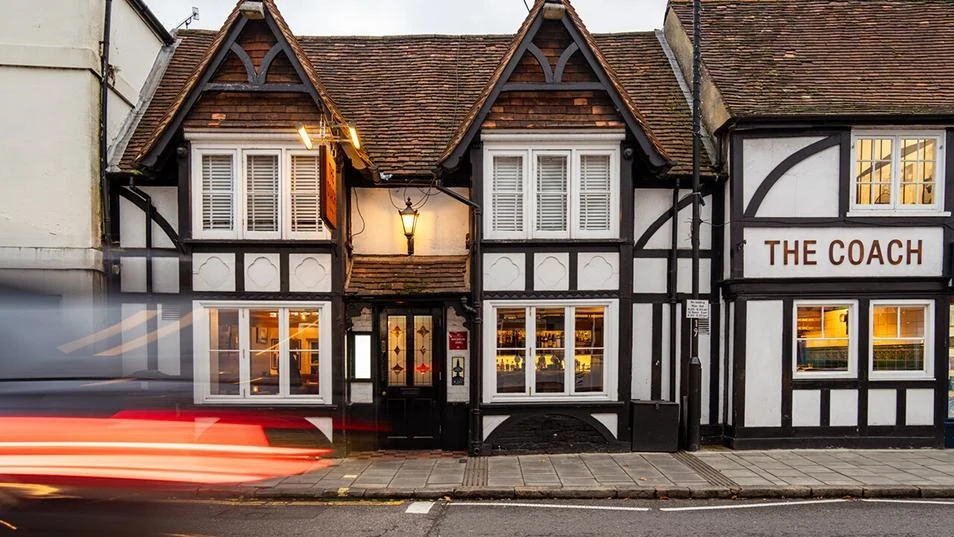
| The Coach | Modern British Gastropub | Marlow | Michelin 1 Star |
| The Loch & The Tyne | Modern British Gastropub | Old Windsor | · |
| The White Swan | Modern British Gastropub | Fence | Michelin 1 Star |
Similar places
Modern British Gastropub
Fallow
London, United Kingdom
Modern British Gastropub
Hand and Flowers
Marlow, United Kingdom
★★
Modern British Gastropub
Hinds Head
Bray, United Kingdom
★
Modern British Gastropub
The Coach
Marlow, United Kingdom
★
Modern British Gastropub
The Loch & The Tyne
Old Windsor, United Kingdom
Modern British Gastropub
The White Swan
Fence, United Kingdom
★