- Michelin Plate · 2025
- Opinionated About Dining Casual in Asia Ranked #74 · 2025
- Opinionated About Dining Casual in Asia Ranked #79 · 2024
- Michelin Plate · 2024
- Opinionated About Dining Casual in Asia Ranked #61 · 2023
Dim Sum at Street-Food Prices in a Fine-Dining District
Gangnam is Seoul's most concentrated cluster of high-spend restaurants, the district where tasting-menu counters charge north of ₩300,000 per head and reservations at places like Mingles or Jungsik require planning weeks in advance. Against that backdrop, Tim Ho Wan operates at the single-₩ tier, a price register more common to street stalls than to an address on Bongeunsa-ro. That contrast is not accidental. The Hong Kong original opened as a deliberate argument that dim sum executed at high technical standard need not carry a high-end price tag, and that founding logic has followed the brand into every market it has entered.
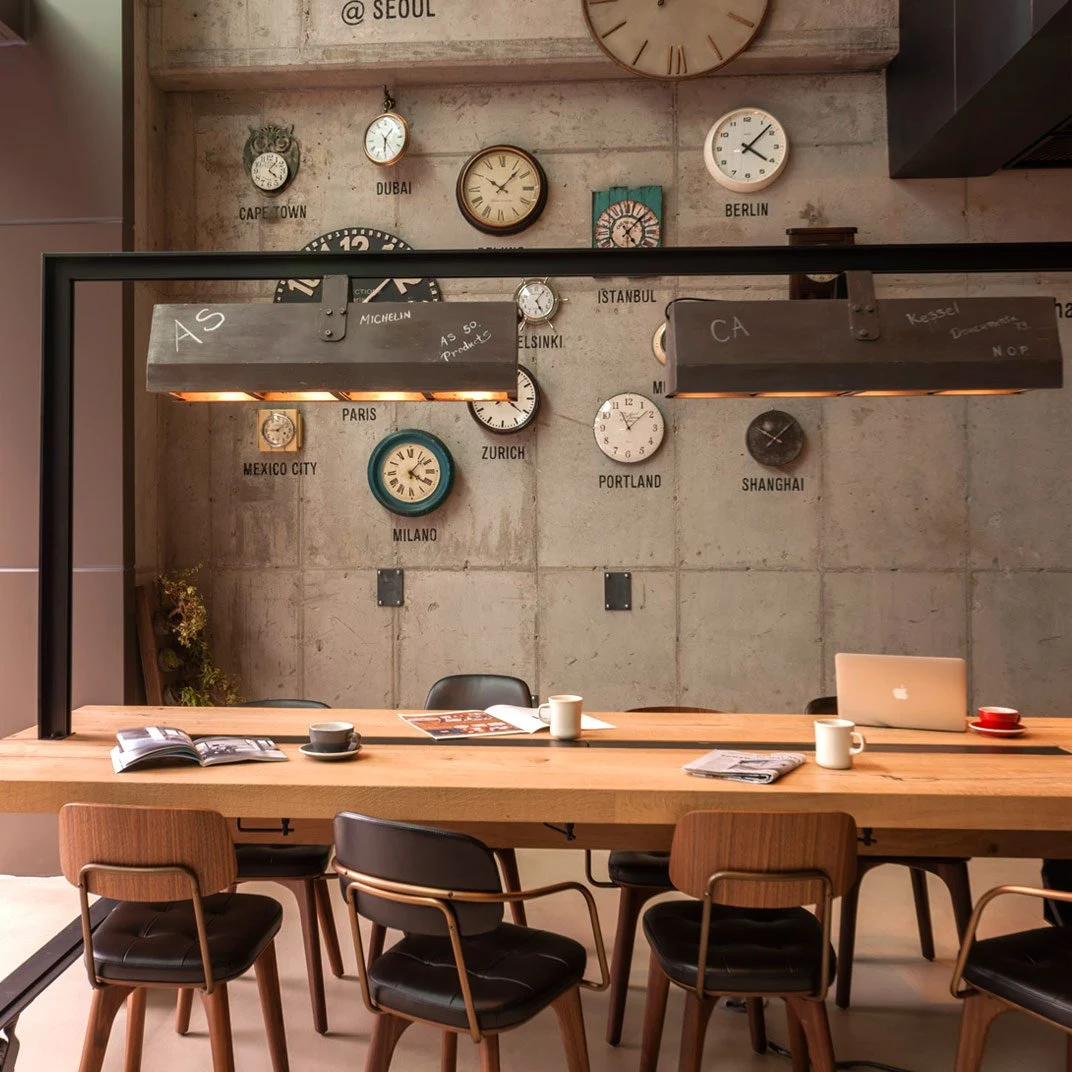
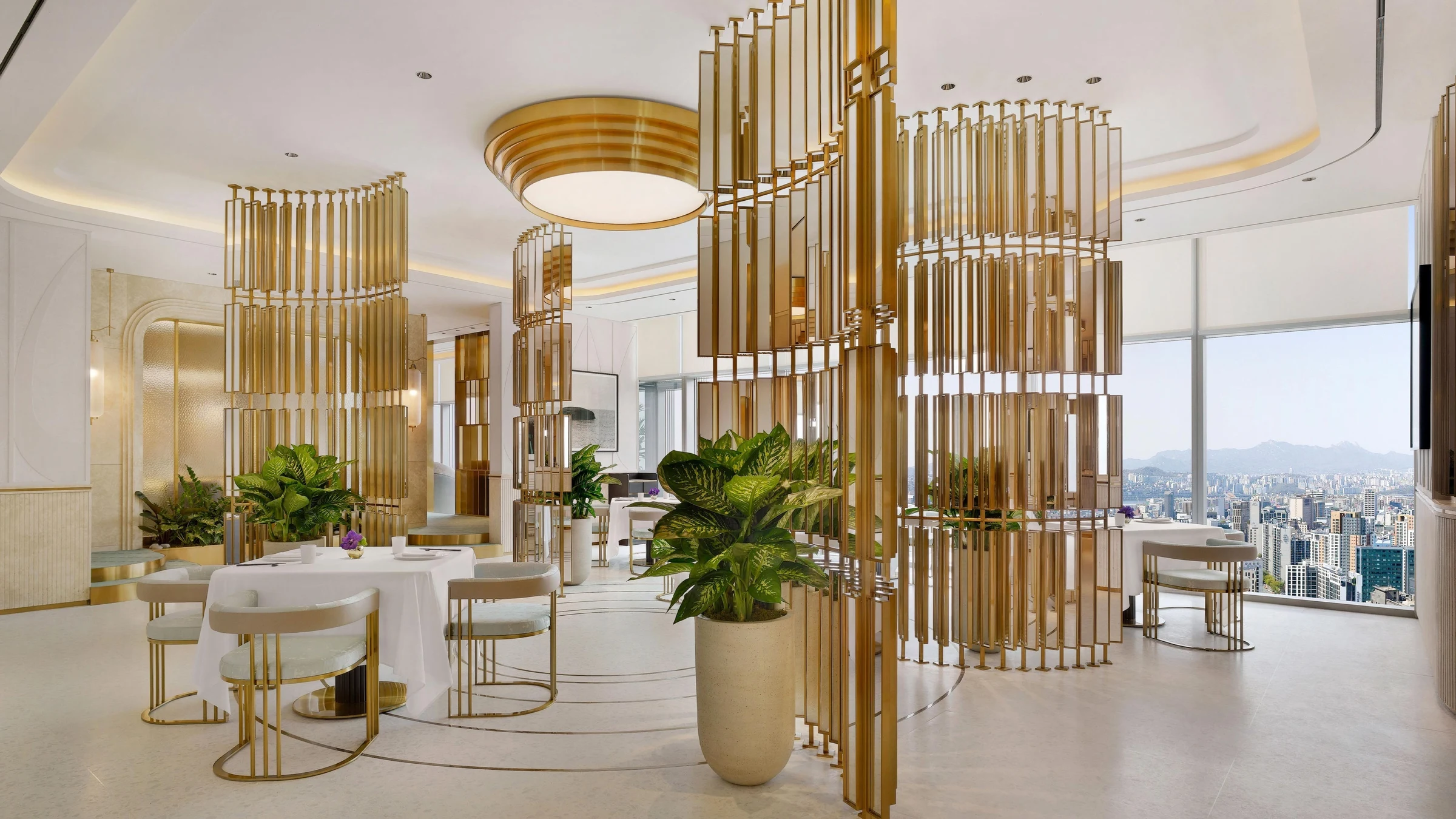
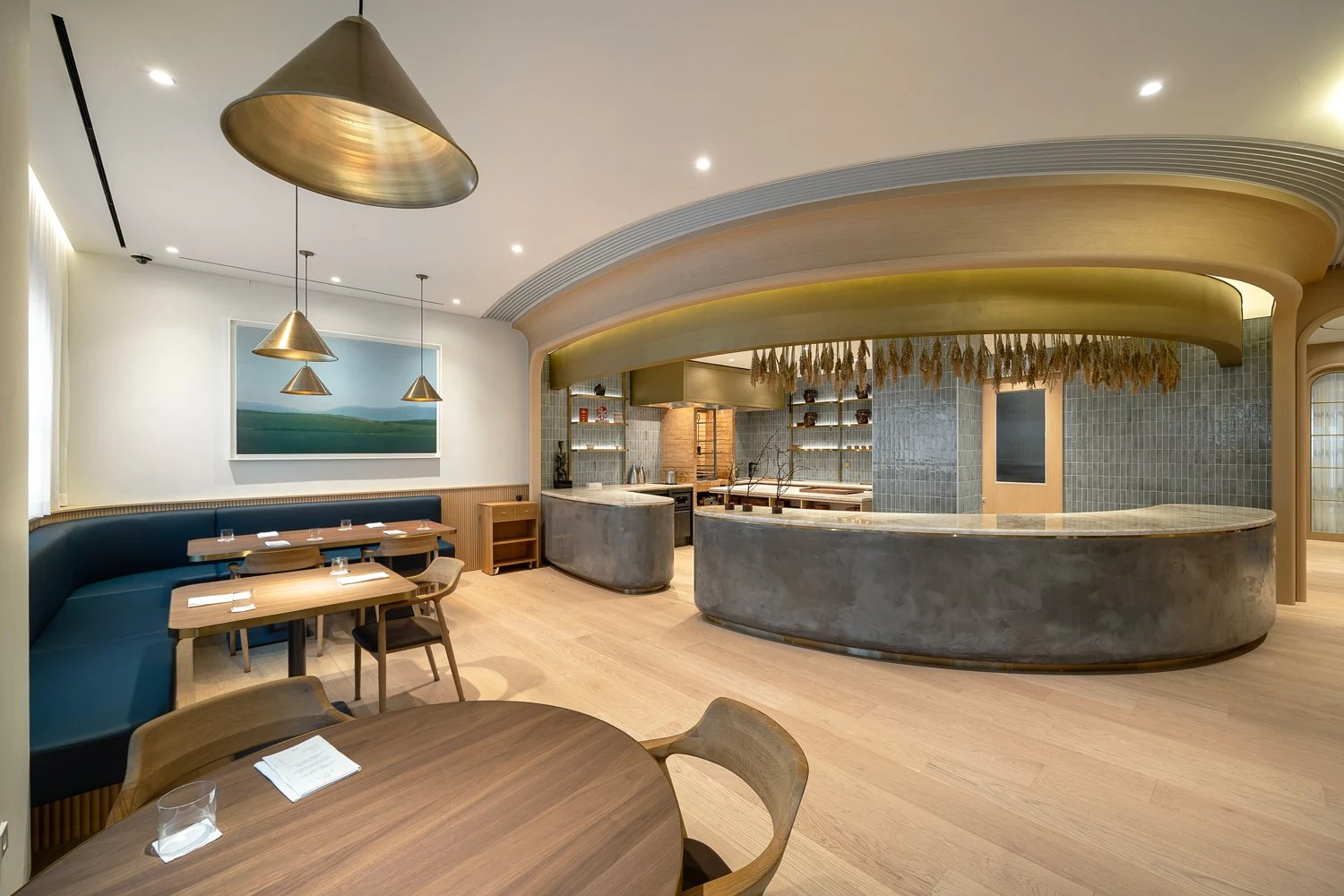
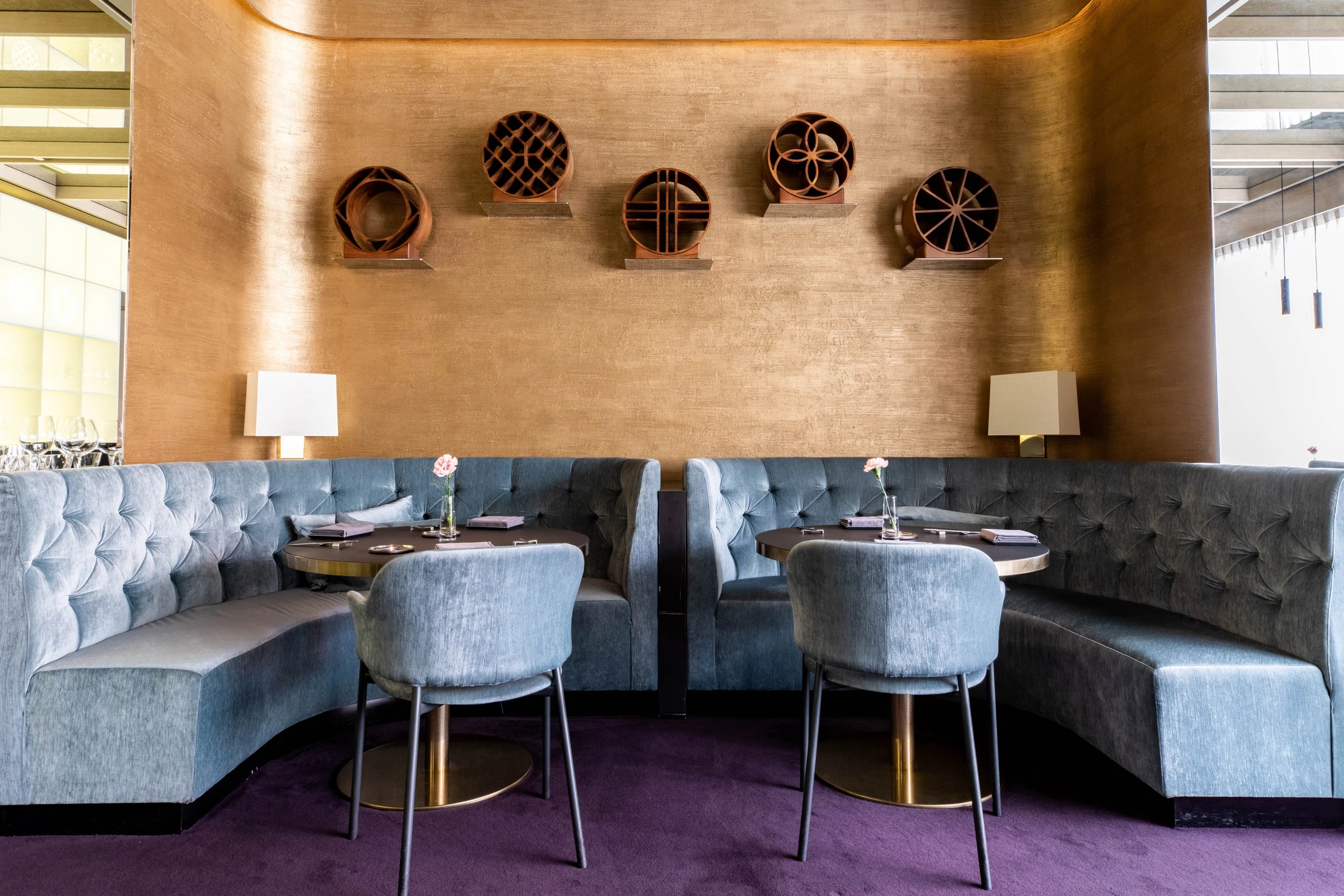
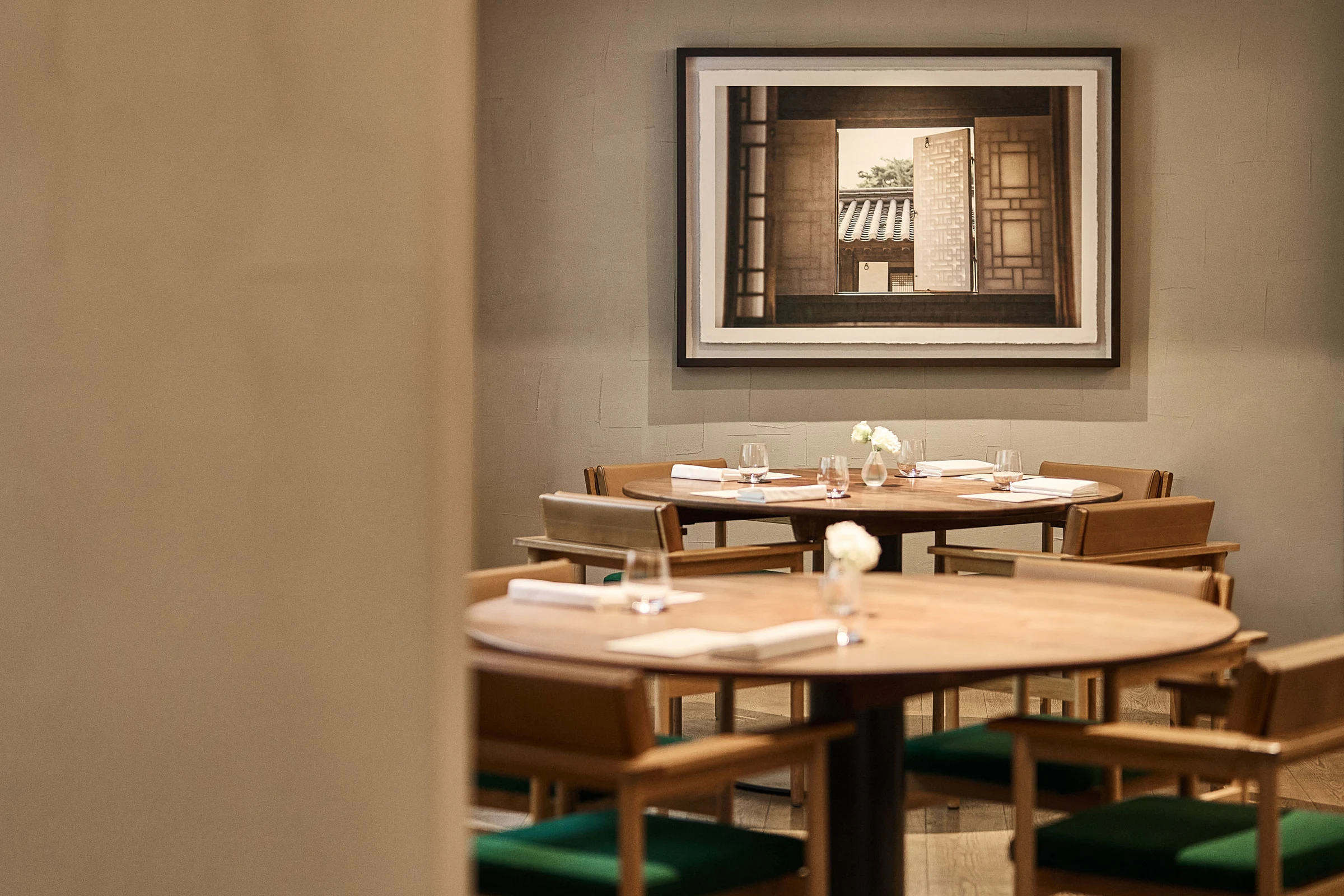
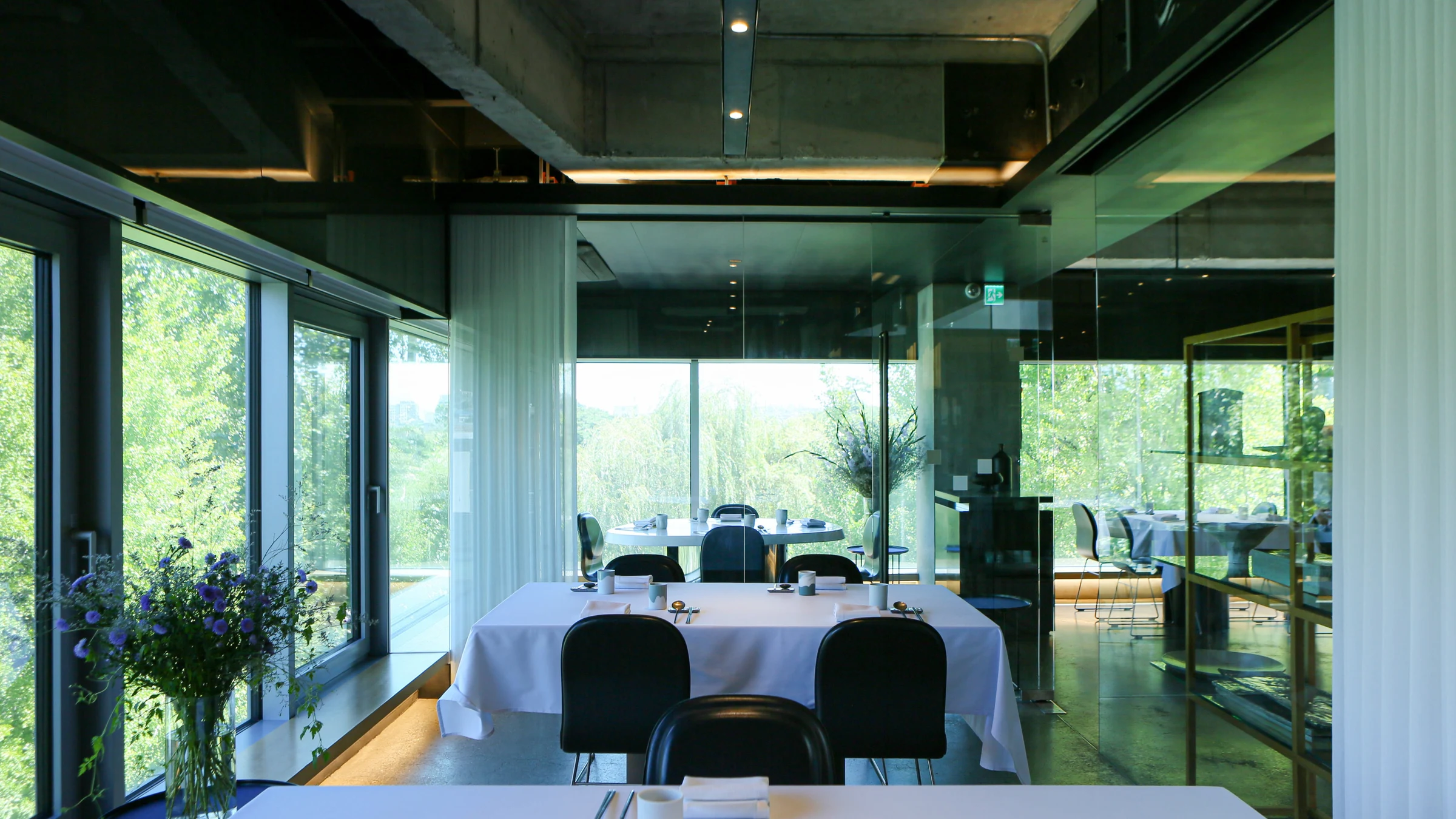
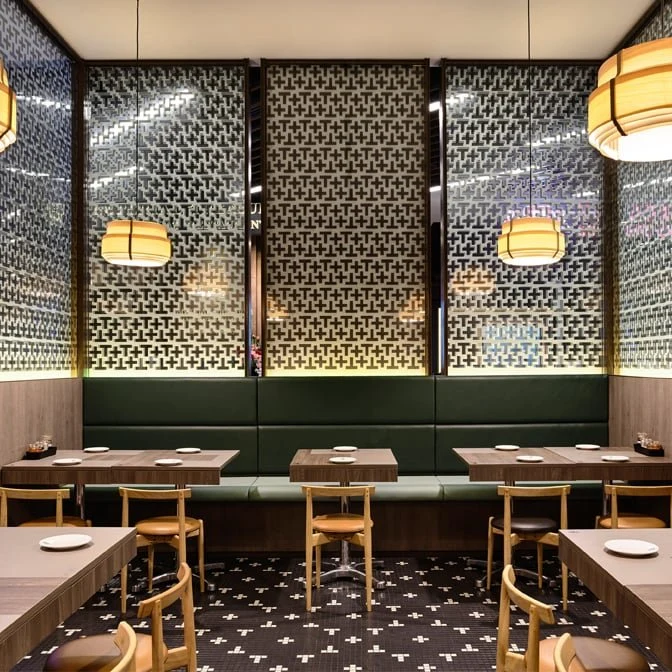
The room on Bongeunsa-ro 86-gil offers a straightforward setting, with no design statement or curated entrance ritual. What arrives instead is the ambient texture of a working Cantonese teahouse: the sound of bamboo steamers, the visual rhythm of carts or trays, the low-threshold entry that makes the space feel equally accessible to a solo lunch and a family table. In a neighbourhood where most serious restaurants signal their seriousness through interiors, that deliberate plainness reads as a position rather than an oversight.
Where Tim Ho Wan Sits in the Broader Dim Sum Category
Dim sum as a format has expanded significantly outside Cantonese-speaking cities over the past fifteen years, appearing in markets from London to Tokyo to Seoul with varying degrees of fidelity to the original yum cha tradition. The category now splits, broadly, into three tiers: large-format hotel Chinese restaurants where dim sum anchors a Sunday brunch; standalone mid-market operations serving a localised interpretation; and a smaller group of venues that maintain the technical standards of the Hong Kong or Guangzhou originals at accessible price points.
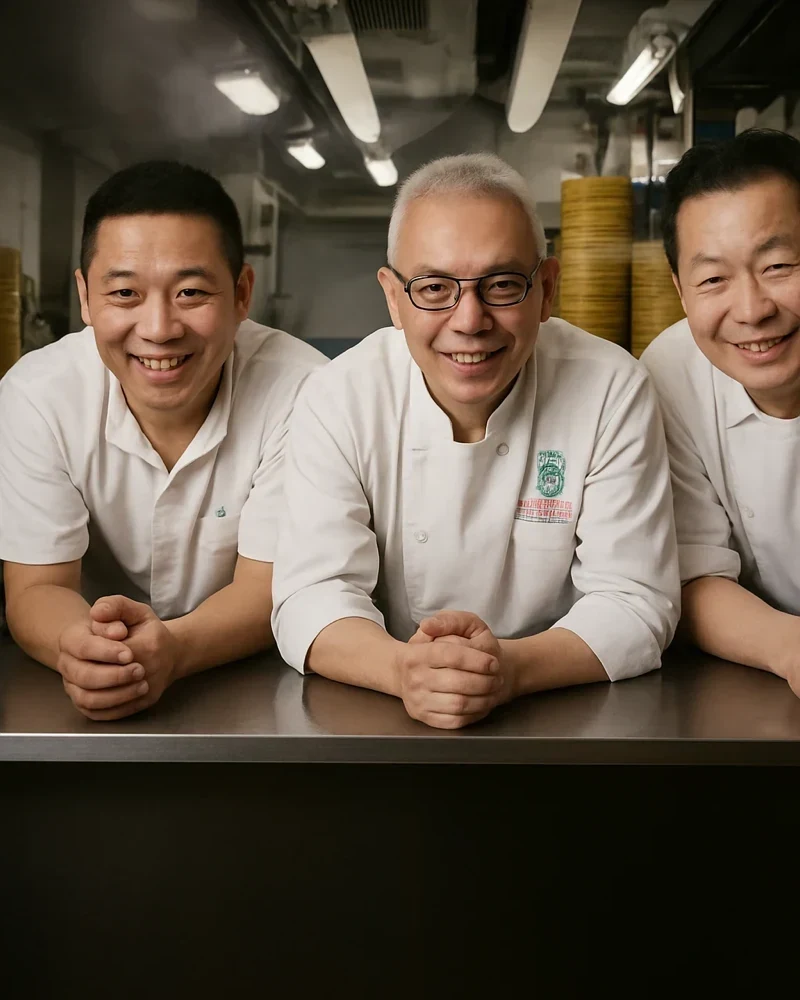
Tim Ho Wan occupies that third category and has the credentials to support the claim. The founding chefs, Mak Kwai Pui and Leung Fai Keung, came out of Four Seasons Hong Kong, which contextualises what the brand was attempting when it opened at street-food pricing in 2009: hotel-trained technique, removed from hotel pricing. The Seoul location has maintained recognition consistent with that positioning, holding a Michelin Plate in both 2024 and 2025 and ranking in the Opinionated About Dining Asia Casual list across three consecutive years, moving from #61 in 2023 to #79 in 2024 before improving to #74 in 2025.
For useful cross-market context, Hongtu Hall in Guangzhou represents the Cantonese heartland version of this tradition, while Wu You Xian in Shanghai and Bao Teck Tea House in George Town show how the format travels across different Chinese diaspora contexts. The Seoul Tim Ho Wan sits within that international continuum.
The Dishes: Classic Forms, Consistent Execution
Tim Ho Wan built its reputation on a short menu of precisely executed classics rather than on innovation or seasonal rotation. The approach is essentially conservative in the leading sense: the goal is not reinterpretation of dim sum but the removal of any justification for the format to cost more than it does. Baked BBQ pork buns (baked rather than steamed, which distinguishes the Tim Ho Wan version from most peers) became the dish most closely associated with the brand's identity, though the menu extends across the standard range of har gow, siu mai, cheung fun, and turnip cake.
That conservatism places Tim Ho Wan in a different editorial position from, say, the contemporary Chinese cooking happening at alla prima in Seoul, where the frame is innovation and cross-cultural dialogue. Dim sum at this level of fidelity is not trying to have a conversation with Korean ingredients or local trends. It is asking whether a specific Cantonese technical tradition can be maintained intact in a transplanted setting, and the consistent OAD and Michelin recognition suggests the answer, at least here, is yes.
Tim Ho Wan in Seoul's Wider Casual Dining Picture
Seoul's casual dining scene has developed considerable range over the past decade, with mandu specialists like Goobok Mandu representing the local dumpling tradition at a comparable price tier. The coexistence of Korean dumpling culture and Cantonese dim sum in the same city is instructive: both formats depend on dough-wrapping technique and filling precision, and Seoul diners have demonstrated appetite for both without one cannibalising the other.
Within Gangnam specifically, Tim Ho Wan's single-₩ positioning sits well below peers like Kwonsooksoo or 권숙수 in Gangnam-gu, which operate at the premium Korean tasting-menu level. The practical effect is that Tim Ho Wan fills a gap in the district's dining map: a recognisably serious kitchen, with international recognition, at a price point that does not require a reservation decision to be weighed against a larger spend. It is also a useful calibration point for visitors building an understanding of Seoul's range, from the kind of cooking happening at Gaon at one end of the spectrum to the accessible end represented here.
Beyond Seoul, the broader Korean dining picture includes strong regional destinations: Mori in Busan and Baegyangsa Temple in Jangseong-gun both show how serious food extends well outside the capital. For those spending time in Seogwipo, The Flying Hog rounds out the island option.
Planning Your Visit
The venue sits at 30 Bongeunsa-ro 86-gil, Gangnam-gu, in central Seoul. At the ₩ price tier, a full dim sum meal for two typically costs a fraction of what the surrounding neighbourhood charges.
| Venue | Cuisine | Price Tier | OAD / Michelin Recognition |
|---|---|---|---|
| Tim Ho Wan (Seoul) | Dim Sum / Cantonese | ₩ | OAD Asia Casual #74 (2025); Michelin Plate (2025) |
| 7th Door | Korean Contemporary | ₩₩₩₩ | Premium tasting menu tier |
| Onjium | Korean | ₩₩₩₩ | Premium Korean tasting menu |
| L'Amitié | French | ₩₩₩ | Mid-to-upper French bistro tier |
| Zero Complex | Korean-French Innovative | ₩₩₩₩ | Creative fusion, high spend |
Questions
Frequently asked
Who works at Tim Ho Wan?
Made By profiles Leung Fai Keung (Chef) at Tim Ho Wan.
How expensive is Tim Ho Wan?
Tim Ho Wan is listed at a price level of $.
Where is Tim Ho Wan and what does it serve?
Tim Ho Wan is in Samseong-dong, Seoul, serving Hong Kong-style Dim Sum.
The field
How it compares
| Place | Cuisine | Notes | Awards |
|---|---|---|---|
| Tim Ho Wan | Hong Kong-style Dim Sum | Samseong-dong, $ | · |
| alla prima | Modern Fusion Fine Dining | Seoul | Michelin 2 Stars, World's 50 Best |
| Eatanic Garden | Modern Korean Contemporary | Seoul | Michelin 1 Star, World's 50 Best |
| Evett | Modern Innovative Korean | Seoul | Michelin 2 Stars |
| Jungsik | Modern Korean Fine Dining | Seoul | Michelin 2 Stars, World's 50 Best |
| Mingles | Modern Korean Fine Dining | Seoul | Michelin 3 Stars, World's 50 Best |
| Onjium | Modern Korean Royal Court Cuisine | Seoul | Michelin 1 Star, World's 50 Best |
In residence
Similar places
Modern Fusion Fine Dining
alla prima
Seoul, South Korea
★★ · 50 Best
Modern Korean Contemporary
Eatanic Garden
Seoul, South Korea
★ · 50 Best
Modern Innovative Korean
Evett
Seoul, South Korea
★★
Modern Korean Fine Dining
Jungsik
Seoul, South Korea
★★ · 50 Best
Modern Korean Fine Dining
Mingles
Seoul, South Korea
★★★ · 50 Best
Modern Korean Royal Court Cuisine
Onjium
Seoul, South Korea
★ · 50 Best