TonTon
- 01CuisineModern French-Spanish Fusion
- 02CityMadrid, Spain
From the people index
Recommended by
One trusted voice points here.

- Michelin Plate · 2026
- Macarfi 7.5 Food Rating · 2026
- Michelin Plate · 2025
Where Two Kitchens Share a Room
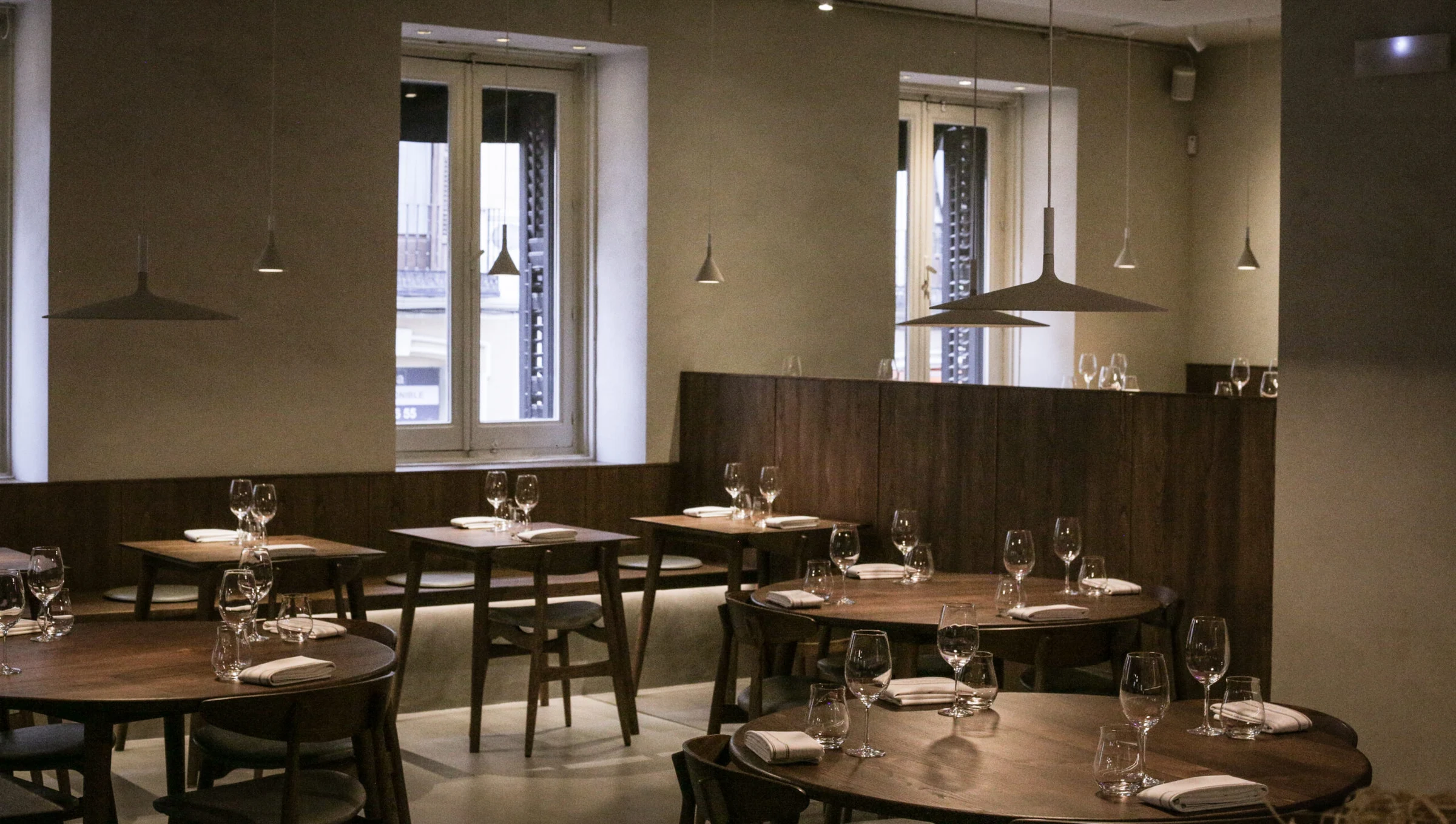
Chamberí has a specific dining register: residential, understated, and resistant to the kind of theatrical excess that defines Madrid's trophy-restaurant circuit. The neighbourhood produces tables where the cooking does the work without the surrounding apparatus of tasting-menu ceremony or €€€€ price architecture. TonTon, on Calle de Jordán, is a restaurant serving Modern French-Spanish Fusion in the Chamberí district, with a €€ price tier. It runs two parallel culinary identities, French-Mediterranean and Brazilian-inflected, within the same industrial-rustic space. Large wooden beams cross the ceiling, open brick walls frame the room, and the overall atmosphere reads as purposefully unfinished in a way that suits the cooking: direct, considered, and without ornament.
The Logic of Two Menus
Madrid's mid-range contemporary scene has increasingly sorted itself into two camps: restaurants that apply a single tight concept at the €€ price point, and those that build in enough menu flexibility to attract repeat traffic. TonTon belongs to the second camp, and the dual-kitchen format is its main structural bet. The French-leaning side offers an à la carte built for sharing and a Carte Blanche omakase option for the table that wants a more directed sequence. Gustavo Rozzino's contribution brings Brazilian ingredients into a bistro-style framework shaped by Mediterranean techniques.
A table committed to the Carte Blanche omakase is in a different conversation from one working through shared plates, and both sit at the €€ price point that keeps TonTon in a competitive set well below the city's high-end contemporary circuit. TonTon's positioning is deliberate: accessible price architecture for cooking that draws on serious training and seasonal sourcing.
French Technique, Mediterranean Season
The French-leaning side at TonTon uses classical French method with Mediterranean ingredient logic. Dishes from the à la carte that have been documented publicly give a clear picture of the approach: sea urchin served with brioche and salted butter; sea bass with citrus and piparra peppers; sweetbreads with shallots, pomegranate, and red wine. These are not fusion constructions in the 1990s sense. They are dishes where French technique (the brioche preparation, the classic approach to sweetbreads) provides the structural scaffolding, and Mediterranean-Iberian ingredients provide the seasonal and flavour specificity. The piparra, a long, mild Basque pepper, is a detail that signals sourcing discipline, not decoration.
This pattern of imported training applied to local and regional product is well-established across Spain's contemporary restaurant culture. Houses like Arzak in San Sebastián, El Celler de Can Roca in Girona, and Disfrutar in Barcelona operate at an entirely different scale and price tier, but the underlying logic, European classical method meeting Iberian product, runs through the country's contemporary cooking at every level. TonTon applies that logic in a neighbourhood bistro register rather than a fine-dining one, which is its specific contribution to Chamberí's dining offer.
Brazilian Ingredients, Mediterranean Framework
Rozzino's menu represents the more distinctive half of TonTon's proposition, because Brazilian-Mediterranean crossovers at the €€ price point are genuinely scarce in Madrid. The format is bistro: steak tartare, fresh pasta, rack of lamb sit alongside more specifically Brazilian constructions. The Bobó Tonton, a Brazilian-rooted dish involving grilled pink prawns, basmati rice, grilled banana, and farofa (manioc flour), applies a preparation with deep roots in Bahian coastal cooking. The 12-hour oven-cooked pork roulade follows a slow-roast logic found in both Iberian and Latin American traditions, which gives it dual cultural legibility on a menu that is trying to be accessible rather than challenging.
The use of farofa is worth noting as a sourcing commitment. Manioc flour is not a pantry staple in Spanish kitchens, and its presence signals that the Brazilian ingredient thread is substantive rather than cosmetic. That kind of specificity in mid-range contemporary cooking is consistent with broader trends visible across the city's more interesting €€ addresses. Comparable restaurants in Madrid's contemporary mid-tier, including Adaly, BANCAL, Desborre, En la Parra, and Ferretería, each take a single cultural or ingredient reference point and develop it with some depth. TonTon is doing something more structurally complicated by running two parallel reference points, which creates more risk but also more range for repeat visits.
The global-technique, local-ingredient model that shapes both kitchens here has analogues in contemporary restaurants operating in very different urban contexts. César in New York City and Jungsik in Seoul operate in the contemporary category with similar structural premises, Western classical training applied to specific local or regional product references, though at significantly different price points and scales.
The Bar Upstairs
A bar on the upper floor extends the TonTon proposition beyond the dining room. Its presence matters for how a visit can be structured: arrival drinks before a Carte Blanche sequence, or a natural extension of a shared-plates dinner that doesn't require finding a second address. In a neighbourhood like Chamberí, where the bar density is lower than in Malasaña or Chueca, having a drinks programme within the same building is a practical convenience that affects how the evening plays out.
TonTon in the Wider Madrid Picture
Spain's most celebrated contemporary restaurants, Aponiente in El Puerto de Santa María, Quique Dacosta in Dénia, Azurmendi in Larrabetzu, define a national conversation about technique and terroir that operates at a different altitude from neighbourhood bistros. But that conversation has downstream effects: it normalises a sourcing seriousness and technique discipline at every price tier. TonTon sits in the part of Madrid's dining ecosystem where those influences land in accessible, everyday form. A Google rating of 4.5 from 404 reviews is a consistent signal of execution.
Planning Your Visit
Address: Calle de Jordán, 7, Chamberí, 28010 Madrid. Budget: €€ (mid-range; accessible for the format and neighbourhood tier). Format: Shared plates à la carte plus Carte Blanche omakase option; bistro menu from a separate kitchen; bar upstairs. Reservations: Reservations are recommended. Ratings: Google 4.6 from 312 reviews.
Questions
Frequently asked
How expensive is TonTon?
TonTon is listed at a price level of $$$.
Where is TonTon and what does it serve?
TonTon is in Trafalgar, Madrid, serving Modern French-Spanish Fusion.
The field
How it compares
| Place | Cuisine | Notes | Awards |
|---|---|---|---|
| TonTon | Modern French-Spanish Fusion | Trafalgar, $$$ | · |
| Coque | Modern Spanish Fine Dining | Madrid | Michelin 2 Stars |
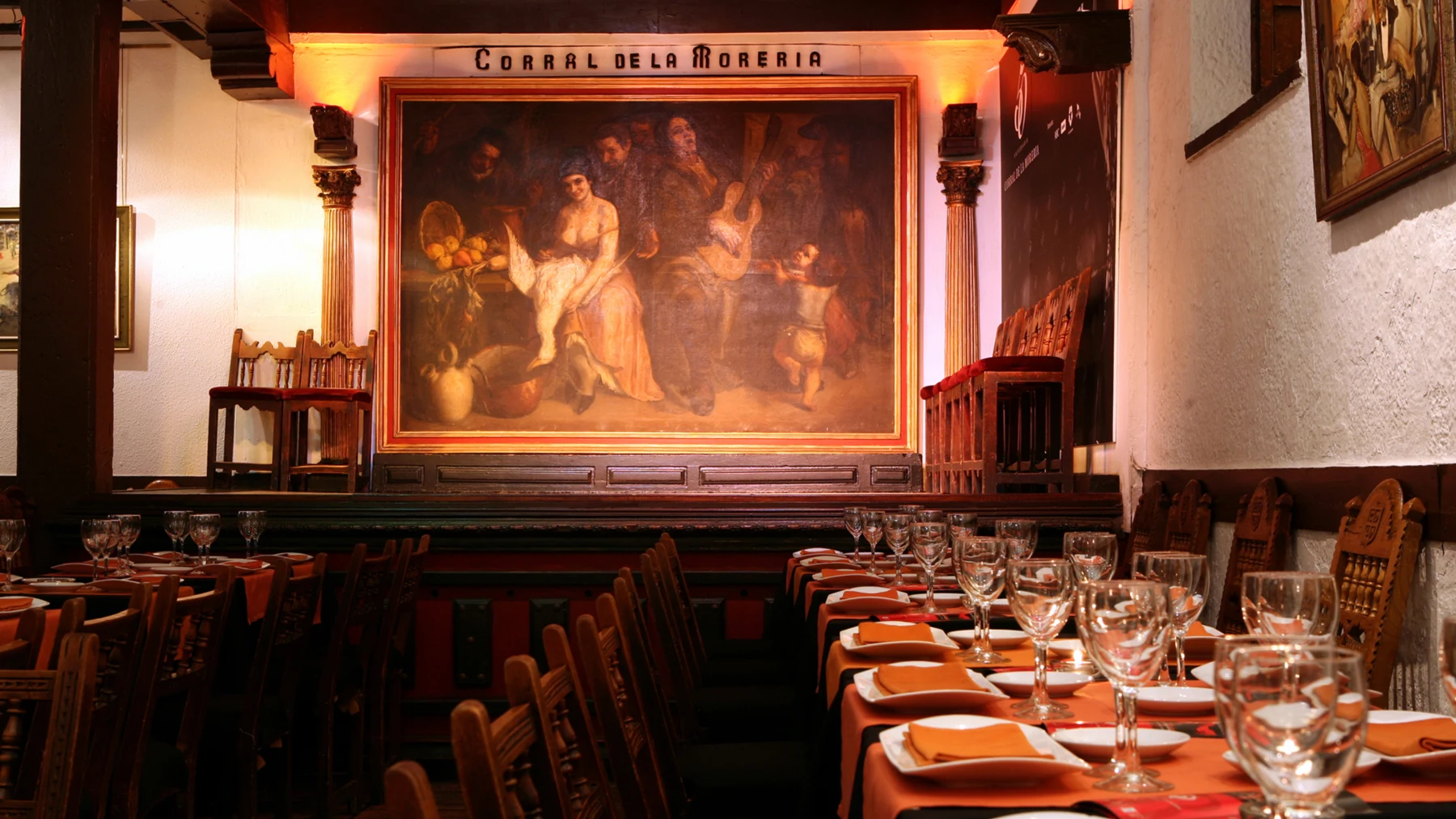
| Corral de la Morería | Modern Spanish Fine Dining with Flamenco | Madrid | Michelin 1 Star |
| Desde 1911 | Premium Seafood Fine Dining | Madrid | Michelin 1 Star |
| DiverXO | Avant-Garde Spanish Tasting Menu | Madrid | Michelin 3 Stars, World's 50 Best |
| DSTAgE | Avant-Garde Spanish Tasting Menus | Madrid | Michelin 2 Stars |
| Paco Roncero | Avant-Garde Spanish Fine Dining | Madrid | Michelin 2 Stars |
Similar places
Modern Spanish Fine Dining
Coque
Madrid, Spain
★★
Modern Spanish Fine Dining with Flamenco
Corral de la Morería
Madrid, Spain
★
Premium Seafood Fine Dining
Desde 1911
Madrid, Spain
★
Avant-Garde Spanish Tasting Menu
DiverXO
Madrid, Spain
★★★ · 50 Best
Avant-Garde Spanish Tasting Menus
DSTAgE
Madrid, Spain
★★
Avant-Garde Spanish Fine Dining
Paco Roncero
Madrid, Spain
★★