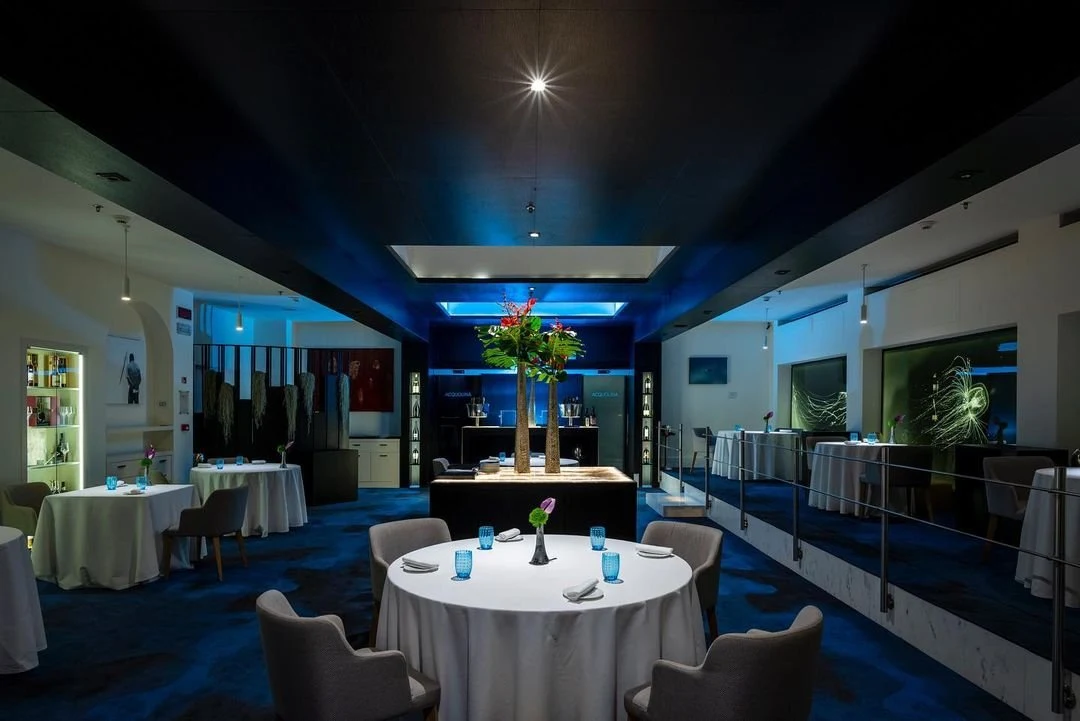
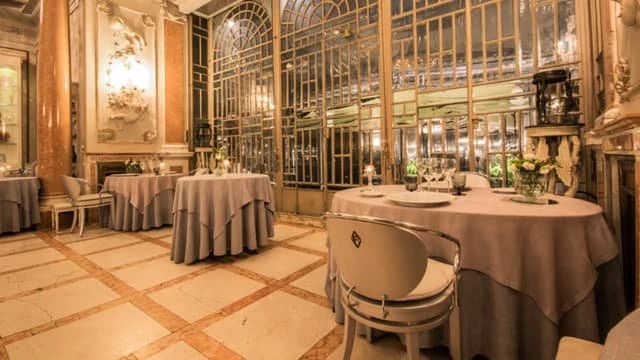
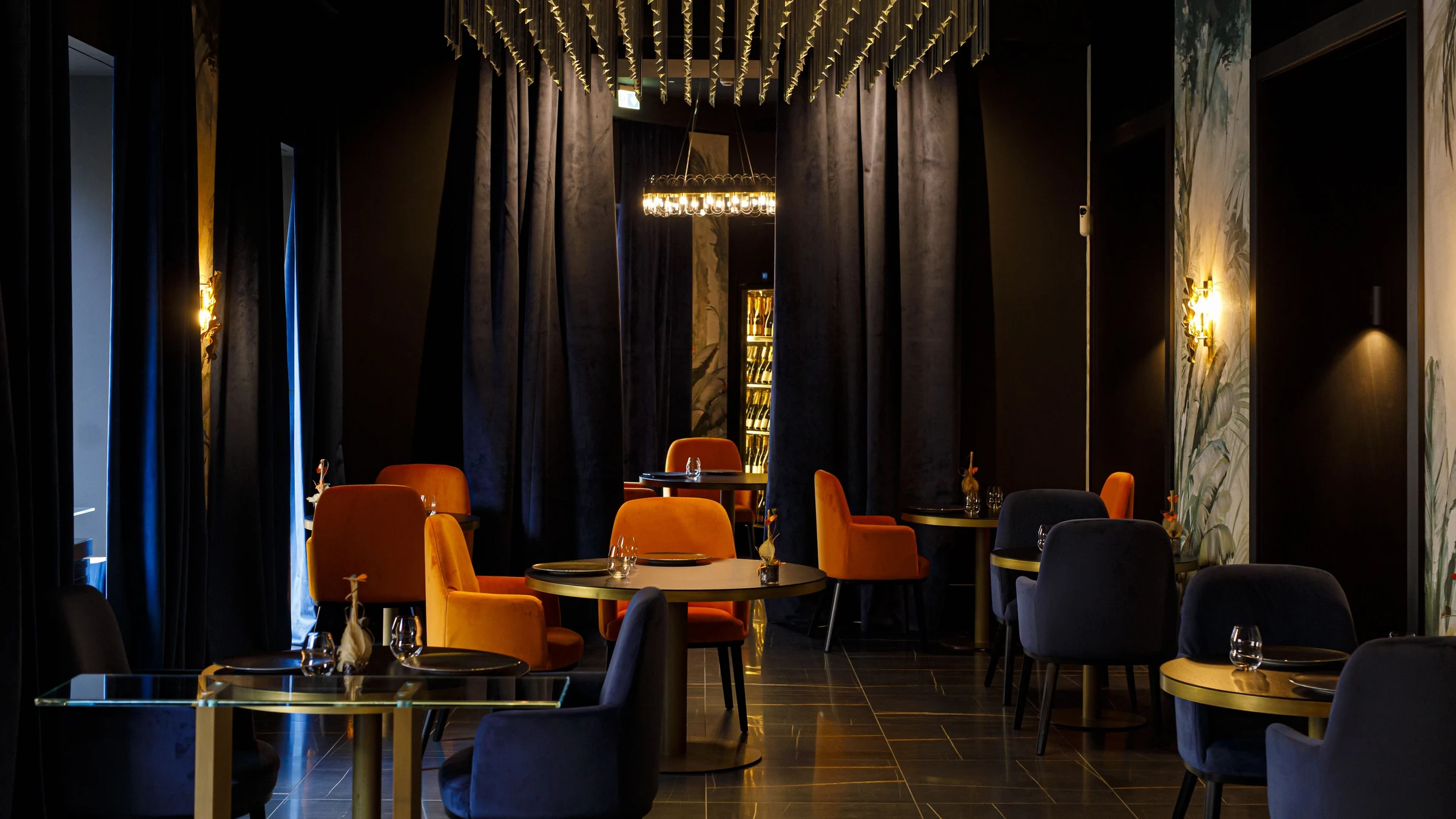
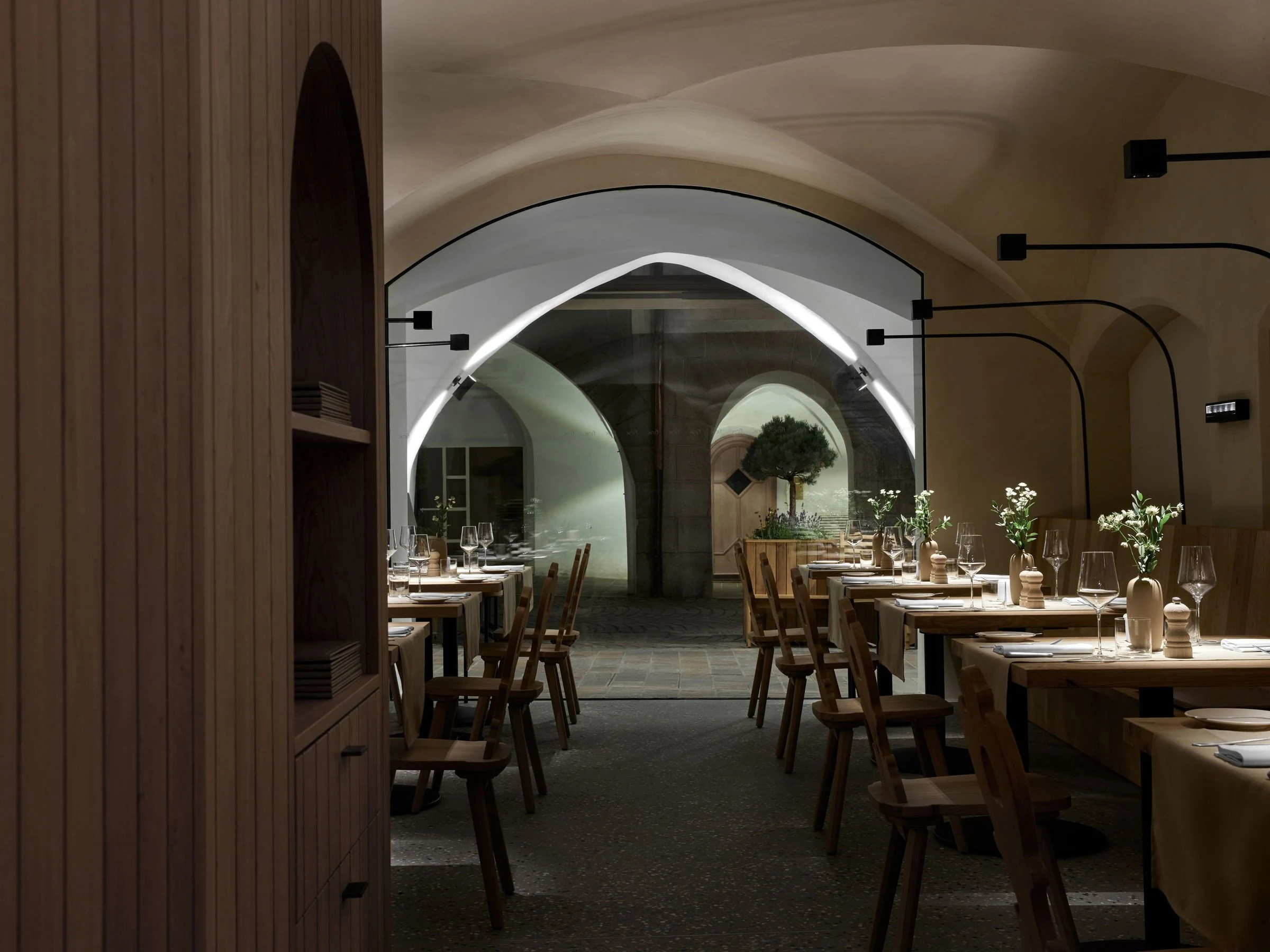
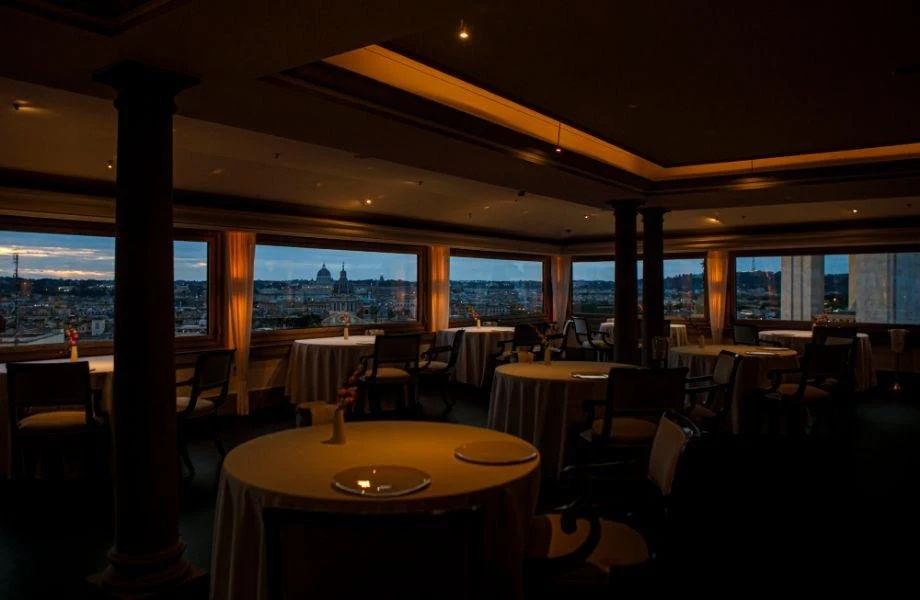
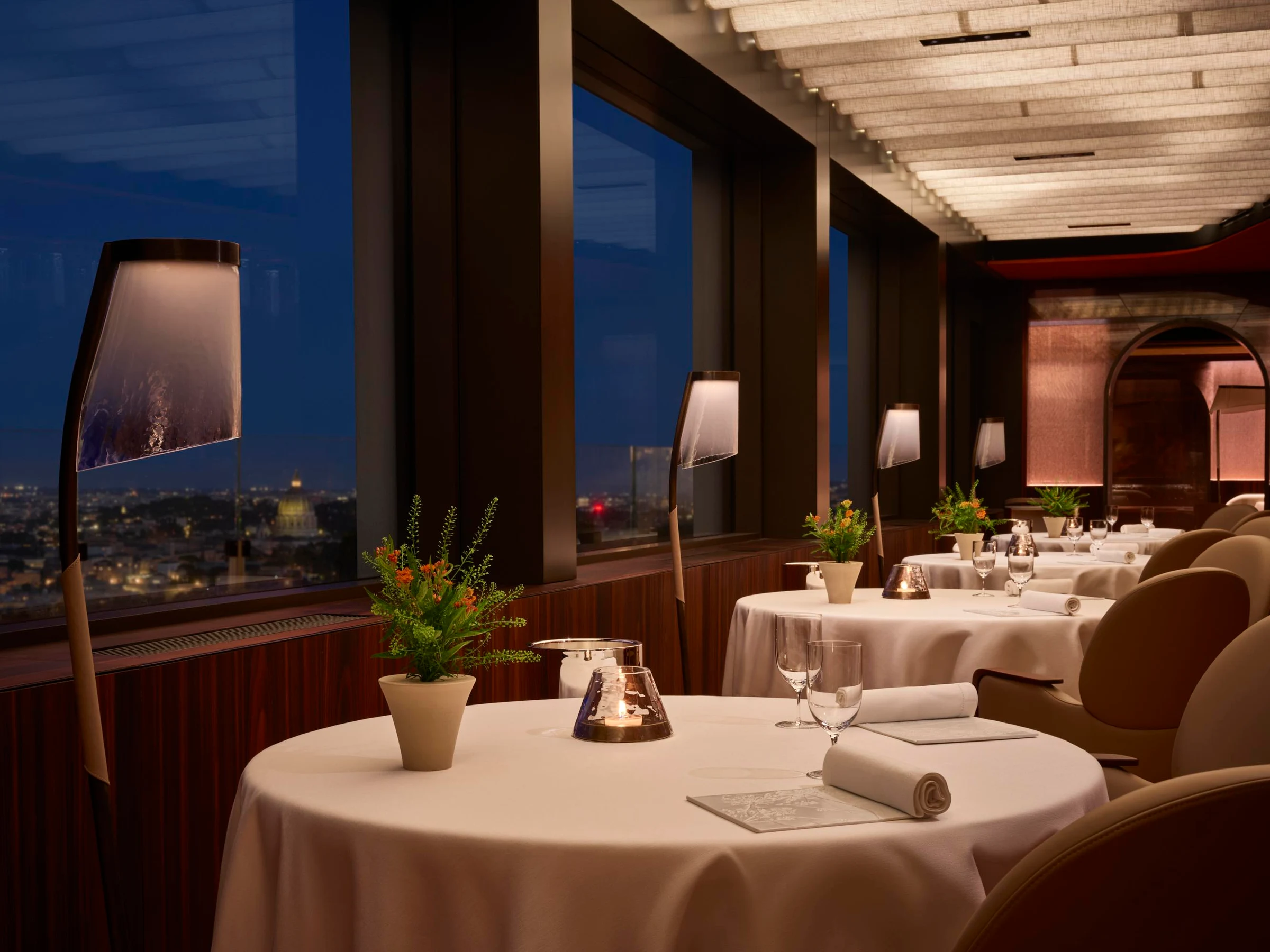
Trecca
- 01CuisineTraditional Roman Trattoria
- 02CityRome, Italy
From the people index
Recommended by
One trusted voice points here.
South of the Centre, South of the Clichés
Rome's dining geography has long been organised around its ancient core: trattorias inside the Aurelian Walls, celebrated addresses near the Vatican, and the cluster of ambitious modern restaurants that orbit the historic centre. Ostiense operates differently. The neighbourhood, dominated by repurposed industrial architecture and blocks of rationalist-era buildings, sits beyond the Pyramid of Cestius and the Protestant Cemetery, in a zone that most visitors pass through rather than stop in. That distance from the tourist circuit is not a liability for the restaurants here; it is the condition that allows them to develop a local character rather than perform one.
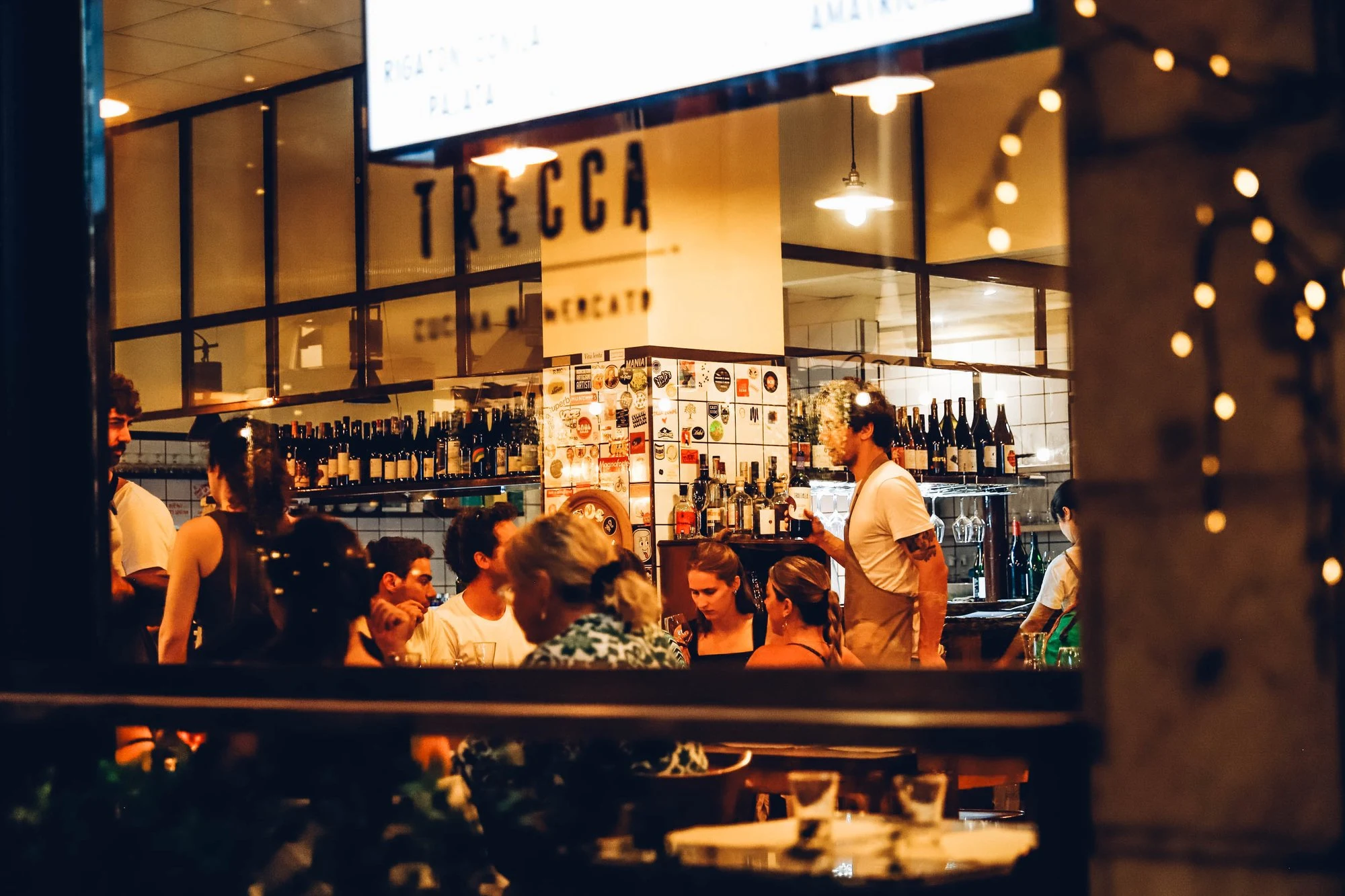
Trecca is a traditional Roman trattoria on Via Alessandro Severo in Rome's Ostiense district, with a casual dress code, essential reservations, and an average spend of about $35 per person. The address alone signals something: a numbered street in a residential quarter of the EUR-adjacent zone, where the clientele arrives because they chose to, not because they stumbled in from the Colosseum. In a city where restaurant positioning is half the story, that distinction matters.
The Architecture of a Meal
Contemporary Italian cooking at this tier tends to organise itself around progression: a sequence in which the early courses establish a register, the middle builds on it, and the final savoury or sweet courses resolve what came before. This is the rhythm that defines the better creative kitchens in Italy right now, from Osteria Francescana in Modena and Le Calandre in Rubano at the highest tier, to the more regionally anchored approach of Uliassi in Senigallia and Reale in Castel di Sangro. It is a format that demands internal logic: each course has to earn its place in the sequence, not simply exist as a standalone dish.
In Rome specifically, this progression-led format has become the distinguishing feature of the creative end of the market. Venues like Enoteca La Torre and Il Pagliaccio operate in this mode, building menus that unfold across multiple courses with wine pairings calibrated to match the arc of the meal rather than individual dishes in isolation. Acquolina applies the same logic to seafood-centric cooking. What distinguishes one kitchen from another within this format is the degree to which the local pantry, the Roman and Lazial larder, shapes the choices made at each stage of the sequence.
What Ostiense Means for the Table
The neighbourhood context is not merely geographic background. Restaurants operating outside Rome's premium central zone tend to price differently, develop their regulars more deliberately, and rely on a word-of-mouth reputation that takes longer to build but proves more durable. This is the pattern visible at creative addresses across Italian cities that lack a single obvious luxury district: the kitchen has to work harder on the food itself, because the address provides none of the ambient prestige that a central location in Florence or Milan can confer.
Across Italy, some of the most precise creative cooking happens at exactly this remove from the obvious circuits. Dal Pescatore in Runate, Piazza Duomo in Alba, and Atelier Moessmer Norbert Niederkofler in Brunico all operate in locations that require a deliberate journey. The food at each has to justify the effort. Trecca's position in Rome's southern quadrant places it in a structurally similar relationship to its dining public: the guest arrives with some intent already established.
Rome's Creative Tier: Where Trecca Sits
At the very leading of Rome's formal dining market, La Pergola remains the three-Michelin-star reference point, a benchmark against which other serious restaurants in the city are implicitly measured. Below that summit, a second tier of creative and contemporary Italian addresses has developed, including Il Pagliaccio, Acquolina, and Achilli al Parlamento, each with distinct approaches to the interplay between classical Roman cooking and modern Italian technique.
Trecca operates within this broader creative movement in Rome, positioned in a district that has quietly accumulated serious restaurant credentials over the past decade. For travellers who have already worked through the central addresses and are looking to extend their understanding of what contemporary Roman cooking looks like outside the obvious zones, the Ostiense area offers a more grounded, less curated version of the same ambitions. Comparisons with Enoteca Pinchiorri in Florence or Enrico Bartolini in Milan underline the point: Italian creative cooking, at this level, is a national conversation, and Rome's contribution to it is increasingly happening south of the historic centre.
Thinking About the Meal as a Whole
The case for approaching any serious Italian restaurant through the lens of progression rather than individual dishes is direct. A single course, however precisely executed, gives you only partial information about what a kitchen can do. The sequence, from the early amuse-bouche register through to how the kitchen handles dessert, is where creative cooking either coheres or exposes its gaps. Internationally, the same argument applies whether you are considering Le Bernardin in New York City or Atomix in New York City: the meal's internal logic is what distinguishes the better kitchens from those that produce impressive moments without a through-line.
At Trecca, as with any address working within the contemporary Italian tasting format, that through-line is the thing worth paying attention to. The specifics of what is on the menu at any given time will shift with the season, but the question of whether the kitchen has a clear editorial voice, whether the courses speak to each other and build toward something, is the question that matters most.
The broader Italian creative scene offers several frames of reference for assessing this kind of cooking. Quattro Passi in Marina del Cantone works a coastal Italian register with similar progression logic. Achilli al Parlamento in central Rome takes a more wine-led approach to the same multi-course format. What each has in common is a commitment to the meal as a designed arc rather than a menu of options.
Know Before You Go
- Address: Via Alessandro Severo, 220, 00145 Roma RM, Italy
- District: Ostiense, south of central Rome
- Booking: Reservations are essential
- Price range: About $35 per person
Questions
Frequently asked
How expensive is Trecca?
Trecca is listed at a price level of $$.
Where is Trecca and what does it serve?
Trecca is in Ostiense, Rome, serving Traditional Roman Trattoria.
The field
How it compares
| Place | Cuisine | Notes | Awards |
|---|---|---|---|
| Trecca | Traditional Roman Trattoria | Ostiense, $$ | · |
| Acquolina | Modern Mediterranean Seafood Fine Dining | Rome | Michelin 2 Stars |
| Enoteca La Torre | Modern Italian Fine Dining | Rome | Michelin 2 Stars |
| Idylio by Apreda | Modern Mediterranean-Asian Fusion | Rome | Michelin 1 Star |
| Il Pagliaccio | Modern Italian-Japanese Fusion Fine Dining | Rome | Michelin 2 Stars |
| Imàgo | Modern Italian Fine Dining | Rome | Michelin 1 Star |
| La Pergola | Modern Italian Fine Dining | Rome | Michelin 3 Stars |
Similar places
Modern Mediterranean Seafood Fine Dining
Acquolina
Rome, Italy
★★
Modern Italian Fine Dining
Enoteca La Torre
Rome, Italy
★★
Modern Mediterranean-Asian Fusion
Idylio by Apreda
Rome, Italy
★
Modern Italian-Japanese Fusion Fine Dining
Il Pagliaccio
Rome, Italy
★★
Modern Italian Fine Dining
Imàgo
Rome, Italy
★
Modern Italian Fine Dining
La Pergola
Rome, Italy
★★★