Moschofilero through several skins
- Falstaff Winery - Listed · 2026
- Pearl 2 Star Prestige · 2025
Moschofilero kept in motion
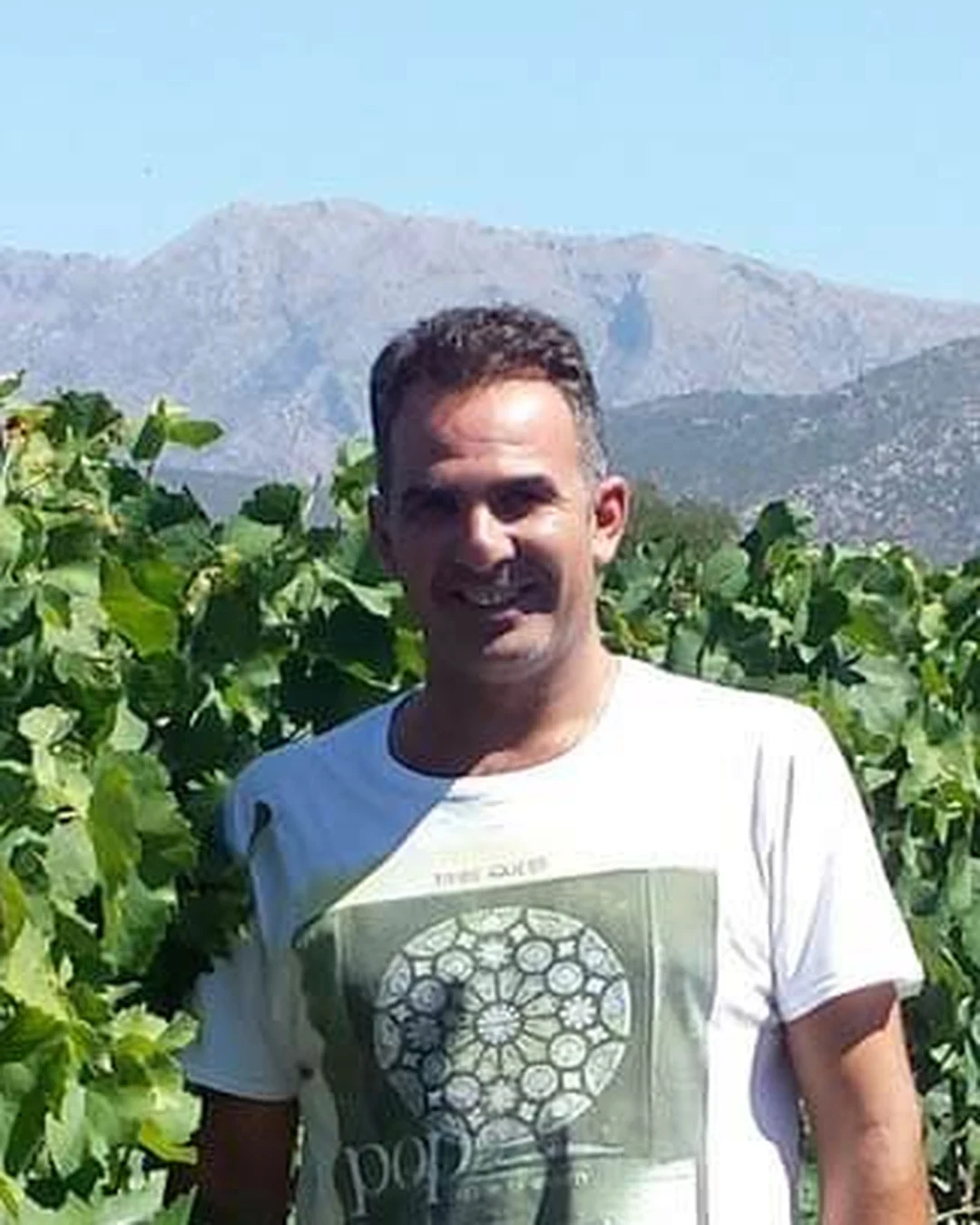
Pink-skinned Moschofilero sets the terms before the cellar does. Yiannis Troupis, winemaker at Troupis Winery in Mantinia, works the grape as the house’s core material, not as a fixed style. His station is broader than the title suggests: he is also manager of viticulture and director, joining the rows to the cellar without handing the work off between disciplines. Fruit condition, picking judgment, fermentation choice and final bottling sit inside the same line of attention.
The lineage stated by the house is family ownership rather than a named apprenticeship, and Troupis’s role reads through that structure. He has not treated Moschofilero as a single aromatic answer to the Mantinia PDO. He has used it to test range, drawing rosé, orange wine and even a light red from a variety more often held to white wine expectations. That first move in Mantinia matters because it keeps the grape tied to place while widening its working vocabulary. The gesture is technical before it is rhetorical: indigenous yeasts, low-intervention cellar work, and a willingness to let a pink-skinned grape carry color, texture and form.
A grape worked through several skins
The program at Troupis Winery is small in scale and organic in philosophy, with Moschofilero at the center and Agiorgitiko, Mavrodaphne and Kolliniatiko also in the cellar’s language. The house works across still white, still rosé, orange and dessert wines, a range that gives the bench more than one way to listen to the same vineyard material. Hoof & Lur Moschofilero, Route Gris, Fteri Moschofilero, Ekato Moschofilero Rosé and Tomi Rose make that argument bottle by bottle: different handling, same indigenous thread.
Low-yield private vineyards supply the house’s stated point of departure. In the cellar, Troupis’s signature rests on low-intervention winemaking guided by indigenous yeasts, a method that asks the maker to intervene with timing rather than force. The grape’s skin is not incidental here. Moschofilero’s pink cast gives the winery room to work with hue, phenolic grip and aromatic lift, particularly in rosé and orange forms, without leaving the Mantinia frame. The discipline is restraint with range.
The cellar beside the plateau
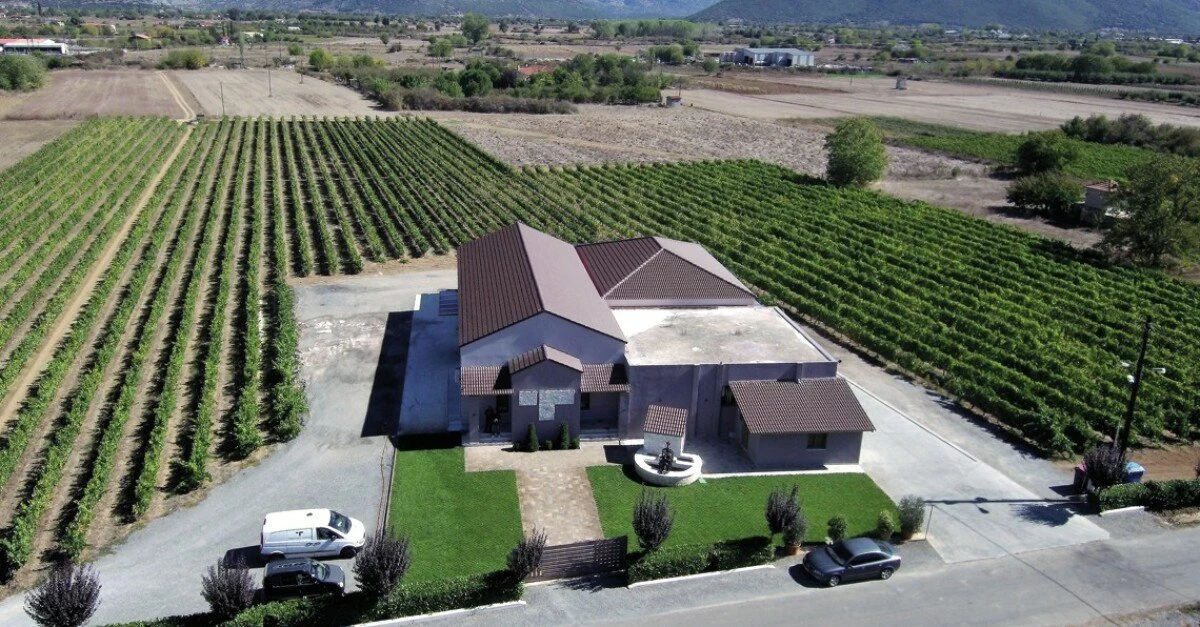
The room around the work is quiet, intimate and modernized, with a family atmosphere that suits a winery built around close decisions rather than spectacle. The cellar sits on a high-altitude plateau in Arcadia, with vineyard views and villages held in the distance. That landscape is not decoration for the tasting room; it is the visible edge of the work Troupis carries as manager of viticulture and winemaker. The rows are part of the conversation before the glass reaches the counter.
Inside, the hospitality is direct and unforced. Tours and tastings lead back to the same question the wines ask in different forms: what can Moschofilero do when the method stays open and the origin stays fixed. The still whites show one answer, the rosés another, the orange wines another again. The close attention remains on the grape, especially in Hoof & Lur Moschofilero.
Questions
Frequently asked
Who is behind Troupis Winery in Mantinia?
Yiannis Troupis is the winemaker, and he also works as manager of viticulture and director. The winery is family-owned.
What is Troupis Winery known for?
The winery works Moschofilero as its core grape, using it for still white, rosé, orange and even a light red wine. Hoof & Lur Moschofilero is singled out in the page copy as a close focus.
What kind of winemaking does the cellar follow?
Troupis Winery follows a low-intervention approach guided by indigenous yeasts. The house is described as small in scale and organic in philosophy.
Is visiting Troupis Winery straightforward to arrange?
Tours and tastings are offered, and reservations are recommended. The winery also notes on-site parking and a casual dress code.
The field
How it compares
| Place | Notes | Awards |
|---|---|---|
| Troupis Winery | Mantinia, $$ | · |
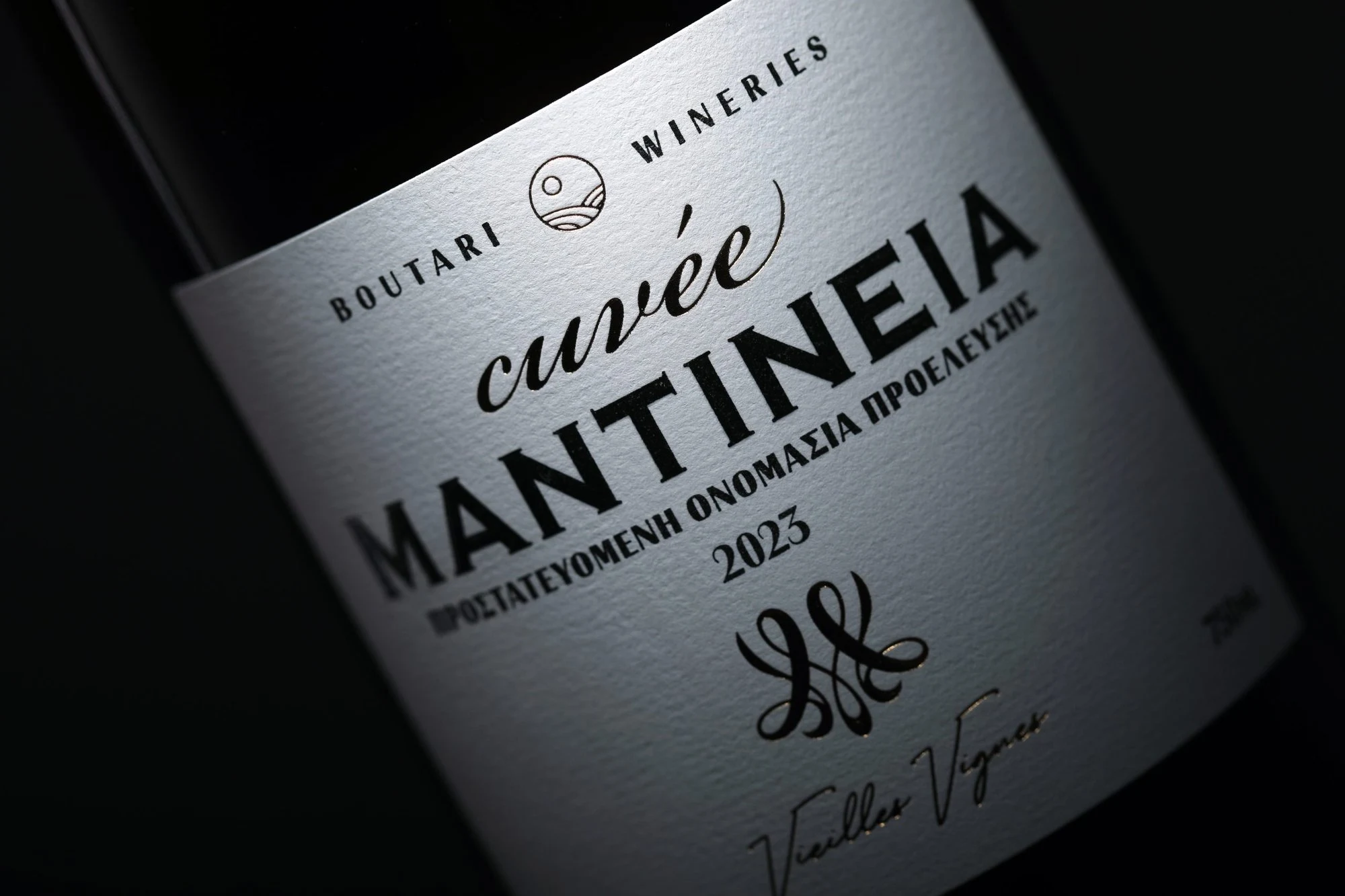
| Boutari Winery (Mantinia) | Mantinia | · |
| Creation Wines | Hermanus | World's 50 Best |
| Domaine Arnaud Ente | Meursault | · |
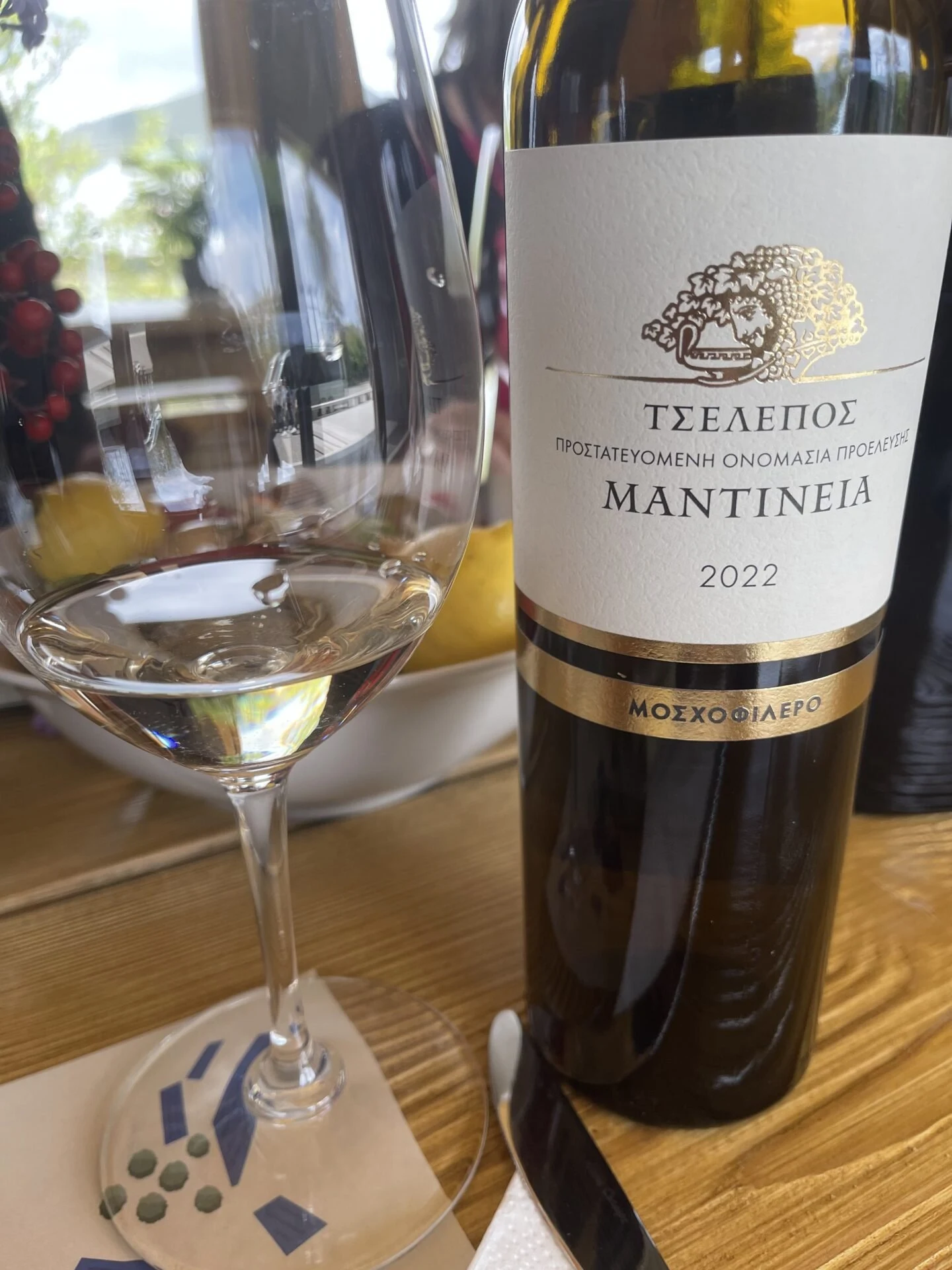
| Ktima Tselepos | Mantinia | · |
| Mission Hill Family Estate | West Kelowna | World's 50 Best |
| Weingut Dr. Loosen | Bernkastel-Kues | World's 50 Best |