- Opinionated About Dining Top Restaurants in Japan Recommended · 2026
- Tabelog 100 #89: 3.9pts · 2025
- Opinionated About Dining Top Restaurants in Japan Ranked #239 · 2025
- Opinionated About Dining Top Restaurants in Japan Ranked #262 · 2024
- Opinionated About Dining Top Restaurants in Japan Highly Recommended · 2023
Karatsu and the Sourcing Advantage
Karatsu sits on the northwestern coast of Saga Prefecture, where Matsuura Bay opens into the Genkai Sea. That geography is not incidental to the sushi served here. The Genkai Sea is one of the most productive cold-water fishing grounds in western Japan, feeding into the broader Kyushu seafood economy that supplies restaurants from Fukuoka down to Nagasaki. A sushi counter operating in Karatsu has direct access to day-boat fish that a Tokyo omakase would source through Toyosu. This is one reason regional sushi, practised seriously, can compete on ingredient terms with metropolitan counters.
Tsukuta operates inside that argument. Located at 1879-1 Nakamachi in central Karatsu, it serves lunch sessions from noon to 2 pm and dinner from 5:30 to 9 pm, Wednesday through Saturday. The closure from Sunday to Tuesday is typical of high-commitment counter operations in Japan, where the kitchen's rhythm aligns with market schedules and preparation cycles rather than maximising weekly covers.
Where Tsukuta Sits in the Japan Sushi Ranking
The Opinionated About Dining guide listed Tsukuta at number 239 among all restaurants in Japan in 2025. That follows a number 262 ranking in 2024 and a Highly Recommended designation in 2023.
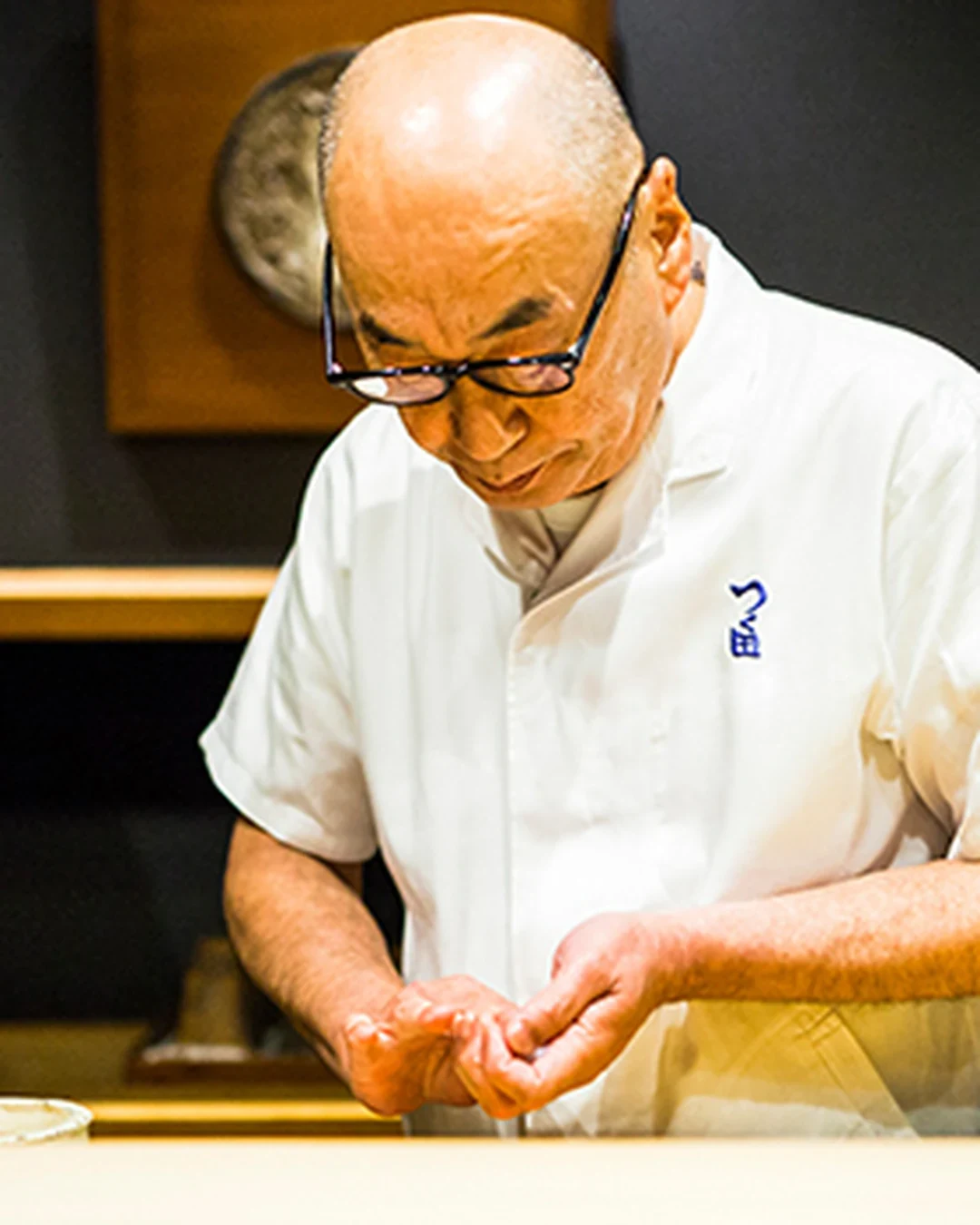
For context, that ranking places Tsukuta ahead of many Tokyo counters that benefit from higher footfall and better name recognition simply by location. Chef Yuji Matsuo's counter in Karatsu is, on that evidence, operating at a level that sits comfortably within the national sushi conversation, not merely the regional one.
The sushi category within OAD Japan is competitive at this tier. Counters ranked in the 200-300 range are typically operating with fully formed omakase programs and seasonal ingredient rotation. Tsukuta's Google rating of 4.3 from 146 reviews adds a secondary signal: this is a counter with a consistent record across a meaningful sample, not a venue coasting on one strong season.
The Genkai Sea on the Plate
The sourcing logic of Kyushu sushi differs from Kanto in one structural way. Tokyo's great sushi houses draw on Toyosu's aggregated national supply, which means access to fish from Hokkaido, the Sanriku coast, and the Sea of Japan all in one market. That breadth is a genuine advantage for variety. What it cannot replicate is the hyperlocal relationship between a counter and its regional fishermen, where the chef's specifications feed directly back into what boats target and how catch is handled on deck.
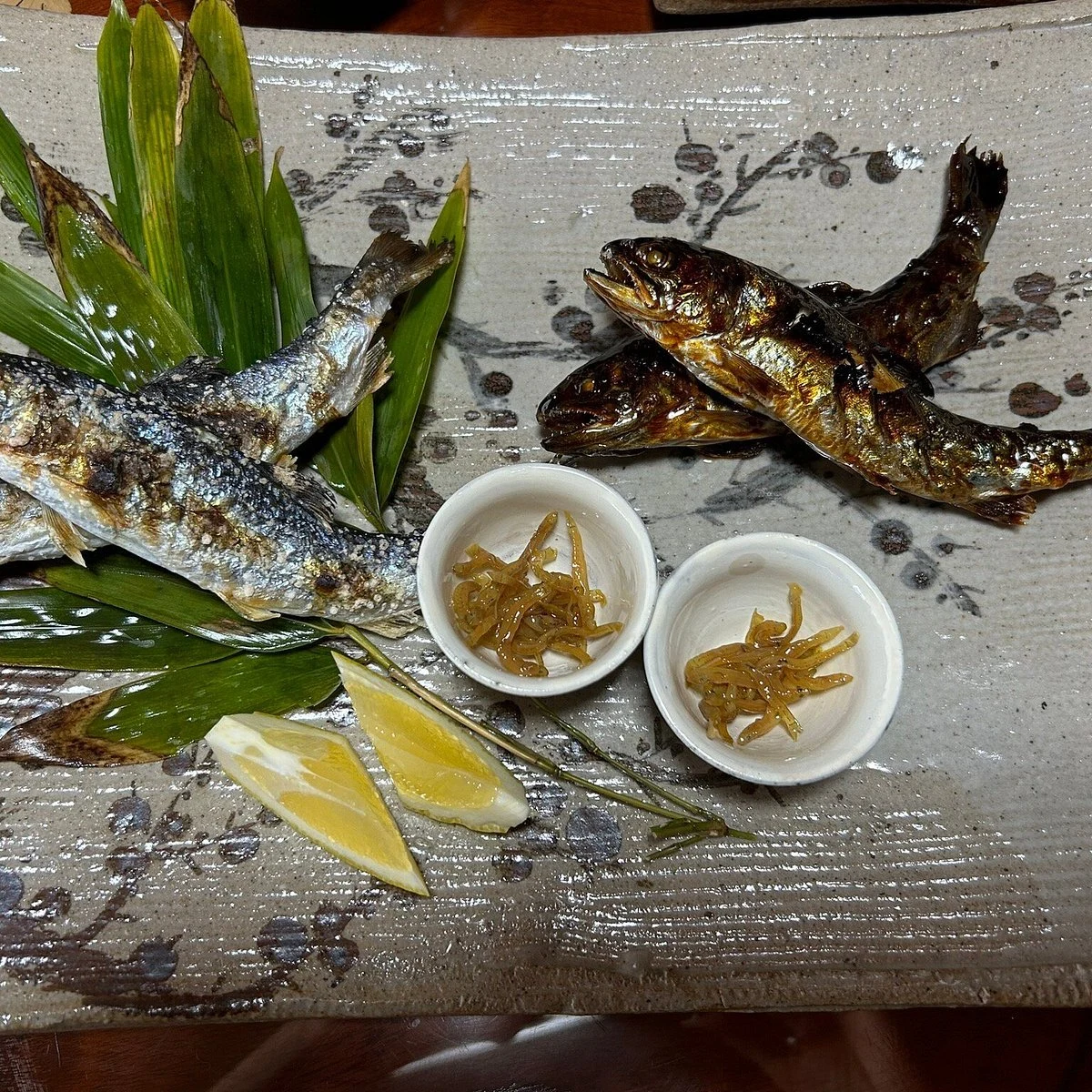
Genkai Sea supplies golden sea bream, squid varieties specific to the region, and seasonal migratory fish that pass through on different schedules than the Pacific routes familiar to eastern Japanese sushi. Karatsu has historically been a port city, and that maritime infrastructure supports the kind of direct sourcing relationship that defines the Kyushu counter model. At a restaurant like Tsukuta, the sourcing radius is short enough that the fish on the counter in the evening may have been in the water the same morning. That is not a guarantee of quality in itself, but it removes several variables that metropolitan sourcing cannot.
Reading the Format
The Wednesday-to-Saturday schedule, split between lunch and dinner service, points to a counter built around preparation rather than volume. Sushi at this level requires daily rice adjustment, daily fish assessment, and in many cases overnight marination or curing of specific cuts. The four-day window allows the kitchen to work at a pace that serves the ingredient rather than the booking calendar.
Karatsu itself sits roughly an hour from Fukuoka by train or car, which makes Tsukuta accessible as a day-trip destination from Fukuoka without requiring an overnight stay. For visitors already in the region, it also pairs naturally with Karatsu's other draws: the castle, the pottery tradition, and the broader Saga cultural offer.
The Saga Dining Context
Saga Prefecture does not occupy the same dining profile as Fukuoka or Kyoto, which means that serious restaurants here operate without the diner traffic those cities generate. That changes the dynamics of discovery. Venues like Amegen, a seafood-focused counter in the region, and Souan Nabeshima represent the breadth of the Saga dining offer, while Sumiyaki Hamburger Steak Gyusen points to the prefecture's strong local beef culture operating in a more accessible price bracket. Tsukuta anchors the premium sushi end of that spectrum.
The broader Japan sushi tier that Tsukuta competes within includes counters like Harutaka in Tokyo, and the regional expansion of serious Japanese dining is tracked through venues like Goh in Fukuoka, Gion Sasaki in Kyoto, and HAJIME in Osaka. Further afield, the Japanese sushi model has been exported with varying fidelity to Sushi Shikon in Hong Kong and Shoukouwa in Singapore, both of which operate at the upper end of the regional sushi tier outside Japan. Other notable Japanese dining destinations worth considering include akordu in Nara, 1000 in Yokohama, 6 in Okinawa, and Abon in Ashiya.
Planning Your Visit
Tsukuta opens Wednesday through Saturday, with lunch from noon to 2 pm and dinner from 5:30 to 9 pm. Reservations are essential. The address is 1879-1 Nakamachi, Karatsu, Saga 847-0051.
Questions
Frequently asked
Who works at Tsukuta?
Made By profiles Yuji Matsuo (Chef) at Tsukuta.
How expensive is Tsukuta?
Tsukuta is listed at a price level of $$$.
Where is Tsukuta and what does it serve?
Tsukuta is in Karatsu, Saga, serving Karatsu-mae Edomae Sushi Omakase.
The field
How it compares
| Place | Cuisine | Notes | Awards |
|---|---|---|---|
| Tsukuta | Karatsu-mae Edomae Sushi Omakase | Karatsu, $$$ | · |
| 8 1/2 Otto e Mezzo Bombana (Hong Kong) | 3 Michelin-Star Italian Fine Dining | Hong Kong | Michelin 3 Stars, World's 50 Best |
| Amegen | Traditional Japanese River Cuisine | Saga | · |
| Disfrutar | Avant-Garde Catalan Fine Dining | Barcelona | Michelin 3 Stars, World's 50 Best |
| focus ATELIER | Modern French Fine Dining | Vitznau | Michelin 2 Stars |
| Robuchon au Dôme | Contemporary French Fine Dining | Macau | Michelin 3 Stars |
| Zén | Neo-Nordic with Japanese Influences | Singapore | Michelin 3 Stars, World's 50 Best |
In residence
Similar places
3 Michelin-Star Italian Fine Dining
8 1/2 Otto e Mezzo Bombana (Hong Kong)
Hong Kong, Hong Kong
★★★ · 50 Best
Traditional Japanese River Cuisine
Amegen
Saga, Japan
Avant-Garde Catalan Fine Dining
Disfrutar
Barcelona, Spain
★★★ · 50 Best
Modern French Fine Dining
focus ATELIER
Vitznau, Switzerland
★★
Contemporary French Fine Dining
Robuchon au Dôme
Macau, Macau
★★★
Neo-Nordic with Japanese Influences
Zén
Singapore, Singapore
★★★ · 50 Best