Made ByWinery
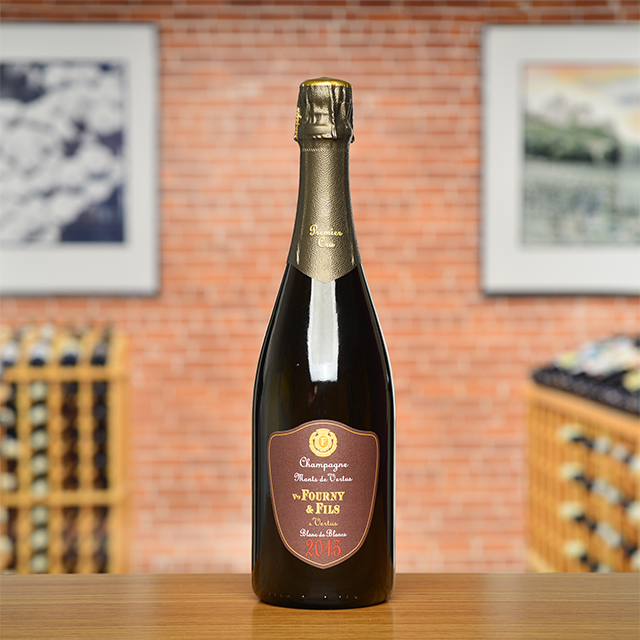
Veuve Fourny & Fils is a grower Champagne house in Blancs-Coteaux with roots stretching back to 1860, now producing under the direction of brothers Charles-Henry and Emmanuel Fourny. Awarded Pearl 3 Star Prestige recognition in 2025, the domaine represents the serious, terroir-driven tier of Côte des Blancs production, a benchmark for those tracing Chardonnay-forward Champagne at the grower level.
At a glance
- Price
- $$$
- Neighborhood
- Blancs-Coteaux
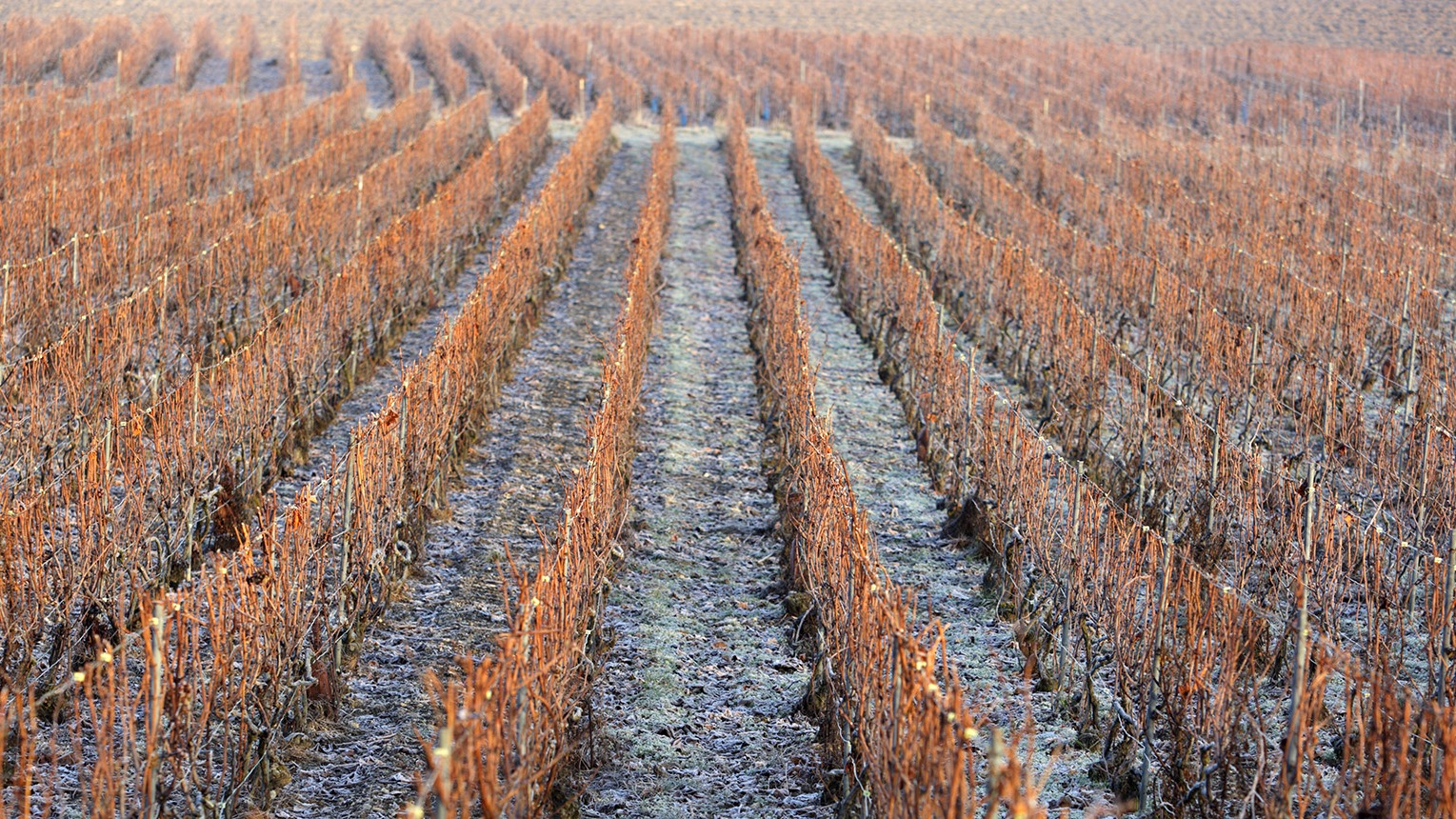
<h2>The Côte des Blancs and the Grammar of Grower Champagne</h2><p>Veuve Fourny & Fils is a family-owned grower Champagne house in Blancs-Coteaux, with a first vintage recorded in 1860, a 2025 Pearl 3 Star Prestige award, and a price tier of 3. This is not the range of the grandes maisons, The growers here work smaller parcels, and their wines carry the imprint of specific soils and specific seasons rather than the house consistency that defines the négociant model. Veuve Fourny & Fils has operated within this grower tradition across multiple generations. The 2025 Pearl 3 Star Prestige award places it among the region's recognised grower producers.</p><h2>Charles-Henry and Emmanuel Fourny: What the Names Signal</h2><p>In grower Champagne, the winemakers are also the viticulturalists, and the work in the vineyard shapes everything that follows. Charles-Henry and Emmanuel Fourny represent the current generation of a house that has been farming the same chalk soils since the mid-nineteenth century. That duration matters less as a marketing point and more as a structural one: long-tenure growers accumulate parcel knowledge, vine age, and a working understanding of how specific plots perform across different vintages. Houses like this one do not blend away variability, they interpret it.</p><p>This is one of the distinguishing features of the serious grower tier across Champagne. Where the Côte des Blancs grower scene once operated in the shadow of large Épernay and Reims houses, it has in recent decades developed its own critical vocabulary. Producers at this level are assessed against peers like <a href="https://www.enprimeurclub.com/wineries/laherte-freres">Laherte Frères</a> in the Vallée de la Marne, whose biodynamic approach and multi-cépage range define a different but adjacent corner of the grower movement. The Fourny brothers sit within the Chardonnay-dominant tradition that the Côte des Blancs produces most naturally, a terroir argument rather than a blending one.</p><h2>Vertus Premier Cru and What That Classification Means</h2><p>Vertus carries Premier Cru status in Champagne's village classification system, a designation that reflects the historical assessment of the area's chalk soils and their suitability for Chardonnay. The classification is not recalibrated frequently, which means it carries the inertia of decades of observed quality rather than current critical fashion. For a house that has farmed here since 1860, the Premier Cru designation is less a marketing credential and more a structural context: the raw material has been there for a long time, and the question is always what the producer does with it.</p><p>At the grower level, terroir expression tends to manifest in cuvée architecture, the way a house decides to separate its parcels, age its base wines, and determine dosage levels. These are the decisions that differentiate one grower's house style from another's even within the same village. The Pearl 3 Star Prestige recognition awarded in 2025 suggests that the Fourny approach to these decisions has been evaluated and found to sit at the upper end of the quality register for this category.</p><h2>The Broader Grower Champagne Context</h2><p>The grower Champagne category has expanded significantly in critical visibility over the past two decades. Buyers who would once have defaulted to the grandes maisons now actively seek out récoltant-manipulants, growers who farm and produce their own wine, as a different tier of expression. This is not a uniform improvement argument; plenty of grower production is unremarkable. What it has created, however, is a more stratified market in which houses at the serious end of grower production, those with demonstrable terroir credentials, vine age, and technical consistency, occupy a distinct competitive set from both mass-production houses and the mid-tier négociants.</p><p>Veuve Fourny & Fils sits in that stratified upper grower tier. A founding date of 1860 places it among the oldest continuous grower operations in the appellation, and the 2025 prestige recognition adds a current quality signal to what is otherwise a long institutional record. Across France, other producers in adjacent categories, <a href="https://www.enprimeurclub.com/wineries/albert-boxler-niedermorschwihr-winery">Albert Boxler in Niedermorschwihr</a>, for example, working Alsace's Grand Cru terroirs with comparable generational depth, represent the same model of family continuity producing wines assessed against the upper tier of regional production. The logic is similar even when the grapes and methods differ.</p><p>This is also the category in which provenance and transparency carry the most weight. A buyer engaging with grower Champagne is, in effect, buying a terroir argument: this chalk, these vines, this season, these hands. That argument requires a track record to be credible, and a house operating since 1860 has one.</p><h2>Visiting the Domaine: Planning Notes</h2><p>Veuve Fourny & Fils is located at 5 Rue du Mesnil, 51130 Blancs-Coteaux. The address situates the domaine in the working winery environment typical of grower producers in this part of Champagne: small-scale, production-focused, and operating on appointment rather than the walk-in tasting room model associated with larger houses.</p><p>Visits are by appointment only. Houses in this category do not maintain large hospitality teams, and visits are typically arranged directly with the domaine. The domaine itself is in the commune of Blancs-Coteaux, the administrative merger that brought together several of the Côte des Blancs' key villages.</p><p>Champagne tourism in this part of the appellation rewards patience and planning. Unlike the grand cave tours of Reims and Épernay, a visit to a grower producer is a quieter, more technical encounter, conversations about vintage conditions, parcel performance, and dosage philosophy replace the theatrical cellars of the grandes maisons. It is a different kind of engagement with the same appellation. <a href="https://www.enprimeurclub.com/wineries/chateau-branaire-ducru-st-julien">Château Branaire Ducru in St-Julien</a>, <a href="https://www.enprimeurclub.com/wineries/chateau-clinet-pomerol">Château Clinet in Pomerol</a>, and <a href="https://www.enprimeurclub.com/wineries/chateau-belair-monange-saint-emilion-winery">Château Bélair-Monange in Saint-Emilion</a> represent comparable family-scale, terroir-driven operations in Bordeaux, while <a href="https://www.enprimeurclub.com/wineries/chateau-cantemerle-haut-medoc">Château Cantemerle in the Haut-Médoc</a> and <a href="https://www.enprimeurclub.com/wineries/chateau-batailley-pauillac-winery">Château Batailley in Pauillac</a> add further reference points for generational continuity in French wine production. For those broadening beyond France, <a href="https://www.enprimeurclub.com/wineries/accendo-cellars">Accendo Cellars in St. Helena</a> and <a href="https://www.enprimeurclub.com/wineries/aberlour-aberlour-winery">Aberlour in Aberlour</a> offer contrasting perspectives on what producer pedigree looks like in Napa and Speyside respectively. Additional EP Club coverage of producers working at the prestige tier of regional French production includes <a href="https://www.enprimeurclub.com/wineries/chateau-bastor-lamontagne">Château Bastor-Lamontagne in Preignac</a>, <a href="https://www.enprimeurclub.com/wineries/chateau-d-arche-sauternes-winery">Château d'Arche in Sauternes</a>, <a href="https://www.enprimeurclub.com/wineries/chateau-boyd-cantenac-cantenac-winery">Château Boyd-Cantenac in Cantenac</a>, <a href="https://www.enprimeurclub.com/wineries/chartreuse-voiron-winery">Chartreuse in Voiron</a>, and <a href="https://www.enprimeurclub.com/wineries/chateau-desclans">Château d'Esclans in Courthézon</a>.</p>
Know before you go
- Dress code
- smart_casual
- Reservations
- appointment_only
- Groups
- Welcomed
Frequently asked
What accolades does Veuve Fourny & Fils have?
Veuve Fourny & Fils has received recognition including: Pearl 3 Star Prestige (2025).
What's the address for Veuve Fourny & Fils?
Veuve Fourny & Fils is located at 5 Rue du Mesnil, 51130 Blancs-Coteaux, Blancs-Coteaux.
What's the signature bottle at Veuve Fourny & Fils?
Veuve Fourny & Fils works exclusively with Premier Cru Vertus terroir on the Côte des Blancs, a chalk-ridge appellation that strongly favours Chardonnay. The domaine's range centres on that single-village expression, with Charles-Henry and Emmanuel Fourny overseeing both vineyard and cellar. Specific cuvée availability is best confirmed directly with the domaine ahead of your visit.
Why do people go to Veuve Fourny & Fils?
The domaine holds a Pearl 3 Star Prestige rating (2025), placing it in the upper tier of grower Champagne recognition. Its roots in Vertus extend to 1860, which gives the house one of the longer continuous track records among independent producers on the Côte des Blancs. For buyers moving away from the major négociant houses, Fourny represents a direct line to a single Premier Cru village and named winemakers.
Is Veuve Fourny & Fils reservation-only?
Grower producers working at the Pearl 3 Star Prestige level in Champagne operate by appointment as a matter of course. The domaine is located at 5 Rue du Mesnil in Blancs-Coteaux, and visits should be arranged in advance through direct contact with the estate. Arriving without an appointment is unlikely to result in a tasting at a house of this standing.
Address
5 Rue du Mesnil, 51130 Blancs-Coteaux
Blancs-Coteaux · Champagne
How it compares
- Price
- $$$
- Awards
- 1 recognition
- Notes
- Blancs-Coteaux, Chardonnay, Pinot Noir
- Price
- $$$
- Awards
- 1 recognition
- Notes
- Coteaux Sud d'Epernay, Pinot Meunier, Chardonnay
- Price
- $$$
- Awards
- 1 recognition
- Notes
- Cuis, Chardonnay, Pinot Noir
- Price
- $$$
- Awards
- 1 recognition
- Notes
- Reims, Chardonnay, Pinot Noir
- Price
- $$$
- Awards
- 1 recognition
- Notes
- Ludes, Pinot Noir, Chardonnay
- Price
- $$$
- Awards
- 1 recognition
- Notes
- Dizy, Chardonnay, Pinot Noir