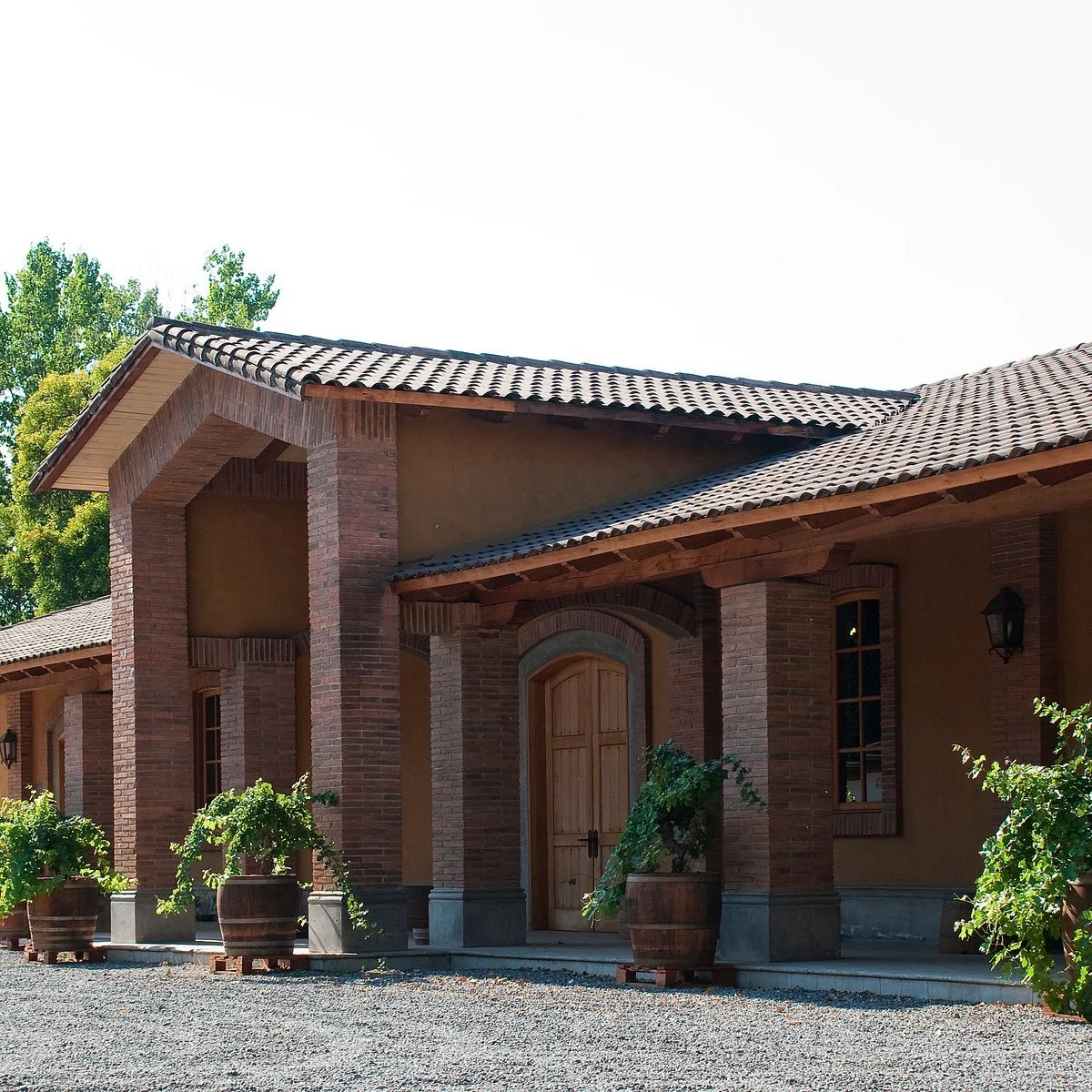
One of Isla de Maipo's most established estates, Viña Tarapacá earned a Pearl 3 Star Prestige rating in 2025, placing it among the upper tier of Chilean winery experiences. Set on Fundo El Rosario in the Maipo Valley, the property draws visitors interested in the region's Cabernet Sauvignon tradition and the format of a serious Chilean estate tasting. Plan ahead: availability at prestige-rated estates in this valley tends to tighten.
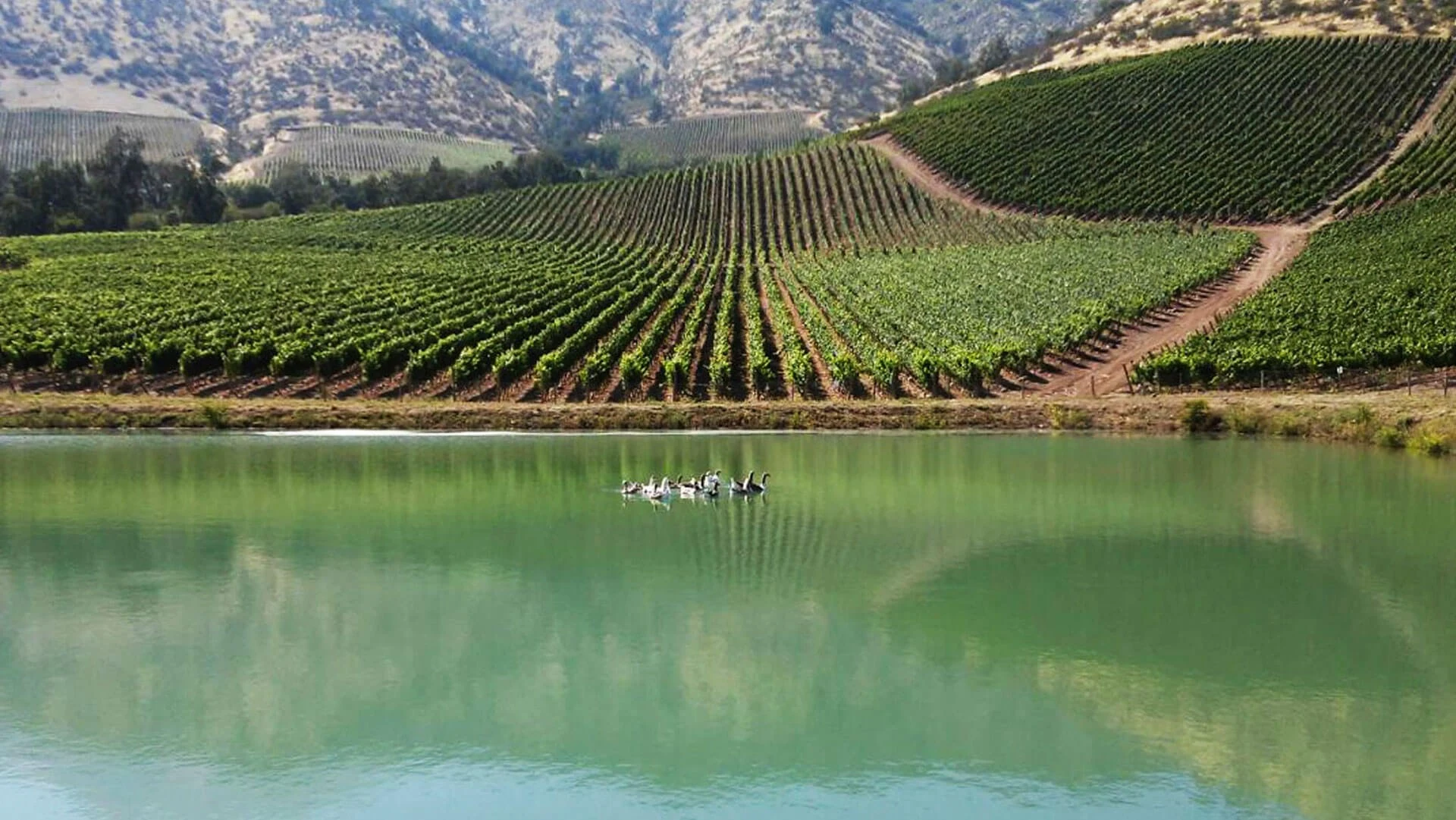
<h2>Maipo Valley's Tasting Room Tradition and Where Viña Tarapacá Fits</h2><p>The Maipo Valley doesn't announce itself subtly. Arriving at Fundo El Rosario, the agricultural scale of Chilean viticulture becomes immediately legible: long vine rows running toward the Andes foothills, the kind of established estate geography that has shaped this valley's identity since the nineteenth century. Chile's wine country south of Santiago operates differently from the boutique-first model that defines Napa or Burgundy. Here, the dominant format is the full estate experience, where the land itself functions as the first argument for the wines poured inside.</p><p>Within that tradition, Viña Tarapacá holds a specific position. Its Pearl 3 Star Prestige recognition in 2025 places it in the upper tier of the EP Club's rated Chilean producers, a cohort that includes properties with documented long track records in the valley and tasting programs calibrated for visitors who come with prior knowledge rather than as casual tourists. The rating signals a level of seriousness about the hospitality format, not just the liquid in the glass.</p><h2>The Tasting Room Format: What to Expect at This Level</h2><p>Prestige-rated estates in the Maipo Valley tend to share a set of structural characteristics. The tasting format is generally guided rather than self-directed, with staff who can position the estate's wines relative to the valley's soil diversity, altitude differentials, and the Cabernet-centric tradition that has made Maipo the reference region for that grape in South America. At this tier, the experience is closer to a structured conversation about Chilean viticulture than a casual pour-and-purchase visit.</p><p>Maipo's standing as Chile's Cabernet benchmark is not incidental. The region's proximity to Santiago, its warm days and cool Andean nights, and its varied soils from alluvial river terraces to clay-rich foothills have made it the site of many of Chile's most formally recognised estates. Visitors arriving at a 3 Star Prestige property in this context should expect the tasting program to reflect that positioning: wines with identifiable structure, staff capable of speaking to vintage variation, and a setting that reinforces the estate's historical depth.</p><p>For context on how Maipo's prestige tier compares across the valley, <a href="https://www.enprimeurclub.com/wineries/vina-de-martino-isla-de-maipo-winery">Viña De Martino</a> and <a href="https://www.enprimeurclub.com/wineries/vina-santa-ema-isla-de-maipo-winery">Viña Santa Ema</a> represent adjacent points of reference in Isla de Maipo itself, each with distinct approaches to the estate visit format.</p><h2>Isla de Maipo as a Wine Destination</h2><p>Isla de Maipo sits roughly 45 kilometres southwest of Santiago's city centre, which places it within easy day-trip range for visitors based in the capital. That proximity is significant: unlike Chile's more remote wine regions, the Maipo Valley allows a serious estate visit without requiring an overnight stay or complex logistics. The town of Isla de Maipo sits within the broader Maipo Appellation, a denomination recognised internationally for Cabernet Sauvignon in particular, and the concentration of rated estates in this specific township reflects how much productive vineyard land converges here.</p><p>The broader Chilean wine geography offers useful comparison. Producers in more northerly or southerly regions operate under quite different conditions: <a href="https://www.enprimeurclub.com/wineries/vina-falernia-vicuna-winery">Viña Falernia in Vicuña</a> works in the Elqui Valley with elevation and desert conditions that produce a dramatically different tasting context, while <a href="https://www.enprimeurclub.com/wineries/vina-casa-silva-san-fernando-winery">Viña Casa Silva in San Fernando</a> operates further south in the Colchagua Valley, where the maritime influence and different soil profiles shift the varietal emphasis. Understanding where Maipo sits in that national picture gives a visit to Viña Tarapacá more interpretive weight.</p><p>For visitors building a multi-estate itinerary across Chilean wine country, <a href="https://www.enprimeurclub.com/wineries/vina-valdivieso-lontue-winery">Viña Valdivieso in Lontué</a>, <a href="https://www.enprimeurclub.com/wineries/vina-montgras-palmilla-winery">Viña MontGras in Palmilla</a>, and <a href="https://www.enprimeurclub.com/wineries/el-gobernador-miguel-torres-chile-curico-winery">El Gobernador (Miguel Torres Chile) in Curicó</a> represent logical extensions into the Maule region, while <a href="https://www.enprimeurclub.com/wineries/vina-sena-panquehue-winery">Viña Seña in Panquehue</a> and <a href="https://www.enprimeurclub.com/wineries/vina-ventisquero-santiago-winery">Viña Ventisquero in Santiago</a> offer Aconcagua and coastal valley perspectives. Further north, <a href="https://www.enprimeurclub.com/wineries/pisco-alto-del-carmen-distillery-huasco-winery">Pisco Alto del Carmen Distillery in Huasco</a> marks the point where Chilean viticulture transitions toward distillation traditions.</p><h2>Planning a Visit: Practical Considerations</h2><p>The estate is appointment only, so plan ahead before visiting. The 2025 Pearl 3 Star Prestige designation at this tier typically correlates with a hospitality format that rewards preparation: visitors who contact the estate in advance, specify their interest level (introductory tasting versus a deeper format), and arrive with some knowledge of the regional context tend to get more from the experience. The estate is appointment only, so plan ahead before visiting.</p><p>Seasonally, the Southern Hemisphere harvest calendar means the estate is most agriculturally active between February and April, when vineyard work is visible and the year's vintage is taking shape. Winter months from June to August are cooler and quieter, which suits visitors who prefer a less populated tasting environment. Spring in Chile (September to November) brings the vineyard back to life without the summer heat, and this period is frequently recommended for those who want to see the estate in active growth without high-season visitor density.</p><p><a href="https://www.enprimeurclub.com/wineries/vina-undurraga-talagante-winery">Viña Undurraga in Talagante</a> and <a href="https://www.enprimeurclub.com/wineries/vina-santa-rita-buin-winery">Viña Santa Rita in Buin</a> are the most logistically comparable day-trip alternatives from Santiago, both within the broader Maipo zone and both with established visitor programs. For those travelling further afield for comparison, <a href="https://www.enprimeurclub.com/wineries/accendo-cellars">Accendo Cellars in St. Helena</a> and <a href="https://www.enprimeurclub.com/wineries/aberlour-aberlour-winery">Aberlour in Aberlour</a> represent the kind of heritage-production contexts that help calibrate what prestige-rated estate experiences look like across different wine and spirits traditions globally.</p><p></p>
Viña Tarapacá sits at the structured, considered end of the spectrum. Its 2025 Pearl 3 Star Prestige recognition places it among Isla de Maipo's serious tasting destinations rather than casual cellar-door operations. Visits here are more guided and purposeful than drop-in.
Viña Tarapacá has received recognition including: Pearl 3 Star Prestige (2025).
The Maipo Valley's reputation is built almost entirely on Cabernet Sauvignon, and a prestige-rated estate at Fundo El Rosario in Isla de Maipo is the right setting to take that variety seriously. Any structured tasting here should prioritise estate-grown Cabernet above other pours.
Viña Tarapacá is located at Fundo El Rosario S/N, 9790000 Isla de Maipo, Región Metropolitana, Isla de Maipo.
The 2025 Pearl 3 Star Prestige award signals a tasting experience operating above the regional average, and Isla de Maipo's proximity to Santiago, roughly 45 kilometres southwest, makes this accessible without an overnight commitment. The combination of appellation credibility and prestige recognition is the core draw.
Prestige-tier Chilean estates typically require advance contact rather than walk-in visits, particularly for guided or structured tastings. Reaching out several weeks before your intended date is advisable, especially during peak harvest season in the Maipo Valley.
Fundo El Rosario S/N, 9790000 Isla de Maipo, Región Metropolitana
Isla de Maipo