Made ByRestaurant
Vista

Chef in Residence
João Oliveira
Chef
- 01CuisineModern Portuguese-Mediterranean Fine Dining
- 02CityPortimão, Portugal
- 03RecognitionOne Michelin Star
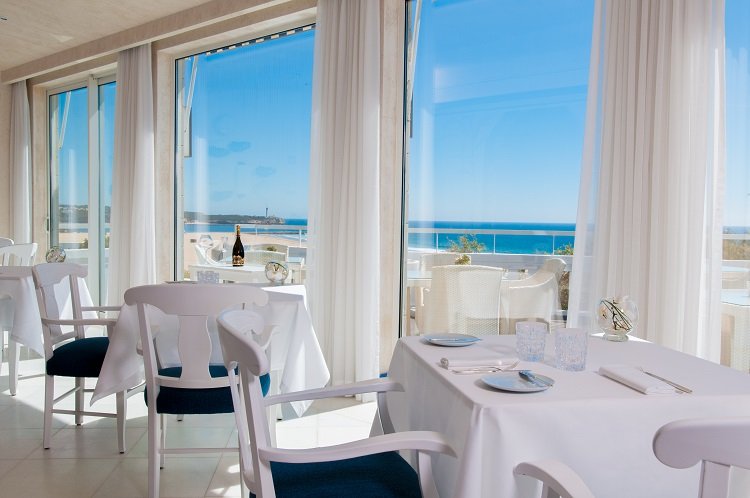
Set inside an early 20th-century palace on a promontory above Praia da Rocha, Vista holds a Michelin star and an Opinionated About Dining ranking of #180 in Europe for 2025. Chef João Oliveira's two menus, one built entirely around locally caught fish and seafood, the other vegetarian, map the Algarve's coastline through provenance-led cooking. Dinner runs Tuesday through Saturday, evenings only.
- 1 Michelin Star
At a glance
- Cuisine
- Modern Portuguese-Mediterranean Fine Dining
- Price
- $$$$
- Hours
- Mon: Closed; Tue: 7–9 PM; Wed: 7–9 PM; Thu: 7–9 PM; Fri: 7–9 PM; Sat: 7–9 PM; Sun: Closed
- Neighborhood
- Praia da Rocha
- Rating
- 4.6 (135)
<h2>A Palace on the Promontory</h2><p>Praia da Rocha is one of the Algarve's most recognisable stretches of coast, where amber sandstone cliffs drop to a broad beach and the Atlantic holds its horizon flat against the evening sky. The early 20th-century palace that houses Vista sits on a promontory above all of it, and the positioning is not incidental. It frames the dining room as a place where geography and cuisine are genuinely connected rather than decoratively so. Walking toward the building at dusk, with the ocean wide and present to the west, you understand something about the menu before you have read a single word of it.</p><p>That physical relationship between the Algarve's Atlantic edge and what appears on the plate sits at the centre of what Vista does. Portuguese fine dining has increasingly moved toward this kind of rootedness, away from generic European technique applied to local produce and toward menus that ask what a specific coastline, a specific fishing community, a specific stretch of agricultural land actually tastes like. Vista is one of the more committed examples of that direction in the country's southern tier.</p><h2>Where Vista Sits in Portuguese Fine Dining</h2><p>Portugal has a cluster of Michelin-starred restaurants spread across Lisbon, Porto, the Algarve, and the Atlantic islands. Within that group, the coastal operators working at the €€€€ price tier share a common tension: how much of the menu should follow international fine dining conventions, and how much should insist on the specificity of local waters and land? <a href="https://www.enprimeurclub.com/restaurants/casa-de-cha-da-boa-nova-leca-da-palmeira-restaurant">Casa de Chá da Boa Nova in Leça da Palmeira</a> and <a href="https://www.enprimeurclub.com/restaurants/ocean-porches-restaurant">Ocean in Porches</a> both operate in that same coastal, provenance-led register at equivalent price points. <a href="https://www.enprimeurclub.com/restaurants/belcanto-lisbon-restaurant">Belcanto in Lisbon</a> tilts further toward modernist creativity; <a href="https://www.enprimeurclub.com/restaurants/antiqvvm-porto-restaurant">Antiqvvm in Porto</a> and <a href="https://www.enprimeurclub.com/restaurants/the-yeatman-vila-nova-de-gaia-restaurant">The Yeatman in Vila Nova de Gaia</a> each anchor themselves differently to their cities.</p><p>Vista's Michelin star places it in this national conversation. Its Opinionated About Dining ranking in 2025 suggests a clear upward trajectory. For the Algarve specifically, it shares that upper bracket with <a href="https://www.enprimeurclub.com/restaurants/vila-joya-albufeira-restaurant">Vila Joya in Albufeira</a>, the region's other long-standing Michelin presence. Within Portimão itself, the dining scene is considerably less dense at this tier; <a href="https://www.enprimeurclub.com/restaurants/numa-portimao-restaurant">NUMA</a> and <a href="https://www.enprimeurclub.com/restaurants/restaurante-f-portimao-restaurant">Restaurante F</a> represent different points on the local range, but Vista operates in a different competitive set, one defined by national award benchmarks rather than local alternatives.</p><h2>The Menu Structure and What It Says</h2><p>The format at Vista is unusual enough to be worth understanding before you book. Two tasting menus are offered. The first, called Vista, is built exclusively around locally caught fish and seafood. The second, called Terra, is vegetarian. There is no meat option. This is not a gap in the offering but a deliberate editorial position on what the Algarve's food culture actually consists of at its most concentrated: the Atlantic and the land behind it, without the detour into livestock production.</p><p>This kind of menu architecture, two clearly defined tracks, both territory-specific, neither an international fallback, places Vista in a relatively small group of Portuguese restaurants willing to define themselves by what they exclude as much as by what they include. Chef João Oliveira, who has led the kitchen for over a decade, brings the kind of accumulated local knowledge that takes years to develop: where the langoustine come from (Sagres), where the sardines are landed (Portimão), where the violet prawns originate (Vila Real de Santo António), where the baby squid are sourced (Praia da Rocha itself). That intelligence informs the menus structurally, not just as garnish.</p><p>Ceramic pieces placed on the table at the start of dinner map these provenance points across the Algarve. It is a format decision that functions as both education and declaration: the region is the ingredient list, and the region is large enough to sustain a full tasting menu with meaningful specificity at every course.</p><h2>The Cultural Logic of Coastal Portuguese Cuisine</h2><p>To understand what Vista is doing, it helps to understand what Portuguese coastal cuisine has historically meant in the Algarve. This is a region shaped by centuries of fishing culture, Moorish agricultural influence, and a relationship with the Atlantic that predates the age of exploration. Sardines, salt cod, cured roe, shellfish from the Ria Formosa, these are not newly fashionable ingredients given a fine dining treatment. They are the foundational grammar of the region's food, now being spoken at a more precise register.</p><p>The emphasis on olive oil as a primary ingredient rather than a finishing note, the focus on vegetables grown close to the coast, the exclusion of anything that would shift the menu's centre of gravity away from the Algarve, these are choices that locate Vista inside a longer tradition rather than against it. The sustainability framing that informs the kitchen's sourcing decisions connects to the same logic: fish populations, local farming systems, and supply chains that keep money and attention inside the region.</p><p>That cultural rootedness is what distinguishes this tier of modern Portuguese cooking from, say, the international modernist register you find at <a href="https://www.enprimeurclub.com/restaurants/frantzen-stockholm-restaurant">Frantzén in Stockholm</a> or <a href="https://www.enprimeurclub.com/restaurants/fzn-by-bjorn-frantzen-dubai-restaurant">FZN by Björn Frantzén in Dubai</a>, where the cuisine is defined more by technique and chef vision than by territorial specificity. <a href="https://www.enprimeurclub.com/restaurants/a-cozinha-guimaraes-restaurant">A Cozinha in Guimarães</a> and <a href="https://www.enprimeurclub.com/restaurants/a-ver-tavira-tavira-restaurant">A Ver Tavira in Tavira</a> both operate within a similar Portuguese regionalism framework, though the ingredient vocabularies differ considerably by geography. <a href="https://www.enprimeurclub.com/restaurants/il-gallo-doro-funchal-restaurant">Il Gallo d'Oro in Funchal</a> offers a Madeiran counterpoint to what the mainland Algarve produces.</p><h2>The Experience in Practice</h2><p>Dinner begins with appetisers served in the kitchen, a format that works as both theatre and orientation. It situates guests inside the production process before they move to the dining room, and it gives the kitchen a chance to set the provenance narrative before the ceramic map arrives at the table. The elegant dining room that follows is housed in the early 20th-century palace, where the architectural register is historical rather than minimalist, and the Atlantic view is available without being the sole point of the visit.</p><p>The service runs Tuesday through Saturday, evenings only. Sunday and Monday are closed. The narrow opening schedule is consistent with a kitchen operating at this intensity level, tasting menu services at Michelin-starred restaurants in Portugal typically involve small teams working at depth rather than scale. Reservations are essential.</p><p>The price range sits at €€€€, the top tier for Portuguese fine dining, consistent with what the Michelin star and OAD ranking signal. For planning purposes, Vista is located at Av. Tomás Cabreira 1, 8500-510 Portimão, within the Bela Vista Hotel and Spa on the Praia da Rocha promontory.</p>
Know before you go
- Dress code
- smart_casual
- Reservations
- essential
Frequently asked
Is Vista child-friendly?
Vista operates as a formal, Michelin-starred dinner service running Tuesday through Saturday from 7 PM to 9 PM, with a structured tasting menu format that begins with appetisers in the kitchen. The setting — an early 20th-century palace on Praia da Rocha — and the deliberate pacing of a provenance-driven menu are geared toward adult dining. Families with young children would find the format a poor fit.
What's the overall feel of Vista?
The room occupies an early 20th-century palace on a promontory above Praia da Rocha, with Atlantic views that frame the meal from arrival. Dinner opens in the kitchen with appetisers before moving to the dining room, where ceramic pieces mapped to Algarve fishing zones sit on each table as a guide to ingredient provenance. The tone is precise and place-specific rather than theatrical for its own sake — Opinionated About Dining ranked it #180 in Europe in 2025.
What kind of recognition has Vista received?
Vista has received recognition including: When we talk of unique restaurants, we refer to places such as Vista! This restaurant occupies a delightful early 20C palace situated on a promontory in the middle of the Praia da Rocha, hence the authentic picture-postcard views of the imm….
What dish is Vista famous for?
Vista does not rotate around a single signature dish. The kitchen structures its reputation around two menus — Vista, built exclusively from locally caught fish and seafood, and Terra, vegetarian — with ingredients sourced from named locations including langoustines from Sagres and violet prawns from Vila Real de Santo António. The provenance framework, rather than any single plate, is the consistent thread across services.
What's the pricing like at Vista?
Pricing at Vista is listed as €€€€.
Address
Av. Tomás Cabreira 1, 8500-510 Portimão, Portugal
Praia da Rocha
How it compares
- Cuisine
- Modern Portuguese-Mediterranean Fine Dining
- Awards
- Michelin 1 Star
- Notes
- Praia da Rocha, $$$$
- Cuisine
- Mediterranean with Portuguese roots
- Awards
- —
- Notes
- Praia da Rocha, $$$
- Cuisine
- Modern Portuguese Seafood
- Awards
- Michelin Plate
- Notes
- Praia da Rocha, $$$
- Cuisine
- Contemporary Portuguese Fine Dining
- Awards
- Michelin Plate
- Notes
- Portimão, $$$
- Cuisine
- Modern Alentejo Contemporary
- Awards
- Michelin 1 Star
- Notes
- Reguengos de Monsaraz, $$$$
- Cuisine
- Modern Portuguese Fine Dining
- Awards
- Michelin 1 Star
- Notes
- Lapa, $$$$
In residence
Similar places
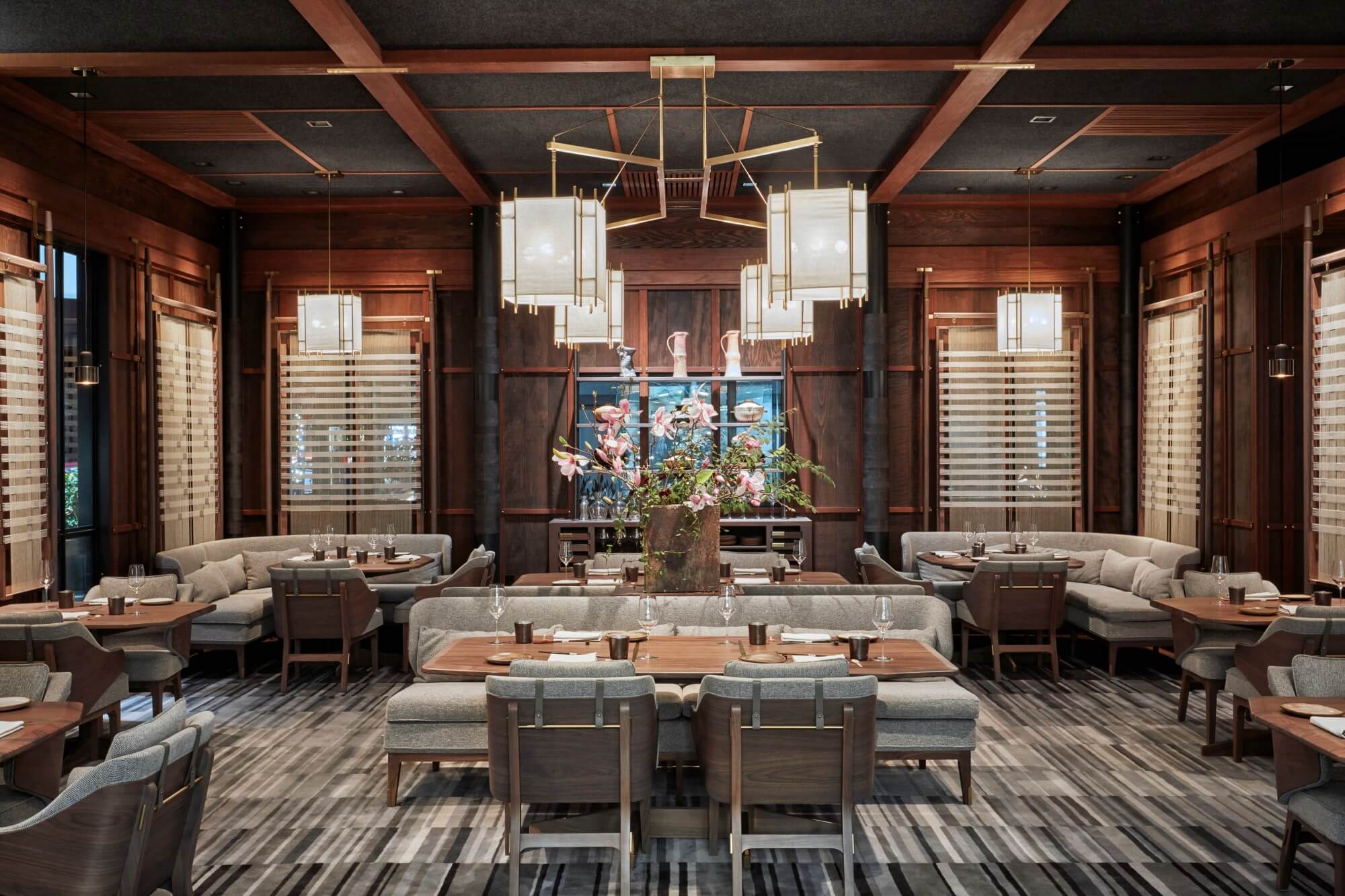
Japanese-influenced Californian Kaiseki
Single Thread Farm
Healdsburg, United States
★★★ · 50 Best
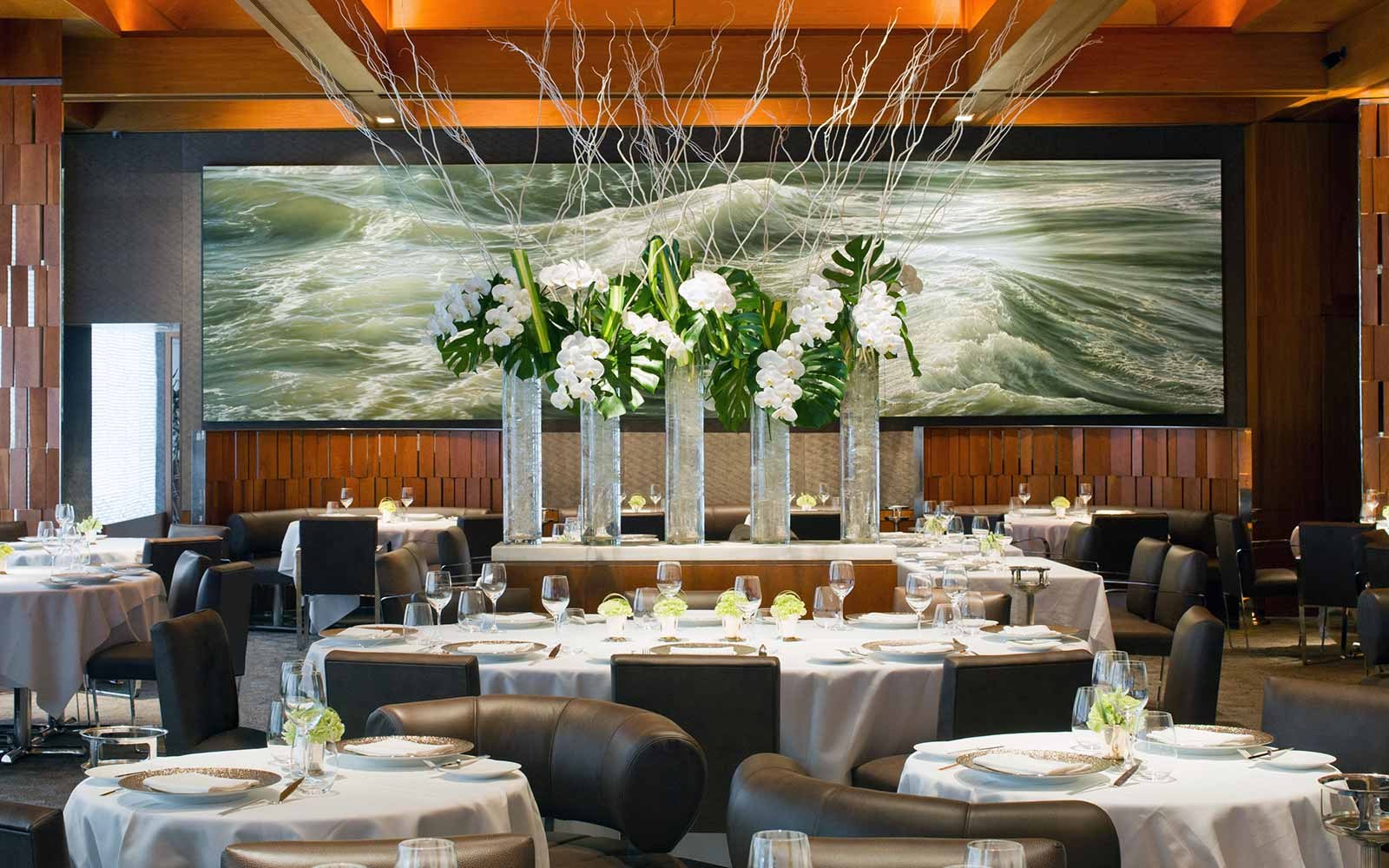
French Seafood Fine Dining
Le Bernardin
New York City, United States
★★★ · 50 Best
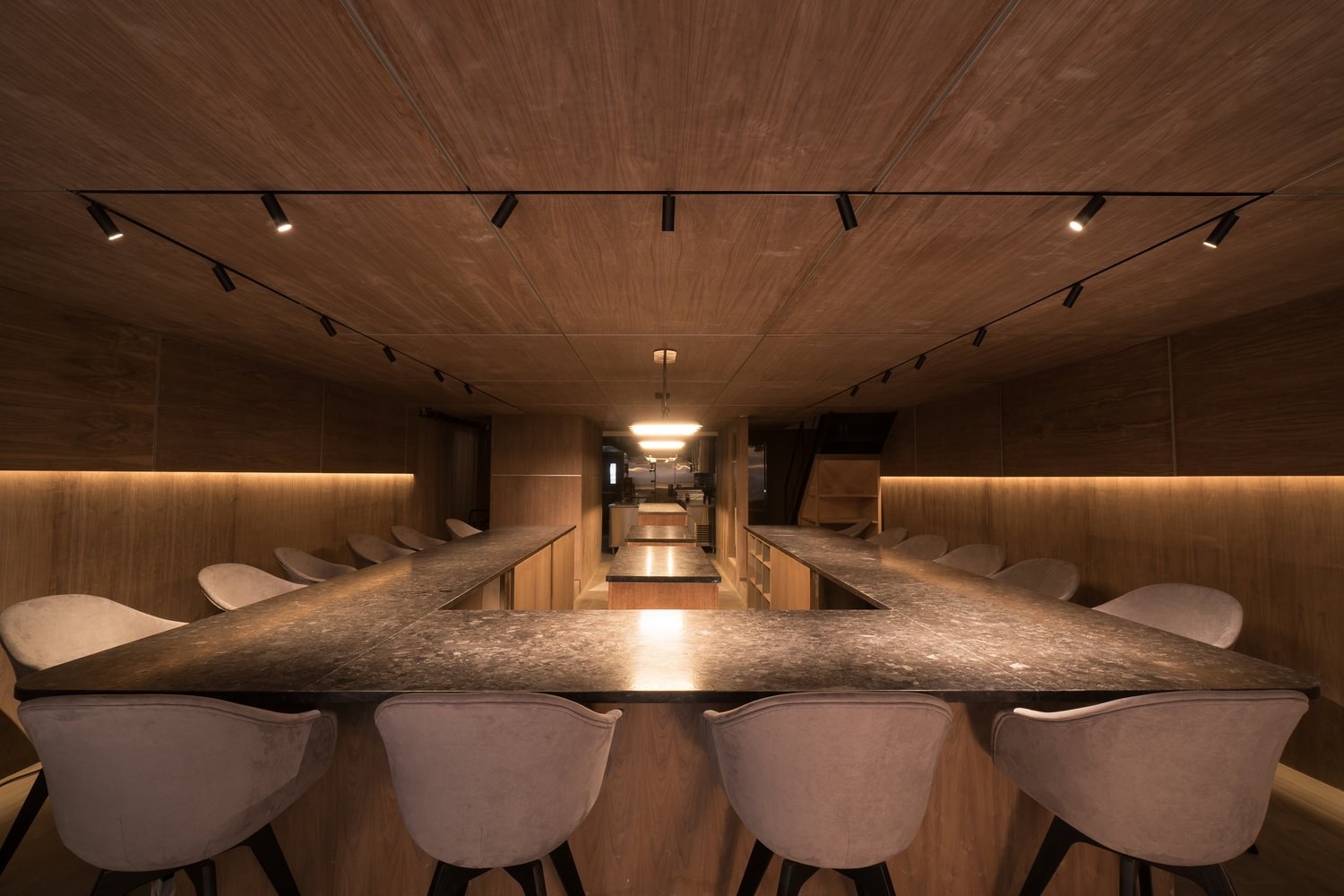
Modern Korean Tasting Menu
Atomix
New York City, United States
★★ · 50 Best
French
Sézanne
Tokyo, Japan
★★★ · 50 Best
Contemporary Plant-Based Fine Dining
Eleven Madison Park
New York City, United States
★★★ · 50 Best
Modern Seafood Fine Dining
Providence
Los Angeles, United States
★★★ · 50 Best