Wang Lu
- 01CuisineJiangxi (Gan) Cuisine
- 02CityShanghai, China
Jiangxi heat from the wok
- Michelin Bib Gourmand · Michelin Guide
- Michelin Bib Gourmand · 2025
- Michelin Bib Gourmand · 2024
A Strasbourg hand at a Gan station
Bird’s eye chili, ginger and garlic meet the wok before the duck is coated. Jean-Luc Voegele, Executive Chef at Wang Lu in Shanghai, works at a Gan table where heat has to be built, not merely applied. His station sits inside the Huangpu branch, on the fifth floor of Bund City Hall, where the restaurant turns Jiangxi cooking into a polished urban service without sanding away its appetite for blood, offal, freshwater fish and chile. Voegele trained at Ecole Hoteliere de Strasbourg, then carried that discipline through hotel leadership in Denver before this kitchen. The lineage named here is not a Jiangxi apprenticeship, and the restaurant does not frame it that way. What is clear is the method: organization, standards and a precise hand brought to a cuisine that rewards control. Wang Lu began in Qiantan in 2023 before adding the Huangpu address in late 2023 or early 2024. The Pudong restaurant holds Michelin Bib Gourmand recognition, including 2024 and 2025, while Huangpu keeps the same Gan focus in a room built for groups, rooms and longer tables.
Blood, lake fish and three colours of pepper
The kitchen’s grammar is Jiangxi, also called Gan: wok-frying for tenderness, slow-braising in master stock, steaming for fish, and heat carried through layers rather than a single burn. Lianhua Blood Duck is the dish that fixes the place in memory. The duck is wok-fried, then worked through a sauce of garlic, ginger, bird’s eye chili and spices, with blood giving the dish its dark body and rice-friendly depth. Steamed Poyang Lake Fish Head with Three Color Peppers moves differently. The fish comes from China’s largest freshwater lake, set under green, red and yellow chilies so the heat shifts from mild tenderness to smokier bite and sharper spice. Linchuan Spicy Braised Beef Offal takes the long way, slow-simmered in master stock and finished with celery and chilies. The daily claypot soups keep another register at the table; Thursday’s Stewed Old Chicken with Bamboo Fungus is named among them. This is an à la carte kitchen, not a tasting-menu argument, and its discipline is in repetition: stir-fry, braise, steam, season, send.
The room above Bund City Hall
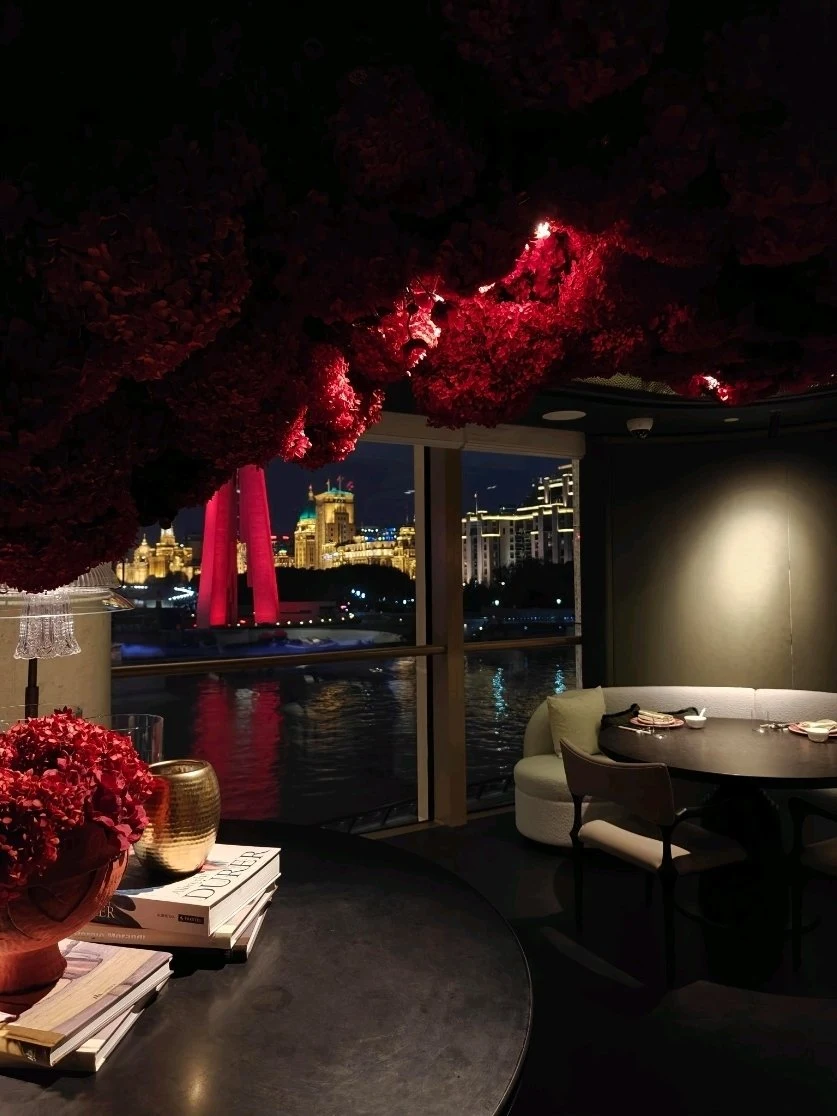
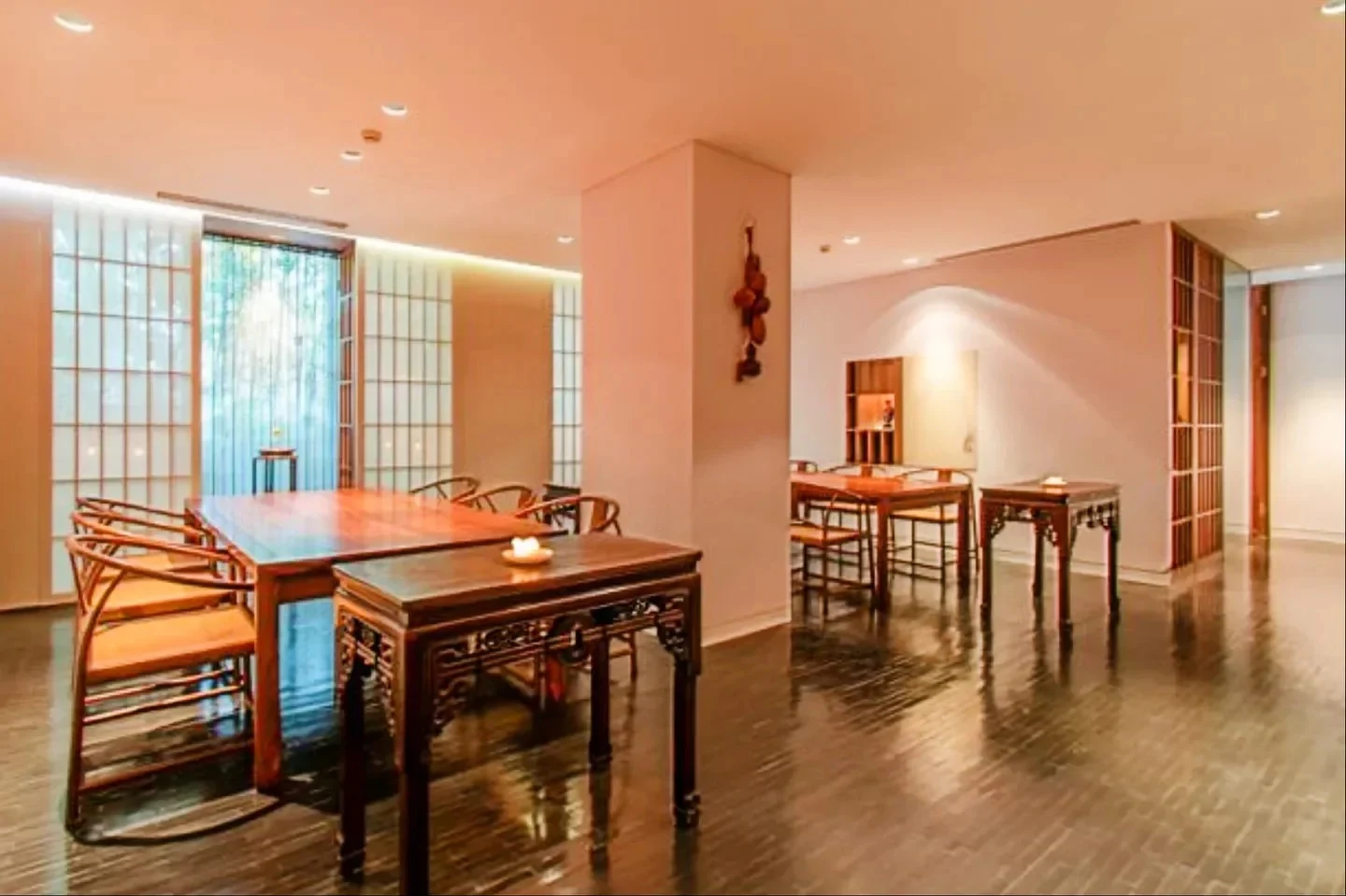
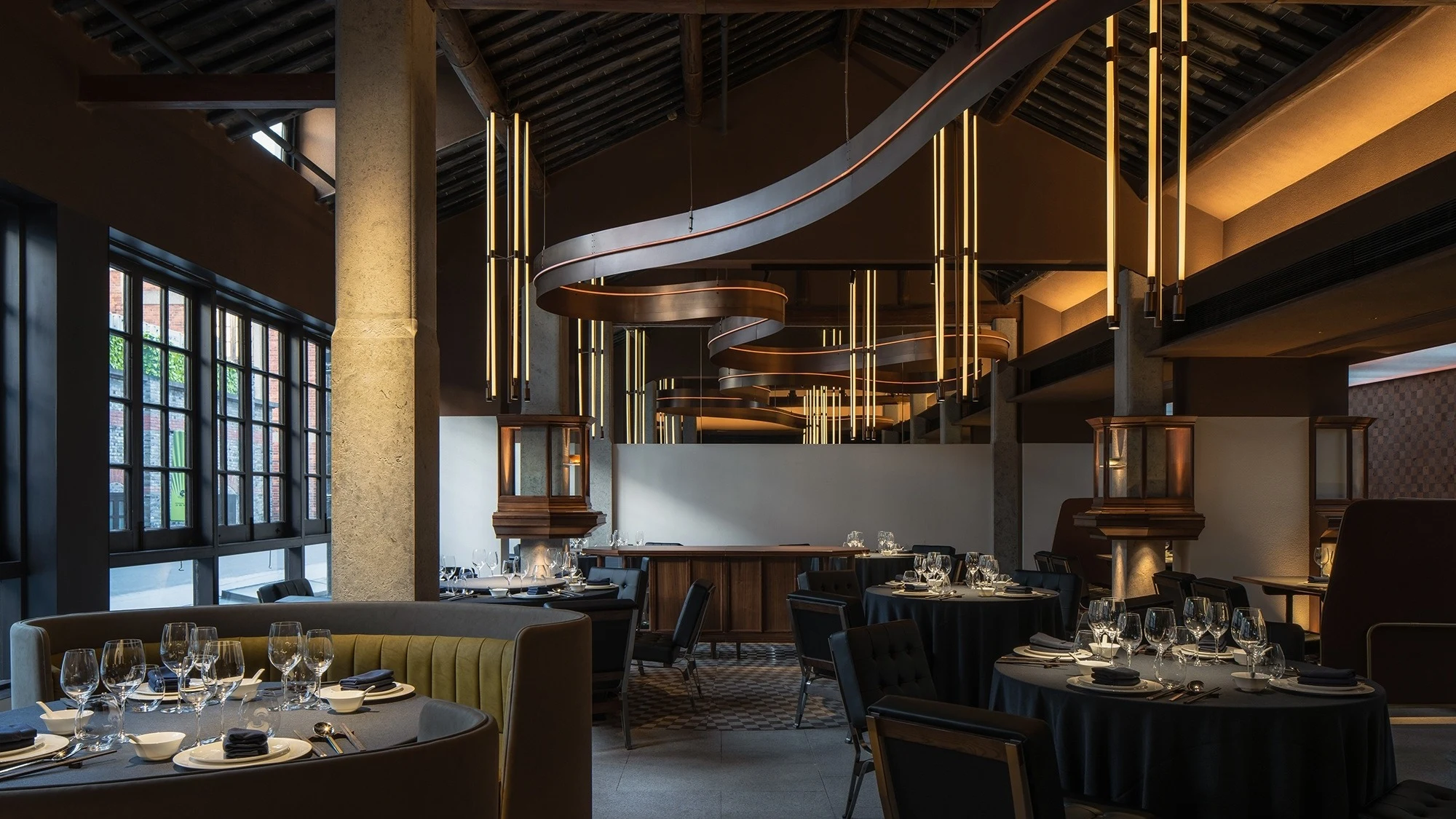
The Huangpu dining room is modern and airy, with semi-private and private rooms and an event terrace, more composed than rustic. The spice does not arrive in a street-side frame. It moves through sleek tables, conversational noise and service that feels upscale casual rather than ceremonious. The fifth-floor setting also places Wang Lu beside Yi Dao, a Huaiyang restaurant, with Kirillitsa named for the same floor, so the landing becomes a small stack of regional and international intent. Inside Wang Lu, the counterpoint is useful: Jiangxi’s chile, blood and offal against a room of glass, polish and space. The food keeps its edges. A bowl of claypot soup can soften the meal, but the line still returns to Lianhua Blood Duck.
Questions
Frequently asked
What kind of restaurant is Wang Lu?
Wang Lu is a Jiangxi, or Gan, cuisine restaurant in Shanghai's Huangpu district. The kitchen works with wok-frying, braising and steaming, and the menu centres on blood duck, freshwater fish, offal and chilli.
What dishes is Wang Lu known for?
Lianhua Blood Duck is the dish most closely associated with the restaurant. Other signature dishes include Steamed Poyang Lake Fish Head with Three Color Peppers and Linchuan Spicy Braised Beef Offal.
What recognition does Wang Lu hold?
Wang Lu holds Michelin Bib Gourmand recognition. The Huangpu branch keeps the same Gan focus as the original Qiantan restaurant.
What is the booking and dress code at Wang Lu?
Reservations are recommended. The dress code is smart casual.
What are Wang Lu's hours and price range?
Wang Lu is open every day from 10 AM to 10 PM. The price tier is $$$, and the approximate spend is $40 per person.
The field
How it compares
| Place | Cuisine | Notes | Awards |
|---|---|---|---|
| Wang Lu | Jiangxi (Gan) Cuisine | Tianlin R.a., $$$ | · |
| 8 1/2 Otto e Mezzo Bombana (Shanghai) | Modern Italian Fine Dining | Shanghai | Michelin 2 Stars |
| Amazing Chinese Cuisine | High-end Chaoshan Cuisine | Shanghai | Michelin 2 Stars |
| Fu He Hui | Modern Seasonal Vegetarian Fine Dining | Shanghai | Michelin 2 Stars, World's 50 Best |
| Ling Long Shanghai | Modern Chinese Fine Dining | Shanghai | Michelin 1 Star, World's 50 Best |
| Meet the Bund | Modern Fujianese Fine Dining | Shanghai | Michelin 1 Star, World's 50 Best |
| Taian Table | Modern European with Asian Influences | Shanghai | Michelin 3 Stars |
Similar places
Modern Italian Fine Dining
8 1/2 Otto e Mezzo Bombana (Shanghai)
Shanghai, China
★★
High-end Chaoshan Cuisine
Amazing Chinese Cuisine
Shanghai, China
★★
Modern Seasonal Vegetarian Fine Dining
Fu He Hui
Shanghai, China
★★ · 50 Best
Modern Chinese Fine Dining
Ling Long Shanghai
Shanghai, China
★ · 50 Best
Modern Fujianese Fine Dining
Meet the Bund
Shanghai, China
★ · 50 Best
Modern European with Asian Influences
Taian Table
Shanghai, China
★★★