Halenberg held in Riesling tension
- Falstaff Winery - Listed · 2026
- Pearl 2 Star Prestige · 2025
Tension kept close to Monzingen
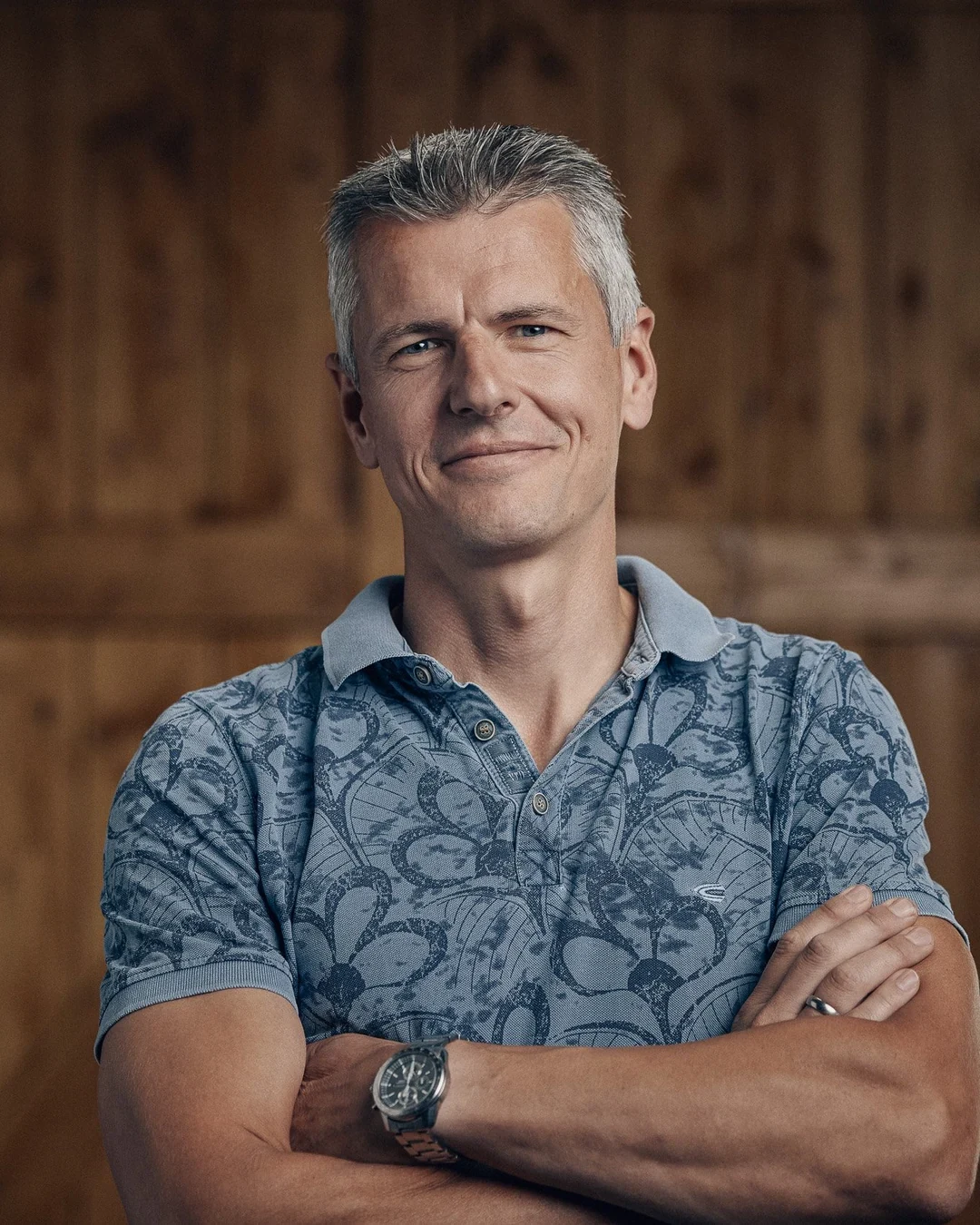
Frank Schönleber tastes for tension as owner and kellermeister at Weingut Emrich-Schönleber in Monzingen, Germany, where Riesling carries the main discipline of the cellar. Frank Schönleber works in a register of clarity rather than ornament: balance held tight, fruit kept in relation to site, the finish asked to stay linear. The estate’s own language is plain about the standard, calling the wines honest, authentic, unembellished expressions of their origin. That sentence matters because it describes a method as much as a claim.
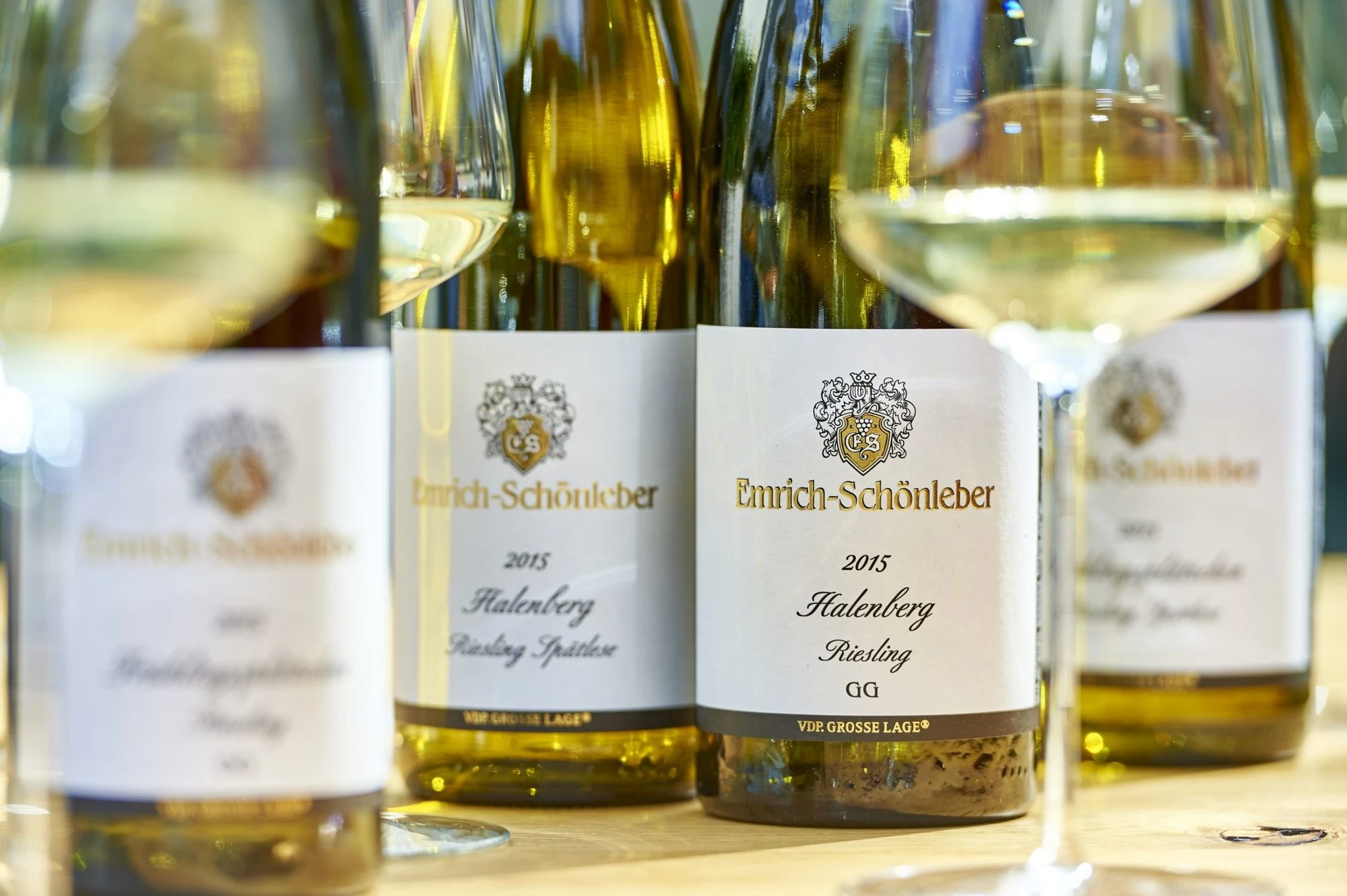
His station is both owner’s work and cellar work. As kellermeister, Schönleber has to hold the estate’s small and larger decisions in the same hand, from the accessible lift of Lenz Riesling to the stonier register of Mineral. HALENBERG remains central to that attention as a VDP.GROSSE LAGE®, recultivated by the estate and kept in focus through patient handling. The house names no mentor. The lineage here is the Monzingen discipline itself: origin first, embellishment last.
Halenberg as the fixed point
The program is built around still white wine, led by Riesling, with Grauburgunder, Weissburgunder and Müller-Thurgau also part of the estate’s range. Production sits at approximately 140,000 bottles from 19.9 hectares, a scale large enough to demand rigor and still small enough for vineyard difference to remain the central material. The work is sustainable, and the wines are made to keep the Nahe readable rather than smoothed into a house effect.
Monzingen gives Schönleber red slate, quartzite and gravelly soils on steep vineyard slopes in the upper Nahe valley. Those are not decorative details. They are the pressure behind the cellar’s restraint: mineral line, cool brightness, and structure in wines built to age without losing their first charge of clarity. Single-vineyard tasting, dry Riesling focus and Spätlese tasting all point back to the same discipline, separating sweetness, site and ripeness without letting any one element take the room.
The cellar and the quiet slope
The estate reads as a family winery before it reads as a destination. Historic cellars sit beside modern tasting spaces, and the room stays quiet enough for the wines to set the pace. The setting does more than frame the glass; it explains the hand. Steep slopes make vineyard work physical, and the cellar has to answer that labor with decisions that do not blur it.
Inside the tasting room, the useful contrast is between intimacy and tension. The charm is traditional, the finish in the glass is not soft. A pour of Mineral can make the place feel spare in the right way, with the cellar, the slope and the Nahe all gathered into one line. HALENBERG is the estate’s fixed noun, and the work keeps returning to that vineyard.
Questions
Frequently asked
What is Weingut Emrich-Schönleber known for?
The estate is centred on Riesling, with a focus on clarity, balance and site expression. Its wines are described as honest, authentic and unembellished expressions of origin.
Who runs the winery?
Frank Schönleber is the owner and kellermeister at Weingut Emrich-Schönleber in Monzingen.
What kinds of wines does the estate make?
The range is led by still white wine, especially Riesling, and also includes Grauburgunder, Weissburgunder and Müller-Thurgau. Single-vineyard tasting, dry Riesling focus and Spätlese tasting are all part of the estate’s approach.
Do visits need to be arranged in advance?
Yes. Visits are by appointment only.
Is there parking at the winery?
There is an on-site parking lot.
The field
How it compares
| Place | Notes |
|---|---|
| Weingut Emrich-Schönleber | Monzingen, $$$ |
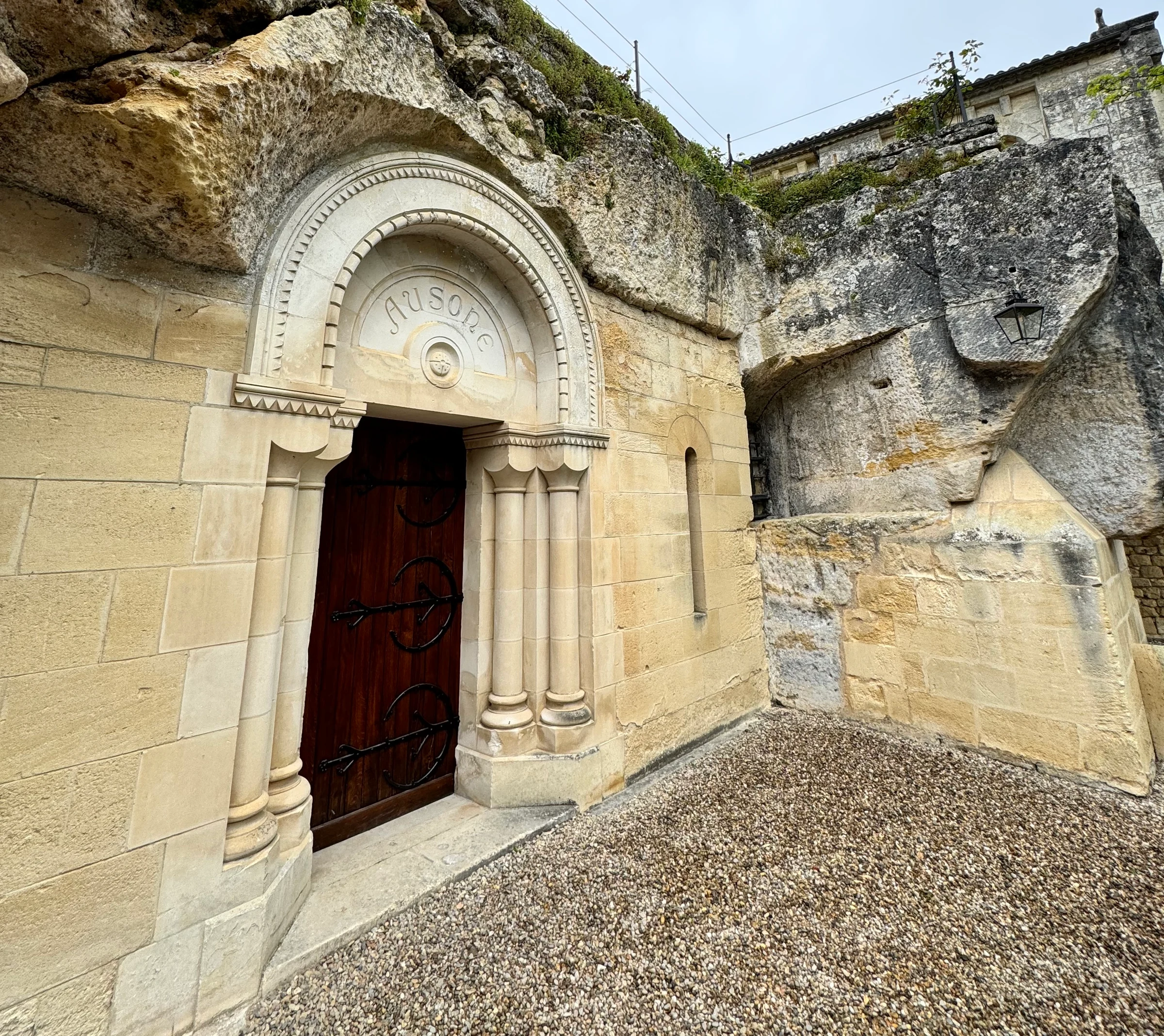
| Chateau Ausone | Saint-Émilion |
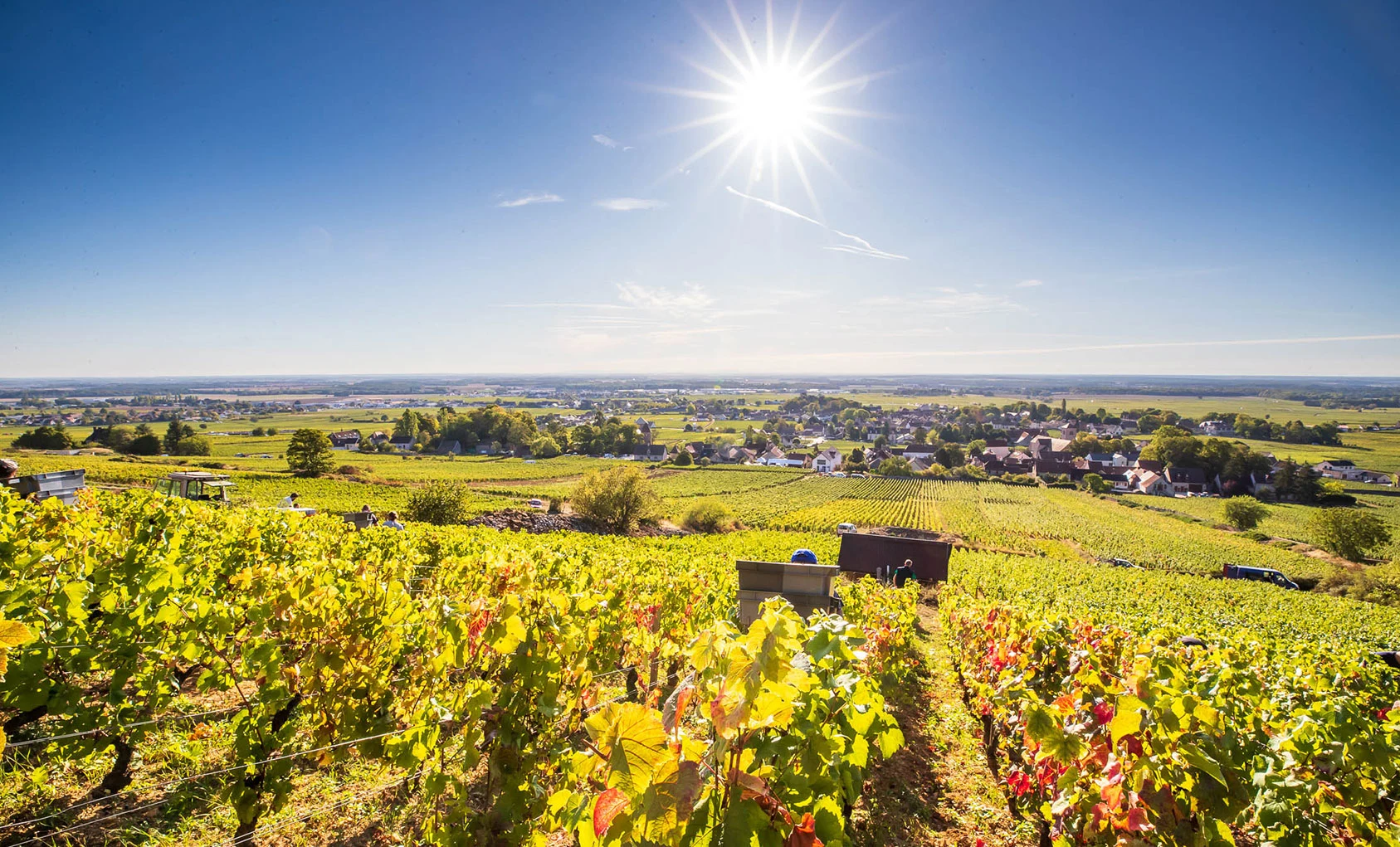
| Domaine Bruno Clair | Marsannay-la-Côte |
| Weingut Alt | Monzingen |
| Weingut Jaeger | Monzingen |
| Weingut Schauss | Monzingen |
| Weingut Udo Weber | Monzingen |