Shell limestone, used wood, cellar judgment
- Falstaff Winery - 4 Stars · 2026
- Pearl 2 Star Prestige · 2025
Edges kept in the cellar
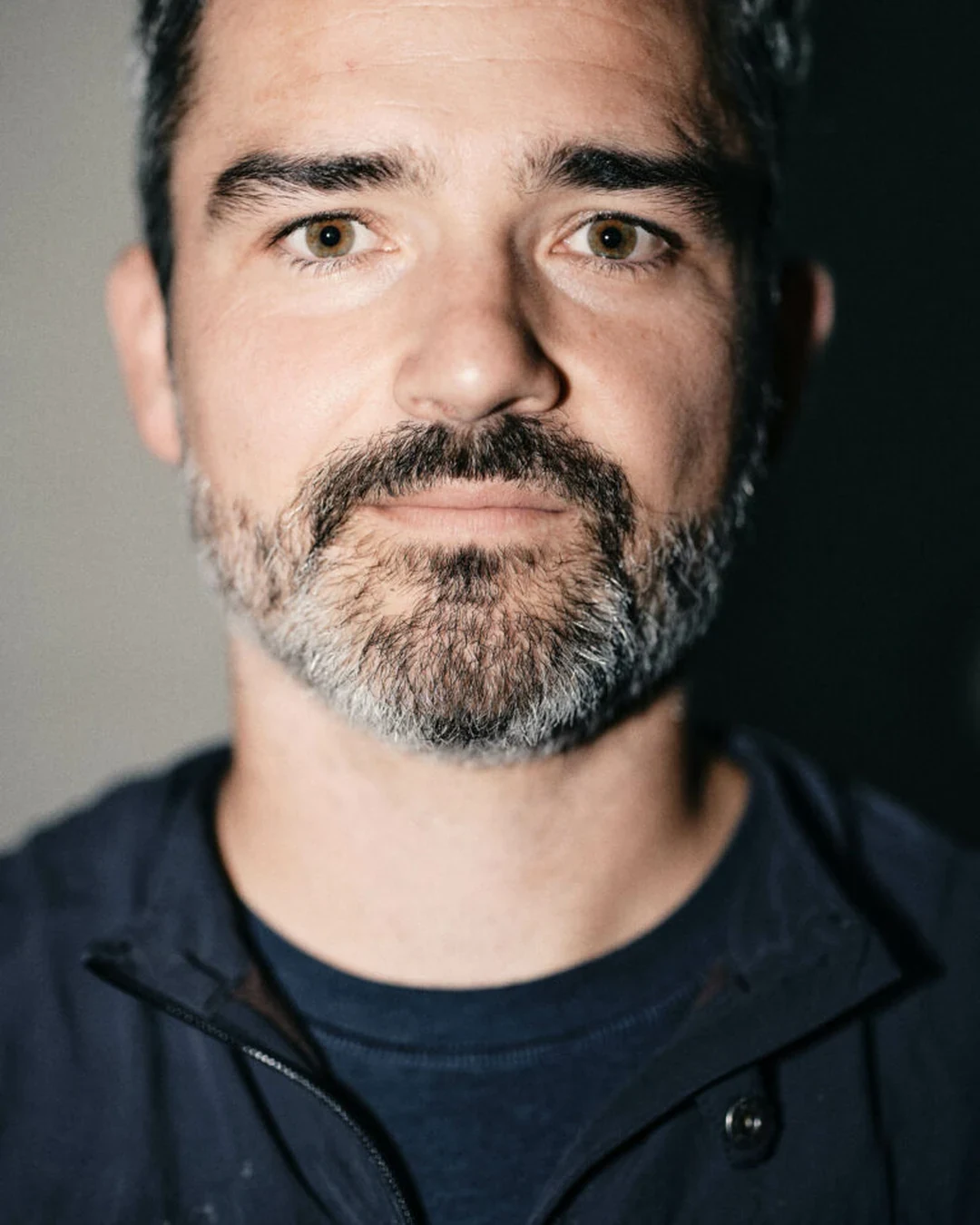
Shell limestone and used wood set the first terms for Christoph Polz, winemaker at Weingut Erich & Walter Polz in Spielfeld. Since 2011, Christoph Polz has been responsible for the cellar here, holding the point where fruit, vessel, and finish become one decision. His role is not presented as a roaming consultancy or a distant signature; the wines are raised, assessed, and finished under the same roof where the calls are made.
Polz has stated the standard without varnish: “Polz: We said back then that if a wine has no corners and edges, then it is over-polished, made up.” That sentence matters in a cellar known for Sauvignon Blanc, Morillon, Chardonnay, Grauer Burgunder, Gelber Muskateller, Riesling, Welschriesling, Pinot Noir, and Zweigelt. It is a discipline of restraint rather than smoothing. The maker keeps contact with the wine’s grain, especially where Südsteiermark DAC whites can be tempted toward sheen. The cellar brief is clearer than that: let the edges remain if they belong.
Hochgrassnitzberg on shell limestone
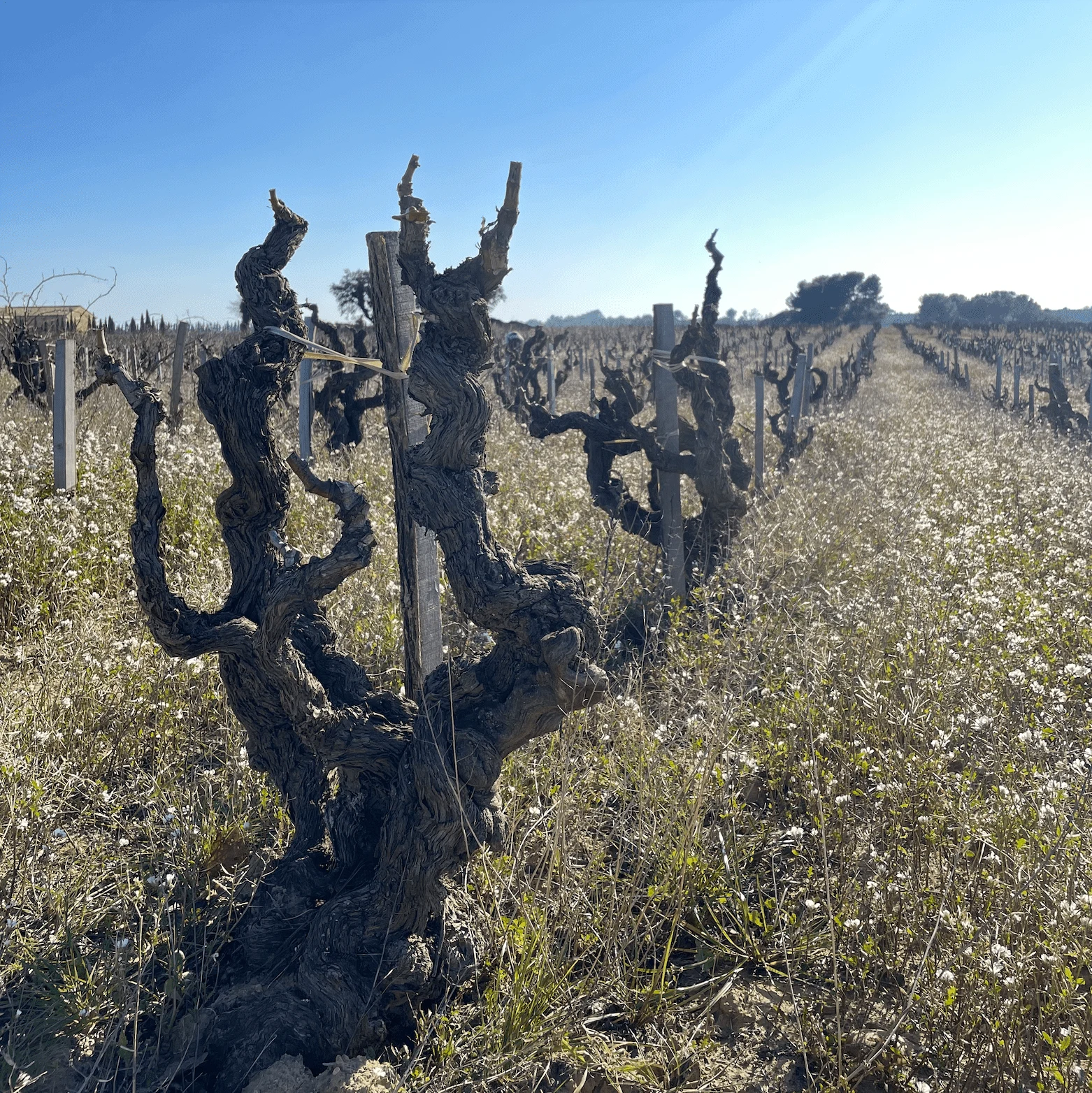
The estate works on a large scale for this landscape, with 70 hectares under a sustainable production philosophy. The most exact picture of the place comes from Hochgrassnitzberg, where Sauvignon Blanc grows on shell limestone slopes at 380-440m elevation. That combination gives the wine its structure before the cellar begins its part. Polz does not need to force a story onto the fruit; the slope, the soil, and the South Styrian weather have already written enough into it.
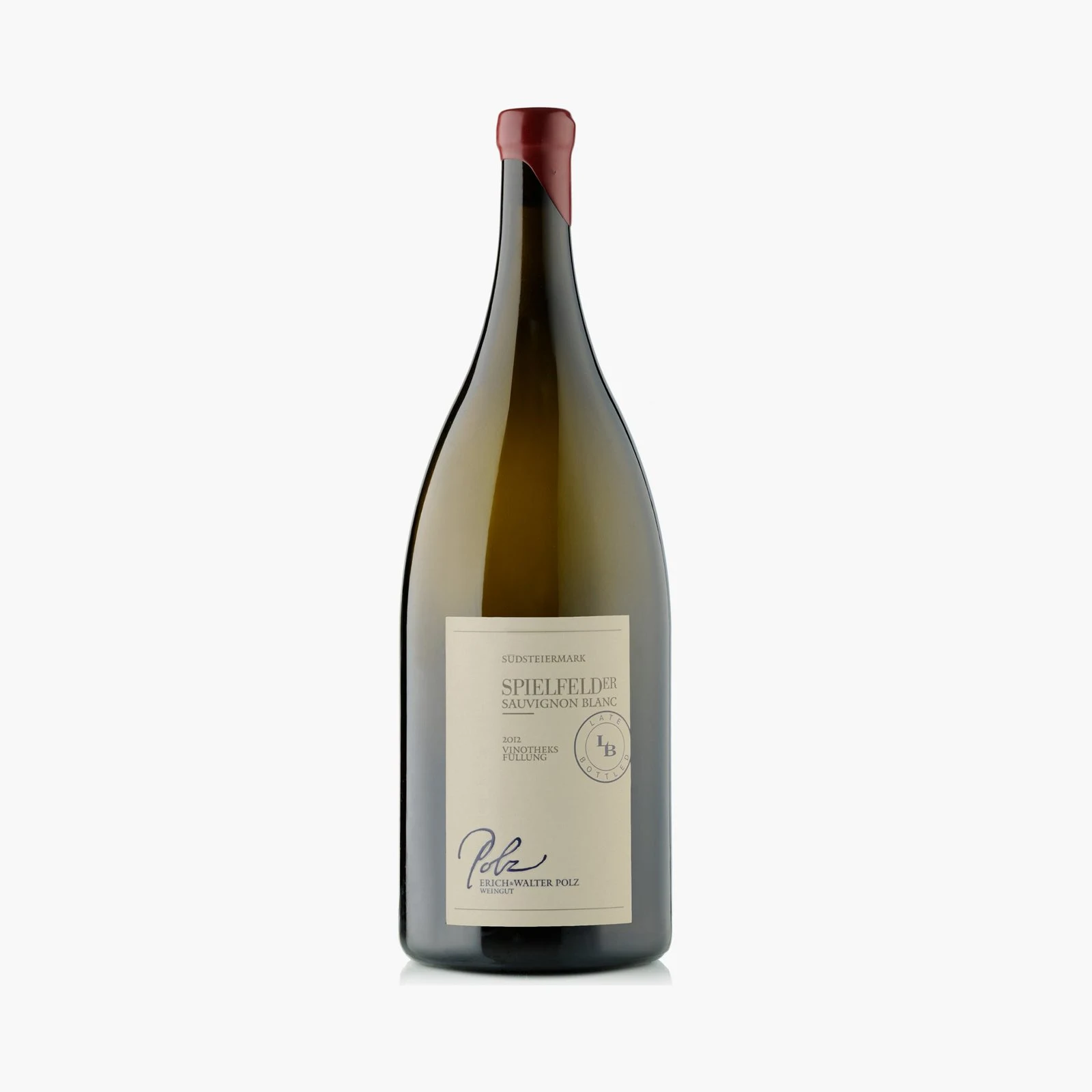
Sauvignon Blanc Hochgrassnitzberg Große STK Lage is raised in large used wooden barrels, a choice that gives breadth without making oak the point. The vessel matters because it asks for time and judgment rather than fragrance laid over the top. Alongside it, Polz’s named signatures include Morillon Obegg Gross STK Lage, Chardonnay Obegg Grosse STK Lage, Sauvignon Blanc Czamilla, and Sauvignon Blanc Therese. The program stays close to still white wine and sparkling wine, with cellar control at its center.
A quiet room below the slopes
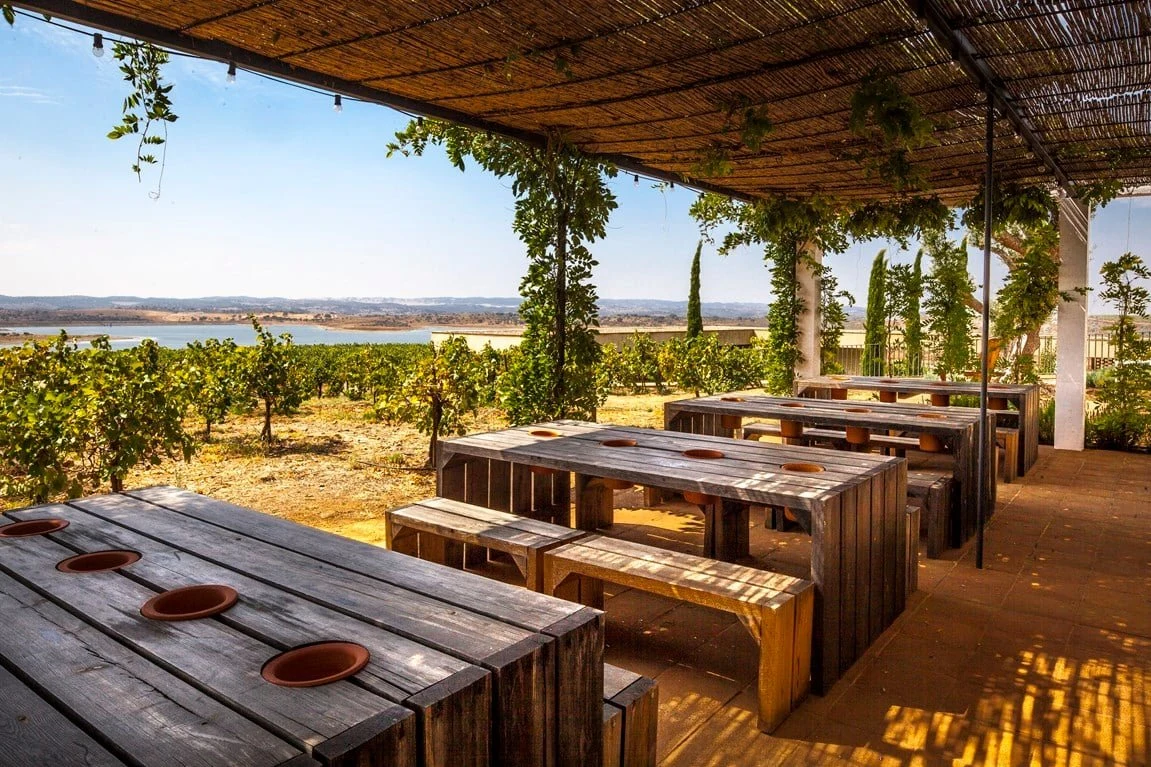
The atmosphere around the winery is calm, almost deliberately low in volume. The tasting room and cellar sit within the scenic South Styrian vineyards, where the Grassnitzberg slopes give the place its visual measure before a glass is poured. This is not a room built around performance. It is a family winery atmosphere, quiet enough for the work to keep its scale.
The house language of a peaceful Polzmoment could easily drift into softness, but the cellar pulls it back toward craft. The serenity here is not decoration; it leaves room for acidity, texture, and the small resistance of a wine that has not been made up for the room. In the glass, that restraint belongs most plainly to Hochgrassnitzberg and its shell limestone.
Questions
Frequently asked
Who makes the wines at Weingut Erich & Walter Polz?
Christoph Polz has been responsible for the cellar since 2011.
What is the winery known for?
The cellar is known for Sauvignon Blanc, Morillon, Chardonnay, Grauer Burgunder, Gelber Muskateller, Riesling, Welschriesling, Pinot Noir, and Zweigelt, with a focus on still white wine and sparkling wine.
What kinds of vineyards and sites shape the wines here?
Hochgrassnitzberg is the clearest expression of the estate, where Sauvignon Blanc grows on shell limestone slopes at 380 to 440 metres elevation.
Is a reservation recommended?
Yes, reservations are recommended.
What should visitors expect on arrival?
The winery has a casual dress code and on-site parking is available.
The field
How it compares
| Place | Notes | Awards |
|---|---|---|
| Weingut Erich & Walter Polz | Spielfeld, $$ | · |
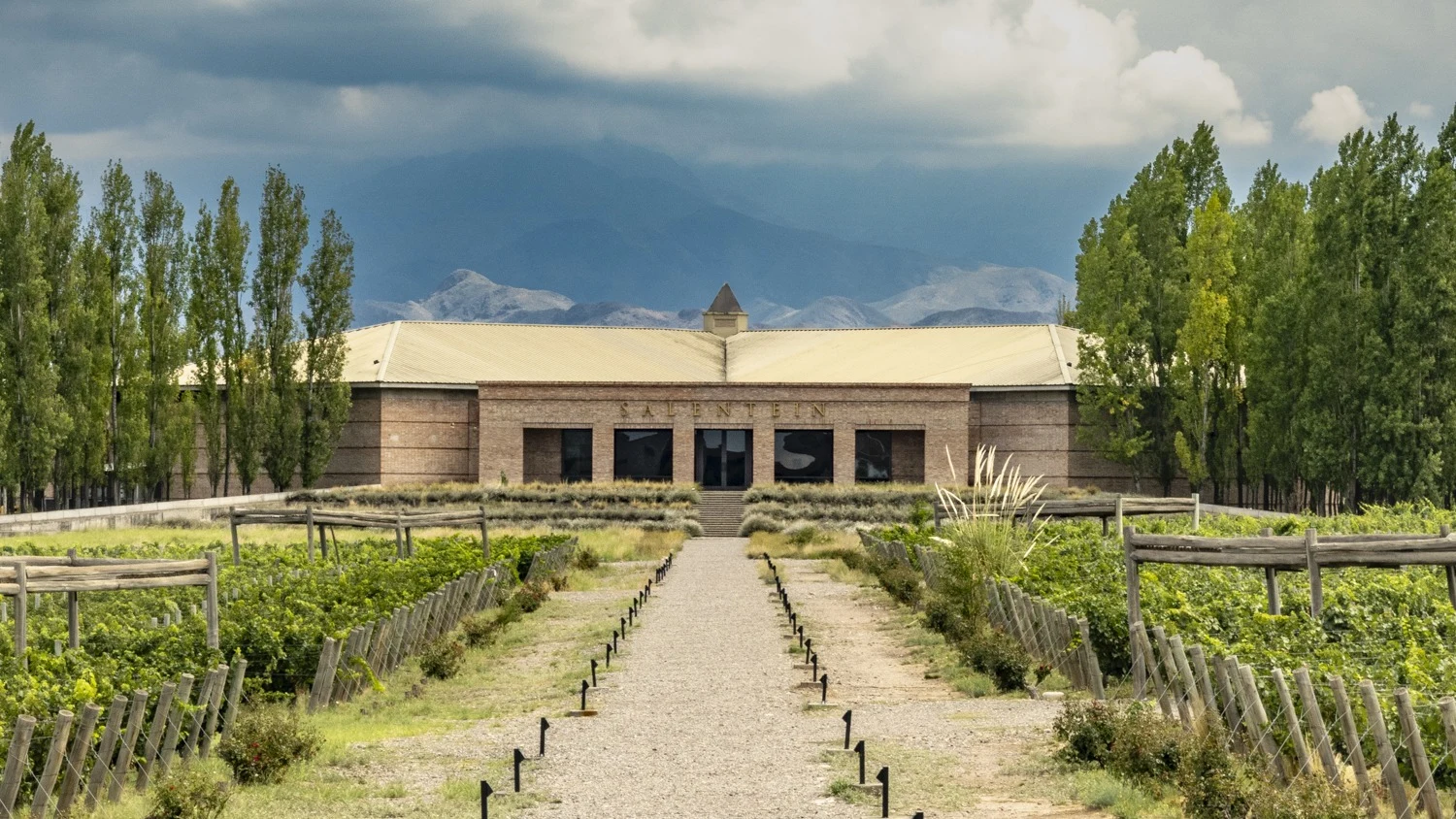
| Bodegas Salentein | Tunuyán | World's 50 Best |
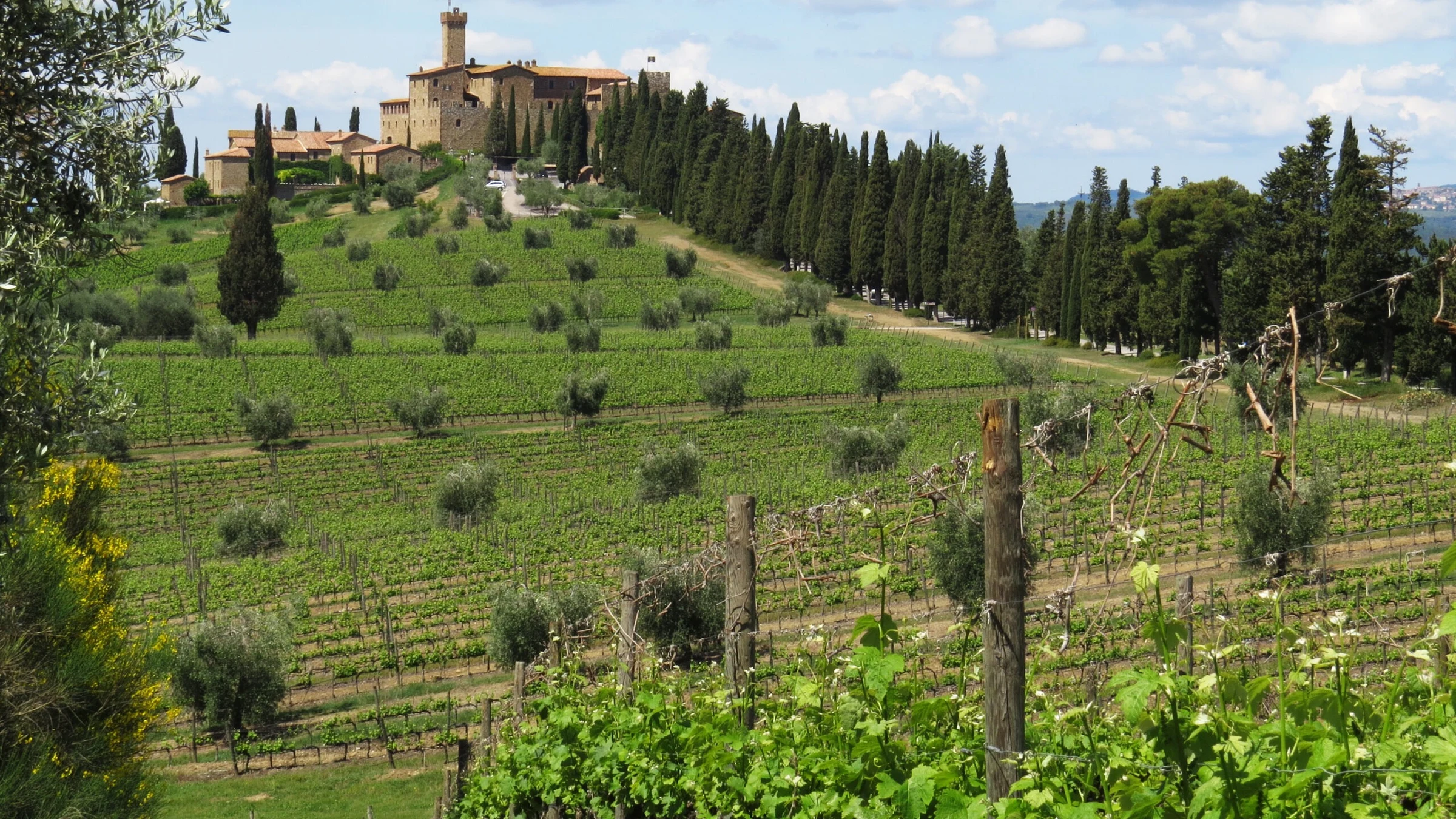
| Castello Banfi | Montalcino | World's 50 Best |
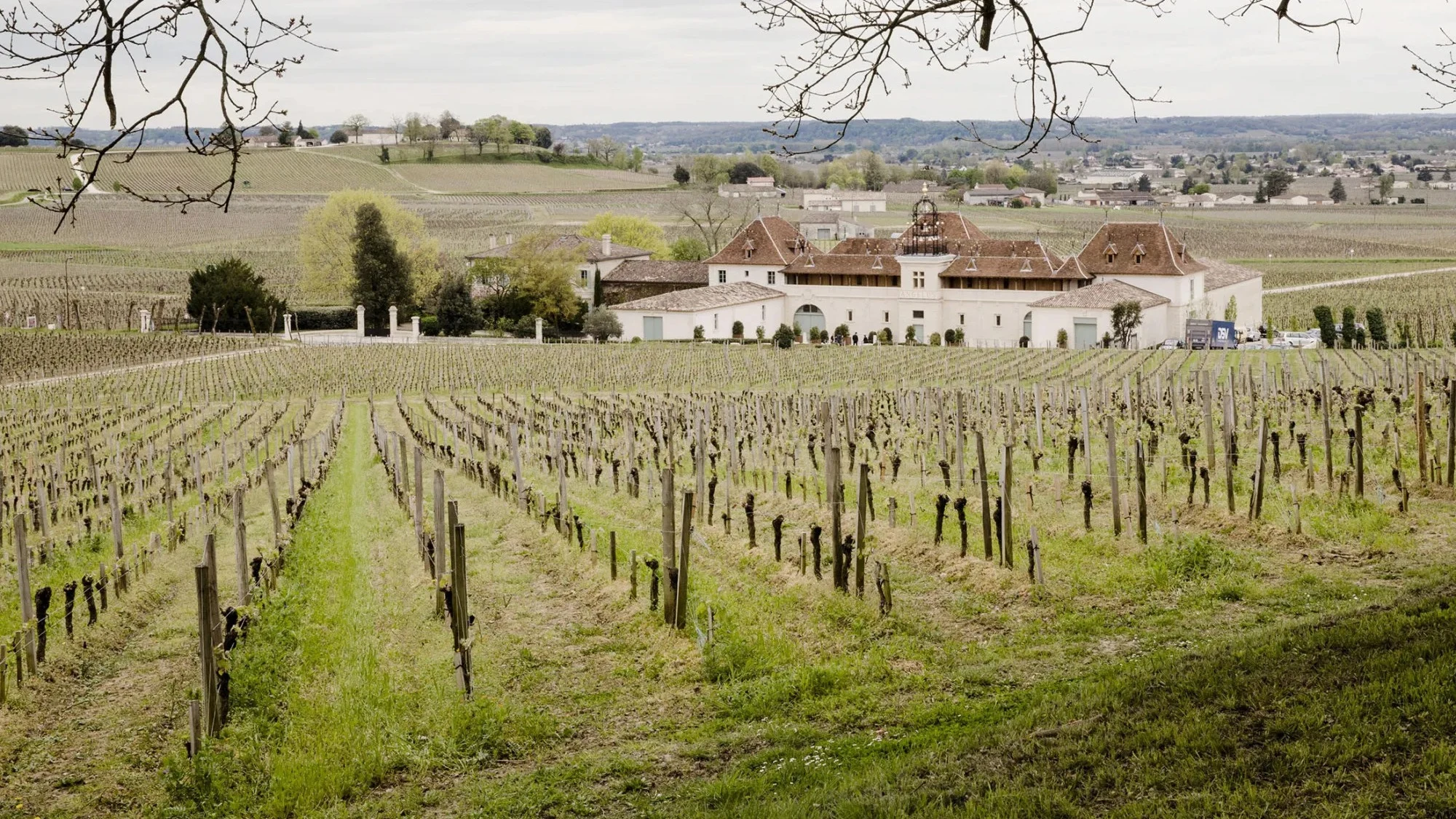
| Château Angelus | Saint-Émilion | · |
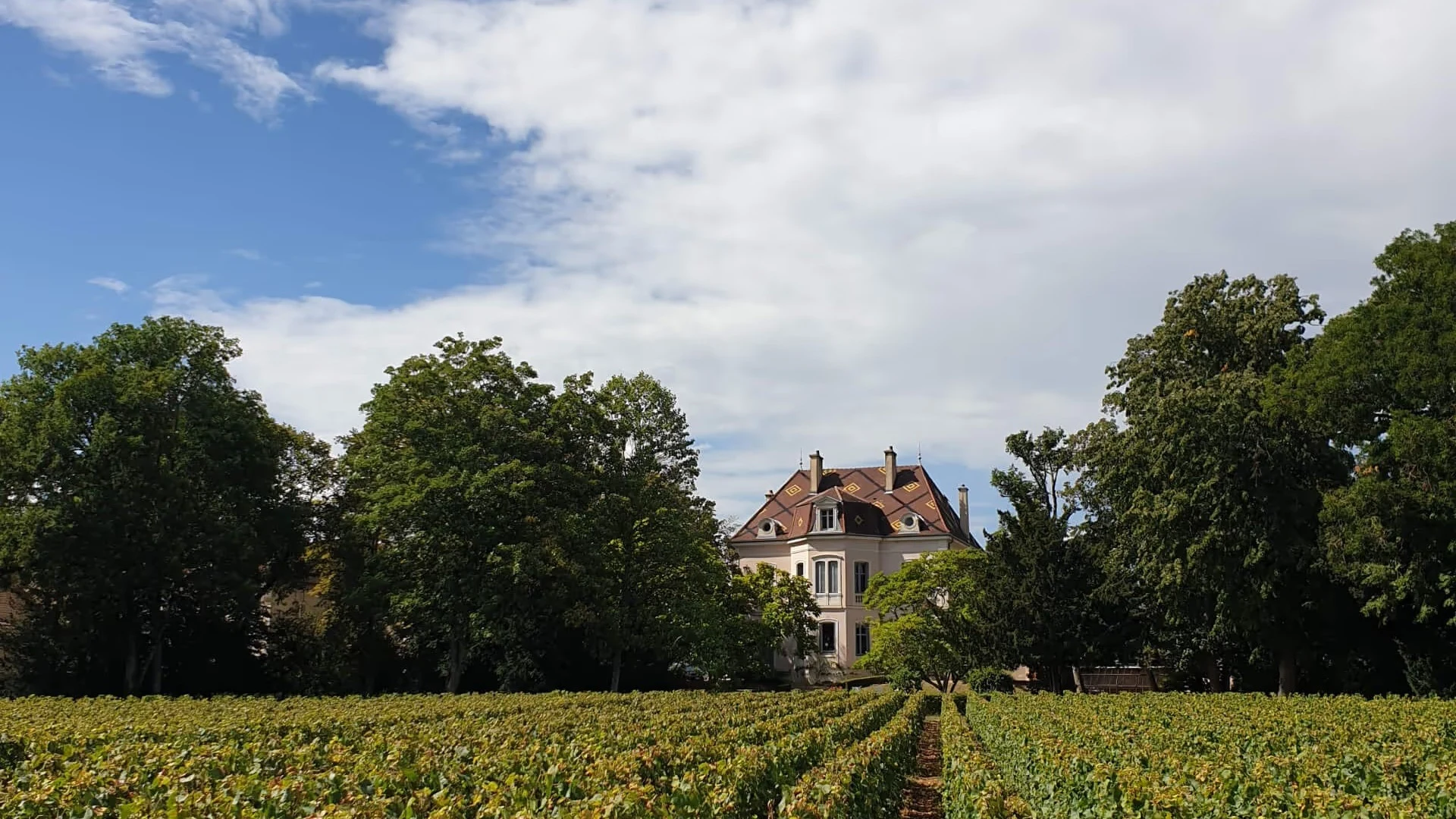
| Domaine des Comtes Lafon | Meursault | · |
| Domaine La Barroche | Châteauneuf-du-Pape | · |
| Herdade do Esporão | Reguengos de Monsaraz | World's 50 Best |