Weingut Schumacher
- 01CitySankt Aldegund, Germany
- Falstaff Winery - Listed · 2026
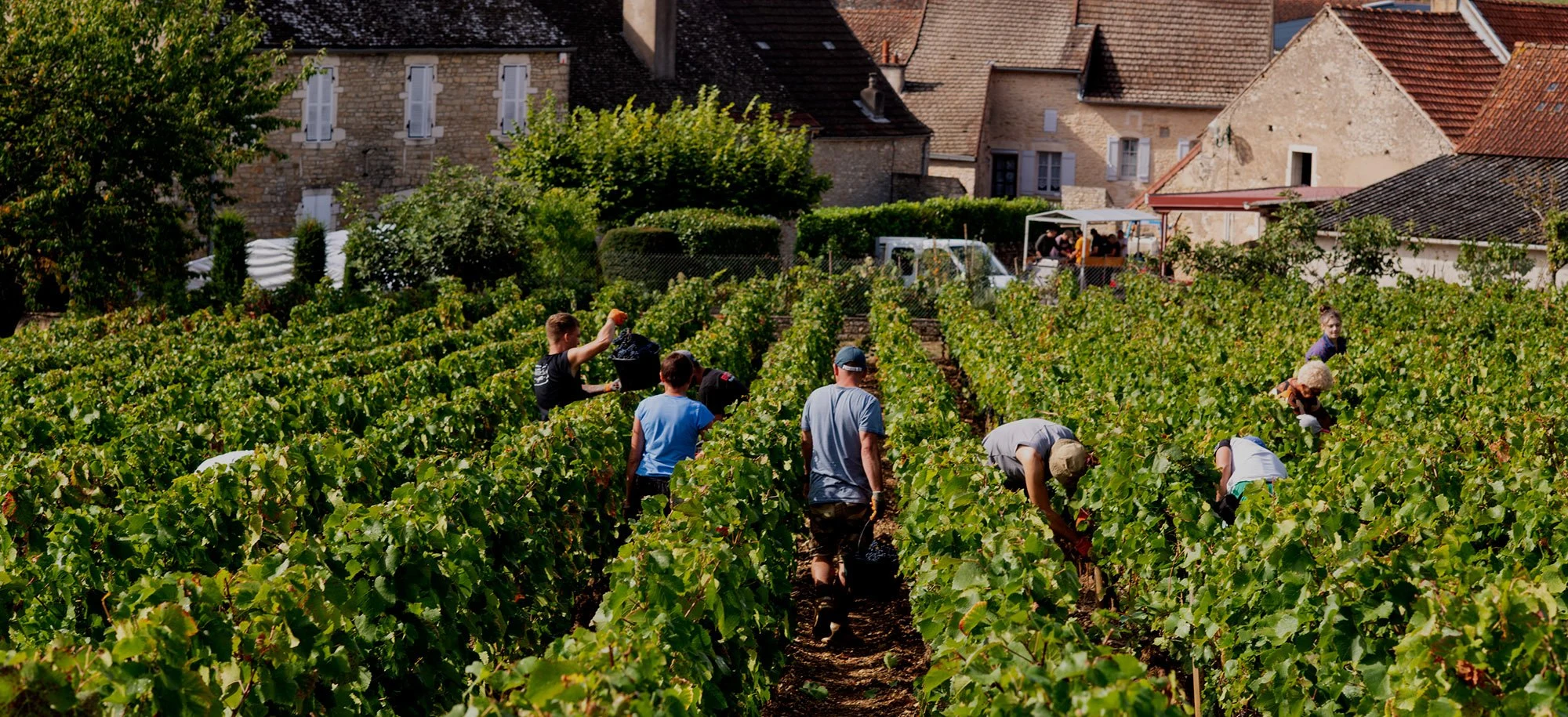
In Sankt Aldegund, the Mosel announces itself through slope before grandeur: terracing, river light, compact villages, and vineyards where machinery looks secondary to handwork. Weingut Schumacher fits that scale of wine travel: small producer, hillside identity, and direct encounter with bottles rather than staged estate theatre. For the wider local scene, start with Our full Sankt Aldegund wineries guide, then use Our full Sankt Aldegund restaurants guide, Our full Sankt Aldegund hotels guide, Our full Sankt Aldegund bars guide, and Our full Sankt Aldegund experiences guide to build the rest of the day around the village.
Terrassenmosel scale, not estate theatre
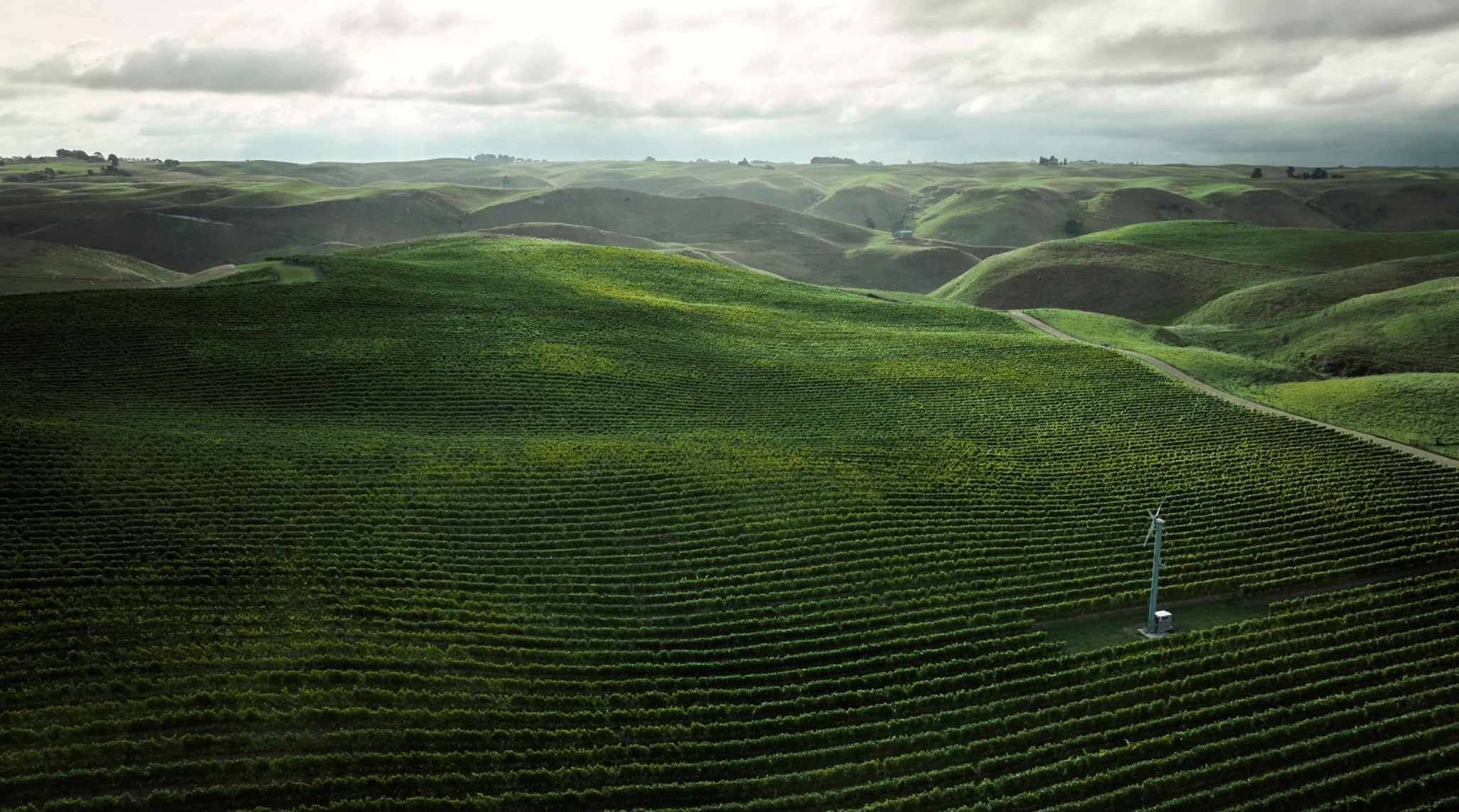
The Mosel’s premium reputation is often flattened into Riesling shorthand, but the Terrassenmosel is more specific. Steep sites, old terraces, and fragmented holdings shape the work long before wine reaches glass. Weingut Schumacher works 3.5 hectares, small even by German family-estate standards, with parcels tied to Klosterberg and Stephansberg in Merl, Abtei Klosterstuben in Bremm, Himmelreich in St. Aldegund, and Frauenberg in Neef. That spread matters because Mosel quality is rarely a single-site story; exposure, parcel age, and slope can shift wine character within a short drive.
The estate was founded in 1997 and has been managed by Joachim Schumacher since 1998. His Dipl.-Ing. background in viticulture and oenology gives the property a technical signal rather than a purely ancestral one, an important distinction in this part of Germany. The romance of the Mosel can invite lazy heritage language; here, the stronger point is a modern producer structure paired with old vineyard material. The oldest terraced vines in Neefer Frauenberg are around 110 years old, while average vine age across the estate is 35 years. That contrast gives the portfolio range between everyday site expression and older-vine concentration without luxury pricing rhetoric.
Recognition is specialist rather than trophy-led. Wein.plus classifies the estate as a good producer, and 122 wines have been recorded or tasted there, with recent examples scoring 81 to 87 WP. Several 2024 Rieslings and a 2023 Frühburgunder trocken sit in the 87 WP band, placing the estate in reliable regional drinking rather than collector scarcity. That is why it is useful for Mosel travelers who want terroir through a working producer, not a prestige appointment.
Riesling leads, but the red program changes the conversation
Riesling dominates the white plantings, as it should in this valley, but the vineyard composition is not monochrome. Whites make up 65 percent of plantings; Riesling accounts for 90 percent of that white section, with Kerner and Bacchus adding a smaller aromatic register. Reds account for 35 percent and include Pinot Noir, Regent, Pinot Meunier, Frühburgunder, Cabernet Sauvignon, and Merlot. For Mosel visitors, that red component is not a footnote: it shows a producer working beyond the expected dry-to-sweet Riesling ladder while staying anchored in a cool-climate context.
The yield figures sharpen the picture: 50 hl/ha for white wine and 15 hl/ha for red wine. Without turning that into a cellar philosophy the estate has not publicly framed, the numbers suggest different pressures by color. Reds from steep Mosel sites often require stricter selection to achieve shape and ripeness, while Riesling carries the broader production identity. Recent pricing keeps the range grounded: 2024 Spätburgunder-Schwarzriesling “Moselröschen” at €10.00, 2024 Riesling feinherb “Devon” at €14.50, 2024 Riesling “Antik” at €12.50, 2024 Riesling “Alte DNA” at €16.50, and 2024 Riesling edelsüß “Felsenfrucht” at €14.50. Those figures put the wines in a moderate direct-sales bracket, useful for tasting across styles without making the stop a trophy hunt.
The stylistic range is the reason to pay attention. Feinherb, edelsüß, dry Riesling, Pinot-family reds, and sparkling wine all appear within the estate’s focus. In Mosel terms, Weingut Schumacher is a compact teaching case: sweetness level, grape variety, vine age, and hillside parcel become one conversation. The price level makes comparative tasting practical. Travelers mapping Germany’s smaller producers might pair this page with & Handwein in Mannheim, 2 Naturkinder in Kitzingen, 3 Winner in Bechtheim, 49Point9 in Geisenheim, and 532 Riesling in Rüdesheim am Rhein for a wider view of how German wine addresses terroir, branding, and direct hospitality across regions.
What the visit is good for
Strongest reason to come is educational, not ceremonial. This is a small, quiet, rustic Mosel setting with tasting-room and wine-sales orientation, suited to travelers wanting vineyard context, a Riesling-led portfolio, and a direct producer encounter in Sankt Aldegund. The format is walk-in friendly, casual, and better for wine education, solo exploration, small-group tasting, or a low-key special-occasion stop than formal hospitality theatre. It is also useful for drinkers who know Mosel through high-acid Riesling alone and want to see how Pinot Noir, Frühburgunder, and other reds fit into a terraced-valley estate.
There are practical boundaries. Food pairing is not part of the offer, outdoor seating is not listed, and the property is not positioned as children-focused or dog-friendly. Treat it as a winery visit built around tasting and buying wine, then place meals, lodging, and evening drinking elsewhere in Sankt Aldegund. For a wider German-language wine itinerary, the same planning lens can extend to 70469! in Stuttgart Feuerbach, 746 - Route du Brut in Ettlingen, Achkarrer Winzer am Schlossberg eG in Vogtsburg Achkarren, »der Steiner« Hans Steiner in Podersdorf am See, and ®walzer in Gneixendorf Bei Krems, where the useful question is not which address has louder branding, but which producer gives the clearest read on place.
Weingut Schumacher’s appeal is that it keeps the Mosel legible at human scale. The evidence is concrete: 3.5 hectares, named hillside parcels, Riesling-led plantings, old terraced vines in Neefer Frauenberg, a technically trained owner-winemaker, and recent wines clustered around accessible euro pricing with specialist scores in the good to good range. For travelers who value terroir over spectacle, that is enough to justify the stop.
Questions
Frequently asked
How expensive is Weingut Schumacher?
Weingut Schumacher is listed at a price level of $$.
The field
How it compares
| Place | Notes | Awards |
|---|---|---|
| Weingut Schumacher | St. Aldegund, $$ | · |
| Bollinger | Aÿ | World's 50 Best |
| Domaine de la Romanée-Conti | Vosne-Romanée | · |
| Domaine Hubert Lamy | Saint-Aubin | · |
| Domaine Roulot | Meursault | · |
| Jacques Selosse | Avize | · |
| Kumeu River Wines | Kumeu | World's 50 Best |