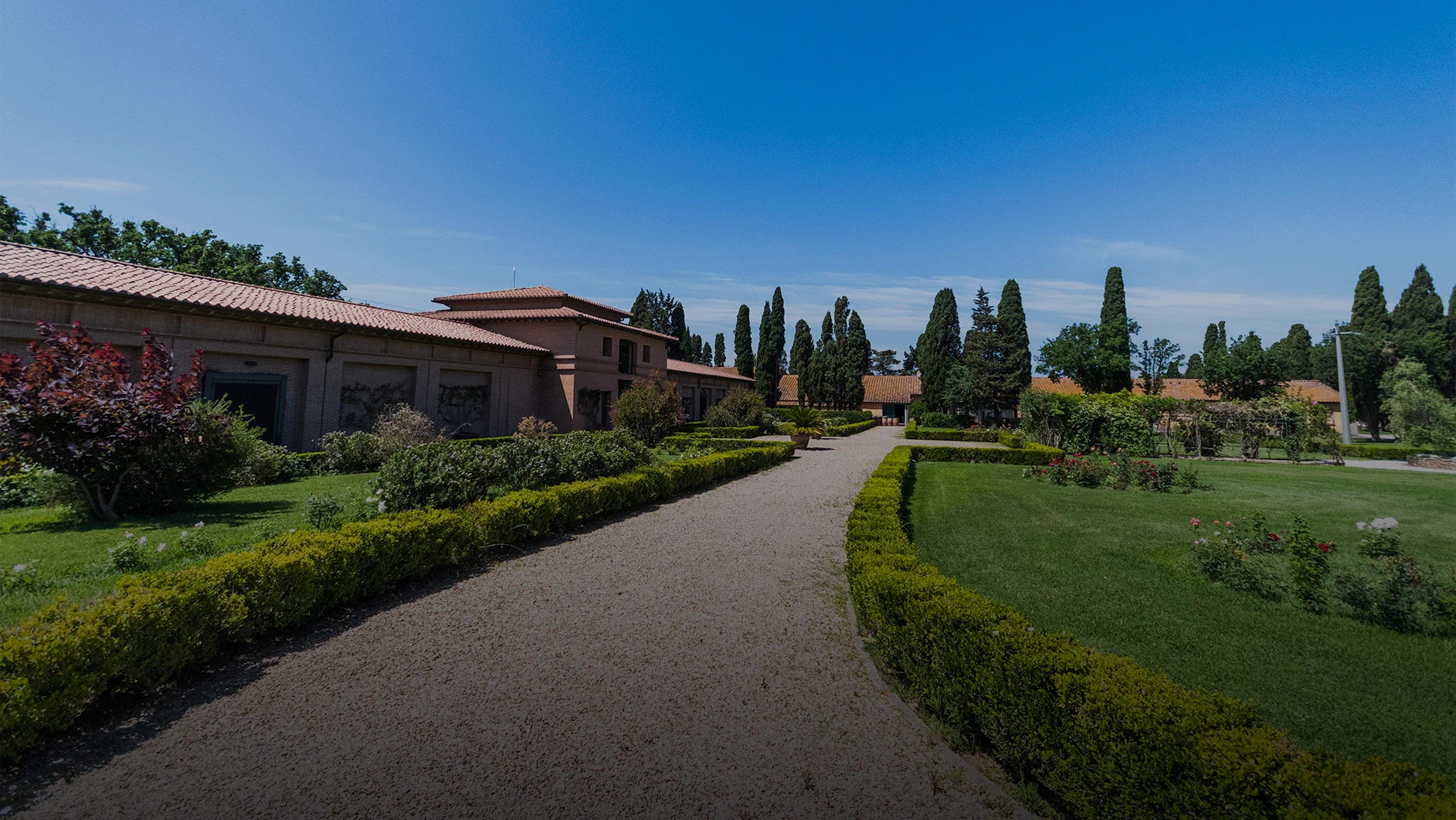
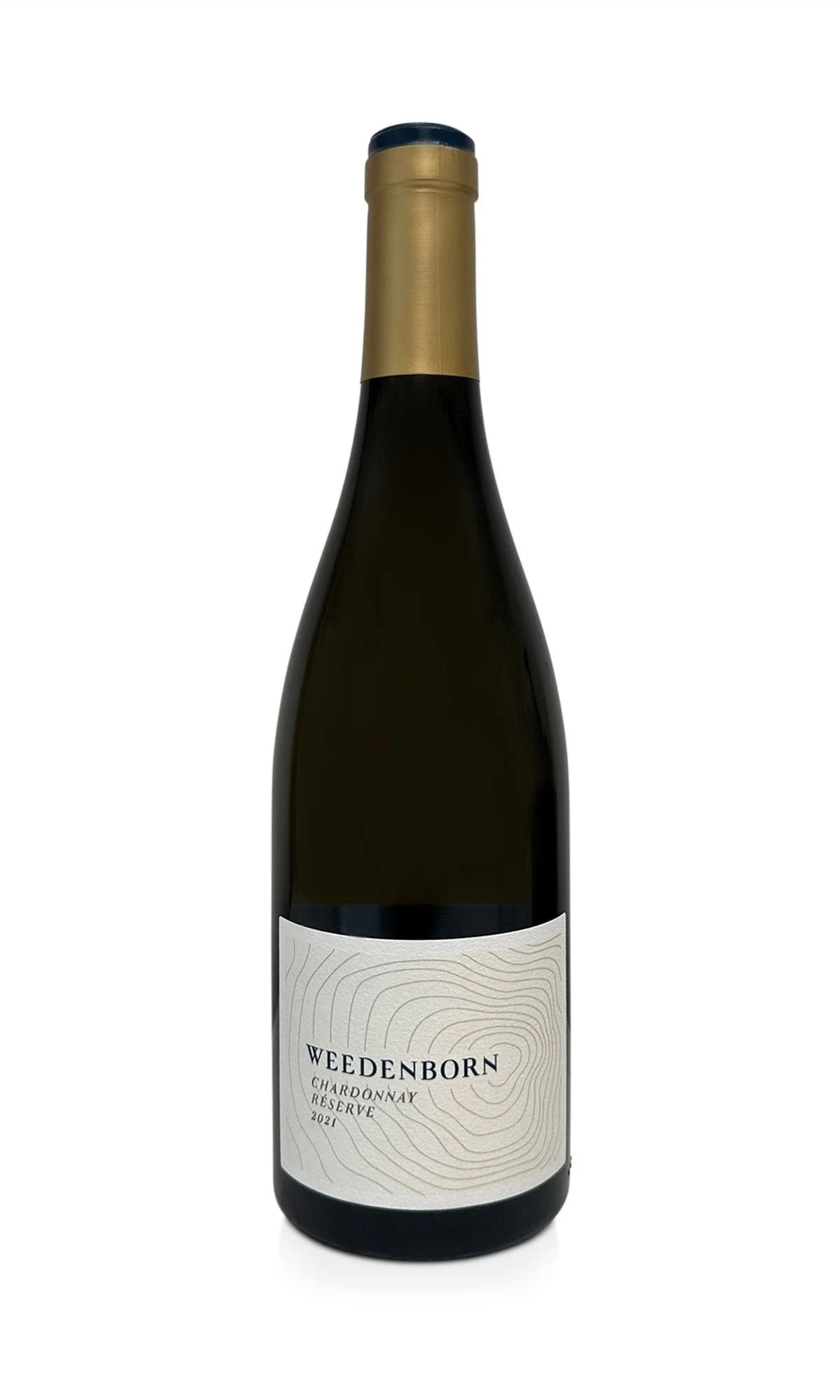
Weingut Weedenborn is a Rheinhessen estate in the village of Monzernheim, recognised with a Pearl 2 Star Prestige award in 2025. The property sits within one of Germany's most dynamically evolving wine regions, where a new generation of producers has redrawn the quality map across limestone, loess, and red-slate soils. For serious wine visitors, it represents a direct encounter with that transformation at the estate level.
<h2>Rheinhessen Beyond the Label</h2><p>For most of the twentieth century, Rheinhessen meant volume. The region's name appeared on the labels of mass-market Liebfraumilch, and serious German wine consumers looked elsewhere, to the Mosel's slate terraces, the Pfalz's grand cru vineyards, or the Rheingau's historic estates. What has happened in Rheinhessen since the early 2000s is one of the more compelling reversals in European wine. A cohort of producers working across the region's varied soils, from heavy loess in the flatlands to the red-slate and limestone sites of the Wonnegau in the south, began making wines that attracted international attention and shifted critical assumptions about what this appellation could produce. Weingut Weedenborn, based in the small village of Monzernheim in that southern stretch, holds a Pearl 2 Star Prestige award for 2025, and the estate is price tier 3.</p><h2>Monzernheim and the Geology Beneath It</h2><p>Monzernheim sits in the Wonnegau, a sub-region of Rheinhessen that has attracted disproportionate critical interest relative to its size. The geology here differs from the loess-dominated north: limestone outcrops and weathered sedimentary soils give the wines a structural tension that flatter, richer soils rarely produce. Across Europe, limestone-based terroirs, from Burgundy's Côte de Nuits to the limestone plateaux of Priorat, are associated with wines that carry higher acidity and mineral precision alongside fruit expression. In the Wonnegau, that same geological logic applies, and it is central to understanding why estates in this part of Rheinhessen have attracted attention from buyers and critics who look first at site before label.</p><p>The address at Am Römer 4 places Weedenborn within the village itself, a working agricultural community. Visiting requires intent: Monzernheim is not on any major wine trail circuit, and that relative inaccessibility is, for many serious wine visitors, precisely the point. Estates in villages like this rarely operate with the polished infrastructure of larger destination wineries. The encounter with the wine tends to be direct, with little staged around it.</p><h2>What a Pearl 2 Star Prestige Recognition Signals</h2><p>The 2025 Pearl 2 Star Prestige award is the substantive data point that positions Weedenborn within its comparable set. In the German wine recognition system, Pearl awards operate as a quality tier signal rather than a popularity metric. Two stars at Prestige level indicates consistent output across multiple vintages at a standard that separates the estate from the large body of competent regional producers. It does not guarantee a particular style, but it does indicate that the wines have passed repeated critical assessment at a high threshold.</p><p>Among Rheinhessen neighbours, the estate sits in similar company to producers like <a href="https://www.enprimeurclub.com/wineries/weingut-battenfeld-spanier-hohen-sulzen-winery">Weingut Battenfeld-Spanier in Hohen-Sülzen</a>, another Wonnegau-adjacent estate that has built its reputation on soil-driven precision. The Pfalz estates immediately to the south offer useful comparison points as well: <a href="https://www.enprimeurclub.com/wineries/weingut-a-christmann-neustadt-an-der-weinstrasse-winery">Weingut A. Christmann in Neustadt an der Weinstraße</a> and <a href="https://www.enprimeurclub.com/wineries/weingut-bassermann-jordan-deidesheim-winery">Weingut Bassermann-Jordan in Deidesheim</a> represent the style of estate where vineyard classification and geological identity drive the programme. <a href="https://www.enprimeurclub.com/wineries/weingut-dr-burklin-wolf-wachenheim-an-der-weinstrasse-winery">Weingut Dr. Bürklin-Wolf in Wachenheim</a> adds another Pfalz reference point for visitors building a regional itinerary that crosses the administrative border between Rheinhessen and its southern neighbour.</p><h2>Terroir Expression as the Central Argument</h2><p>German wine, at its highest level, has always been a terroir argument rather than a winemaking-technique argument. The VDP classification system, which underpins much of the country's premium wine identity, is built around vineyard sites and their capacity to produce wines that cannot be replicated elsewhere. Grosses Gewächs (GG) wines, the dry top tier, are effectively site-specific expressions, and the critical discourse around them mirrors the language used for grand cru Burgundy. In the Wonnegau, where Weedenborn operates, the argument for terroir specificity is grounded in the same geological variation that makes single-vineyard wines from the Mosel or the Rheingau legible as distinct from each other even within a single appellation.</p><p>For comparison, the Mosel estates in the comparable set tell a similar story from different geology. <a href="https://www.enprimeurclub.com/wineries/weingut-fritz-haag-brauneberg-winery">Weingut Fritz Haag in Brauneberg</a> and <a href="https://www.enprimeurclub.com/wineries/weingut-grans-fassian-leiwen-winery">Weingut Grans-Fassian in Leiwen</a> both produce wines shaped by blue Devonian slate, a material so different from Rheinhessen limestone that tasting across regions illustrates the terroir argument more clearly than any description can. <a href="https://www.enprimeurclub.com/wineries/weingut-heymann-lowenstein-winningen-winery">Weingut Heymann-Löwenstein in Winningen</a> and <a href="https://www.enprimeurclub.com/wineries/weingut-clemens-busch-punderich-winery">Weingut Clemens Busch in Pünderich</a> extend that Mosel reference further, both working extreme slope sites where the slate influence is intensified by gradient and sun exposure. For visitors building a German wine itinerary around geological contrast, pairing a Wonnegau estate like Weedenborn with a Mosel slate producer provides the clearest possible illustration of what soil composition actually contributes to a wine's structure.</p><p>Beyond the Mosel, the Rheingau offers a different set of comparisons. <a href="https://www.enprimeurclub.com/wineries/kloster-eberbach-eltville-winery">Kloster Eberbach in Eltville</a> is among the region's historic reference points, and <a href="https://www.enprimeurclub.com/wineries/weingut-georg-breuer-rudesheim-am-rhein-winery">Weingut Georg Breuer in Rüdesheim am Rhein</a> and <a href="https://www.enprimeurclub.com/wineries/weingut-allendorf-oestrich-winkel-winery">Weingut Allendorf in Oestrich-Winkel</a> represent the style of well-established Rheingau estate working with quartzite and loam-over-slate soils. The contrast with a limestone-based Rheinhessen producer illuminates how the same grape variety, Riesling above all, shifts register according to what it grows in.</p><h2>Planning a Visit</h2><p>Monzernheim is accessible from Frankfurt (approximately 60 kilometres southwest) and from Mainz (around 30 kilometres south), placing it within a logical day-trip radius for visitors based in either city. The village does not have visitor infrastructure in the conventional sense: no hotel within the immediate vicinity, limited dining options. The practical approach is to plan Weedenborn as part of a wider Wonnegau itinerary, pairing it with other estate visits in the sub-region and using Alzey or Worms as a base for accommodation. Advance contact is the more reliable route to confirming visit availability and tasting formats. Visits are by appointment only; walking in without prior arrangement risks finding the estate unavailable.</p>
Estate wineries in Monzernheim and the broader Wonnegau sub-region tend toward the traditional German Weingut model: serious in purpose without the formality of a restaurant or hotel. The 2025 Pearl 2 Star Prestige recognition signals a producer focused on quality conversation rather than ceremony. Visiting during open cellar events or by appointment is the standard approach for this tier of Rheinhessen estate.
Weingut Weedenborn has received recognition including: Pearl 2 Star Prestige (2025).
The specific bottlings are not detailed in publicly available records, but the 2025 Pearl 2 Star Prestige award positions Weedenborn within the group of Rheinhessen producers making a serious terroir argument. The Wonnegau's limestone and loess soils are historically associated with Riesling and Silvaner at the serious end of the regional spectrum. The estate's address in Monzernheim places it at the heart of this geologically distinct pocket.
Weingut Weedenborn is located at Am Römer 4, 55234 Monzernheim, Monzernheim.
Weedenborn is known as a quality-focused estate in Monzernheim's Wonnegau, a sub-region of Rheinhessen that has drawn critical attention well beyond its geographical footprint. The 2025 Pearl 2 Star Prestige award is the clearest external signal of where the estate sits within the German wine recognition hierarchy. That credential separates it from the volume-oriented producers that defined Rheinhessen's reputation for much of the twentieth century.
At Pearl 2 Star Prestige level, demand from both trade buyers and serious wine tourists typically outpaces casual walk-in availability. Contacting the estate directly well in advance, particularly for harvest-season visits or allocation inquiries, is the practical approach for this tier of Rheinhessen producer. No booking policy details are currently published.
The Pearl 2 Star Prestige designation in the German wine recognition system represents a substantive level of achievement, placing Weedenborn in a peer group above everyday regional producers and within the category of estates taken seriously by the trade. For a Monzernheim producer operating in the Wonnegau, this rating in 2025 signals that the estate's terroir argument has been independently validated. It is the single most concrete credential currently attached to the Weedenborn name.
Am Römer 4, 55234 Monzernheim
Monzernheim