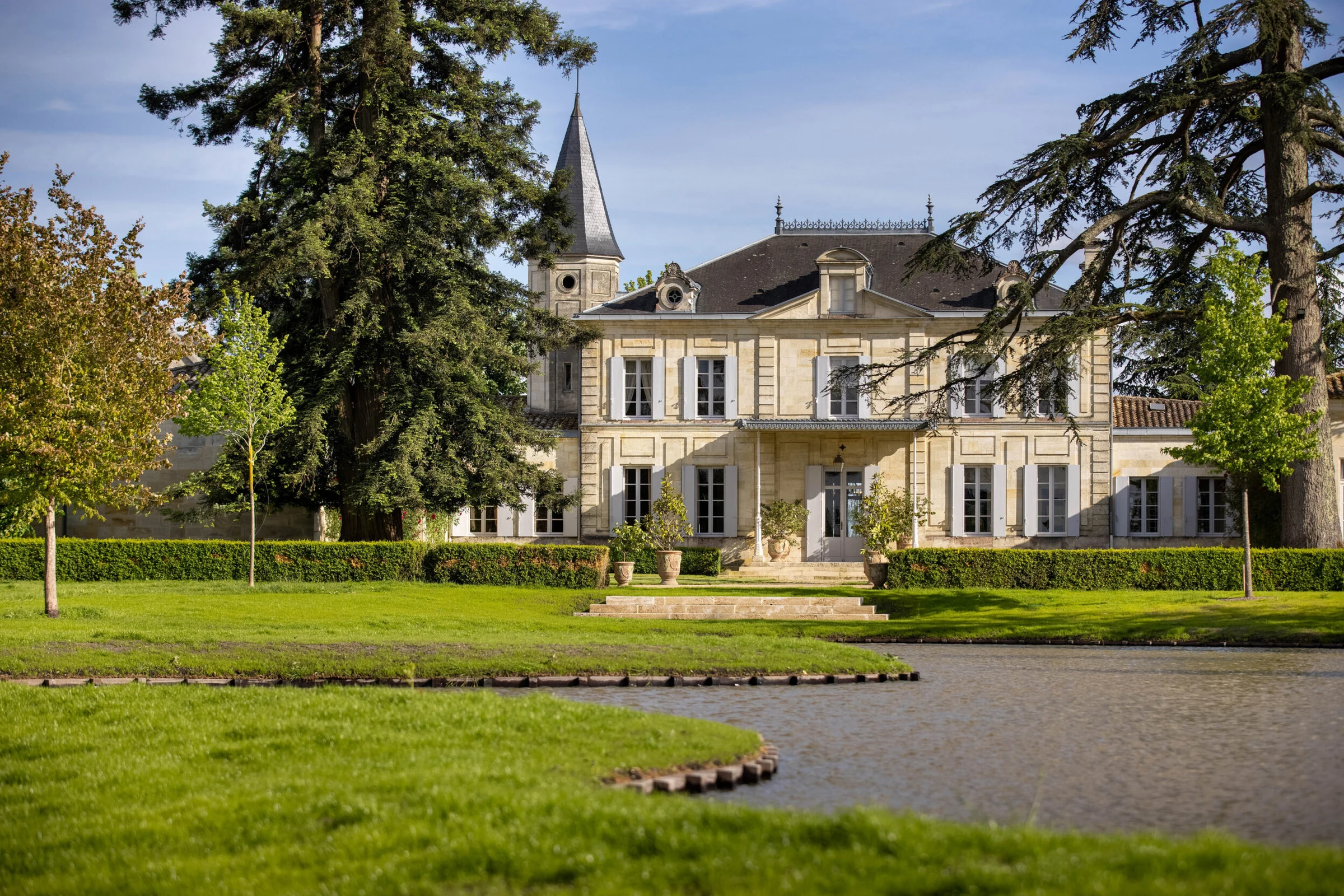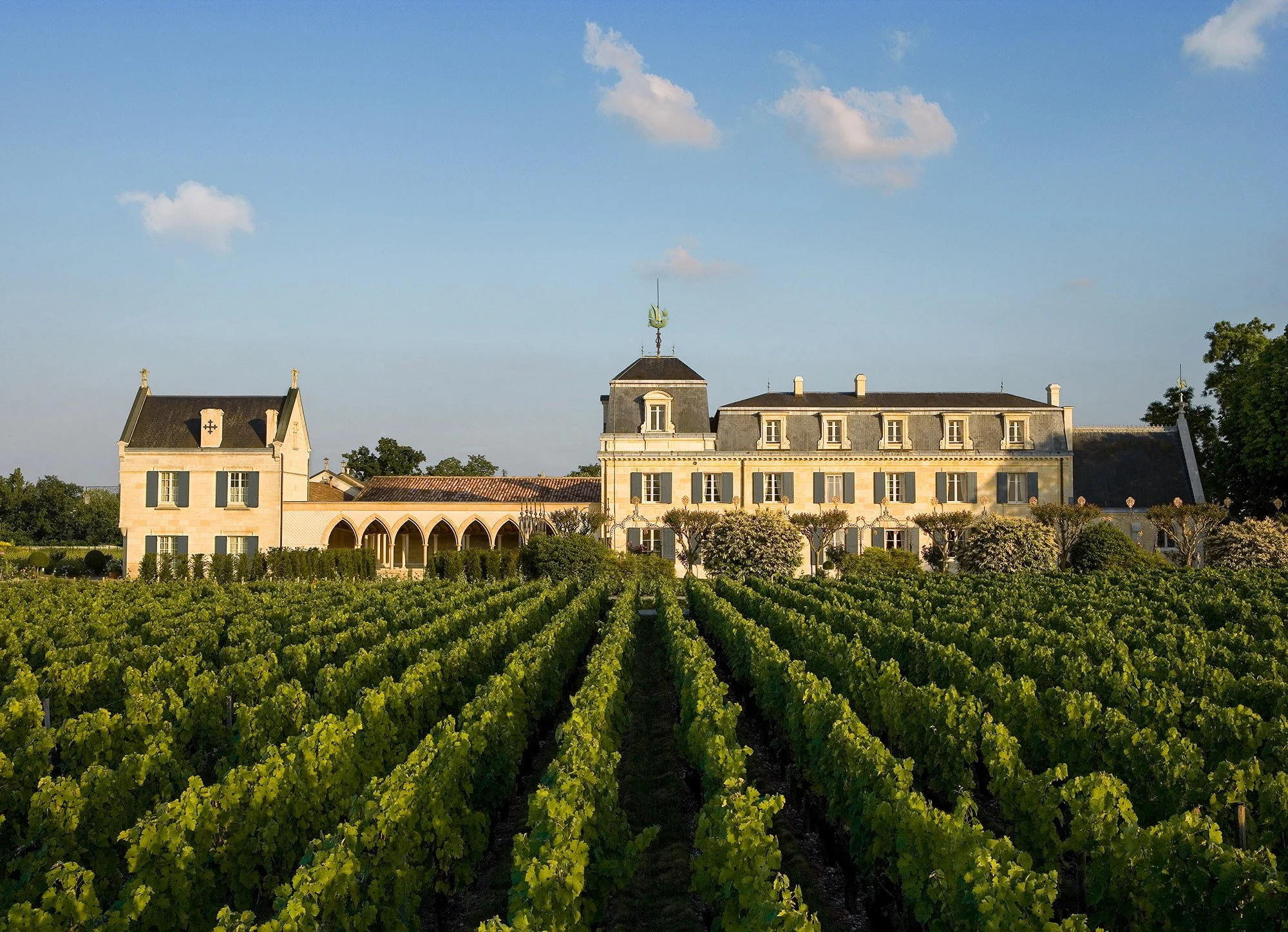
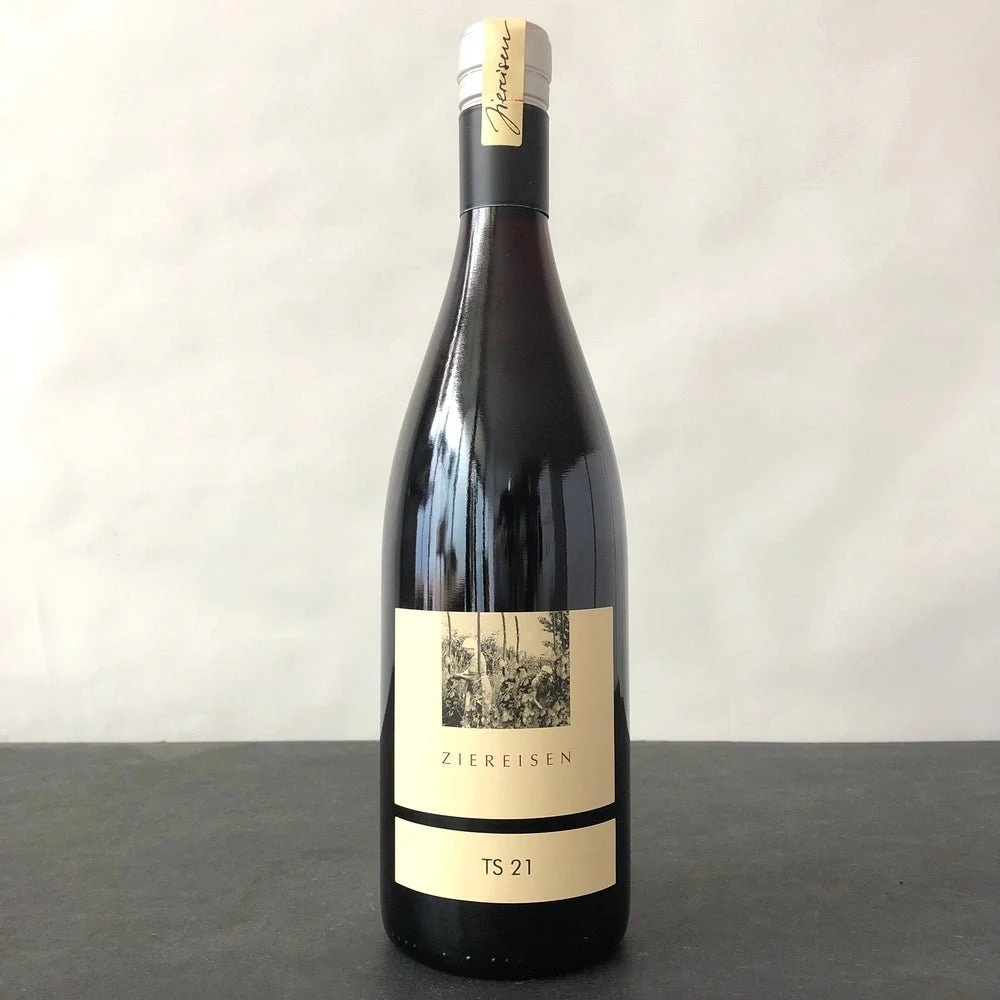
Weingut Ziereisen operates from Efringen-Kirchen in Germany's southernmost Baden wine country, where the proximity to Alsace shapes both the grape varieties grown and the winemaking sensibility. Awarded Pearl 2 Star Prestige in 2025, the estate occupies a distinct position among Baden producers who work the Markgräflerland's limestone and loess soils with low-intervention discipline. For collectors tracking Germany's southern edge, this is a serious address.
<h2>Where the Rhine Bend Shapes the Wine</h2><p>The southwestern tip of Baden sits in a geographical anomaly. Efringen-Kirchen, positioned between the Black Forest foothills and the Rhine, shares more meteorological DNA with Alsace than with the Mosel or Rhine regions most drinkers associate with German wine. The summers run warmer and longer here. The soils shift between limestone, loess, and clay-rich profiles depending on elevation. That combination produces wines with a character distinct from Germany's more northerly appellations, fuller in body, with phenolic depth that rewards patience in the cellar rather than early drinking.</p><p>Weingut Ziereisen, based at Markgrafenstraße 17 in this small town in the Markgräflerland, works within that southern terroir tradition. The 2025 Pearl 2 Star Prestige award places it among Germany's recognized estates, a designation that carries weight in the context of Baden's slowly expanding reputation. Baden is a region many serious wine buyers have systematically underweighted relative to Rheingau or Pfalz; the presence of producers with this level of recognition signals that the calculus is changing.</p><h2>Markgräflerland: Germany's Most Misread Wine Region</h2><p>The Markgräflerland subregion has historically operated below the radar of international wine press, which has tended to concentrate German coverage on Riesling from the Mosel and Rhine. That editorial habit has meant producers working Gutedel, the local name for Chasselas, a grape that Alsatian and Swiss producers have long treated as a serious variety, rarely received the scrutiny their wines warranted. The same applies to Pinot Noir and Pinot Gris grown along this stretch of the Upper Rhine Plain, where the continental-Mediterranean transition climate creates ripeness profiles that differ meaningfully from cooler German sites.</p><p>Producers like <a href="https://www.enprimeurclub.com/wineries/weingut-a-christmann-neustadt-an-der-weinstrasse-winery">Weingut A. Christmann in Neustadt an der Weinstraße</a> and <a href="https://www.enprimeurclub.com/wineries/weingut-dr-burklin-wolf-wachenheim-an-der-weinstrasse-winery">Weingut Dr. Bürklin-Wolf in Wachenheim an der Weinstraße</a> have demonstrated the case for Pfalz as a serious international proposition. Ziereisen is making a comparable argument for the far south, that this corner of Germany produces wines that deserve consideration on their own terroir terms rather than as footnotes to the Riesling conversation. Estates in other German regions recognised at a similar level, such as <a href="https://www.enprimeurclub.com/wineries/weingut-battenfeld-spanier-hohen-sulzen-winery">Weingut Battenfeld-Spanier in Hohen-Sülzen</a> and <a href="https://www.enprimeurclub.com/wineries/weingut-clemens-busch-punderich-winery">Weingut Clemens Busch in Pünderich</a>, each anchor their work in a specific geological argument. Ziereisen's argument is about the Rhine bend and the soils it deposited over centuries of erosion.</p><h2>Terroir Over Variety: The Southern Baden Approach</h2><p>What distinguishes the wines coming out of this southern stretch of Baden is not varietal novelty but site fidelity. The limestone-clay floors of the Markgräflerland retain moisture through drier summers while the refined positions on the foothills catch cooling afternoon winds from the Black Forest. That diurnal range, warm days building concentration, cooler nights preserving acidity, is what producers here argue gives their reds structure and their whites the kind of mineral tension that doesn't come from high-altitude Mosel or steep-slate sites, but from something altogether different.</p><p>Across Germany's premium tier, the most credible producers have moved away from purely varietal identity marketing toward site-specific expressions. <a href="https://www.enprimeurclub.com/wineries/weingut-fritz-haag-brauneberg-winery">Weingut Fritz Haag in Brauneberg</a> does this through the singular character of the Brauneberger Juffer Sonnenuhr; <a href="https://www.enprimeurclub.com/wineries/weingut-heymann-lowenstein-winningen-winery">Weingut Heymann-Löwenstein in Winningen</a> has built its reputation on reading Mosel slate at granular plot level. Ziereisen's position within that broader shift, working Baden's southern soils rather than the more internationally documented northern sites, adds a comparative dimension that serious buyers tracking German fine wine geographically will find instructive.</p><h2>Visiting Efringen-Kirchen: What to Expect</h2><p>Efringen-Kirchen is a compact town in the far southwest of Baden-Württemberg, closer to Basel in Switzerland than to Freiburg. The drive from Basel takes roughly thirty minutes; from Freiburg, allow around forty-five. The town sits in the agricultural flatland between the Rhine and the first rise of the Black Forest foothills, with the Alsatian hills visible across the river on clear days. The Alsatian character is not incidental: this is border wine country, shaped by the same geology and climate as the Alsatian side of the Rhine, and the wines reflect that shared physical history.</p><p>The estate at Markgrafenstraße 17 is set in the working agricultural fabric of the town, not in a showpiece tasting architecture. Visits to estates of this recognition level in Germany typically operate by appointment, and anyone planning a trip should contact the winery directly in advance rather than arriving without notice. The Markgräflerland rewards a multi-day itinerary: the density of serious producers, combined with the proximity to both Alsatian estates across the border and the Kaiserstuhl subregion further north, makes this corner of southwestern Germany a coherent circuit for wine-focused travel.</p><h2>Ziereisen in Its comparable set</h2><p>The 2025 Pearl 2 Star Prestige designation places Ziereisen within a tier of German estates that have moved beyond regional recognition into the conversation about serious national and international fine wine. That tier is not large. Comparing across German regions, estates at this level tend to share certain characteristics: a commitment to specific site expression over blended appellations, a production discipline that resists volume growth at the expense of quality, and a distribution model that keeps allocation tight relative to demand.</p><p>Institutions like <a href="https://www.enprimeurclub.com/wineries/kloster-eberbach-eltville-winery">Kloster Eberbach in Eltville</a> carry historical prestige as well as critical recognition. <a href="https://www.enprimeurclub.com/wineries/weingut-georg-breuer-rudesheim-am-rhein-winery">Weingut Georg Breuer in Rüdesheim am Rhein</a> has built a following on the strength of its Rüdesheimer Berg sites. <a href="https://www.enprimeurclub.com/wineries/weingut-bassermann-jordan-deidesheim-winery">Weingut Bassermann-Jordan in Deidesheim</a> and <a href="https://www.enprimeurclub.com/wineries/weingut-allendorf-oestrich-winkel-winery">Weingut Allendorf in Oestrich-Winkel</a> anchor the Pfalz and Rheingau ends of that peer conversation. Ziereisen's place in the same recognition tier from a region that receives less systematic international coverage makes it one of the more geographically instructive addresses for buyers who want to understand what German wine is doing at its southern edge. For context beyond Germany entirely, estates at the boutique precision end of their own regions, such as <a href="https://www.enprimeurclub.com/wineries/accendo-cellars">Accendo Cellars in St. Helena</a>, share the low-volume, site-focused model that tends to define this award tier internationally.</p><p>Longer-established German estates such as <a href="https://www.enprimeurclub.com/wineries/weingut-burgerspital-zum-heiligen-geist-wurzburg-winery">Weingut Bürgerspital zum Heiligen Geist in Würzburg</a> and <a href="https://www.enprimeurclub.com/wineries/weingut-grans-fassian-leiwen-winery">Weingut Grans-Fassian in Leiwen</a> illustrate how deep the German fine wine field runs across its multiple sub-regions. Ziereisen is a reminder that the southernmost end of that field is worth tracking. For reference further afield, <a href="https://www.enprimeurclub.com/wineries/aberlour-aberlour-winery">Aberlour in Aberlour</a> demonstrates how a producer can carry strong regional identity into premium international recognition, a parallel dynamic at work in Baden's gradual emergence from the shadow of more publicised German wine regions.</p><h2>Planning a Visit</h2><p>Weingut Ziereisen is located at Markgrafenstraße 17, 79588 Efringen-Kirchen. Visits are by appointment. The recommended approach is to reach out to the estate directly to confirm availability before any visit. Visits are by appointment.</p><div class="faq-section">
Weingut Ziereisen sits at Markgrafenstraße 17 in Efringen-Kirchen, a working agricultural town in the Markgräflerland. Estates carrying the 2025 Pearl 2 Star Prestige designation at this level typically operate from working domaine premises rather than purpose-built visitor centres, so expect a producer-focused environment oriented around the wines and the vineyards rather than hospitality theatre. This is wine country in the functional sense: the agriculture is immediate and visible, and appointments tend to be arranged directly with the estate.
Weingut Ziereisen is located at Markgrafenstraße 17, 79588 Efringen-Kirchen, Efringen-Kirchen.
Weingut Ziereisen has received recognition including: Pearl 2 Star Prestige (2025).
Specific current bottlings are not on record, but the Markgräflerland's defining varieties — Gutedel, Pinot Noir, and Pinot Gris — are the reference points for any serious estate in this subregion. Ziereisen's 2025 Pearl 2 Star Prestige recognition positions it among producers working at the level where site-specific expressions, rather than blended appellations, are the focus. When visiting, ask about single-vineyard or lieu-dit releases, which are typically where estates at this tier concentrate their most precise work.
Efringen-Kirchen is in Baden's far southwest, closer to Basel than to Freiburg, and the town operates on agricultural rather than tourist rhythms. Weingut Ziereisen holds a 2025 Pearl 2 Star Prestige designation, placing it within a tier of estates that have moved into serious international conversation, but the infrastructure here is that of a working winery rather than a visitor destination. No published opening hours or online booking platform appear in current records, so contact in advance before making the journey.
No booking platform or published phone number appears in current records for Weingut Ziereisen, which is consistent with how many Pearl 2 Star Prestige estates across southern Baden operate: direct enquiry, often by email or in-person approach, rather than open-door tasting room access. Availability at this level is generally limited, and visits are more likely arranged through the estate's own channels or via specialist wine importers who carry the wines. Planning several weeks ahead is sensible.
The 2025 Pearl 2 Star Prestige designation puts Weingut Ziereisen in a tier of German estates recognised beyond regional press into broader European wine discourse. In a subregion like Markgräflerland, which has historically received less international attention than the Mosel or Rheingau, that recognition carries additional weight — it signals a producer operating above the ambient level of the area, not merely within it. For context, Efringen-Kirchen's geographical position near the Swiss border, in Germany's warmest wine zone, gives estates here a climatic profile that few other German appellations can replicate.
Markgrafenstraße 17, 79588 Efringen-Kirchen
Efringen-Kirchen