Made ByRestaurant
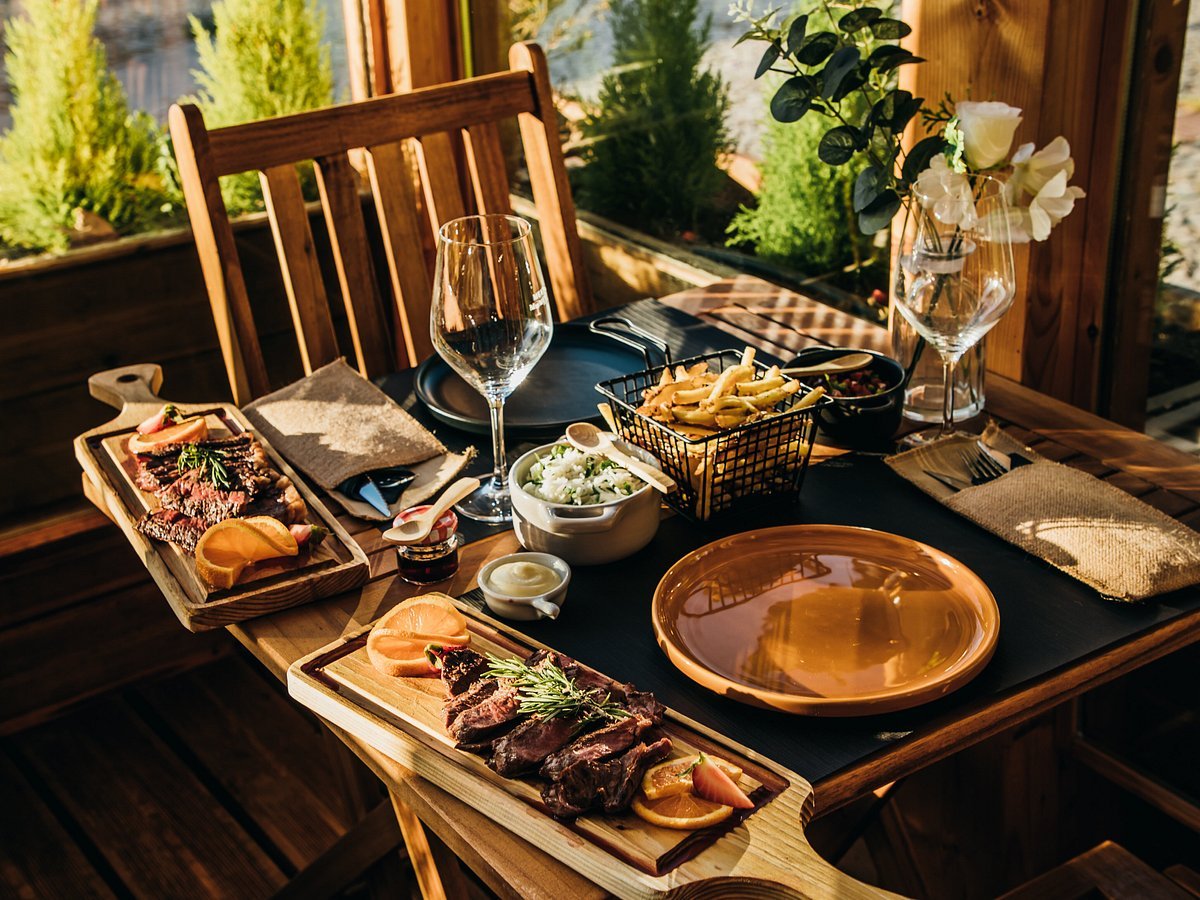
Two consecutive Michelin Bib Gourmand awards (2024 and 2025) position Xtoria as one of Setúbal's most compelling addresses for contemporary Portuguese cooking. Chef Rita Neto reworks Atlantic ingredients, cuttlefish, sea bass, clams, through a technically assured lens, at a price point that sits well below the country's starred tier. The result is a restaurant that earns its recognition on merit rather than ceremony.
- Michelin Bib Gourmand
At a glance
- Cuisine
- Contemporary
- Price
- $
- Hours
- Mon: 7:30–10:30 PM; Tue: 7:30–10:30 PM; Wed: 12:30–3 PM, 7:30–11 PM; Thu: 12:30–3 PM, 7:30–11 PM; Fri: 12:30–3 PM, 7:30–11 PM; Sat: 12:30–3 PM, 7:30–11 PM; Sun: Closed
- Rating
- 4.7 (647)
<h2>Industrial Shell, Atlantic Core</h2><p>The approach to Xtoria along Rua Guilherme Gomes Fernandes gives little away. The façade reads as industrial grey with cast-steel finishes, the kind of exterior more common to Lisbon's converted warehouse districts than to the streets of Setúbal's older quarters. That deliberate material choice signals something about the cooking inside: a willingness to sidestep the predictable, both visually and on the plate. Setúbal sits at the mouth of the Sado estuary, roughly 50 kilometres south of Lisbon, with a fishing wharf, the Doca de Pesca, that continues to define what the city eats. Xtoria operates within a short walk of that wharf, and the proximity matters. The ingredients arrive with the directness of geography, not logistics.</p><h2>Where Xtoria Sits in the Portuguese Dining Scene</h2><p>Portugal's Michelin-recognised dining splits into two broad tiers. The starred cohort, <a href="https://www.enprimeurclub.com/restaurants/belcanto-lisbon-restaurant">Belcanto in Lisbon</a>, <a href="https://www.enprimeurclub.com/restaurants/casa-de-cha-da-boa-nova-leca-da-palmeira-restaurant">Casa de Chá da Boa Nova in Leça da Palmeira</a>, <a href="https://www.enprimeurclub.com/restaurants/ocean-porches-restaurant">Ocean in Porches</a>, <a href="https://www.enprimeurclub.com/restaurants/the-yeatman-vila-nova-de-gaia-restaurant">The Yeatman in Vila Nova de Gaia</a>, <a href="https://www.enprimeurclub.com/restaurants/vila-joya-albufeira-restaurant">Vila Joya in Albufeira</a>, <a href="https://www.enprimeurclub.com/restaurants/antiqvvm-porto-restaurant">Antiqvvm in Porto</a>, <a href="https://www.enprimeurclub.com/restaurants/il-gallo-doro-funchal-restaurant">Il Gallo d'Oro in Funchal</a>, and <a href="https://www.enprimeurclub.com/restaurants/a-cozinha-guimaraes-restaurant">A Cozinha in Guimarães</a>, operates at price points (€€€€) that reflect full tasting-menu commitments and formal service structures. The Bib Gourmand tier is a different proposition: high technical ambition, genuine ingredient quality, but pricing that stays within reach of a broader audience. Xtoria earned that Bib Gourmand designation in both 2024 and 2025.</p><p>For context on what this price point means across the contemporary Portuguese spectrum, consider that Xtoria carries a single-euro price marker (€) against its Michelin recognition, which is comparatively rare. Most Bib Gourmand recipients in urban Portuguese markets sit at €€. That combination of Michelin-level technique at a genuinely accessible price is the clearest statement about what the restaurant is trying to do, and, based on a Google rating of 4.7 across 647 reviews, what it consistently delivers. The breadth of that review base matters: it suggests a local following, not just destination diners passing through.</p><p>Contemporary cooking of this register finds interesting parallels outside Portugal. <a href="https://www.enprimeurclub.com/restaurants/cesar-new-york-city-restaurant">César in New York City</a> and <a href="https://www.enprimeurclub.com/restaurants/jungsik-seoul-restaurant">Jungsik in Seoul</a> both demonstrate how a contemporary framework applied to local ingredient identity can define a restaurant's position. Xtoria operates at a different price tier, but the editorial logic is the same: the cuisine type is the vehicle, and the ingredient story is the argument.</p><h2>The Atlantic on the Plate</h2><p>Setúbal's culinary identity is anchored to the sea, and specifically to choco, cuttlefish, which functions almost as a civic symbol. Most restaurants within the city serve it in some form, typically grilled or fried, unreconstructed. What distinguishes the approach here is that the same ingredient is treated as material for technical reinterpretation. The cuttlefish cannoli, filled and paired with garlic emulsion, roe and cured tuna, applies a format usually associated with pastry precision to a fish that locals have eaten simply for generations. The gap between the familiar and the technique applied to it is where the cooking makes its case.</p><p>The same structural logic applies to the sea bass loin cured in seaweed, paired with açorda de amêijoas and creamy lupin-bean purée. Açorda is one of Portugal's oldest preparations, bread-based, garlic-heavy, intensely savoury, and its presence as a pairing element rather than a standalone course signals an understanding of how to use tradition as context rather than as constraint. Lupin beans (tremoços) occupy a place in Portuguese food culture closer to the snack bowl than the fine-dining plate, which makes their appearance as a refined purée another deliberate act of elevation through restraint. The Algarve's own contemporary register sees similar moves at <a href="https://www.enprimeurclub.com/restaurants/al-sud-lagos-restaurant">Al Sud in Lagos</a>, <a href="https://www.enprimeurclub.com/restaurants/a-ver-tavira-tavira-restaurant">A Ver Tavira in Tavira</a>, and <a href="https://www.enprimeurclub.com/restaurants/bon-bon-lagoa-restaurant">Bon Bon in Lagoa</a>, where regional identity and modern technique operate in similar tension.</p><h2>Chef Rita Neto and the Kitchen's Orientation</h2><p>Contemporary Portuguese cooking, when it works at this tier, tends to come from chefs who have absorbed the language of European modern cuisine while retaining a clear line back to Portuguese ingredient culture. Chef Rita Neto's kitchen at Xtoria reads in that register. The specific combinations documented in the Michelin commentary, the curing techniques, the emulsions, the structural use of açorda, point to a formation that understands classical preparation methods while choosing where to apply them selectively. The result is cooking that does not present itself as a museum of Portuguese tradition, nor as a complete departure from it. That balance is harder to hold than either extreme, and the consistency of recognition across two Bib Gourmand cycles suggests it is being held deliberately.</p><h2>Format and Planning</h2><p>Xtoria operates an à la carte menu alongside a special lunch menu and a five-course tasting menu available on Friday and Saturday evenings. For visitors to Setúbal with a specific interest in the full kitchen argument, the Friday or Saturday tasting menu is the appropriate format, five courses allows the kitchen to build a sequence around the Atlantic ingredient framework rather than presenting it as individual choices. The lunch menu, available midweek, offers a more condensed entry point without the commitment of a full evening. Setúbal itself sits at approximately 50 kilometres from Lisbon via the A2, making it a viable day trip or a logical stop for travellers working the Arrábida coastline. The restaurant is at Rua Guilherme Gomes Fernandes 17, close to the fishing wharf, which also means the surrounding streets offer direct context for understanding where the ingredients come from before or after the meal.</p>
Frequently asked
Can I bring kids to Xtoria?
Xtoria's price range sits at the accessible end of the Bib Gourmand tier, and its à la carte format means families are not locked into a long tasting menu. The five-course tasting menu is reserved for Friday and Saturday evenings, so a weekday or lunch visit with the shorter menu is a more flexible option with children in tow.
What should I expect atmosphere-wise at Xtoria?
The façade on Rua Guilherme Gomes Fernandes is industrial grey with cast-steel finishes — a deliberate departure from the rustic maritime aesthetic common in coastal Portuguese towns. Inside, the tone follows: considered rather than decorative, with a kitchen focused on Atlantic ingredients reimagined through a contemporary lens rather than nostalgic presentation.
Has Xtoria won any awards?
Xtoria has received recognition including: This restaurant surprises from its original façade, in industrial grey with cast‑steel finishes, through to its gastronomic proposal. Located close to the Doca de Pesca de Setúbal (Setúbal fishing wharf), this establishment avoids the predi….
What's the must-try dish at Xtoria?
The Cannoli de choco — cuttlefish cannoli with garlic emulsion, roe, and cured tuna — is the dish most directly tied to Setúbal's identity and to what earned Xtoria back-to-back Michelin Bib Gourmand recognition in 2024 and 2025. The sea bass loin cured in seaweed, served with açorda de amêijoas and lupin-bean purée, represents the same Atlantic-forward approach in a more composed format.
What should I budget for a meal at Xtoria?
Pricing at Xtoria is listed as €.
Where exactly is Xtoria?
Xtoria is located at R. Guilherme Gomes Fernandes 17, 2900-558 Setúbal, Portugal, Setubal.
Address
R. Guilherme Gomes Fernandes 17, 2900-558 Setúbal, Portugal
How it compares
- Cuisine
- Contemporary
- Price
- $
- Awards
- Michelin Bib Gourmand
- Notes
- Setubal
- Cuisine
- Modern Portuguese Gastrobar
- Price
- $$
- Awards
- Michelin Bib Gourmand
- Notes
- Santa Apolonia
- Cuisine
- Regional Alentejo Portuguese
- Price
- $$
- Awards
- Michelin Bib Gourmand
- Notes
- Montemor-o-Novo
- Cuisine
- Innovative
- Price
- $$
- Awards
- Michelin Plate
- Notes
- Bairro Alto
- Cuisine
- Modern Indian-Nepalese Tandoor
- Price
- $$
- Awards
- Michelin Plate
- Notes
- Baixa
- Cuisine
- Traditional Portuguese Bairrada
- Price
- $$
- Awards
- Michelin Bib Gourmand
- Notes
- Cantanhede
In residence
Similar places
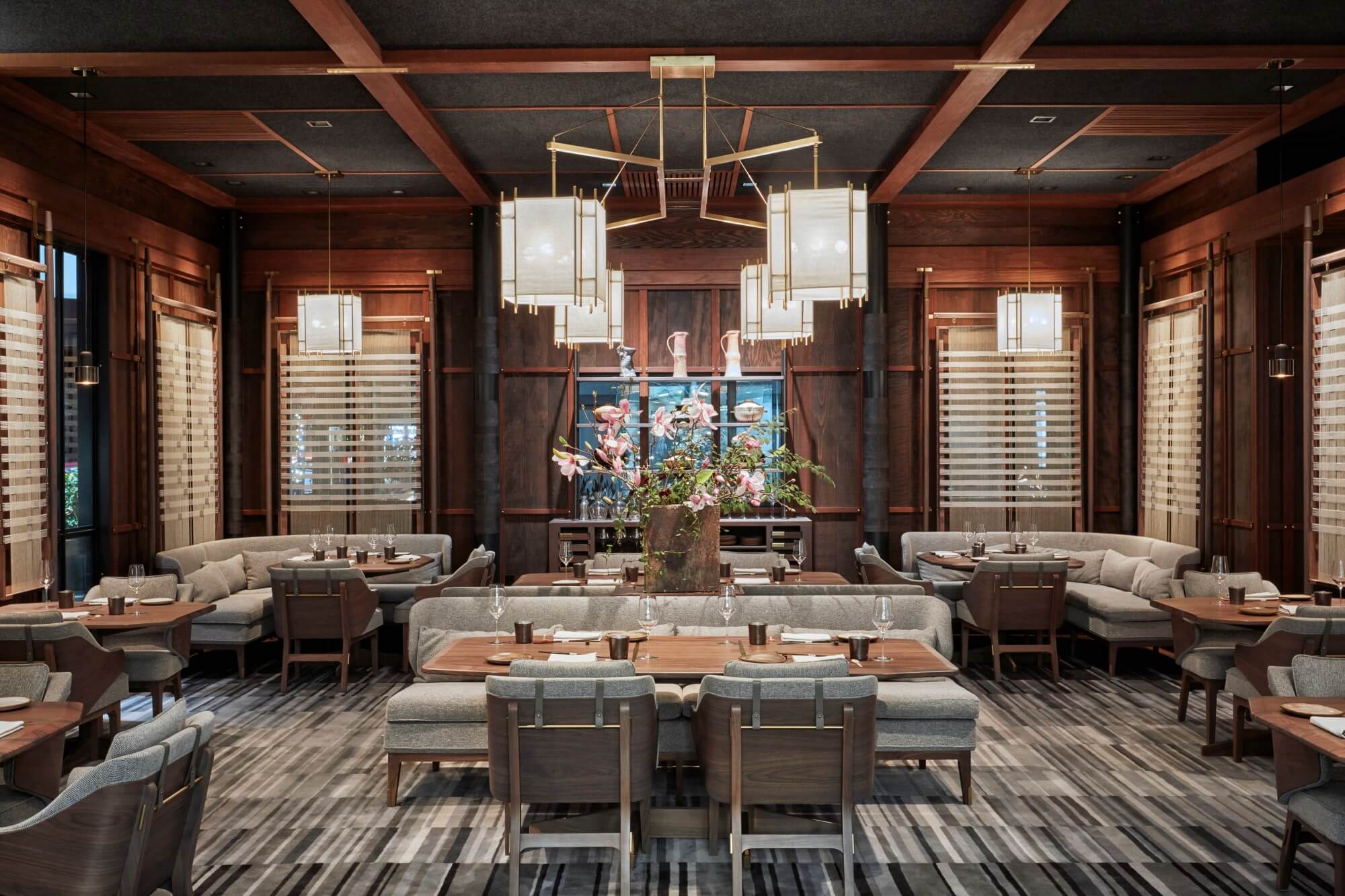
Japanese-influenced Californian Kaiseki
Single Thread Farm
Healdsburg, United States
★★★ · 50 Best
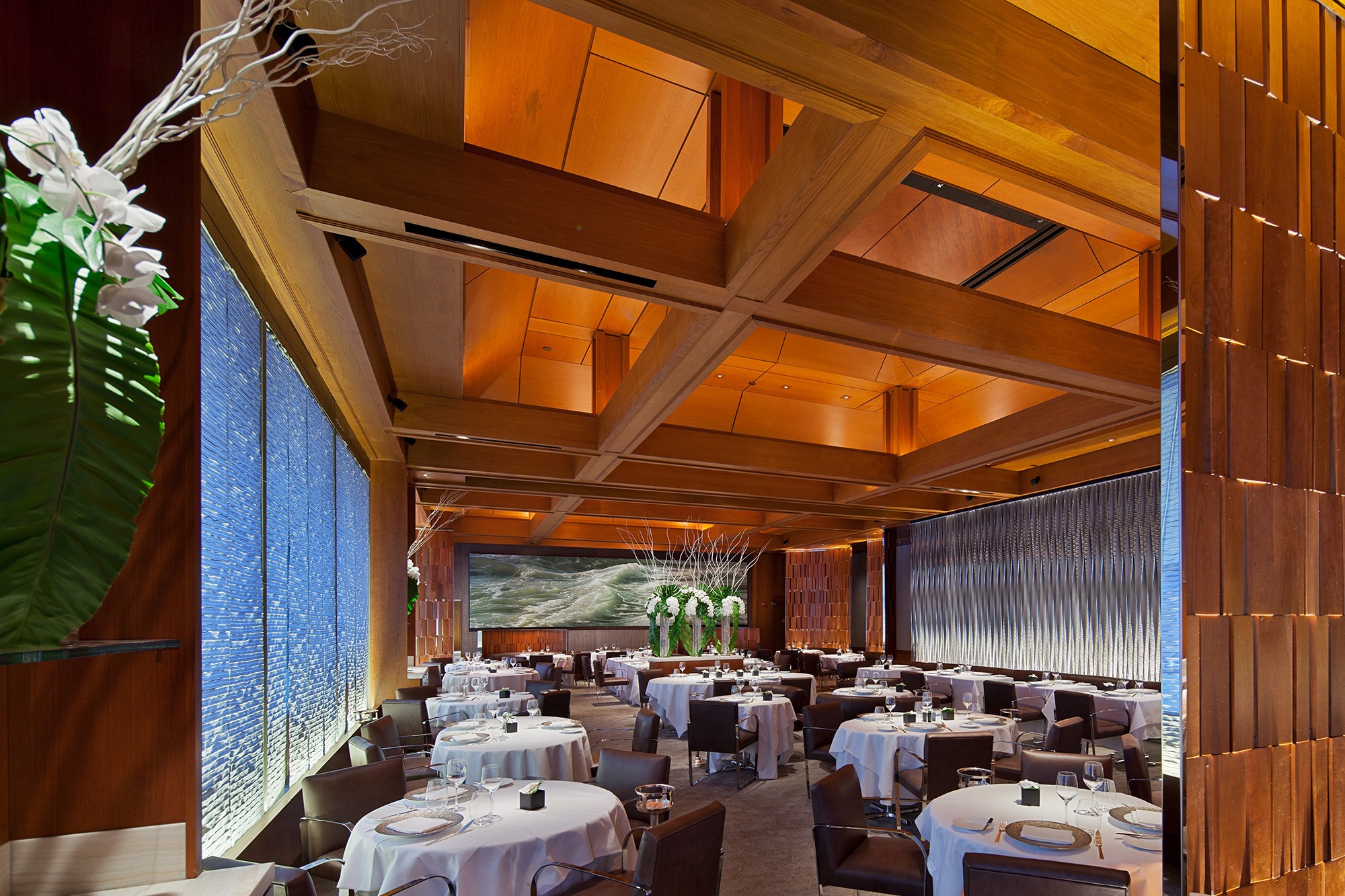
French Seafood Fine Dining
Le Bernardin
New York City, United States
★★★ · 50 Best
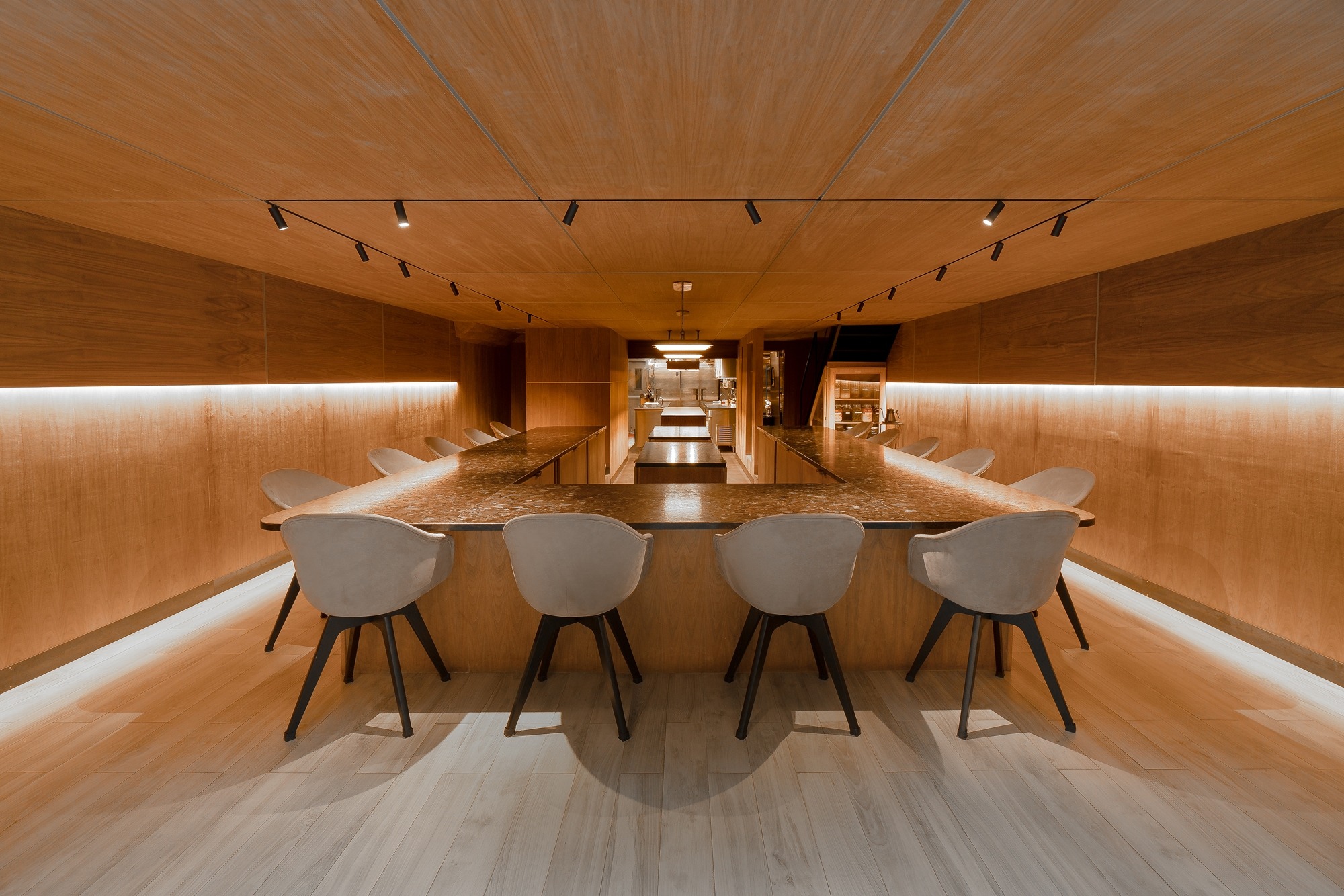
Modern Korean Tasting Menu
Atomix
New York City, United States
★★ · 50 Best
French
Sézanne
Tokyo, Japan
★★★ · 50 Best
Contemporary Plant-Based Fine Dining
Eleven Madison Park
New York City, United States
★★★ · 50 Best
Modern Seafood Fine Dining
Providence
Los Angeles, United States
★★★ · 50 Best